What Is Diarrhea Menstruation Period? A Complete Medical Guide

Key Takeaways
- Diarrhea during the menstrual period is often related to prostaglandins, hormone shifts, and bowel sensitivity.
- It may appear with cramps, bloating, nausea, or looser stools in the days just before or during bleeding.
- Mild cases often improve with hydration, light meals, rest, and simple self-care measures.
- Severe pain, fever, blood in the stool, or diarrhea outside the period may point to another condition.
- A clinician may check for conditions such as endometriosis, irritable bowel syndrome, or infection if symptoms are frequent or intense.
Diarrhea during the menstrual period is a common symptom linked to hormone changes and the way the uterus and intestines respond around bleeding. In most cases, it is temporary and manageable, but persistent, severe, or unusual symptoms deserve medical evaluation.
Overview
Diarrhea during the menstrual period is a real and fairly common experience. For many people, loose stools or a sudden need to use the bathroom begin just before bleeding starts or during the first days of the cycle, often alongside cramps and bloating.
The short answer is that menstrual hormones and prostaglandins can affect the bowel as well as the uterus. Prostaglandins help the uterus contract to shed its lining, but they can also stimulate the intestines, making stools looser and bowel movements more frequent.
Although the symptom is usually temporary, it can still be disruptive. Understanding why it happens helps a person decide whether simple comfort measures are enough or whether a medical assessment is worth arranging, especially if the problem is new, intense, or affecting travel, work, or daily routines.
Symptoms
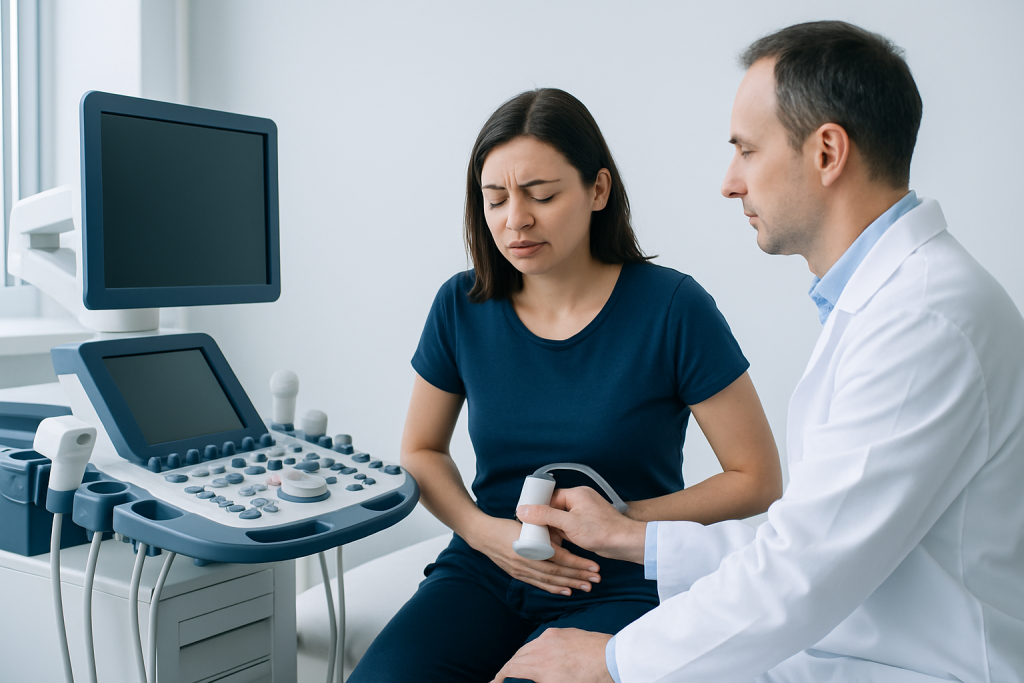
Not everyone describes menstrual-related bowel changes in the same way. Some notice a single day of softer stools, while others have repeated urgency, abdominal gurgling, cramping, or a feeling that the bowels are “more active” around the period.
Common associated symptoms may include:
- Loose stools or diarrhea near the start of menstruation
- More frequent bowel movements
- Lower abdominal cramping
- Bloating or pelvic pressure
- Nausea or reduced appetite
- Fatigue from menstrual discomfort and disrupted sleep
In many cases, the bowel symptoms follow a predictable pattern each month. That pattern is helpful information for a clinician, because it can suggest a hormone-related cause rather than an infection or another digestive problem.
Causes & Risk Factors
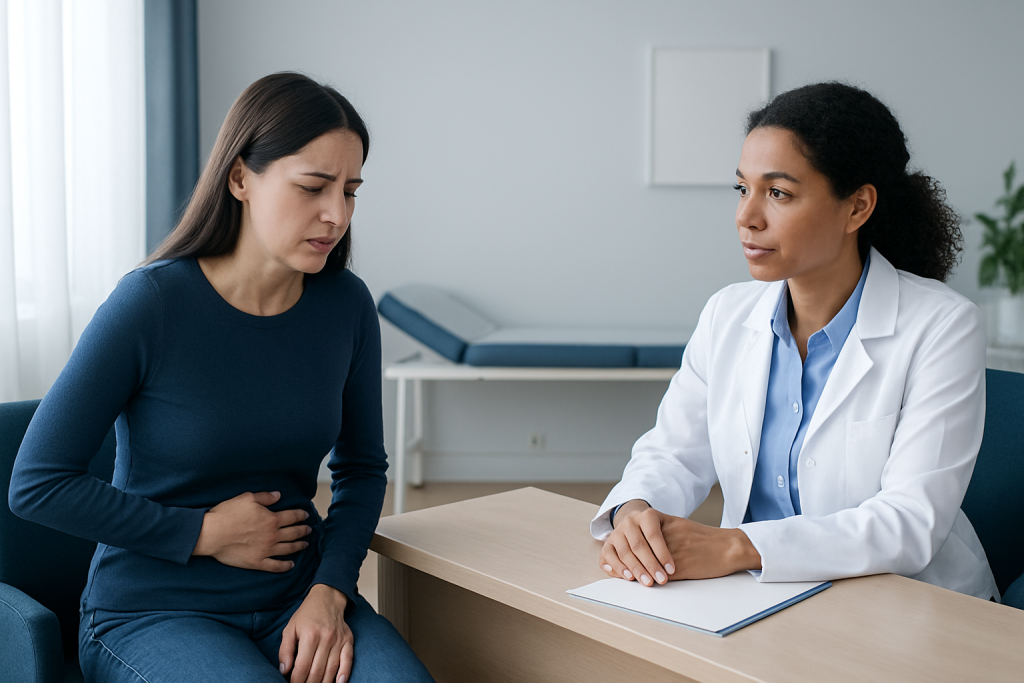
The main reason for diarrhea menstruation period symptoms is the rise and fall of hormones, especially prostaglandins. These hormone-like substances increase as the uterine lining breaks down, and they can also make the intestines contract more quickly, which gives the bowel less time to absorb water.
Other contributors may include changes in estrogen and progesterone, heightened sensitivity to pain during menstruation, and a stronger bowel response to foods, stress, or caffeine at that time of month. Some people are simply more prone to digestive upset when their cycle changes.
Certain conditions can make menstrual diarrhea more noticeable or more severe. These include:
- Irritable bowel syndrome, which can flare with hormonal shifts
- Endometriosis, which may cause bowel-related pain or cycle-linked digestive symptoms
- Pelvic inflammatory disease or other gynecologic disorders
- Food intolerances that become more obvious during menstruation
Risk is not always about a specific disease. A person with heavier cramps, higher stress levels, a history of digestive sensitivity, or irregular eating during periods may be more likely to notice loose stools during this time.
Diagnosis
There is no single test for ordinary menstrual diarrhea. Diagnosis usually starts with a careful history: when the symptoms occur, how long they last, whether they match the menstrual cycle, and whether there are warning signs such as blood, fever, weight loss, or pain outside the expected time window.
A clinician may ask about menstrual flow, cramping, bowel habits, diet, medications, recent travel, and any family history of digestive or gynecologic disease. A physical examination may be useful if pain is significant or if there are signs suggesting another condition.
Depending on the story, further testing may sometimes be recommended. This may include pregnancy testing, stool tests, blood work, pelvic examination, ultrasound, or referral to a gastroenterology or gynecology specialist. For international patients planning care abroad, bringing a symptom diary and any prior test results can make the first consultation much more efficient.
Treatment Options
Treatment depends on how disruptive the symptoms are and whether another cause is present. When diarrhea is mild and clearly tied to the menstrual cycle, management often focuses on comfort, hydration, and reducing bowel irritation rather than aggressive treatment.
Helpful approaches may include:
- Drinking enough fluids, especially water and oral rehydration solutions if stools are frequent
- Eating smaller, bland meals during the symptomatic days
- Limiting very fatty foods, heavy meals, alcohol, and excess caffeine
- Using warmth on the abdomen for cramping
- Resting when possible and keeping meals regular
Some people also discuss pain relief options with a doctor, since reducing period cramps can indirectly reduce the overall discomfort that comes with bowel symptoms. If an underlying condition such as endometriosis or IBS is present, treatment should be tailored to that diagnosis rather than to the diarrhea alone.
Prevention & Self-care
Not every episode can be prevented, but many people can reduce the intensity of symptoms by planning ahead. Keeping a simple cycle and symptom log can show whether certain foods, stress, sleep loss, or missed meals make the problem worse.
Self-care strategies often work best when started before symptoms peak. Regular hydration, balanced meals, gentle movement, and enough sleep can all support steadier digestion during the menstrual period. If a person knows the first two days of bleeding are usually the most difficult, preparing easy-to-digest food and staying close to a restroom can also reduce stress.
For people who travel for work or medical care, a small preparation plan can be helpful: carry oral rehydration packets, maintain a list of usual medications, and allow flexibility in the itinerary around the expected start of the period. Practical planning often makes symptoms feel less overwhelming, even when they cannot be fully avoided.
When to See a Doctor
Medical advice is appropriate when diarrhea is severe, lasts beyond the menstrual period, or appears with symptoms that do not fit a typical cycle pattern. It is especially important to seek evaluation if there is blood in the stool, fever, dehydration, fainting, significant weight loss, or persistent vomiting.
A doctor should also be consulted if menstrual diarrhea is new, much worse than usual, or linked to heavy bleeding, painful sex, pelvic pain between periods, or bowel pain that continues after menstruation ends. These details can point to conditions that need targeted treatment.
When symptoms interfere with daily life, a specialist review can bring clarity and reassurance. Acibadem Health Point’s multidisciplinary specialists and JCI-accredited hospitals diagnose and treat this condition for international patients, helping them coordinate evaluation, next steps, and follow-up with a qualified team.
Living With Period-Related Digestive Changes
For many people, the goal is not to “cure” a normal cycle-related symptom, but to make it predictable and manageable. Knowing that diarrhea may be part of the menstrual pattern can reduce anxiety, especially when it is paired with cramps and bloating.
The most useful approach is often a combination of observation and practical support. If symptoms stay mild and clearly linked to menstruation, self-care may be enough. If they become frequent, intense, or difficult to distinguish from another digestive disorder, a clinician can help identify the cause and decide whether gynecologic or gastrointestinal evaluation is needed.
With the right guidance, most people can move from uncertainty to a clear plan. That plan may be simple, but having it often makes each cycle easier to navigate.
Frequently asked questions
01Is diarrhea during the menstrual period normal?
Yes, it can be a normal cycle-related symptom for many people. It is commonly linked to prostaglandins and hormonal changes that affect the intestines. If the diarrhea is severe, persistent, or unusual for that person, it should be checked by a doctor.
02Why does diarrhea happen before or during a period?
As the uterus prepares to shed its lining, prostaglandins increase and can stimulate bowel contractions as well. This can make stools looser and bowel movements more frequent. Hormonal shifts may also increase digestive sensitivity at that time.
03Can menstrual diarrhea be a sign of endometriosis?
It can be, especially if it comes with severe pelvic pain, pain with bowel movements, pain during sex, or symptoms that continue outside the period. However, many people with menstrual diarrhea do not have endometriosis. A medical assessment is the best way to sort out the cause.
04What helps with diarrhea during the period?
Staying hydrated, eating smaller bland meals, and avoiding foods or drinks that irritate the bowel can help. Rest and heat may ease cramps, which can make the whole episode feel less intense. If symptoms are frequent, a clinician can suggest more targeted options.
05When is menstrual diarrhea not normal?
It is worth seeking medical advice if there is blood in the stool, fever, dehydration, significant pain, or diarrhea that continues after the period ends. New symptoms or a sudden change in the usual pattern also deserve evaluation. These features can suggest another digestive or gynecologic issue.
06Should a person change their diet around their period?
Some people feel better with lighter meals and fewer trigger foods during the days when symptoms usually appear. There is no one universal diet, so it helps to notice personal triggers such as caffeine, greasy foods, or large meals. A doctor or dietitian can help if symptoms are frequent or difficult to control.
This article is for general information only and is not a substitute for professional medical advice. Please consult a qualified doctor about your individual situation.
Persistent digestive symptoms? Get evaluated in Turkey
JCI-accredited · board-certified surgeons · reply within 24h
Add us as a Preferred Source to see more of our trusted health content across Google Search, AI Overviews and Discover.