

What Is Dental Implants Overseas? A Complete Medical Guide
- 12 min read
- Published November 27, 2026
Key Takeaways
- Dental implants overseas means traveling to another country for implant surgery and related dental care.
- Good outcomes depend on proper assessment, bone and gum health, and a clear treatment plan.
- Patients should understand the number of visits needed, healing time, and follow-up responsibilities before traveling.
- Not every patient is a suitable candidate for immediate implant placement or full-mouth treatment abroad.
- Careful provider selection, written records, and a plan for local follow-up reduce avoidable complications.
Dental implants overseas refers to receiving implant-based tooth replacement in another country, often to access experienced surgeons, coordinated care, or shorter waiting times. Understanding the full process, from consultation to aftercare, helps patients plan safely and make realistic decisions.
Overview
Dental implants overseas means a patient travels to another country to receive one or more dental implants, instead of having the procedure performed at home. For many people, the appeal is practical: access to a team experienced in implant dentistry, a coordinated treatment pathway, or a schedule that fits better with work and family commitments.
An implant is a small post, usually made of titanium or zirconia, that is placed into the jaw to support a replacement tooth, bridge, or denture. The concept is straightforward, but the care is not a single appointment. It involves examination, imaging, surgical placement, a healing phase, and then the attachment of the final restoration. When treatment is planned abroad, each of these steps needs to be mapped carefully so the patient knows what will happen before travel, during the stay, and after returning home.
People often compare options by cost, convenience, or specialist availability. Those are valid considerations, but they should not replace a proper clinical assessment. The best candidates for overseas implant care are usually those who have stable general health, realistic expectations, and enough time for healing and follow-up.
How the treatment journey usually works
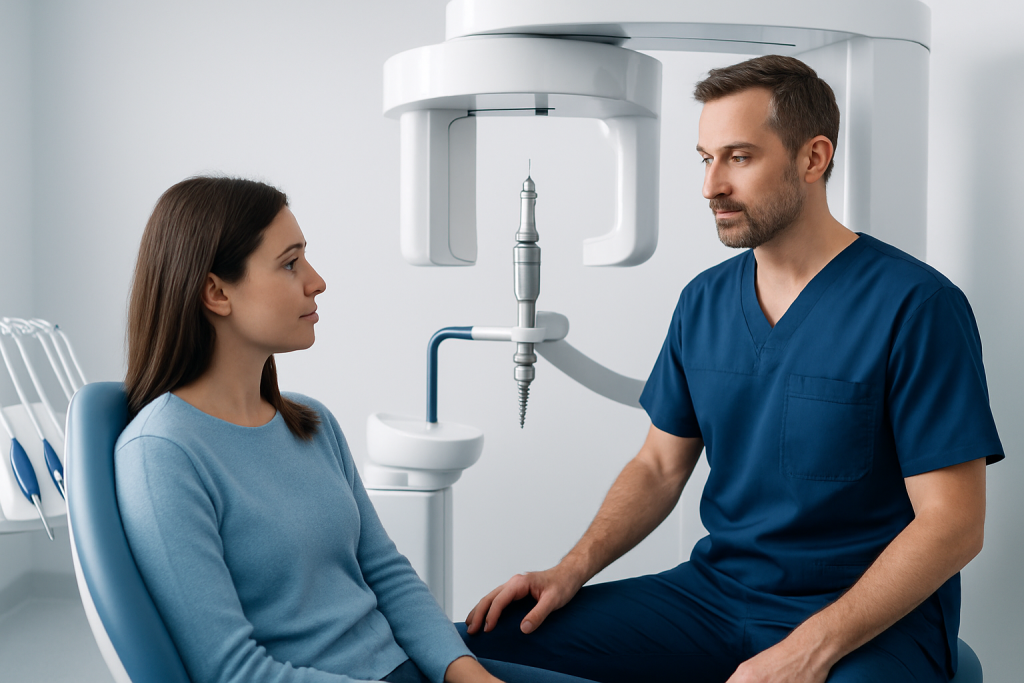
The pathway for dental implants overseas often begins before the patient leaves home. A clinic may request dental records, photographs, panoramic X-rays, or CBCT scans to assess bone volume, gum condition, bite alignment, and the number of teeth being replaced. This early review helps the team decide whether implants are likely to be suitable and whether any preparatory treatment is needed.
On arrival, the patient usually has an in-person consultation and final imaging if required. The dental team confirms the plan, explains the sequence of care, and reviews any medical issues that may affect healing, such as smoking, diabetes, blood-thinning medication, or a history of gum disease. In some cases, teeth are removed first, bone grafting is performed, or temporary teeth are provided while the implant site heals.
The surgery itself is often done under local anesthesia, sometimes with sedation depending on the patient and the procedure. After placement, the implant must integrate with the bone in a process called osseointegration. This phase typically takes time, which means some patients need one trip for surgery and another later trip for the final crown, bridge, or denture. Others may be suitable for staged treatment in a shorter series of visits, but this depends on the mouth and the overall plan.
Who may be a good candidate

Not everyone who wants implant treatment is an ideal candidate for overseas care. A good candidate usually has enough healthy bone, or bone that can be predictably rebuilt, along with gums that can support long-term oral health. The patient should also be able to keep the implant area clean and attend follow-up appointments after returning home.
General health matters as much as the teeth themselves. Conditions that slow healing, increase infection risk, or affect bone metabolism may influence whether implants are recommended, and if so, how they should be timed. In many cases, implant treatment remains possible, but the plan may need to be more gradual and closely coordinated with the patient’s physician or local dentist.
People considering treatment abroad should also think practically. Can they stay long enough for review appointments? Can they manage limited chewing during healing? Do they have a dentist at home who is willing to help with maintenance if needed? These questions are not obstacles so much as part of planning a safe and durable result.
- Suitable candidates often have controlled medical conditions and good oral hygiene.
- Heavy smoking, untreated gum disease, and poor bone support may complicate treatment.
- Complex full-mouth cases usually need more planning than a single-tooth implant.
Benefits and limitations
One reason patients look into dental implants overseas is the chance to receive care from a team that performs implant treatment frequently and offers several disciplines in one setting. This can be helpful when a case needs oral surgery, prosthodontic planning, gum treatment, and imaging support rather than a simple single-step procedure. For international patients, having these services coordinated can reduce confusion and help the treatment move in a more organized way.
Another practical advantage is the ability to combine consultation, diagnostics, and surgery within a structured itinerary. This can be especially useful for patients traveling from regions where specialist implant care is harder to arrange quickly. Some patients also appreciate receiving treatment in a modern facility that is accustomed to international communication and documentation.
Still, overseas care has limitations. Healing cannot be rushed simply because travel plans are fixed. If a complication develops, the patient may need additional appointments, either abroad or back home. That is why a strong treatment plan should include what happens if the bone does not integrate as expected, if a temporary restoration needs adjustment, or if maintenance is required after the patient returns home.
Risks and possible complications
Dental implant surgery is widely used and often successful, but it is still a medical procedure and carries risks. Short-term issues may include swelling, bruising, discomfort, minor bleeding, or temporary sensitivity. More significant complications can include infection, implant failure, nerve irritation, sinus-related problems in the upper jaw, or poor healing around the implant site.
When treatment is done overseas, the main challenge is not only the procedure itself but also continuity of care. If records are incomplete, if the treatment plan changes unexpectedly, or if there is no clear local follow-up, the patient may find it harder to address concerns promptly. For that reason, documentation should be kept carefully, including implant brand information, surgical notes, imaging reports, and the timeline for restoration.
Risk can often be reduced by selecting a clinic that performs a thorough assessment, explains alternatives, and is transparent about the need for staged treatment. Patients should also be cautious of any clinic that promises fast results without explaining why their mouth is suitable for immediate loading, full-mouth reconstruction, or grafting-free treatment. Reliable implant care is measured by planning and biological healing, not by speed alone.
Diagnosis and treatment planning before travel
The most important part of overseas implant care often happens before the flight is booked. A careful diagnosis helps the team determine where the implants will go, whether bone grafting is needed, whether any teeth need to be removed, and whether a bridge or denture might be a better option in certain areas. Imaging and clinical measurements guide this process.
Patients are usually asked about medications, chronic diseases, smoking, jaw pain, previous dental work, and past infections. This information matters because implant success depends on more than one factor. A tooth replacement plan must fit the bite, the gum line, the available bone, and the patient’s ability to maintain the area after surgery.
A good plan also includes timing. Some procedures require a single visit for implant placement, while others need temporary restorations and a return visit months later for the final teeth. When traveling internationally, the patient should know exactly which stages will occur abroad, which can happen at home, and what signs would require a review before the final restoration is made.
Recovery, self-care, and follow-up
Recovery after implant surgery usually involves a period of gentle healing. Patients are typically advised to eat soft foods for a short time, keep the area clean as instructed, and avoid habits that may disturb healing. The mouth may feel tender for a few days, and the team may provide guidance on oral hygiene and activity restrictions based on the specific procedure.
Follow-up is especially important for dental implants overseas because the patient may return home before the treatment is complete. The clinic should explain when a review is needed, what symptoms are expected, and what symptoms are not. Good aftercare is not only about comfort; it helps protect the implant while the surrounding bone and gum tissue settle around it.
Long-term maintenance matters as much as the surgery. Implants need daily cleaning, regular dental check-ups, and management of gum inflammation if it appears. Patients should tell their local dentist that they have implants and keep a personal copy of the treatment details. That record makes future care easier, whether the next step is a crown adjustment, a cleaning, or a routine oral health examination.
- Follow the clinic’s instructions for cleaning and eating after surgery.
- Attend all planned reviews, even if the mouth feels comfortable.
- Keep the implant card, imaging, and procedure notes in a safe place.
- Ask in advance who to contact if pain, swelling, or loosening occurs after travel.
When to see a doctor
Patients should contact a dentist or doctor if pain becomes stronger instead of easing, if swelling increases after the first few days, or if there is persistent bleeding, fever, or an unpleasant taste or discharge around the implant site. These symptoms do not always mean a serious problem, but they deserve prompt attention.
It is also wise to seek advice if an implant feels loose, if the temporary or final tooth does not fit properly, or if chewing becomes difficult after the expected recovery period. In patients traveling internationally, early communication is especially useful because it can help the original surgical team decide whether the issue can be managed remotely or needs an in-person review.
People who are still planning treatment should ask for a clear explanation of what is included before they travel. If the clinic cannot provide a sensible diagnostic workup, a realistic timeline, and a follow-up plan, it may be better to pause and seek a second opinion. In international care, clarity is a form of safety.
Acibadem Health Point’s multidisciplinary specialists and JCI-accredited hospitals diagnose and treat dental implant cases for international patients, with coordination designed to support each stage of the journey.
How to choose a clinic abroad
Choosing a clinic for dental implants overseas is not only about the procedure itself; it is about whether the whole pathway feels organized, transparent, and medically sound. A strong clinic will explain the diagnosis, alternatives, expected number of visits, recovery time, and what happens if a graft, sinus lift, or staged approach is needed. It will not pressure the patient into a decision before the mouth has been properly assessed.
Patients should look for clear communication about the dentist’s qualifications, the type of imaging used, the brand and documentation of the implant system, and how follow-up care is handled once the patient returns home. International patients also benefit from clinics that are used to coordinating records, interpreters, and travel timing without making assumptions about the patient’s local dental support.
In practical terms, a good overseas implant plan should feel predictable rather than rushed. If the clinic encourages questions, shares written instructions, and discusses realistic healing intervals, that is usually a positive sign. If it offers a shortcut that seems too simple for a complex mouth, caution is sensible.
Living with implants after treatment
Once the implant has healed and the final restoration is fitted, daily care becomes the foundation of long-term success. Implants do not get cavities, but the surrounding gums can still become inflamed, and that inflammation can affect stability over time. Regular cleaning, flossing or interdental cleaning as recommended, and routine professional check-ups are important.
Patients who return home after treatment abroad should continue seeing a dentist for maintenance. The local dentist may not have performed the surgery, but they can still assess the health of the implant, clean around it, and identify issues early. That collaboration is often what makes overseas treatment work well in the long run.
It is also helpful to remember that implant restorations may need adjustment over time, just like natural teeth may need care. A bite check, a screw tightening, or a replacement crown can sometimes be part of normal maintenance. When patients understand that implant treatment is a long-term partnership rather than a one-time event, they are better prepared to protect their result.
Frequently asked questions
01What does dental implants overseas mean?
It refers to traveling to another country to have dental implant treatment instead of receiving it locally. The care may include consultation, imaging, surgery, and the final tooth restoration, depending on the patient’s plan.
02Are dental implants abroad safe?
They can be safe when the clinic performs a proper assessment, uses appropriate imaging, and provides clear follow-up instructions. Safety depends more on the quality of planning and aftercare than on the country itself.
03How many trips are usually needed?
That depends on the treatment plan. Some patients need one trip for implant placement and another later for the final restoration, while others may need additional visits if bone grafting or staged healing is required.
04Who should be cautious about implant treatment overseas?
People with uncontrolled medical conditions, active gum disease, heavy smoking habits, or complex oral health problems should be especially careful. They may still be candidates, but they often need more detailed planning and follow-up.
05What should a patient ask before booking?
They should ask how the diagnosis was made, how many visits are required, what implant system is being used, and what follow-up will look like after returning home. It is also helpful to ask what happens if healing takes longer than expected.
06Can a local dentist help after treatment abroad?
Yes, in many cases a local dentist can assist with hygiene, monitoring, and some adjustments. Sharing the implant records, imaging, and procedure notes makes that support much easier.
This article is for general information only and is not a substitute for professional medical advice. Please consult a qualified doctor about your individual situation.
Explore treatments in Turkey — costs, top hospitals & a free quote
JCI-accredited · board-certified surgeons · reply within 24h
Add us as a Preferred Source to see more of our trusted health content across Google Search, AI Overviews and Discover.


How can we help you today?
Meet an Acibadem specialist by secure video, before you travel.
Book a video visit