

What Is Constipation Pre Menstruation? A Complete Medical Guide

Key Takeaways
- Constipation before a period is often related to hormonal changes, especially shifts in progesterone and prostaglandins.
- Symptoms may include fewer bowel movements, hard stools, bloating, and a feeling of incomplete emptying.
- Diet, hydration, movement, and stress management can help many people manage monthly digestive changes.
- Severe pain, blood in the stool, vomiting, or a sudden change from a usual pattern should be checked by a doctor.
- If symptoms are frequent or disruptive, a clinician can look for conditions such as IBS, thyroid issues, or pelvic disorders.
Constipation pre menstruation is a common digestive change linked to normal hormone shifts before a period. It often improves once menstruation begins, but persistent or severe symptoms may need medical review.
Overview
Constipation pre menstruation means bowel movements become slower, harder, or less frequent in the days before a period. For many people, this is a temporary part of the menstrual cycle rather than a separate illness.
The pattern often appears in the late luteal phase, when hormone levels are shifting in preparation for menstruation. Because the digestive tract is sensitive to these changes, some people notice bloating, gas, and an uneasy sense that the bowels are “not moving as usual.”
Although the symptom can be frustrating, it is usually manageable. The most useful first step is to connect the timing of bowel changes with the menstrual calendar, because that makes it easier to distinguish a cycle-related pattern from ongoing constipation that has another cause.
Symptoms
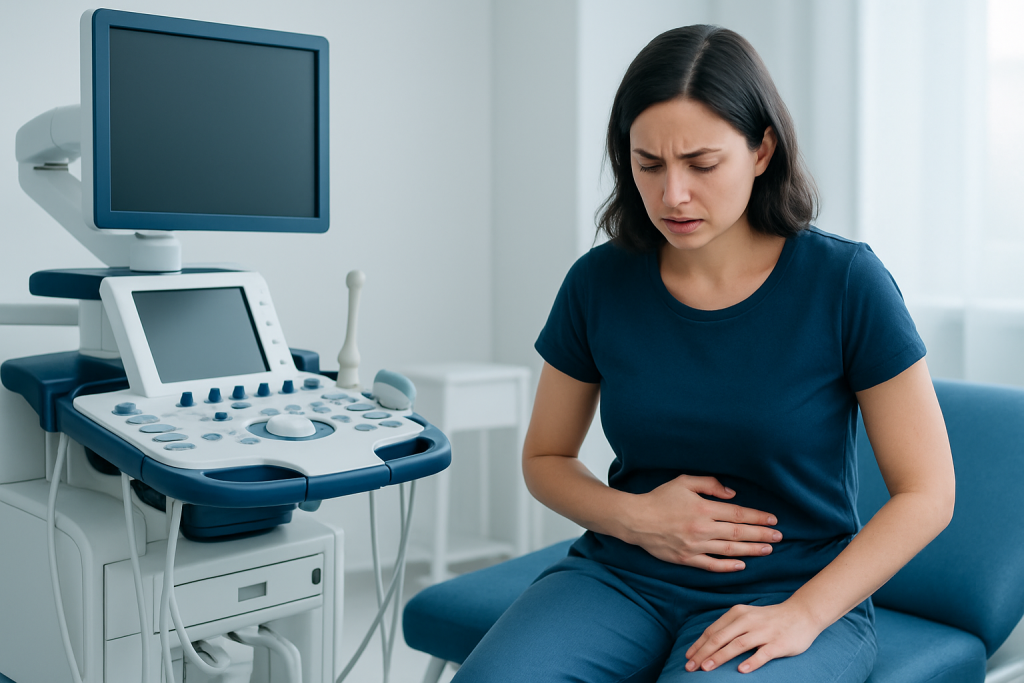
Constipation before a period can look slightly different from person to person, but the core pattern is usually a reduction in bowel frequency or stool softness. Some people still pass stool every day but feel incomplete, while others go several days without a bowel movement.
Common symptoms include hard or dry stools, straining, abdominal fullness, bloating, cramping, and discomfort that improves after a bowel movement. Some people also notice that their appetite changes at the same time, which can make regular eating patterns less consistent and contribute further to constipation.
It is also common for symptoms to overlap with other premenstrual changes. Bloating, breast tenderness, mood shifts, and pelvic heaviness may occur at the same time, which can make it harder to tell which symptom comes from the digestive tract and which comes from the menstrual cycle.
Causes & Risk Factors
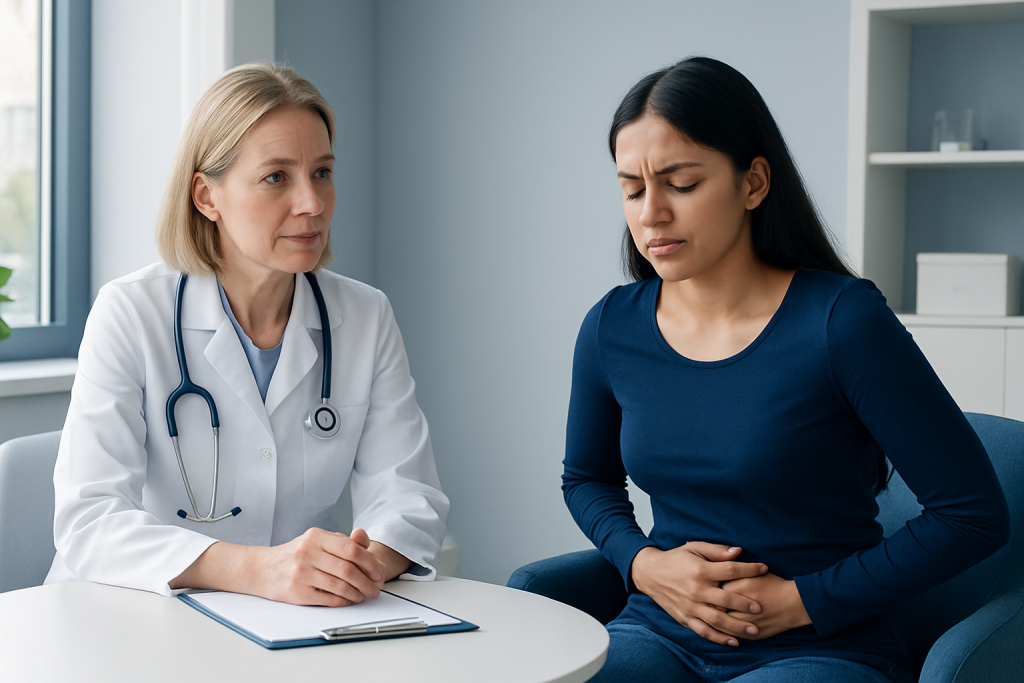
The main reason constipation pre menstruation happens is the body’s changing hormone environment. Progesterone rises after ovulation and can slow intestinal movement in some people, allowing stool to spend longer in the colon, where more water is absorbed and the stool becomes harder.
Prostaglandins, which increase around menstruation, can affect the gut in the opposite direction for some people and may contribute to cramping or looser stools once bleeding starts. This is why bowel habits can feel inconsistent across the month: one phase may bring constipation, while another may bring more urgent stools.
Certain factors can make the problem more noticeable:
- A tendency toward irritable bowel syndrome
- Low fluid intake
- Lower fiber intake during busy or stressful days
- Reduced activity before a period
- Stress, poor sleep, or travel
- Iron supplements, some pain medicines, and other constipating medications
In some cases, constipation that seems tied to the menstrual cycle may also be influenced by an underlying condition such as hypothyroidism, endometriosis, or chronic constipation unrelated to hormones. That is why a pattern that is new, severe, or changing deserves attention.
Diagnosis
Doctors usually diagnose constipation pre menstruation by listening carefully to the symptom pattern and timing. They may ask whether bowel changes occur only in the days before a period, whether they improve after menstruation begins, and whether there are any warning signs such as bleeding or unintended weight loss.
A physical exam may be enough when the history clearly fits a monthly pattern. If symptoms are persistent, a clinician may consider blood tests, stool evaluation, or other checks to look for anemia, thyroid problems, inflammatory disease, or another digestive issue.
Keeping a simple symptom diary can be very helpful. Recording bowel frequency, stool consistency, period dates, pain levels, and foods that seem to worsen symptoms can give the doctor a clearer picture, especially for someone seeking care while traveling or arranging an international appointment.
Treatment Options
Treatment depends on how severe the symptoms are and whether they follow a predictable cycle. For mild, recurring constipation pre menstruation, the first approach is usually conservative: improve fluid intake, keep meals regular, and support bowel movements with gentle lifestyle changes.
When self-care is not enough, a doctor may suggest short-term constipation treatments that are appropriate for the person’s health history. These may include over-the-counter options or prescription medicines, but the right choice depends on age, other conditions, current medications, and whether there are symptoms that need further investigation.
If another condition is contributing, treatment may focus on that underlying cause. For example, managing irritable bowel syndrome, adjusting an iron supplement, or treating a hormonal or pelvic disorder may reduce the monthly constipation pattern more effectively than treating symptoms alone.
Prevention & Self-care
Small routine changes often make the biggest difference. Regular hydration, enough dietary fiber, and a predictable meal schedule can help the bowel move more consistently across the menstrual cycle. Many people also find that walking, stretching, or light exercise reduces bloating and supports digestion.
Useful habits may include:
- Drinking water steadily through the day
- Eating fiber-rich foods such as oats, fruit, vegetables, beans, and whole grains
- Adding movement most days of the week
- Not ignoring the urge to use the bathroom
- Reviewing medications with a clinician if constipation is frequent
- Not making major diet changes right before travel or menstruation if the gut is sensitive
Stress can also affect bowel habits, so sleep, relaxation, and a calmer routine around the premenstrual phase may help. For people who travel for work or medical care, keeping to a familiar bowel routine and carrying doctor-recommended remedies can make symptoms easier to manage away from home.
When to See a Doctor
Medical review is a good idea when constipation becomes painful, lasts beyond the premenstrual days, or starts interfering with daily life. A clinician should also be contacted if bowel habits change suddenly after being stable for a long time.
Prompt assessment is especially important if constipation comes with vomiting, severe or localized abdominal pain, fever, blood in the stool, black stools, unexplained weight loss, or a swollen abdomen that does not settle. These signs do not always mean something serious, but they should be evaluated rather than watched at home.
People who suspect endometriosis, IBS, thyroid disease, or another ongoing condition may benefit from a more complete workup. Acibadem Health Point’s multidisciplinary specialists and JCI-accredited hospitals diagnose and treat digestive and women’s health conditions for international patients, helping coordinate care when follow-up may need to continue across countries.
Living With a Monthly Pattern
When constipation follows a monthly rhythm, the goal is not only relief but predictability. Understanding the timing can reduce worry and make it easier to prepare with food, hydration, and a bowel routine before symptoms become uncomfortable.
Some people find that their symptoms are mild and manageable with home measures. Others need a clinician’s help to separate normal menstrual-cycle changes from a digestive disorder that deserves treatment. Either way, the condition is common, understandable, and worth discussing if it affects comfort or confidence.
For patients comparing care options from abroad, a clear symptom history, recent medication list, and notes about menstrual timing can make the first consultation more efficient and help the medical team focus on the most likely causes.
Frequently asked questions
01Is constipation before a period normal?
Yes, it can be a normal menstrual-cycle symptom for many people. Hormonal changes before menstruation may slow the bowel temporarily, so constipation often improves once the period starts.
02Why does constipation happen before menstruation?
A major reason is the rise and fall of reproductive hormones, especially progesterone, which can slow digestion in some people. Water intake, activity level, stress, and diet may also make the symptom more noticeable.
03How can constipation pre menstruation be relieved at home?
Regular fluids, fiber-rich foods, gentle exercise, and a consistent bathroom routine can help. If a doctor has already recommended a safe laxative or stool-softening strategy, it may be used as directed.
04Can period constipation and IBS feel similar?
Yes, they can overlap. IBS symptoms may also change with the menstrual cycle, so a doctor may ask about bowel patterns across the whole month to tell the difference.
05When should constipation before a period be checked by a doctor?
It should be checked if it is severe, long-lasting, or comes with blood in the stool, vomiting, fever, unexplained weight loss, or strong abdominal pain. A new or changing pattern also deserves medical review.
06Does constipation before menstruation mean there is a hormonal problem?
Not necessarily. Many healthy people have bowel changes linked to the menstrual cycle. A hormonal or medical problem is more likely if the constipation is persistent, severe, or happens outside the usual premenstrual window.
This article is for general information only and is not a substitute for professional medical advice. Please consult a qualified doctor about your individual situation.
Persistent digestive symptoms? Get evaluated in Turkey
JCI-accredited · board-certified surgeons · reply within 24h
Add us as a Preferred Source to see more of our trusted health content across Google Search, AI Overviews and Discover.


