What Is Bowel Cleanse? A Complete Medical Guide

Key Takeaways
- A bowel cleanse usually refers to medical bowel preparation, not a general detox routine.
- It is commonly used before colonoscopy, surgery, or certain imaging tests.
- Symptoms such as bloating, constipation, or diarrhea can reflect many different conditions and should be assessed if persistent.
- Many home cleanse products can cause dehydration, electrolyte changes, or medication interactions.
- A doctor can recommend the safest bowel preparation based on age, medicines, kidney function, and procedure type.
A bowel cleanse is most commonly a medically directed bowel preparation used to empty the intestines before a colonoscopy or certain procedures. It is not the same as vague over-the-counter “detox” cleanses, and the safest approach depends on the reason for treatment and a person’s health history.
Overview
A bowel cleanse is a broad term, but in medical care it most often means preparing the intestines so they are empty before a colonoscopy or another procedure. This is usually called bowel preparation. The goal is not to “detox” the body; it is to give the clinician a clear view of the colon or to make a procedure safer and more effective.
People sometimes use the phrase bowel cleanse to describe teas, supplements, colon irrigation, fasting plans, or detox regimens sold online. Those approaches are very different from a doctor-supervised bowel preparation. Some are unnecessary, and others can be risky if they lead to dehydration or interfere with prescribed medication.
For international patients planning care abroad, understanding the difference matters. A medical team may ask about current symptoms, medications, kidney or heart conditions, prior constipation, and past bowel prep experiences before recommending a method. That background helps tailor the preparation so it is as comfortable and reliable as possible.
Symptoms and reasons people look into a bowel cleanse
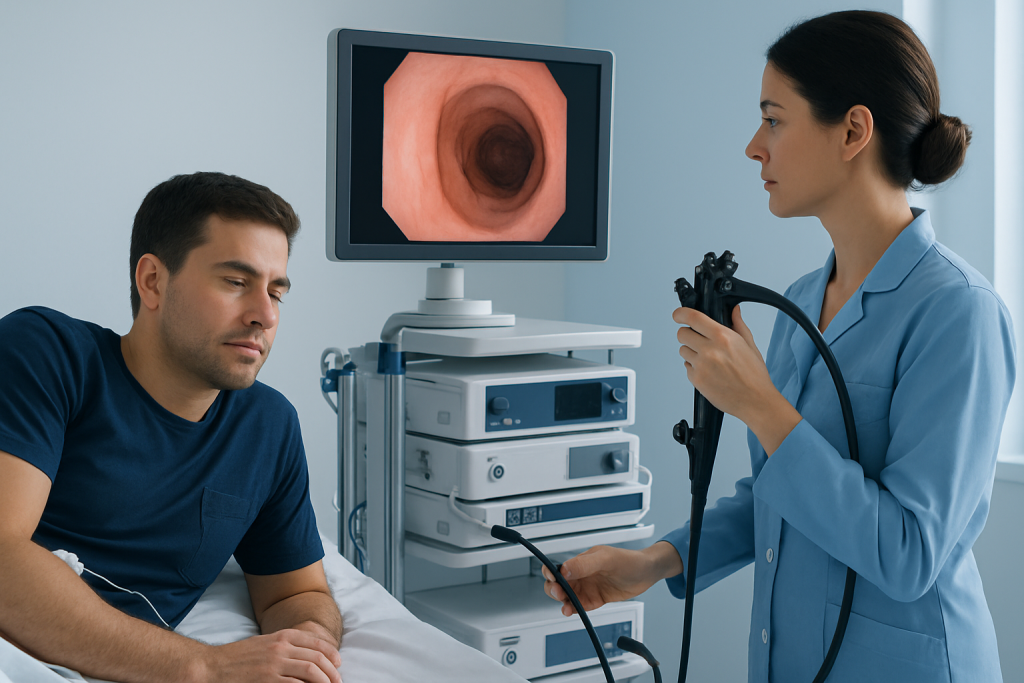
People often search for bowel cleanse because they are feeling bloated, constipated, “backed up,” or generally uncomfortable after diet changes or travel. Others are preparing for a colonoscopy and want to know what the cleansing process involves. In everyday language, the term may also come up after a heavy meal or during a period of digestive sluggishness.
It is important to separate temporary discomfort from a symptom pattern that needs medical attention. Occasional constipation can happen with travel, low fluid intake, less movement, stress, or a change in routine. However, ongoing constipation, diarrhea, abdominal pain, blood in the stool, unexplained weight loss, or a new change in bowel habits deserves proper evaluation rather than self-treatment with cleanse products.
Common reasons a medical team recommends bowel preparation include:
- Before colonoscopy or sigmoidoscopy
- Before some abdominal surgeries
- Before certain imaging studies or procedures
- To reduce stool burden when a complete bowel emptying is required
Causes and risk factors for needing bowel preparation
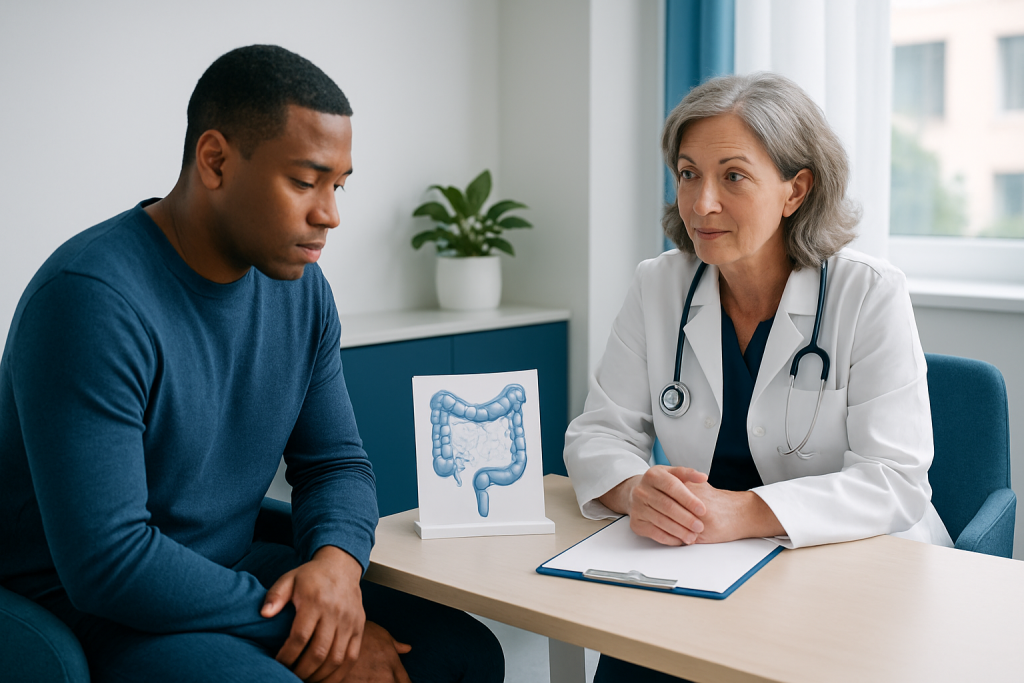
The need for bowel preparation is driven by the procedure, not by a diagnosis of “dirty intestines.” Colonoscopy, for example, requires a clean lining so that small polyps, inflammation, or bleeding sources can be seen clearly. If stool remains in the colon, important findings may be missed and the procedure may need to be repeated.
Some people are more likely to have a difficult prep or slower bowel emptying. Older adults, people with chronic constipation, those taking opioid pain medicines, and patients with certain neurologic or metabolic conditions may need individualized instructions. Dehydration, low-fiber diets, limited mobility, and recent illness can also affect how well the bowel empties.
Kidney disease, heart failure, electrolyte problems, pregnancy, and a history of bowel obstruction or inflammatory bowel disease are especially relevant. In those settings, a clinician may choose a different product, timing, or fluid plan to reduce risk. This is one reason a one-size-fits-all cleanse is not a good idea.
How doctors diagnose the need for a cleanse
Doctors do not usually diagnose “bowel cleanse” as a disease. Instead, they determine whether bowel preparation is needed for a procedure or whether symptoms suggest an underlying digestive condition. The assessment often starts with a conversation about stool pattern, abdominal pain, diet, medicines, travel, and previous colonoscopy experience.
If a patient has constipation or other bowel complaints, the clinician may review whether there are warning signs that call for testing. Depending on the situation, examination may include blood work, stool tests, or imaging. For procedure planning, the doctor may ask about allergies, diabetes medicines, blood thinners, kidney function, and prior difficulty tolerating prep liquids.
International patients should bring a current medication list and any recent test results if available. Because bowel preparation instructions can differ by country, hospital, and procedure type, clear communication before travel can prevent delays and improve the experience once care begins.
Treatment options and common bowel preparation methods
Medical bowel preparation usually relies on a prescribed cleansing solution, clear-liquid instructions, and timing guidance tailored to the procedure. The exact method depends on the test, the patient’s health, and the clinician’s preference. Some preparations are taken the day before the procedure; others use a split-dose plan, which means part is taken the evening before and part on the day of the exam.
Commonly used approaches include polyethylene glycol-based solutions, stimulant laxatives, or other clinician-selected preparations. These are designed to move stool out of the colon while maintaining safety. In some cases, additional tablets or a low-residue diet may be recommended before the prep begins.
What matters most is following the instructions exactly. Drinking enough clear liquids, finishing the preparation on schedule, and knowing when to pause certain medicines are often the keys to success. A doctor may also advise adjustments for diabetes, anticoagulants, iron supplements, or medications that can worsen dehydration.
It is usually best to avoid self-prescribing “detox” products, herbal cleanses, or aggressive enemas unless a clinician specifically recommends them. These may not clean the colon effectively and can create avoidable problems. If a patient struggles to finish the prep because of nausea or taste, the care team can often suggest practical ways to make it more tolerable.
Prevention and self-care
For people hoping to prevent constipation or reduce the likelihood of needing urgent bowel-related care, day-to-day habits are often more helpful than cleanse products. A balanced diet with adequate fiber, regular fluids, movement, and consistent bathroom habits can support normal bowel function. Travel days, stress, and changes in sleep can all affect digestion, so routine matters.
Self-care should stay gentle. Increasing fiber too quickly can worsen bloating in some people, and laxatives should not become a long-term habit without medical advice. If constipation is recurring, the underlying cause may be medication-related, dietary, hormonal, or structural, and treating that cause is more effective than repeated cleansing.
For patients preparing for a procedure, practical self-care can make a big difference:
- Start any diet changes exactly when instructed
- Keep approved clear liquids nearby
- Arrange time off work and easy bathroom access
- Ask in advance how to handle regular medicines
- Plan for a companion if sedation is involved
When to see a doctor
A doctor should be consulted before starting any bowel cleanse product if there is kidney disease, heart disease, diabetes, pregnancy, inflammatory bowel disease, severe constipation, or a history of bowel obstruction. The same applies if the patient takes multiple medicines, especially diuretics, blood thinners, insulin, or opioid pain relievers. Medical guidance is the safest way to avoid dehydration or an inadequate preparation.
Prompt medical advice is also important if bowel symptoms are new, persistent, or accompanied by blood in the stool, fever, vomiting, significant abdominal pain, unexplained weight loss, or inability to pass stool or gas. These symptoms are not typical “cleanse” concerns and may need evaluation.
For people traveling for a colonoscopy or related procedure, it is reasonable to ask the destination hospital how they prefer the prep to be handled before arrival. Acibadem Health Point’s multidisciplinary specialists and JCI-accredited hospitals diagnose and treat digestive conditions for international patients, including medically supervised bowel preparation when appropriate.
Living with digestive symptoms while waiting for evaluation
If a bowel cleanse is being considered because of discomfort, the period before evaluation can feel frustrating. Still, it is usually better to avoid escalating to harsh products without knowing the cause. Mild diet adjustments, adequate hydration, and a clear record of symptoms can help the doctor understand the pattern more accurately.
Keeping note of stool frequency, stool appearance, pain, bloating, and triggers such as travel or certain foods can be useful. This information helps distinguish simple constipation from a broader digestive issue. If symptoms change quickly, do not wait for a scheduled visit; contact a clinician sooner.
In most cases, the safest bowel cleanse is the one selected for a specific medical purpose and matched to the person’s health profile. When the plan is individualized, it is generally more effective and more comfortable than a generic over-the-counter approach.
Frequently asked questions
01What does bowel cleanse usually mean in medicine?
In medical settings, bowel cleanse usually means bowel preparation: a planned process to empty the colon before a procedure such as colonoscopy. It is not the same as commercial detox products or unproven cleansing regimens. The exact method is chosen by a doctor based on the procedure and the patient’s health.
02Is a bowel cleanse the same as a colon cleanse?
The terms are often used interchangeably by the public, but they do not always mean the same thing. Medical bowel preparation is evidence-based and tied to a specific procedure. Colon cleanse products sold for general wellness may not be necessary and can sometimes cause harm.
03Can a bowel cleanse help with constipation?
A bowel preparation may temporarily empty the bowels, but it is not the best long-term solution for constipation. Recurrent constipation needs evaluation because causes can include diet, medications, low fluid intake, reduced activity, or an underlying medical problem. A doctor can recommend a safer, more appropriate plan.
04Are over-the-counter cleanse kits safe?
Some products may be tolerated by healthy adults, but they can still cause dehydration, cramping, or electrolyte changes. They may also interact with medicines or be unsuitable for people with kidney, heart, or digestive conditions. It is wise to check with a clinician before using any cleanse product.
05Why is bowel preparation so important before a colonoscopy?
A clean colon lets the doctor see the lining clearly and find small abnormalities that might otherwise be hidden by stool. If the preparation is poor, the test may be less accurate or need to be repeated. Following the instructions closely helps improve the quality of the exam.
06What should a patient ask before traveling for a bowel preparation and procedure?
They should ask which preparation to use, when to start it, which medicines to pause or continue, and what foods and fluids are allowed. It is also useful to confirm where to collect the preparation and what to do if nausea or vomiting makes it hard to finish. Clear planning before travel reduces stress and last-minute changes.
This article is for general information only and is not a substitute for professional medical advice. Please consult a qualified doctor about your individual situation.
Medical weight-loss options in Turkey — costs & eligibility
JCI-accredited · board-certified surgeons · reply within 24h
Add us as a Preferred Source to see more of our trusted health content across Google Search, AI Overviews and Discover.