What Is Bad Children’s Teeth? A Complete Medical Guide

Key Takeaways
- Bad children's teeth is not a diagnosis; it usually describes tooth decay, enamel damage, or other oral health problems.
- Early signs can include white spots, brown staining, bad breath, pain when eating, or sensitivity to hot, cold, or sweet foods.
- Common causes include frequent sugar exposure, plaque buildup, poor brushing habits, enamel weakness, and inherited factors.
- A pediatric dentist can assess whether the problem needs cleaning, fluoride, fillings, crowns, sealants, or orthodontic review.
- Regular brushing, healthy eating habits, and routine dental visits are the best ways to prevent many childhood dental problems.
Bad children's teeth is a broad phrase people often use for visible decay, sensitivity, discoloration, or other dental problems in a child’s mouth. In medical terms, it may point to tooth decay, enamel defects, gum issues, trauma, or bite and alignment concerns that deserve prompt dental attention.
Overview
When parents search for bad children’s teeth, they are usually trying to understand why a child’s teeth look damaged, discolored, painful, or unusually fragile. In everyday language, this phrase can cover several different dental issues, but the most common one is tooth decay. It can also reflect enamel weakness, staining, gum inflammation, or problems linked to injury or tooth alignment.
Children’s teeth are not simply smaller versions of adult teeth. They are still developing, and their enamel can be more vulnerable to acid, frequent snacking, and inconsistent brushing. That is why even mild-looking changes, such as a chalky white spot or a child avoiding one side while chewing, may be early warning signs rather than minor cosmetic concerns.
The reassuring part is that many childhood dental problems are manageable when found early. A pediatric dentist can identify the cause, explain whether the issue is temporary or progressive, and guide families toward treatment that fits the child’s age, comfort level, and oral development.
Symptoms
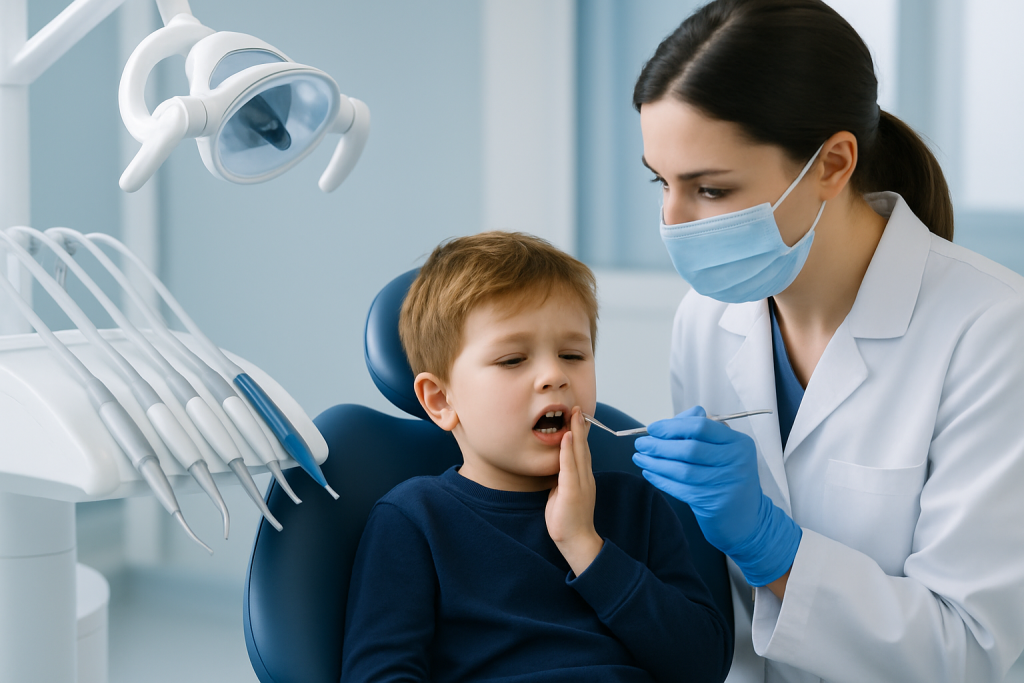
Bad children’s teeth may show up in a way that is easy to miss at first. Some children do not complain of pain until decay has already reached deeper layers of the tooth, which is why parents often notice visible changes before the child says anything is wrong.
Possible signs include:
- White, brown, or black spots on the teeth
- Visible holes, pits, or chipped areas
- Tooth sensitivity to cold, hot, or sweet foods
- Pain when chewing or brushing
- Persistent bad breath
- Swollen, red, or bleeding gums
- Food getting stuck between teeth more often than usual
- Reluctance to eat on one side of the mouth
Behavior can also provide clues. A younger child may become irritable while eating, wake at night, or touch the face or jaw repeatedly. Older children may avoid crunchy foods, prefer only soft foods, or complain that a tooth “feels funny” without being able to describe the problem clearly.
Not every discoloration means decay, and not every ache means a cavity. However, any persistent change in a child’s teeth, gums, or chewing pattern is worth professional evaluation, especially if it is affecting sleep, eating, or school-day comfort.
Causes & Risk Factors

Most cases of bad children’s teeth begin with plaque, a sticky film of bacteria that feeds on sugars and produces acid. Over time, that acid can weaken enamel and create cavities. In children, this process can move quickly because baby teeth have thinner enamel than permanent teeth.
Several everyday habits can increase the risk:
- Frequent sipping of sweet drinks, juice, or flavored milk
- Snacking often throughout the day without giving teeth a break
- Brushing too quickly or inconsistently
- Not using fluoride toothpaste as advised by a dentist
- Going to sleep with a bottle, cup, or juice in the mouth
- Poorly fitting dental appliances or crowded teeth that trap plaque
Some children have additional risk factors. These can include enamel defects, dry mouth, a history of premature birth, long-term use of certain medicines, or family patterns of early dental decay. Children with special healthcare needs may also face more barriers to effective daily oral care and routine dental visits.
It is also important to remember that childhood dental problems are not always caused by “bad brushing” alone. Biology, diet, access to dental care, and the child’s developmental stage all play a role. A thoughtful dental assessment looks at the full picture rather than placing blame on the child or parents.
Diagnosis
A dental exam usually begins with a conversation about the child’s symptoms, eating habits, brushing routine, and past dental history. For families traveling from another country, it can be helpful to bring any previous dental records, x-rays, medication lists, and notes about past treatments so the new team can understand the child’s history quickly and accurately.
The dentist then examines the teeth and gums, looking for spots of weakness, cavities, inflamed tissue, tooth wear, or signs of bite problems. Depending on the child’s age and cooperation, the team may also use dental x-rays to detect decay between teeth or underneath the surface, where problems cannot be seen during a visual exam alone.
In some children, the assessment may include checking saliva flow, enamel strength, eruption pattern, and the way the upper and lower teeth meet. This wider approach helps the dentist decide whether the main issue is decay, developmental enamel change, trauma, or a combination of factors. The goal is not only to find damaged teeth, but also to understand why the problem developed and how to prevent it from returning.
Treatment Options
Treatment for bad children’s teeth depends on the cause and how far the problem has progressed. Early enamel changes may be managed without drilling, while deeper cavities may require fillings or crowns. The treatment plan is usually based on the child’s age, comfort, the tooth involved, and whether the issue is in a baby tooth or a permanent tooth.
Common treatment options include:
- Fluoride treatments: used to strengthen weakened enamel and slow early decay
- Fillings: used when a cavity has formed but the tooth can still be restored
- Dental crowns: sometimes used when a tooth is heavily damaged or difficult to restore with a filling alone
- Sealants: protective coatings placed on chewing surfaces to reduce future decay risk
- Monitoring: for minor issues that can be watched closely with improved home care and follow-up visits
If an infection has developed, the dentist may need to treat the tooth more urgently and decide whether the tooth can be saved. In some cases, extraction is the safest option, especially if a baby tooth is severely damaged or an infection threatens the surrounding structures. If baby teeth are lost early, the dentist may discuss space maintenance to support proper alignment later on.
For nervous children, the dental team may also discuss behavior-guidance techniques, sedation options when appropriate, or staged treatment across several visits. The best plan is one the child can tolerate safely and that helps restore comfort while protecting future oral development.
Prevention & Self-care
Prevention starts with daily habits that are simple, but consistent. Brushing twice a day with fluoride toothpaste and cleaning between teeth as soon as the child’s teeth touch are two of the most important steps. For younger children, adult supervision matters because they often need help reaching the back teeth and using the right amount of toothpaste.
Diet is equally important. Teeth benefit from routine meals and limited exposure to sugar between meals. Water is the safest everyday drink for teeth, while frequent juice, soda, sticky sweets, and prolonged bottle use can increase the risk of decay. Families do not need to aim for perfection; reducing repeated sugar exposure is often a practical and effective goal.
Helpful self-care habits include:
- Brushing every morning and before bed
- Replacing toothbrushes regularly, especially after illness
- Using age-appropriate fluoride toothpaste as advised by a dentist
- Encouraging water instead of sweet drinks between meals
- Scheduling routine dental checkups, even if there is no pain
- Protecting teeth during sports with a mouthguard when recommended
For families coordinating care across borders, preventive dentistry can be a useful part of the travel plan. A thorough check-up, cleaning, and personalized home-care instructions can help reduce the chance of urgent problems after returning home.
When to See a Doctor
A child should see a dentist promptly if a toothache lasts more than a day or two, if there is swelling, if the child has trouble eating, or if a tooth is broken or knocked out. Even when the symptoms are mild, visible decay, dark spots, or repeated complaints about one tooth should not be ignored.
Some situations deserve faster attention. These include facial swelling, fever with dental pain, pus near the gums, or signs that the child is unable to open the mouth comfortably. These symptoms can suggest infection or more advanced dental disease and should be assessed without delay.
Routine dental visits are also important, even when nothing seems wrong. Children often benefit from regular review because early problems are easier to treat, less stressful for the child, and less disruptive to school, eating, and sleep. If a family is seeking specialist care abroad, Acibadem Health Point’s multidisciplinary specialists and JCI-accredited hospitals can diagnose and treat pediatric dental concerns for international patients with coordinated, child-friendly care.
Living With and Following Up
After treatment, follow-up is just as important as the procedure itself. A child who has already developed decay is more likely to need ongoing prevention, because the habits and risk factors behind the problem may still be present. The dentist may recommend more frequent checkups, fluoride support, sealants, or changes in feeding and brushing routines.
Families should watch for new discomfort, renewed sensitivity, or changes in chewing after treatment. If a filling or crown seems to bother the child, or if the child continues to avoid certain foods, a follow-up exam can help determine whether the tooth needs adjustment or whether another area is causing the problem.
Good follow-up also includes education. When children are old enough, they can be involved in simple explanations about why brushing matters and how teeth heal best when cared for consistently. Building that understanding early can make future dental visits easier and can reduce the chance of repeating the same problems as permanent teeth come in.
Frequently Asked Questions
What does “bad children’s teeth” usually mean?
It is a general phrase people use when a child’s teeth look damaged, discolored, painful, or unhealthy. In medical terms, it may refer to cavities, enamel defects, gum inflammation, or tooth wear.
Can bad children’s teeth be fixed?
Many problems can be treated, especially when found early. Options may include fluoride, fillings, crowns, sealants, or sometimes extraction if a tooth cannot be saved.
Do baby teeth really matter if they will fall out anyway?
Yes. Baby teeth help children chew, speak, and hold space for permanent teeth. Untreated decay in baby teeth can cause pain, infection, and alignment problems later.
Why do some children get cavities even if they brush?
Brushing is important, but diet, frequency of sugar exposure, enamel strength, saliva flow, and access to regular dental care also affect risk. Some children need more support than others even when their home routine is good.
Is tooth discoloration always a cavity?
No. Discoloration can come from food stains, enamel defects, trauma, or decay. A dental exam is the best way to tell the difference.
How often should children see a dentist?
Children should have regular dental checkups based on a dentist’s advice, often every six months, though some may need closer follow-up. Children with higher decay risk may benefit from more frequent visits.
Frequently asked questions
01What does “bad children's teeth” usually mean?
It is a general phrase people use when a child’s teeth look damaged, discolored, painful, or unhealthy. In medical terms, it may refer to cavities, enamel defects, gum inflammation, or tooth wear.
02Can bad children’s teeth be fixed?
Many problems can be treated, especially when found early. Options may include fluoride, fillings, crowns, sealants, or sometimes extraction if a tooth cannot be saved.
03Do baby teeth really matter if they will fall out anyway?
Yes. Baby teeth help children chew, speak, and hold space for permanent teeth. Untreated decay in baby teeth can cause pain, infection, and alignment problems later.
04Why do some children get cavities even if they brush?
Brushing is important, but diet, frequency of sugar exposure, enamel strength, saliva flow, and access to regular dental care also affect risk. Some children need more support than others even when their home routine is good.
05Is tooth discoloration always a cavity?
No. Discoloration can come from food stains, enamel defects, trauma, or decay. A dental exam is the best way to tell the difference.
06How often should children see a dentist?
Children should have regular dental checkups based on a dentist’s advice, often every six months, though some may need closer follow-up. Children with higher decay risk may benefit from more frequent visits.
This article is for general information only and is not a substitute for professional medical advice. Please consult a qualified doctor about your individual situation.
Explore treatments in Turkey — costs, top hospitals & a free quote
JCI-accredited · board-certified surgeons · reply within 24h
Add us as a Preferred Source to see more of our trusted health content across Google Search, AI Overviews and Discover.