What Is B Belly Pregnancy? A Complete Medical Guide

Key Takeaways
- B belly pregnancy is a visual description, not a medical diagnosis.
- A split or creased belly shape can happen in many healthy pregnancies.
- Posture, body composition, and abdominal muscle changes often influence belly shape.
- A B-shaped abdomen does not by itself mean there is a complication.
- Medical review is wise if belly shape changes come with pain, bleeding, reduced fetal movement, or swelling.
B belly pregnancy is an informal term for a pregnant abdomen that appears divided into two rounded sections, often with a crease across the middle. It is usually related to body shape, posture, muscle tone, or skin and fat distribution rather than a problem with the baby.
Overview
B belly pregnancy is a casual phrase people use when a pregnant belly seems to sit in two rounded sections instead of forming one smooth curve. The shape often creates a horizontal crease or fold, making the abdomen look a little like the letter “B” when viewed from the side.
This appearance is not a diagnosis and does not, by itself, signal a problem with the pregnancy. In many cases, it reflects the way the abdominal wall, posture, skin, and underlying fat distribute as the uterus grows. For some people, the change is more noticeable in certain clothes, while lying down, or late in pregnancy.
Because the term is informal, different people may mean slightly different things by it. What matters medically is whether the pregnancy is progressing normally, the mother feels well, and the baby’s growth and movements are reassuring.
What the Shape Usually Means
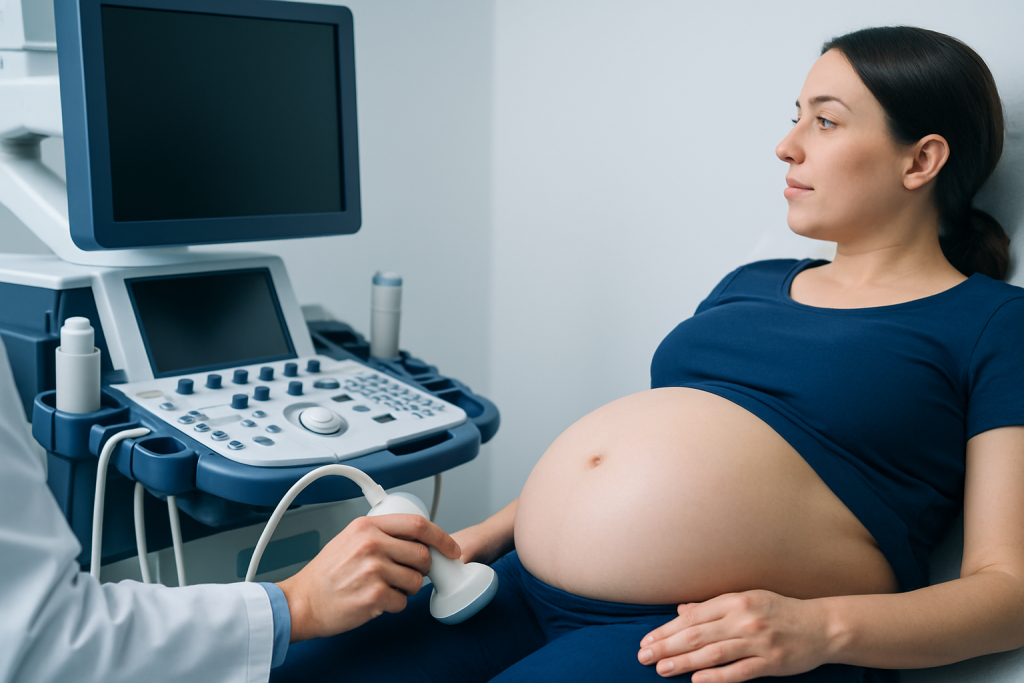
A B-shaped belly usually develops when the growing uterus pushes forward but the soft tissue above and below the navel does not stretch evenly. The result can be a top bulge and a lower bulge separated by a crease. This is often seen in people whose bodies naturally carry more abdominal tissue, in those with looser skin, or in pregnancies where the abdominal wall is under extra strain.
The appearance can also be influenced by posture. A forward-tilted pelvis, an arched lower back, or sitting for long periods can make the belly seem more segmented. In other words, the visual shape often tells more about the mechanics of the abdominal wall than about the baby’s wellbeing.
It is helpful to remember that pregnancy bellies vary widely. Some are high, some are low, some are round, and some have a noticeable crease. Normal shape variation is expected, especially as the body adapts month by month.
Symptoms and Common Visual Features
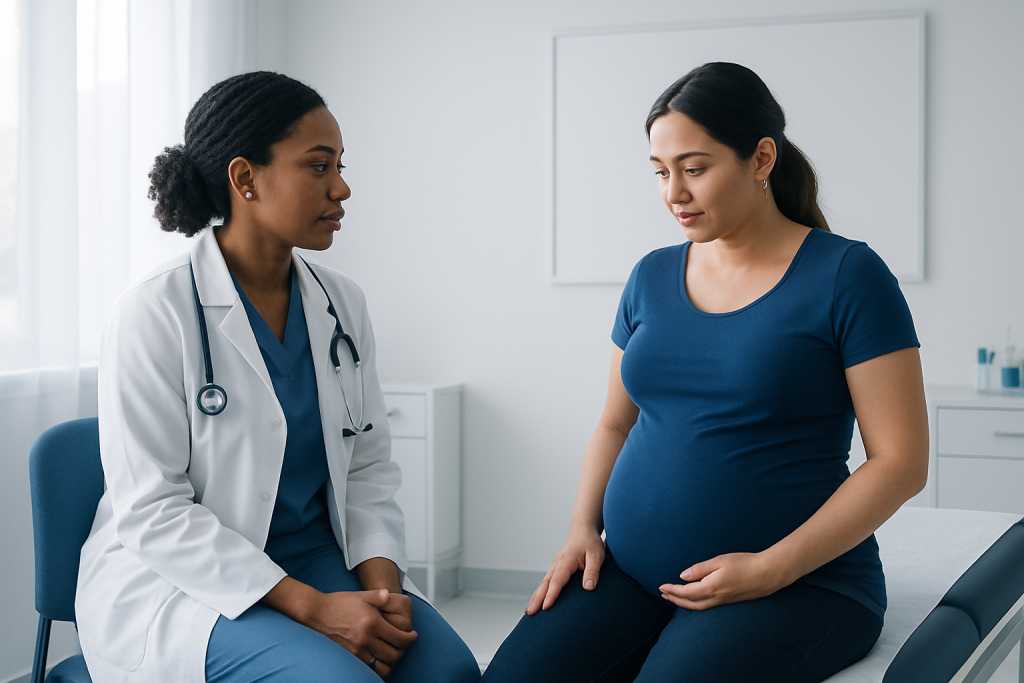
People who notice a B belly pregnancy usually describe a belly that looks divided into two curves. There may be a visible line or fold across the middle, and the upper section may protrude more than the lower section. The shape can become more obvious when standing, bending, or wearing fitted clothing.
Most of the time, this is a visual pattern rather than a painful symptom. However, a pregnant person may also notice general changes that are common in pregnancy, such as skin stretching, back discomfort, or a sense of pressure in the abdomen. These are not caused by the “B” shape itself, but they may appear alongside it.
- A crease or fold across the abdomen
- Two rounded sections of belly contour
- Shape that changes with posture or clothing
- Occasional skin tightness or discomfort from stretching
If the abdomen feels hard, increasingly tender, or unusually swollen, that deserves medical attention. Shape alone is usually harmless, but symptoms are always worth interpreting in context.
Causes and Risk Factors
There is no single cause of a B belly shape. It commonly reflects a combination of body structure, pregnancy changes, and how weight is carried before and during pregnancy. A person with a stronger crease in the middle may simply have more soft tissue that shifts as the uterus enlarges.
Several factors can contribute to the appearance. These may include a higher pre-pregnancy body weight, abdominal skin laxity from previous pregnancies, weaker abdominal muscles, or a tendency to carry weight around the midsection. Multiple gestation can also change abdominal contour, though the belly shape still does not reveal how many babies are present.
Posture matters as well. The growing abdomen changes balance, and many pregnant people naturally lean back to compensate. That adjustment can accentuate the two-part look. On the other hand, people with stronger core support may see a smoother overall curve.
Importantly, a B-shaped belly is not a reliable sign of baby size, fetal position, or pregnancy health. Those questions are answered by examination and, when needed, ultrasound rather than by appearance alone.
How Doctors Evaluate It
In most cases, no special test is needed just because the belly looks like a B. A clinician will focus on standard prenatal checks: measuring fundal height when appropriate, asking about fetal movements, reviewing maternal symptoms, and confirming that growth and wellbeing are on track.
If the pregnant person is concerned about the belly shape, a doctor or midwife may examine the abdomen and assess whether the uterus is growing as expected. If there is uncertainty about fetal position, growth, or amniotic fluid, an ultrasound may be recommended. This is especially useful when the visible shape does not match how the pregnancy is measuring clinically.
For Myomectomy Recovery: Healing Time, Activity Limits, and Fertility Planning" class="ahp-ilk">Myomectomy Recovery for International Patients: The Usual Travel Timeline" class="ahp-ilk">international patients seeking care away from home, it can help to bring prior prenatal records, scan reports, and medication lists. A clear history makes it easier for the receiving team to compare findings and keep care continuous, especially if the person is traveling between countries during pregnancy.
Treatment Options
B belly pregnancy usually does not need treatment because the shape itself is not harmful. Care is directed toward comfort, routine prenatal monitoring, and management of any separate pregnancy issue if one is present. If the abdominal wall is causing back strain or discomfort, clinicians may suggest supportive measures rather than medical procedures.
Depending on the situation, a care plan may include prenatal support garments, guidance on posture, activity modification, or physical therapy for core and back comfort. Some people find that gentle movement, changing positions regularly, and avoiding prolonged slumping reduce the appearance and feeling of abdominal splitting.
If the belly shape is related to other conditions such as significant abdominal wall separation, hernia, or excess discomfort, treatment is individualized. The main goal is always safe pregnancy care, not changing the look of the abdomen.
Prevention and Self-care
There is no guaranteed way to prevent a B-shaped belly, and many people would not need to prevent it at all. Still, a few habits can support comfort and may help the abdomen feel more stable as pregnancy advances. These habits focus on posture, muscle support, and general prenatal health.
Useful self-care steps may include staying active within prenatal guidance, practicing gentle posture awareness, and avoiding sudden twisting movements if they cause strain. Some people benefit from sleeping positions that reduce pressure on the abdomen and lower back, while others feel better with a maternity support band recommended by a clinician.
- Attend regular prenatal visits
- Use supportive footwear and good posture
- Move frequently if sitting for long periods
- Follow safe exercise advice from a pregnancy clinician
- Ask before using binders, belts, or support garments
If traveling for pregnancy care, it is sensible to plan around medical appointments, local emergency contacts, and follow-up access at the destination. Continuity of care matters more than any single belly shape, especially when a pregnancy involves prior complications or ongoing monitoring.
When to See a Doctor
A B belly by itself is usually not urgent. The time to contact a doctor, midwife, or maternity unit is when the belly shape change comes with other symptoms, or when the pregnant person feels something is not right. New pain, bleeding, fluid leakage, fever, or a noticeable decrease in fetal movement should be assessed promptly.
Medical review is also sensible if the abdomen becomes suddenly swollen, very tender, or firm, or if there is concern about a hernia, significant asymmetry, or breathing difficulty. These symptoms are not typical of an ordinary B-shaped contour and should not be ignored.
Pregnancy care works best when concerns are discussed early, even if they turn out to be minor. If needed, Acibadem Health Point’s multidisciplinary specialists and JCI-accredited hospitals can diagnose and treat pregnancy-related concerns for international patients in a coordinated setting.
Frequently asked questions
01Is B belly pregnancy a medical diagnosis?
No. It is an informal description of how the belly looks, not a clinical diagnosis. A healthcare professional will focus on the pregnancy itself rather than the shape alone.
02Does a B-shaped belly mean the baby is in trouble?
Usually, no. Belly shape is influenced by the abdominal wall, posture, and body composition, and it does not reliably show fetal wellbeing. Concerns about the baby are assessed through prenatal examination and, when needed, ultrasound.
03Can slim people have a B belly during pregnancy?
Yes. Although body shape can influence how the abdomen looks, a B belly can happen in many body types. Pregnancy changes in the abdominal wall and posture can create this appearance in people of different sizes.
04Will exercise make the belly stop looking split?
Exercise may improve posture, core support, and comfort, but it will not necessarily change belly shape. Any exercise during pregnancy should be approved by a clinician and kept gentle and safe.
05Should a pregnant person worry if the belly looks uneven?
Not automatically. Uneven or segmented belly shape is often a normal variation. It becomes more important if the shape change is sudden or comes with pain, bleeding, swelling, or reduced fetal movement.
06Can a support band help with B belly pregnancy?
Some people feel more comfortable with a maternity support band or similar garment. It should be fitted and used with guidance from a healthcare professional, especially if there is pain or a history of abdominal issues.
This article is for general information only and is not a substitute for professional medical advice. Please consult a qualified doctor about your individual situation.
Joint and spine care in Turkey — expert assessment & treatment
JCI-accredited · board-certified surgeons · reply within 24h
Add us as a Preferred Source to see more of our trusted health content across Google Search, AI Overviews and Discover.