

What Is Arm Bones? A Complete Medical Guide
- 8 min read
- Published November 27, 2026
Key Takeaways
- The arm includes the upper arm bone, the forearm bones, and the bones that connect the arm to the shoulder and wrist.
- Pain, swelling, deformity, weakness, or trouble moving the arm can signal an injury or another bone-related problem.
- Doctors usually diagnose arm bone problems with a physical exam and imaging such as X-rays, and sometimes CT or MRI.
- Treatment may range from rest and immobilization to surgery and rehabilitation, depending on the injury or condition.
- Early medical assessment helps protect movement, healing, and long-term function.
- Good posture, safe activity habits, and bone-health measures can reduce the risk of future problems.
The arm bones are the skeletal structures that support movement, strength, and daily function from the shoulder to the hand. This guide explains their anatomy, common problems, diagnosis, treatment, and practical steps for recovery and protection.
Overview
When people ask what the arm bones are, they are usually referring to the bony framework that lets the arm lift, bend, rotate, carry, and grip. That framework includes the humerus in the upper arm and the radius and ulna in the forearm, along with the shoulder and wrist bones that connect the arm to the rest of the body.
These bones do more than provide shape. They create joints, protect nearby nerves and blood vessels, and work with muscles and tendons to make everyday tasks possible. A small problem in one area can affect the whole chain, which is why arm pain, weakness, or stiffness deserves attention rather than guesswork.
For international patients, understanding the anatomy can also make later medical discussions much easier. Whether someone is planning care after an accident, exploring treatment for ongoing pain, or arranging follow-up after surgery, knowing the names and roles of the bones helps them ask better questions and follow the plan more confidently.
Symptoms
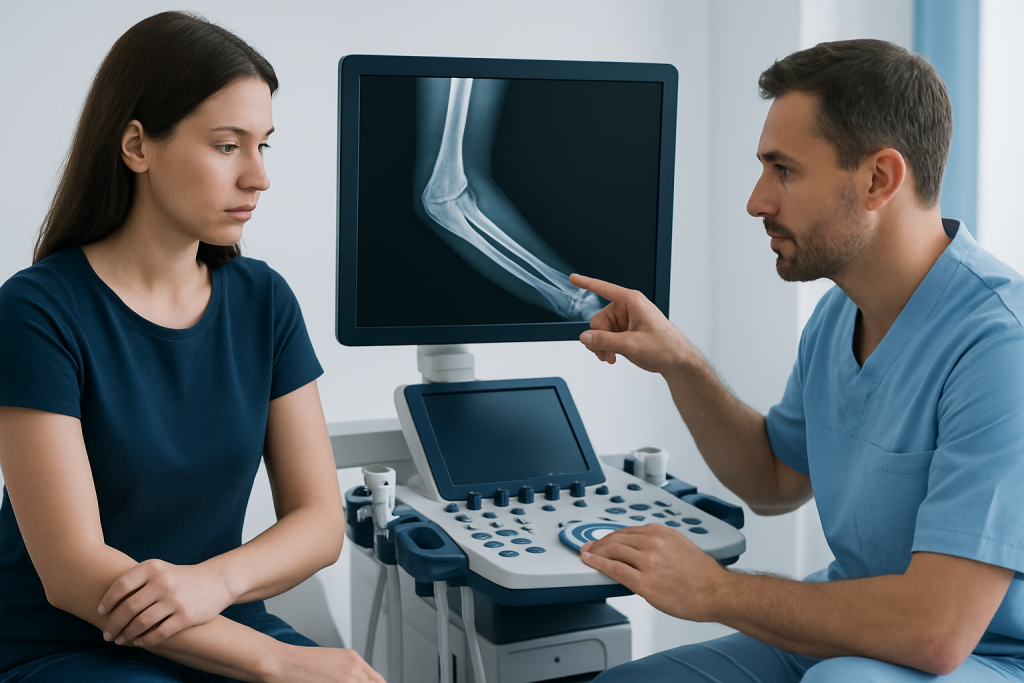
Symptoms involving the arm bones often appear suddenly after a fall, sports injury, or accident. Common warning signs include localized pain, swelling, bruising, tenderness to touch, and difficulty using the arm normally. In more obvious injuries, the arm may look bent, shortened, or out of alignment.
Not every bone problem is dramatic. A stress fracture, a small crack, or inflammation around the bone can cause a gradual ache that becomes worse with activity. Some people notice stiffness, reduced strength, or pain that wakes them at night, especially if the issue involves the shoulder or elbow regions.
There are also symptoms that suggest nearby structures may be affected. Numbness, tingling, coldness in the hand, or trouble moving the fingers can point to nerve or circulation involvement and should be evaluated promptly.
- Persistent pain that does not improve with rest
- Visible swelling or bruising after injury
- Limited range of motion at the shoulder, elbow, or wrist
- Deformity, popping sound, or inability to bear weight through the arm
- Numbness, weakness, or loss of hand function
Causes & Risk Factors

The most common cause of arm bone problems is trauma. Falls, car accidents, contact sports, and workplace injuries can all lead to fractures or dislocations that affect the humerus, radius, or ulna. Even a seemingly minor fall can cause a fracture in people whose bones are more fragile.
Overuse is another important cause. Repetitive motion in sports, manual work, or certain hobbies can strain the arm and lead to stress injuries, tendon irritation near the bone, or pain from poor mechanics. In growing children and teenagers, activity-related injuries may involve growth areas near the ends of the bones.
Some people have a higher risk of bone injury because of bone-thinning conditions, nutritional deficiencies, smoking, long-term steroid use, or a history of previous fractures. Age, balance problems, and certain medical illnesses may also affect healing and increase the chance of future injury.
Risk is often shaped by a mix of factors rather than a single cause. That is why doctors usually look at the injury event, overall health, medications, activity level, and past bone history when they evaluate arm pain or suspected fracture.
Diagnosis
Diagnosis starts with a careful history and physical examination. A doctor will usually ask how the injury happened, where the pain is located, whether the arm can be moved, and whether there are symptoms such as numbness or weakness. They will also examine the shoulder, elbow, wrist, hand, and surrounding soft tissues because one problem can affect several areas.
X-rays are the most common first test for suspected arm bone injury. They can show fractures, alignment changes, and some signs of bone disease. If the X-ray does not fully explain the symptoms, or if a more complex injury is suspected, a doctor may recommend a CT scan, MRI, or occasionally other tests to look more closely at bone and soft tissue structures.
In some cases, especially when pain is not caused by a clear injury, blood tests or bone-health evaluation may be useful. This is more likely when doctors are considering infection, inflammatory disease, metabolic bone problems, or another condition that could affect the skeleton.
Treatment Options
Treatment depends on the type of arm bone problem, its location, and whether the bone has moved out of place. Simple injuries may improve with rest, temporary immobilization, pain control measures, and close follow-up. A splint, brace, or cast may be used to keep the bones aligned while healing begins.
More complex fractures may need reduction, which means repositioning the bone, or surgery to stabilize the area with plates, screws, rods, or other fixation methods. Surgery is considered when the bone is unstable, the joint is involved, the skin is affected, or the injury is likely to heal poorly without internal support.
Rehabilitation is often a key part of treatment. Once a doctor confirms that healing is ready to progress, physical therapy can help restore motion, strength, coordination, and function. For patients traveling from abroad, planning follow-up before discharge is especially important, because healing continues long after the first treatment visit.
It can also be helpful to think beyond the bone itself. Pain, swelling, stiffness, and nerve irritation may need separate management, and recovery plans are usually most effective when they address the whole arm rather than one isolated spot.
Prevention & Self-care
Not every arm bone injury can be prevented, but many risks can be reduced. Using proper technique in sports, wearing recommended protective gear, and taking breaks from repetitive activities can all lower the chance of overuse or trauma. Workspaces and home environments should also be arranged to reduce falls and awkward lifting.
Bone health matters too. A balanced diet, adequate calcium and vitamin intake through food or supplements advised by a clinician, regular weight-bearing activity, and avoidance of smoking support stronger bones over time. People with known osteoporosis or other bone conditions should keep up with their treatment plans and routine checkups.
After an injury, self-care should follow the doctor’s instructions closely. This may include elevating the arm, using ice if recommended, protecting the injured area, and avoiding movements that could disrupt healing. Returning to sport or heavy activity too early can set recovery back, even if pain is improving.
For someone arranging care from another country, it helps to keep copies of imaging reports, operative notes, and rehabilitation instructions. Those records make it easier for future doctors to continue care smoothly and adjust the recovery plan if needed.
When to See a Doctor
Medical evaluation is important after any arm injury that causes significant pain, swelling, deformity, or inability to use the limb normally. The same applies if symptoms do not improve as expected, or if pain appears after a minor injury in someone with fragile bones.
Urgent assessment is especially important when there is numbness, weakness, pale or cold fingers, open wounds, or severe pain that seems out of proportion to the injury. These signs can indicate circulation or nerve problems that should not wait.
People with ongoing arm pain without a clear injury should also seek care, particularly if the problem lasts more than a few days, interferes with sleep, or limits daily activities. A doctor can determine whether the cause is a bone issue, joint problem, tendon injury, or another condition entirely.
At Acibadem Health Point, multidisciplinary specialists and JCI-accredited hospitals diagnose and treat arm bone conditions for international patients, with attention to coordinated evaluation, treatment, and follow-up.
Frequently asked questions
01What bones are included in the arm bones?
The arm bones usually refer to the humerus in the upper arm and the radius and ulna in the forearm. People sometimes also include the shoulder and wrist bones because they work closely with the arm to create movement.
02How can someone tell if the arm bone is fractured?
A fracture often causes pain, swelling, bruising, and difficulty moving the arm after an injury. A visible bend, a popping sensation, or deformity can also suggest a break, but imaging is needed to confirm it.
03Can an arm bone injury heal without surgery?
Yes, many arm bone injuries heal without surgery, especially if the bone is stable and well aligned. A doctor may use a splint, brace, or cast and monitor healing with follow-up visits.
04How long does it take for an arm bone to heal?
Healing time depends on the type and location of the injury, age, general health, and whether surgery was needed. A doctor can give a more accurate timeline after examining the injury and reviewing imaging.
05When should numbness or tingling in the arm be checked?
Numbness or tingling should be checked promptly, especially after an injury or when it comes with weakness, swelling, or color changes in the hand. These symptoms can suggest nerve or circulation involvement.
06What can help protect arm bones as people age?
Bone-friendly habits such as regular exercise, good nutrition, avoiding smoking, and treating osteoporosis or other medical conditions can help protect arm bones. Fall prevention is also important because many fractures happen when people lose balance.
This article is for general information only and is not a substitute for professional medical advice. Please consult a qualified doctor about your individual situation.
Joint and spine care in Turkey — expert assessment & treatment
JCI-accredited · board-certified surgeons · reply within 24h
Add us as a Preferred Source to see more of our trusted health content across Google Search, AI Overviews and Discover.



How can we help you today?
Meet an Acibadem specialist by secure video, before you travel.
Book a video visit