

What Is Anoxic Brain Injury? A Complete Medical Guide
Key Takeaways
- Anoxic brain injury happens when the brain is cut off from oxygen, even briefly.
- Early symptoms may include confusion, loss of consciousness, seizures, or trouble with speech and movement.
- Common causes include cardiac arrest, drowning, choking, smoke inhalation, and severe breathing problems.
- Diagnosis usually involves urgent examination, brain imaging, blood tests, and monitoring of brain function.
- Treatment focuses on restoring oxygen, supporting vital functions, and planning rehabilitation once the person is stable.
Anoxic brain injury occurs when the brain is deprived of oxygen long enough for brain cells to begin suffering damage. The effects can range from mild confusion to severe disability, and prompt emergency care can improve the chance of recovery.
Overview
Anoxic brain injury means the brain has been deprived of oxygen. Because brain tissue depends on a constant oxygen supply, even a short interruption can affect thinking, movement, speech, memory, and consciousness. The condition is a neurologic emergency, and the first goal is always to restore oxygen and circulation as quickly as possible.
The term is often discussed alongside hypoxic brain injury. In simple terms, anoxic refers to a near-complete absence of oxygen, while hypoxic describes reduced oxygen. In real life, the two can overlap, especially after cardiac arrest, choking, drowning, or severe respiratory failure. The extent of injury depends on how long the brain was without oxygen and how quickly treatment began.
For international patients, the path to care often begins with an emergency transfer, intensive care support, and then a careful transition into rehabilitation. That journey can feel overwhelming, but the process is usually built step by step: stabilize first, assess brain function next, and then match therapy to the person’s needs and recovery potential.
Symptoms
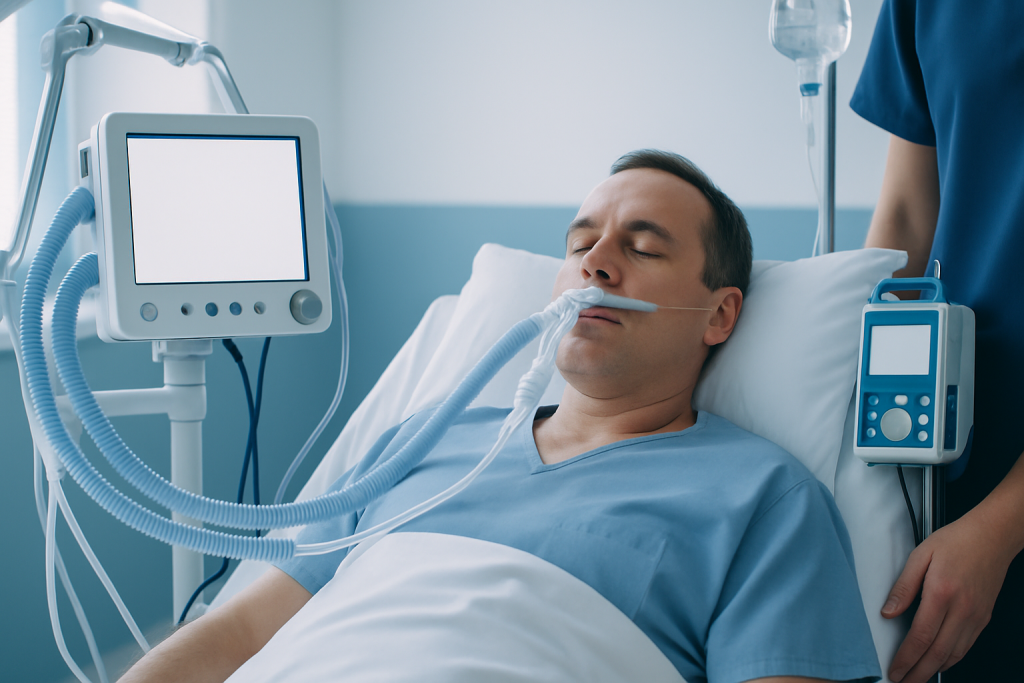
Symptoms depend on which areas of the brain were affected and how severe the oxygen deprivation was. Some people wake up confused but able to interact, while others remain unconscious for a period of time. A person may also show changes that are not immediately obvious, especially in the first hours after the event.
Common signs can include:
- Loss of consciousness or reduced alertness
- Confusion, disorientation, or unusual behavior
- Memory problems or difficulty speaking
- Weakness, stiffness, or poor coordination
- Seizures or abnormal movements
- Vision changes
- Breathing irregularities or unstable vital signs
After the acute phase, families may notice slower processing, fatigue, emotional changes, or difficulty with planning and attention. These symptoms can be subtle at first, which is one reason follow-up assessment is so important. Recovery is not always linear; some people improve steadily, while others need more time before their pattern becomes clear.
Causes & Risk Factors

Anoxic brain injury happens when oxygen delivery to the brain is interrupted. The cause is usually an event that stops breathing, limits airflow, or stops the heart from pumping oxygenated blood to the brain. The brain is especially vulnerable because it has very limited oxygen reserves.
Common causes include cardiac arrest, choking, drowning, smoke inhalation, suffocation, severe asthma attacks, respiratory failure, and complications during anesthesia or major medical emergencies. Less commonly, it may occur with severe blood loss or dangerously low blood pressure if oxygen delivery drops long enough.
Risk is not only about the event itself but also about how quickly it is recognized and treated. People with heart disease, lung disease, seizure disorders, or swallowing problems may have a higher chance of experiencing a dangerous oxygen crisis. Children and older adults can also be more vulnerable because their physiologic reserve may be lower.
Diagnosis
Diagnosis starts with emergency assessment. Clinicians first check airway, breathing, and circulation, because the brain cannot recover if oxygen delivery remains unstable. The medical team then looks for clues about the cause, the time course, and how long the brain may have been deprived of oxygen.
Tests often include a neurologic examination, blood tests, brain imaging such as CT or MRI, and continuous monitoring of heart rhythm and oxygen levels. In some cases, doctors use EEG testing to measure brain electrical activity, especially if seizures or altered consciousness are present. Laboratory testing may also help identify infection, metabolic problems, or toxin exposure that could have contributed to the event.
Imaging and neurologic exams do not always reveal the full picture immediately. Some findings become clearer over time, so repeat assessments are common. This is particularly important for families traveling for care, because decisions about rehabilitation, discharge planning, or transfer often depend on how the person evolves over several days.
Treatment Options
Treatment begins with urgent life support. The first priority is to restore oxygen, support breathing if needed, maintain blood pressure, and treat the underlying cause. If the person had a cardiac arrest, the team may also use structured post-resuscitation care to protect the brain and other organs.
After stabilization, treatment becomes more individualized. Doctors may manage seizures, control fever, optimize blood sugar, and address swelling or other complications. When appropriate, the person may need intensive care monitoring, physical support, speech evaluation, or nutritional support. Recovery care often includes a multidisciplinary team because oxygen-related brain injury can affect several systems at once.
Rehabilitation is a major part of treatment for people who survive the initial injury. Physical therapy may help with balance and strength, occupational therapy can support daily activities, and speech-language therapy may address communication and swallowing. Neuropsychological support can be helpful for memory, attention, mood, and behavior changes. In some cases, recovery continues for months, and the treatment plan is adjusted as the person regains function.
Prevention & Self-care
Not every anoxic brain injury can be prevented, but some risk reduction is possible. Preventive care focuses on the common situations that can interrupt oxygen supply: heart problems, lung disease, swallowing difficulty, seizure disorders, substance use, and unsafe environments where choking, drowning, or smoke exposure may occur.
Practical prevention steps may include following treatment plans for heart and lung disease, using supervision for people at high risk of choking, practicing water safety, installing smoke and carbon monoxide alarms, and seeking care for breathing problems rather than waiting for them to worsen. For patients who have already had an anoxic injury, self-care is usually centered on rehabilitation, nutrition, sleep, medication adherence, and keeping follow-up appointments.
Families often benefit from learning the warning signs of deterioration, such as new confusion, increasing sleepiness, repeated seizures, or worsening weakness. If the person is recovering after discharge, the care team may also give guidance about safe mobility, swallowing precautions, and how to monitor mood and cognition at home. For patients who must continue treatment across borders, clear discharge summaries and rehabilitation notes make follow-up much safer and more consistent.
When to See a Doctor
Emergency care is needed immediately if a person has collapsed, stopped breathing normally, is turning blue, has had a drowning or choking episode, or does not wake up as expected. Sudden seizure activity, severe confusion, or loss of strength after a suspected oxygen-related event also warrants urgent evaluation. In these situations, time matters.
After the emergency has passed, a neurologist or rehabilitation specialist should be involved if there are persistent memory problems, changes in speech, weakness, balance issues, personality changes, or trouble with swallowing. Even when symptoms seem mild, formal follow-up helps document recovery and catch problems that may not be visible in a short bedside exam.
Acibadem Health Point’s multidisciplinary specialists and JCI-accredited hospitals diagnose and treat anoxic brain injury for international patients, with coordinated care that can include neurology, intensive care, and rehabilitation support. That kind of integrated planning can be especially helpful when the patient is arriving from another country and needs continuity from emergency treatment through recovery.
Frequently asked questions
01What is the difference between anoxic and hypoxic brain injury?
Anoxic brain injury means the brain received little to no oxygen. Hypoxic brain injury means the oxygen supply was reduced but not completely absent. Both can cause serious neurologic damage, and the practical approach to care is often similar in the emergency setting.
02Can a person recover from anoxic brain injury?
Recovery is possible, but it varies widely from person to person. The outcome depends on how long the brain was without oxygen, how quickly treatment began, and which brain areas were affected. Rehabilitation can make an important difference once the person is medically stable.
03What are the first signs of anoxic brain injury?
Early signs may include loss of consciousness, confusion, seizures, abnormal breathing, or not responding normally after a choking, drowning, or cardiac event. Some symptoms are subtle at first and become clearer over time. Any sudden change in consciousness after an oxygen-related incident should be treated as urgent.
04How is anoxic brain injury diagnosed?
Doctors diagnose it using a combination of neurologic examination, blood tests, brain imaging, EEG in some cases, and continuous monitoring. They also look for the event that caused the oxygen loss, such as cardiac arrest or respiratory failure. Repeat assessments are often needed because the picture can evolve over several days.
05Is rehabilitation always needed after anoxic brain injury?
Not always, but it is commonly helpful when there are problems with movement, speech, swallowing, memory, or daily function. Rehabilitation is tailored to the person’s deficits and goals. It may involve several specialists working together over time.
06What should families do after the patient is discharged?
Families should follow the discharge plan closely, keep rehabilitation and neurology appointments, and watch for new or worsening symptoms. It is also helpful to keep records of medications, test results, and therapy notes, especially if follow-up will happen in another country. Clear communication with the care team supports safer recovery.
This article is for general information only and is not a substitute for professional medical advice. Please consult a qualified doctor about your individual situation.
Heart care in Turkey — expert evaluation and treatment
JCI-accredited · board-certified surgeons · reply within 24h
Add us as a Preferred Source to see more of our trusted health content across Google Search, AI Overviews and Discover.


