What Is a Rainbow Baby? A Doctor-Reviewed Answer

A rainbow baby is a baby born after a miscarriage, stillbirth, ectopic pregnancy, molar pregnancy, or newborn loss. The term is emotional rather than medical, and most pregnancies after loss can be healthy, though some symptoms still need prompt medical attention.
Overview: what is a rainbow baby?
A rainbow baby is a baby born after a previous pregnancy loss or infant loss. The term is commonly used after miscarriage, stillbirth, ectopic pregnancy, molar pregnancy, termination for medical reasons, or the loss of a newborn. It reflects the idea of hope after a difficult experience, much like a rainbow appearing after a storm.
In medical care, “rainbow baby” is not a diagnosis. It does not by itself mean the new pregnancy is high risk, nor does it predict a problem. Most pregnancies after a loss can progress normally, but routine prenatal care remains important because any pregnancy can develop symptoms that deserve medical attention.
For many families, the phrase is meaningful because it acknowledges two realities at once: joy about a new baby and grief for the baby who was lost. A person may feel excitement, worry, guilt, relief, or sadness, sometimes all in the same day. These reactions are common and do not mean something is wrong.
What the term means emotionally and medically
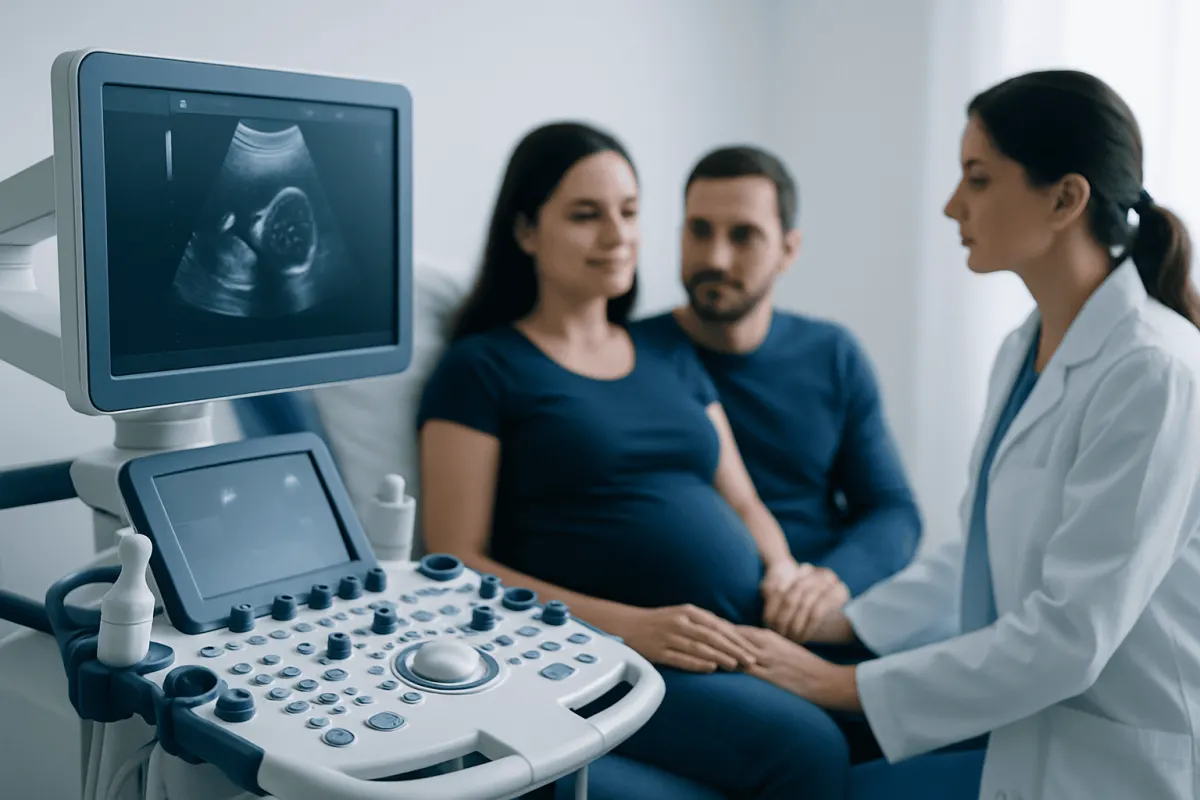
The emotional meaning of a rainbow baby is often as important as the literal one. After a loss, a later pregnancy may bring reassurance for some people and intense anxiety for others. There is no “correct” way to feel. Some parents use the term openly, while others prefer not to use it at all.
Medically, care after pregnancy loss depends more on the type of loss, the person’s health history, and current symptoms than on the label itself. For example, someone with prior miscarriage may need routine follow-up and reassurance, while someone with a history of ectopic pregnancy may need early confirmation that the pregnancy is located in the uterus.
Doctors also consider whether there were repeated losses, underlying health conditions, fertility treatment, older maternal age, uterine abnormalities, or clotting or hormone problems. These factors can guide monitoring in a future pregnancy, but many people who become pregnant after one loss go on to have healthy pregnancies without major intervention.
Common symptoms in a new pregnancy after loss

Symptoms in a rainbow baby pregnancy are usually the same as symptoms in any early pregnancy. These may include nausea, breast tenderness, fatigue, frequent urination, mild cramping, food aversions, and light spotting. In many cases, these symptoms are normal and do not mean another loss is happening.
At the same time, previous loss can make normal body sensations feel especially frightening. A person may notice every cramp or change in discharge and worry that it signals danger. This reaction is understandable, but symptoms alone cannot confirm whether a pregnancy is progressing normally. Medical review is the safest way to assess concerns.
Symptoms that deserve prompt attention include:
- Heavy vaginal bleeding, especially if soaking pads or passing large clots
- Severe or one-sided pelvic or abdominal pain
- Shoulder pain, dizziness, fainting, or weakness
- Fever or signs of infection
- Severe vomiting with inability to keep fluids down
- Later in pregnancy, reduced fetal movements, fluid leakage, or regular painful contractions
These red flags do not always mean an emergency, but they should not be ignored. They can be linked to bleeding in early pregnancy, an ectopic pregnancy, miscarriage, infection, or other conditions that need assessment.
Possible causes and risk factors after pregnancy loss
Having a rainbow baby does not cause medical problems. However, the earlier loss may have happened for a reason that affects future pregnancies, or it may have been a one-time event. Many miscarriages happen because of random chromosome changes in the embryo and are not caused by anything the parent did or did not do.
Doctors may look more closely for risk factors if there have been repeated losses, a second-trimester loss, a previous stillbirth, or known medical conditions. Possible contributors can include thyroid disease, poorly controlled diabetes, uterine fibroids or structural differences, hormonal problems, infections, clotting disorders, autoimmune conditions, or genetic factors in one or both parents.
Risk factors also vary by the type of previous loss. A history of pregnancy loss is different from a prior ectopic pregnancy, molar pregnancy, or premature birth. Some people may benefit from specialist input in fertility and reproductive medicine if there are repeated losses or difficulty conceiving again.
Even when a cause is never found, that does not mean care was missed. It is common for a previous loss to remain unexplained. The focus then shifts to supportive monitoring, reducing modifiable risks, and responding early if warning symptoms appear.
How doctors evaluate symptoms and confirm a healthy pregnancy
If a person is pregnant after a previous loss and develops symptoms such as spotting, pain, or severe anxiety about pregnancy progress, a doctor will usually begin with a careful history. Important details include the first day of the last menstrual period, positive pregnancy test timing, pain location, amount of bleeding, previous losses, prior surgeries, fertility treatment, and any known health conditions.
The next steps often include a physical examination, blood tests, and ultrasound. Blood tests may check pregnancy hormone levels and, when relevant, blood type or signs of anemia or infection. Ultrasound can help confirm the location of the pregnancy, estimate gestational age, and assess fetal heartbeat when the pregnancy is far enough along.
Depending on the situation, a doctor may recommend repeat testing over several days because very early pregnancies can be difficult to interpret from one visit alone. If there is concern about a nonviable pregnancy, a doctor may explain the findings in clear terms and discuss follow-up or treatment options, including dilation and curettage in selected cases.
For people with repeated losses or complex history, assessment may also include evaluation in genetic and reproductive diagnostic services or consultation with high-risk obstetric specialists. The goal is not only to diagnose problems but also to provide reassurance when symptoms are part of a normal pregnancy.
Care during a rainbow baby pregnancy
Care in a rainbow baby pregnancy is tailored to the individual. Some people need only standard prenatal visits, while others benefit from extra early appointments, repeat ultrasounds, or consultation with maternal-fetal medicine, depending on their history. A prior loss does not automatically mean intensive treatment is required.
General treatment and support may include prenatal vitamins with folic acid, management of chronic conditions, advice about nutrition and activity, and emotional support. If a doctor identifies a specific issue such as thyroid disease, diabetes, or a uterine problem, treatment focuses on that cause. In certain situations, fertility care such as IVF may be part of the broader care pathway before pregnancy is established, but it is not routinely needed after a single loss.
Mental health support can also be part of good medical care. Anxiety in pregnancy after loss is common, and some people benefit from counseling, support groups, mindfulness techniques, or more frequent check-ins with their care team. Asking for emotional support is appropriate and can improve the pregnancy experience.
Near the end of the care journey, some families seek coordinated support from centers experienced in reproductive medicine, obstetrics, neonatal care, and counseling. Acıbadem Health Point’s multidisciplinary specialists and JCI-accredited hospitals diagnose and treat pregnancy-related conditions for international patients when this level of care is needed.
Prevention and self-care after a loss and in a new pregnancy
Not every pregnancy loss can be prevented, and many happen for reasons outside anyone’s control. Still, healthy habits and early medical care can support a future pregnancy. It is reasonable to speak with a doctor before trying again, especially after recurrent losses, ectopic pregnancy, stillbirth, or significant medical conditions.
Helpful self-care steps often include:
- Starting prenatal vitamins before conception if possible
- Avoiding smoking, recreational drugs, and alcohol during pregnancy
- Managing chronic conditions such as diabetes or thyroid disease
- Keeping routine prenatal appointments
- Getting medical advice before starting or stopping medicines
- Seeking emotional support from trusted people or professionals
Some people also want guidance on timing another pregnancy. In many cases, conception can be safe after the body has recovered and a clinician has addressed the cause of loss when known. Timing is personal, and emotional readiness matters as much as physical readiness.
When to seek medical care
Most early pregnancy symptoms are harmless, but prompt medical review is important if there is heavy bleeding, severe abdominal or pelvic pain, one-sided pain, fainting, dizziness, shoulder pain, fever, or persistent vomiting. These symptoms can suggest complications that should be assessed quickly.
A person should also contact a doctor if they have a positive pregnancy test after a previous ectopic pregnancy, repeated miscarriages, fertility treatment, or a medical condition that affects pregnancy. Early review may allow timely blood tests or ultrasound and can provide reassurance as well as diagnosis.
Later in pregnancy, urgent evaluation is needed for reduced fetal movements, fluid leakage, vaginal bleeding, strong regular contractions before term, severe headache with vision changes, chest pain, or shortness of breath. When in doubt, it is safest to ask a qualified doctor or maternity service for advice.
Frequently asked questions
01Is a rainbow baby a medical term?
No. “Rainbow baby” is a personal and emotional term rather than a medical diagnosis. Doctors use it informally at times, but medical decisions are based on the person’s history, symptoms, and test results.
02Does having a rainbow baby mean the pregnancy is high risk?
Not necessarily. Many pregnancies after a loss are healthy and need only routine prenatal care. Risk depends on the cause and type of the previous loss, overall health, age, and current pregnancy findings.
03Can spotting happen in a healthy rainbow baby pregnancy?
Yes. Light spotting can happen in early pregnancy and does not always mean a miscarriage. However, any bleeding in pregnancy should be discussed with a doctor, especially if it becomes heavy or is accompanied by pain.
04How soon should a person see a doctor after a positive test following pregnancy loss?
It is often reasonable to contact a doctor early, especially after ectopic pregnancy, repeated losses, fertility treatment, or other medical concerns. The care team may advise blood tests or an early ultrasound based on the situation.
05Is anxiety normal in a pregnancy after miscarriage or stillbirth?
Yes. Anxiety, mixed emotions, and fear of another loss are common in pregnancy after loss. Emotional support, counseling, and clear communication with the care team can be very helpful.
06Can someone have more than one rainbow baby?
Yes. The term can be used for any baby born after a previous loss. Different families use the term in different ways, and some may choose not to use it at all.
This article is for general information only and is not a substitute for professional medical advice. Please consult a qualified doctor about your individual situation.
IVF & fertility treatment in Turkey — success rates and costs
JCI-accredited · board-certified surgeons · reply within 24h
Add us as a Preferred Source to see more of our trusted health content across Google Search, AI Overviews and Discover.