What Is a Pacemaker and How Does It Support the Heart?
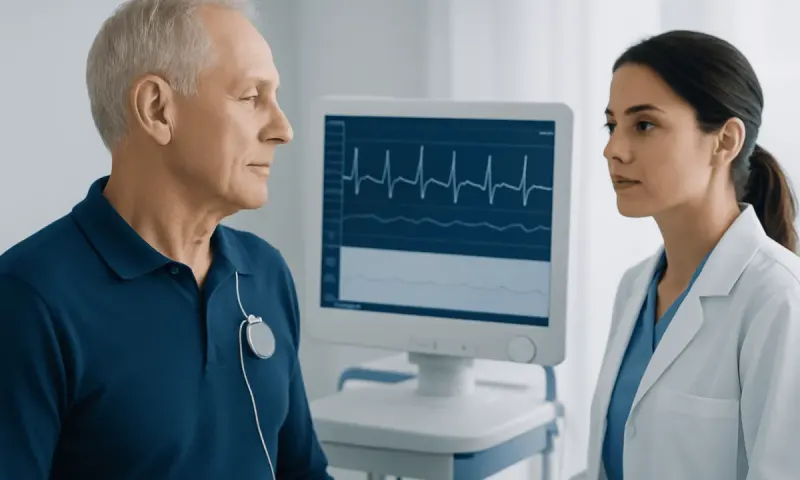
A pacemaker is a small medical device placed under the skin, usually near the collarbone, to help the heart beat at an appropriate rate and rhythm. It is commonly used for slow heart rhythms and can improve symptoms such as fainting, fatigue, dizziness, and breathlessness when these are caused by rhythm problems.
What is a pacemaker?
A pacemaker is a small electronic medical device that helps control an abnormally slow, interrupted, or sometimes irregular heartbeat. In medical terms, a pacemaker is also known as a cardiac pacemaker or cardiac rhythm management device. It continuously monitors the heart’s electrical activity and delivers a tiny electrical signal when the heart beats too slowly or misses a beat.
A typical pacemaker has a pulse generator, which contains the battery and computer, and one or more thin insulated wires called leads. The generator is usually placed beneath the skin below the collarbone. Leads are guided through a vein into the heart, where they sense the heart rhythm and transmit pacing signals. Some newer leadless pacemakers are placed directly inside the heart through a catheter.
The electrical impulse from a pacemaker is not usually felt by the person receiving it. Its purpose is to support the heart’s natural electrical system rather than replace the heart itself. Pacemakers are different from implantable cardioverter-defibrillators, which can deliver stronger therapy for certain dangerous fast rhythms.
Why might someone need a pacemaker?
Pacemakers are most often recommended when the heart’s natural electrical signals travel too slowly or do not move reliably from the upper chambers to the lower chambers. This can reduce blood flow to the brain and body, causing symptoms that affect everyday activities and safety.
Common reasons for pacing include sinus node dysfunction, in which the heart’s natural pacemaker fires too slowly, and heart block, in which electrical signals do not pass normally through the heart. A pacemaker may also be needed after some heart procedures or when medicines required for another heart condition cause an excessively slow pulse.
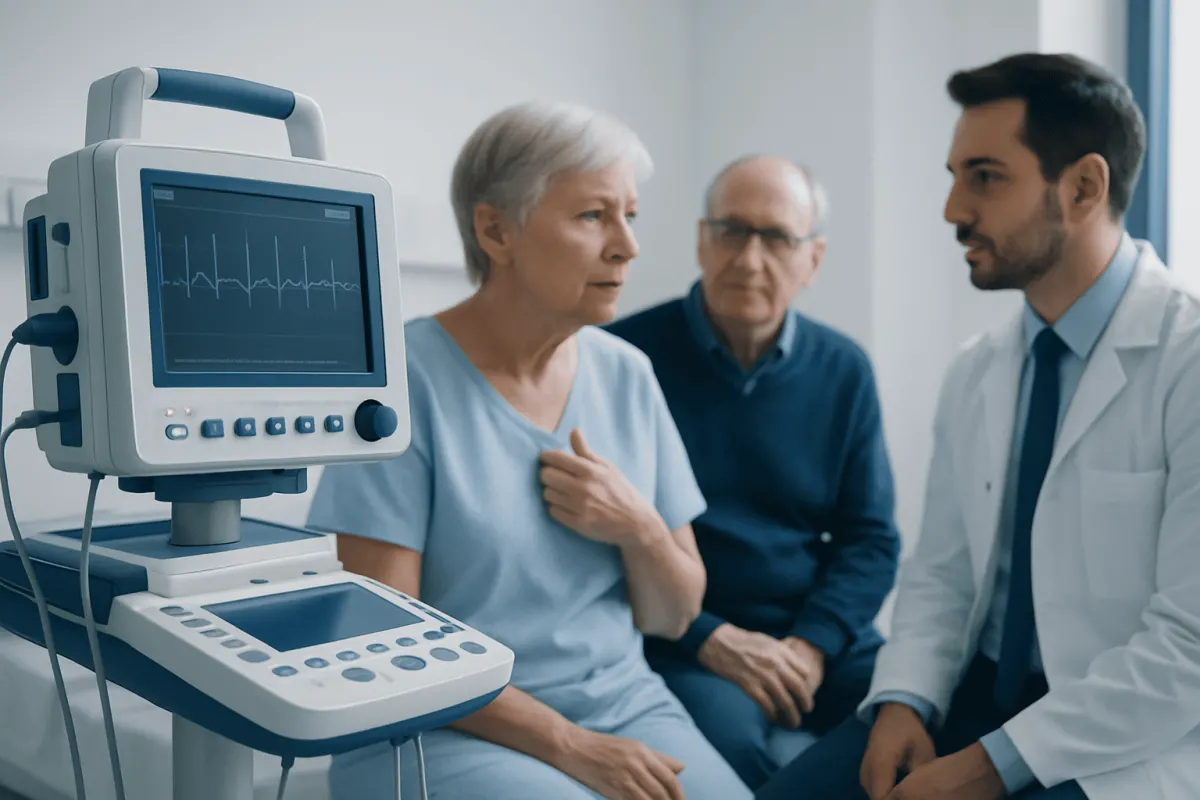
Symptoms vary. Some people have no symptoms and are diagnosed during an electrocardiogram or heart monitor recording. Others may experience tiredness, dizziness, fainting, shortness of breath, reduced exercise tolerance, palpitations, or confusion. A cardiology assessment helps determine whether symptoms are linked to a rhythm problem and whether pacing would help.
Some rhythm disorders may coexist with other cardiovascular conditions. For example, evaluation and management may also involve care for arrhythmias or structural heart disease, depending on the individual’s findings.
How doctors assess the need for a pacemaker

Deciding whether a pacemaker is appropriate involves more than finding a slow pulse. A clinician considers symptoms, medical history, medicines, physical examination findings, and whether the rhythm abnormality is persistent or intermittent. The goal is to identify a clear relationship between a heart rhythm problem and the person’s symptoms or health risk.
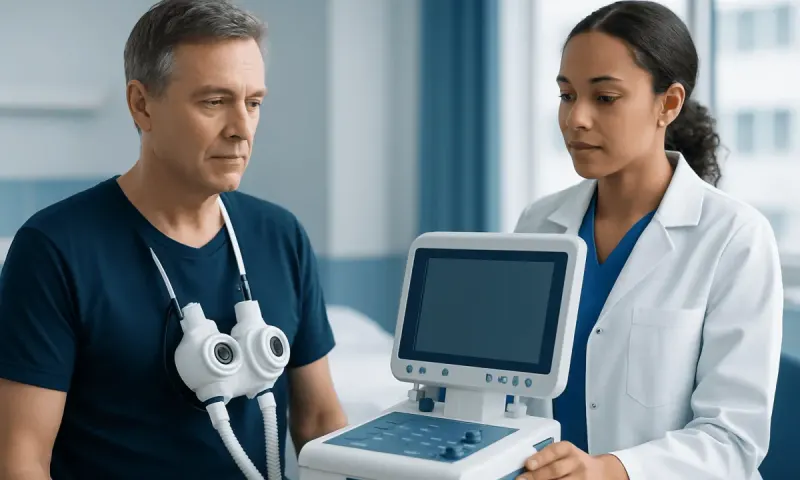
An electrocardiogram, often called an ECG or EKG, records the heart’s electrical activity. If symptoms come and go, a Holter monitor or longer-term event monitor may be used to capture the rhythm during normal daily activities. Blood tests and imaging such as an echocardiogram may help identify contributing conditions and assess heart structure and pumping function.
Some causes of a slow heart rate can be temporary or treatable without a pacemaker, including certain medication effects, thyroid disorders, electrolyte imbalances, or sleep-related breathing problems. For this reason, clinicians usually review reversible factors before recommending an implanted device.
How many hours is a pacemaker surgery?
Pacemaker implantation commonly takes about one to two hours, although the total time at the hospital is usually longer because it includes preparation, recovery, monitoring, and device testing. The procedure may take more time when a person needs several leads, has complex anatomy, requires replacement of an older system, or is having another cardiac procedure at the same time.
Most conventional pacemakers are implanted in a cardiac catheterization laboratory or operating room. The person is generally awake but receives local anesthesia to numb the area and medication to promote comfort and relaxation. A small incision is made beneath the collarbone, the leads are positioned using imaging guidance, and the generator is placed in a pocket under the skin.
Afterward, the clinical team checks the device settings and may obtain a chest X-ray or other imaging to confirm lead position. Some people go home the same day or after an overnight stay, while others need longer observation because of their health condition or the complexity of the procedure. Pacemaker implantation should be planned and followed by a qualified cardiac rhythm team.
What is the downside of getting a pacemaker?
For people who clearly need pacing, the benefits of a pacemaker often outweigh the potential downsides. However, it is still an implanted device and involves a procedure, ongoing follow-up, and practical adjustments. The decision should be made with a cardiologist after discussing the person’s rhythm condition, symptoms, alternatives, and preferences.
Short-term risks of implantation can include bruising, bleeding, pain at the incision, infection, blood vessel injury, movement of a lead, or a collapsed lung. Serious complications are uncommon, but they require prompt medical assessment when they occur. Longer-term issues can include lead wear, changes in pacing needs, infection around the device, or eventual battery depletion.
A pacemaker battery generally lasts for years, but it does not last forever. During routine checks, the care team estimates battery life and plans replacement of the generator before the battery becomes depleted. Generator replacement is usually less extensive than the original implantation because existing leads may remain in place if they are functioning well.
Some people also find the recovery period emotionally challenging or worry about dependence on a device. Clear education, regular follow-up, and discussing concerns with the care team can help people adjust with confidence.
What are things you cannot do with a pacemaker?
Most people can work, travel, exercise, use household appliances, and resume many hobbies with a pacemaker. Modern devices are designed to tolerate common electrical equipment. Still, it is important to follow individualized advice from the implanting team, especially during the first few weeks while the incision and leads are healing.
Immediately after implantation, people may be advised to avoid heavy lifting, vigorous upper-body exercise, and repeated stretching or lifting of the arm on the implant side for a limited time. This helps reduce strain on the healing incision and lowers the chance that a lead will move. The team will explain when normal movement and exercise can safely resume.
Strong magnetic fields and certain industrial equipment can interfere with pacemaker function. People should tell healthcare professionals and dentists that they have a pacemaker before procedures. Magnetic resonance imaging may be possible with an MRI-conditional pacemaker system, but it must be arranged through an experienced medical team. Welding equipment, high-voltage systems, and some security devices may also require specific precautions.
Mobile phones are generally safe when kept a short distance from the device and not stored directly over it. Carrying the pacemaker identification card is useful for travel and medical appointments. The device clinic can provide personalized guidance about work duties, sports, driving, and travel.
What is the life expectancy of a person with a pacemaker?
A pacemaker itself does not determine a person’s life expectancy. Life expectancy depends mainly on the underlying heart condition, age, overall health, other medical conditions, and how well these issues are managed. For many people with a slow heart rhythm, a pacemaker relieves symptoms and helps prevent problems related to an excessively slow heartbeat.
It is helpful to distinguish a person’s life expectancy from the lifespan of the device battery. Pacemaker batteries commonly function for several years, with longevity influenced by the device model, settings, and how often pacing is needed. Regular monitoring allows the care team to identify when generator replacement should be scheduled.
Follow-up appointments may occur in person or through remote monitoring, depending on the device and local care system. These checks review battery status, lead performance, stored rhythm information, and whether programming should be adjusted. Keeping these appointments is an important part of long-term pacemaker care.
When to seek medical care
Anyone with unexplained fainting, near-fainting, chest discomfort, severe shortness of breath, new confusion, or persistent dizziness should seek prompt medical assessment. Emergency care is appropriate for severe symptoms, especially if they are sudden, recurrent, or accompanied by chest pain, difficulty breathing, or loss of consciousness.
After pacemaker implantation, medical advice should be sought promptly for fever, increasing redness, swelling, drainage, warmth, or worsening pain around the incision. New fainting, persistent palpitations, shortness of breath, or a sensation that the device area has changed should also be reported to the cardiology team.
People with a pacemaker should continue routine heart care, including medication reviews and management of blood pressure, diabetes, cholesterol, and other relevant conditions. Acıbadem Health Point’s multidisciplinary specialists and JCI-accredited hospitals provide evaluation and treatment for international patients who need cardiac rhythm care.
Frequently asked questions
01Is a pacemaker the same as a defibrillator?
No. A pacemaker mainly treats slow heart rhythms by sending small electrical impulses when needed. An implantable cardioverter-defibrillator, or ICD, is designed to detect and treat certain potentially life-threatening fast heart rhythms and may also provide pacing when appropriate.
02Can a pacemaker be seen from outside the body?
The generator may create a small bump beneath the skin, usually below the collarbone. How noticeable it is varies with body shape, device size, and placement. The incision typically becomes less visible as it heals.
03Will a person feel the pacemaker working?
Most people do not feel normal pacemaker impulses. Some may notice occasional sensations such as palpitations, particularly if settings need adjustment or if another rhythm issue is present. New or uncomfortable symptoms should be discussed with the device clinic.
04Can someone exercise after getting a pacemaker?
In many cases, yes. After the initial healing period, people can often return gradually to walking, fitness activities, and other exercise approved by their clinician. Contact sports or activities with a high risk of direct impact to the device area may require extra discussion.
05Can a person travel with a pacemaker?
Yes, most people can travel safely with a pacemaker. They should carry their device identification card and inform airport security staff, although standard screening systems are generally safe. It is sensible to ask the device team about travel soon after implantation or to remote locations.
06Does a pacemaker need regular checkups?
Yes. Regular device checks are needed to monitor battery life, lead function, heart rhythm information, and device settings. Some checks can be performed remotely, but the schedule should be set by the person’s cardiology or electrophysiology team.
This article is for general information only and is not a substitute for professional medical advice. Please consult a qualified doctor about your individual situation.
Heart care in Turkey — expert evaluation and treatment
JCI-accredited · board-certified surgeons · reply within 24h
Add us as a Preferred Source to see more of our trusted health content across Google Search, AI Overviews and Discover.