What Is a Neonatologist?

Key Takeaways
- Neonatologists care for newborns with complex or urgent medical needs, especially in the first weeks of life.
- They commonly treat premature babies, breathing problems, infections, feeding difficulties, and birth-related complications.
- Care may begin in the delivery room and continue in the NICU, with close monitoring and family involvement.
- Diagnosis in neonatal care often includes careful examination plus tests such as blood work, imaging, and oxygen monitoring.
- Parents can help by learning the care plan, asking questions, and preparing for follow-up after hospital discharge.
A neonatologist is a pediatric doctor who focuses on the medical care of newborns, especially babies who are premature, medically fragile, or need intensive support after birth. Families often meet this specialist in the delivery room, the neonatal intensive care unit, or during follow-up after discharge.
Overview
A neonatologist is a doctor who specializes in the care of newborn babies, particularly those who need extra medical support after birth. This field sits within pediatrics, but it is focused on the most delicate early stage of life, when small changes in breathing, feeding, temperature, or circulation can matter quickly.
Families may first hear the word neonatologist during pregnancy if a baby is expected to arrive early or with a medical concern. Others meet the specialist unexpectedly after delivery, when a baby needs immediate observation or treatment in the neonatal intensive care unit, often called the NICU. In either setting, the neonatologist’s role is to stabilize the newborn, guide treatment, and help parents understand what is happening in language that makes sense.
For international families, neonatal care can also involve practical decisions about where a baby is safest to deliver, how long hospital monitoring may last, and what follow-up will look like after returning home. Good neonatal care is not only about advanced medicine; it is also about steady communication, planning, and support for parents at a moment that can feel overwhelming.
Symptoms
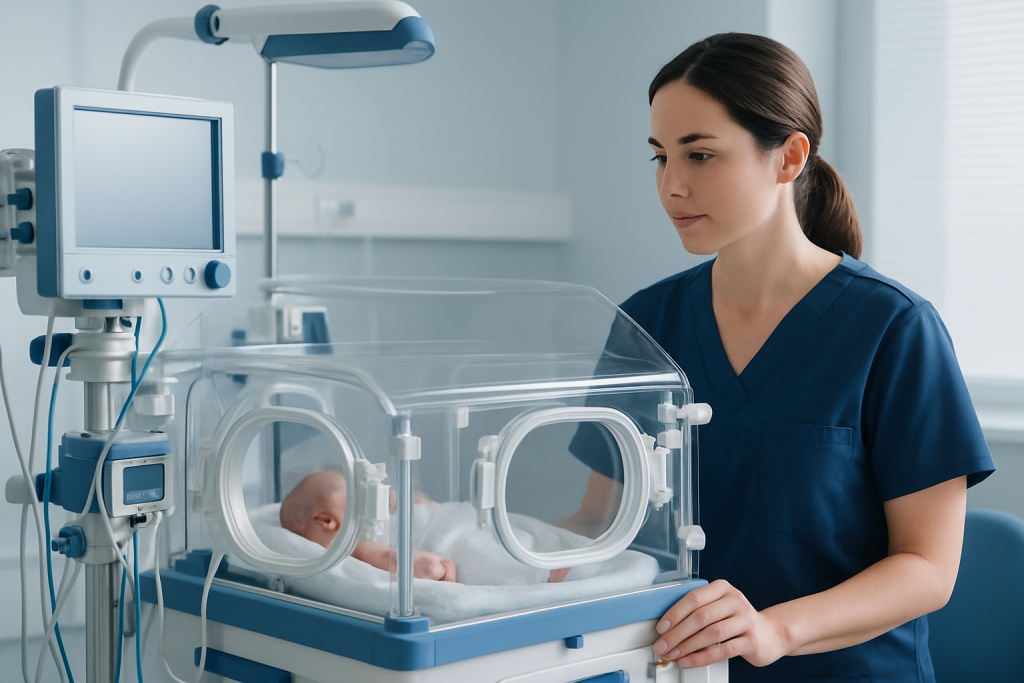
A neonatologist does not treat a single symptom or disease. Instead, this specialist is called when a newborn shows signs that need close medical evaluation or ongoing support. Some issues are visible right away in the delivery room, while others become clearer over the first hours or days of life.
Common reasons for neonatal assessment include breathing that seems fast, shallow, noisy, or labored; poor feeding or weak sucking; low body temperature; unusual sleepiness; jaundice that appears early or becomes more pronounced; and blue or pale skin color. Premature babies may also have trouble maintaining stable breathing, heart rate, or blood sugar levels. In some cases, the concern is not a symptom the parents notice directly, but a finding on monitoring or a complication identified before birth.
Warning signs in a newborn are not meant to alarm parents, but they do justify prompt review by a qualified clinician. Newborns can change quickly, and the neonatologist’s job is to distinguish normal adjustment from something that needs treatment or observation.
Causes & Risk Factors

There is no single cause behind the need for neonatal specialist care. Often, the baby’s age at birth, size, and transition to life outside the womb influence whether extra help is needed. Premature birth is one of the most common reasons a neonatologist becomes involved, because organs such as the lungs, brain, and digestive system may still be developing.
Other situations include low birth weight, twin or multiple pregnancy, difficult labor or delivery, meconium aspiration, infection, congenital conditions, or problems with oxygen supply around birth. Babies born to parents with certain medical conditions, such as diabetes or high blood pressure, may also be more likely to need close observation after delivery. Sometimes a newborn appears well initially but develops signs of jaundice, dehydration, feeding difficulty, or infection later, which still calls for specialist attention.
For families planning care from another country, it can be helpful to discuss risk factors before travel. If a baby is likely to need neonatal support, the safest plan often includes delivering in a hospital with a NICU and a team familiar with high-risk newborn care.
Diagnosis
In neonatal medicine, diagnosis starts with careful observation. A neonatologist looks at the baby’s breathing pattern, color, tone, feeding behavior, responsiveness, temperature, and vital signs. Because newborns cannot describe how they feel, even small physical clues can matter.
Depending on the concern, the care team may order blood tests to check infection markers, oxygen levels, glucose, bilirubin, electrolytes, or blood counts. Imaging such as chest X-rays or ultrasound may help evaluate the lungs, brain, abdomen, or heart. Pulse oximetry and continuous monitoring are often used in the NICU to track oxygen saturation and heart rate over time.
If a congenital condition is suspected, the neonatologist may coordinate with pediatric cardiology, surgery, genetics, or other specialties. Diagnosis in this setting is often a collaborative process rather than a single test result, and parents are usually updated step by step as the picture becomes clearer.
Treatment Options
Treatment depends entirely on the baby’s condition and how much support is needed. Some newborns require only observation and feeding support, while others need breathing assistance, medication, or specialized procedures. The NICU is designed to provide this range of care in a highly monitored setting.
Typical treatments may include oxygen therapy, CPAP or ventilator support for breathing, intravenous fluids, tube feeding when oral feeding is not yet safe or effective, antibiotics for suspected or confirmed infection, phototherapy for jaundice, and temperature regulation in an incubator. In more complex cases, the neonatologist may work with surgeons or subspecialists to manage heart defects, intestinal problems, or other congenital issues.
Parents are an important part of treatment even when their baby is receiving intensive care. Holding the baby when appropriate, learning feeding techniques, helping with skin-to-skin contact, and understanding monitor alarms can all support bonding and recovery. Before discharge, the team usually reviews medications, feeding plans, safe sleep, follow-up appointments, and what signs should prompt urgent medical review.
Prevention & Self-care
Not every neonatal problem can be prevented, but some steps can lower risk or improve the chances of a smoother start. Good prenatal care, management of maternal health conditions, infection prevention, and timely evaluation of pregnancy complications all matter. When a high-risk birth is anticipated, delivery in a hospital equipped for newborn intensive care can make a meaningful difference.
After a baby is born, practical self-care for families centers on information, organization, and support. Parents may find it helpful to keep a simple note of test results, medications, feeding instructions, and follow-up dates, especially if they are traveling or receiving care away from home. Asking the team how to contact the NICU after discharge can also reduce stress once the baby is home.
Emotional recovery matters too. Many parents feel exhausted or uncertain after a NICU stay, particularly if they are balancing medical decisions in a new country. Clear explanations, language support when needed, and realistic expectations about feeding, growth, and follow-up can make the experience more manageable.
- Attend all recommended prenatal appointments and screening tests.
- Tell the obstetric team about chronic medical conditions, medications, or prior pregnancy complications.
- Ask in advance where a baby would receive NICU care if early delivery becomes likely.
- After discharge, follow feeding and medication instructions exactly as given by the care team.
When to See a Doctor
A newborn should be assessed promptly if breathing seems difficult, the skin or lips look blue or gray, feeding is poor, the baby is unusually difficult to wake, or there is a fever or low temperature. These concerns do not always mean something serious is happening, but they do warrant medical review without delay.
Parents should also contact a doctor if jaundice appears in the first day of life, becomes deeper over time, or is paired with sleepiness or poor feeding. A baby who is not gaining weight, has fewer wet diapers than expected, or shows repeated vomiting should also be evaluated. In many cases, early contact prevents a small concern from becoming a larger one.
Families who are planning a delivery abroad, or returning home after a NICU admission, should make sure they know which doctor will review the baby next and how urgently. Acibadem Health Point’s multidisciplinary specialists and JCI-accredited hospitals diagnose and treat neonatal conditions for international patients, with coordinated care that can continue across the hospital stay and discharge planning.
Living With NICU Care and Follow-Up
A newborn hospital stay can feel like it reshapes the family’s first weeks together. Neonatal teams try to make that time as transparent as possible by explaining what each monitor, test, and treatment is for, and by involving parents in daily decisions whenever appropriate. This approach helps families feel like partners in care rather than observers.
Follow-up after discharge may include visits with the neonatologist, pediatrician, feeding specialists, or other subspecialists, depending on the baby’s needs. Some infants need weight checks, developmental surveillance, repeat jaundice testing, or home oxygen monitoring. For international patients, planning these appointments before travel home can make the transition far smoother.
Progress in neonatal care is often measured in small steps: finishing one feeding, maintaining temperature, breathing more steadily, or gaining weight consistently. Those steps matter. They are how the team knows a newborn is moving toward safer, more independent care.
Frequently asked questions
01What does a neonatologist do?
A neonatologist is a pediatric doctor who cares for newborns with medical needs that require close monitoring or specialized treatment. This often includes premature babies, infants with breathing problems, infections, feeding difficulties, or complications after birth.
02Is a neonatologist only needed in the NICU?
No. A neonatologist may be involved in the delivery room, in the NICU, or during follow-up after the baby leaves the hospital. Their role can begin before birth if a pregnancy is known to carry higher risk.
03How is a neonatologist different from a pediatrician?
A pediatrician cares for children from birth through adolescence, while a neonatologist has additional training focused on newborns, especially medically fragile infants. In many hospitals, the two work together so the baby can transition smoothly from specialist care to routine pediatric care.
04What kind of tests might a newborn need?
Tests vary by concern, but they may include blood work, bilirubin measurement, oxygen monitoring, chest X-rays, or ultrasound. The neonatologist chooses tests based on the baby’s symptoms and overall condition.
05Can parents stay involved during NICU care?
Yes, parents are usually encouraged to participate as much as the baby’s condition allows. They may help with skin-to-skin contact, feeding, comforting, and learning how to care for the baby before discharge.
06When should a newborn be seen urgently?
Urgent medical review is important if a newborn has trouble breathing, appears blue or gray, is hard to wake, feeds very poorly, or has a fever or low temperature. These signs deserve prompt attention even if they later turn out to have a simple explanation.
This article is for general information only and is not a substitute for professional medical advice. Please consult a qualified doctor about your individual situation.
Heart care in Turkey — expert evaluation and treatment
JCI-accredited · board-certified surgeons · reply within 24h
Add us as a Preferred Source to see more of our trusted health content across Google Search, AI Overviews and Discover.