

What Is 10 Weeks Pregnant? A Complete Medical Guide

Key Takeaways
- Ten weeks pregnant means the pregnancy is still in the first trimester and the embryo is approaching the end of the embryonic stage.
- Common symptoms can include nausea, fatigue, breast tenderness, bloating, and emotional changes, though experiences vary widely.
- This is a period of rapid organ development, and prenatal care helps confirm pregnancy progress and screen for concerns.
- Healthy habits such as hydration, balanced meals, prenatal vitamins, and avoiding alcohol and smoking support maternal and fetal well-being.
- New bleeding, severe pain, persistent vomiting, fainting, or a sudden loss of pregnancy symptoms should be reviewed by a doctor.
At 10 weeks pregnant, a baby is still in the first trimester, and many early pregnancy symptoms may be noticeable, easing, or changing form. This stage is often defined by rapid fetal development, important prenatal care milestones, and the need for gentle self-care and medical guidance.
Overview
Being 10 weeks pregnant means the pregnancy is well established, but still very early. At this stage, the body is working hard to support a rapidly developing baby, and many people begin to notice that the first trimester feels both physically and emotionally intense.
For many patients, this week brings a practical question: what is normal right now? The answer is that normal can look quite different from one pregnancy to another. Some people still feel strong nausea and fatigue, while others notice symptoms easing for the first time.
Medical care in the first trimester is important because it helps confirm the pregnancy’s progress, estimate gestational age, and identify any issues early. For Myomectomy Recovery for International Patients: The Usual Travel Timeline" class="ahp-ilk">international patients considering care abroad, this is also a stage when clear communication, continuity of records, and timely follow-up matter greatly.
What Is Happening in the Baby’s Development?
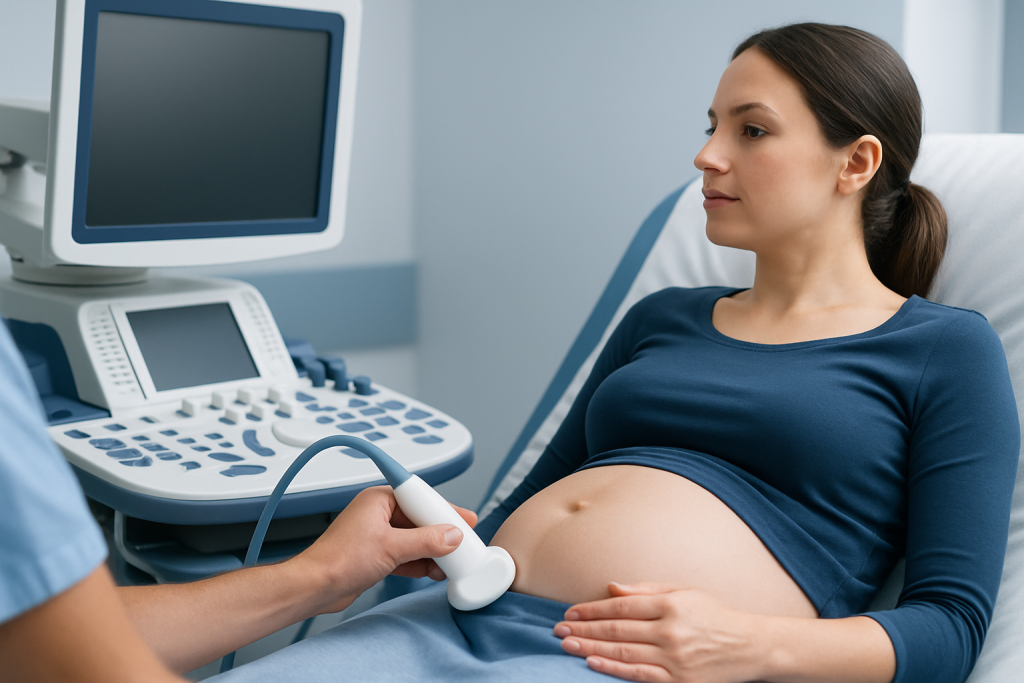
At 10 weeks, the pregnancy is moving from the embryo stage toward the fetal stage. Major structures have already begun forming, and now the focus shifts toward growth, refinement, and organ maturation. This is a period of remarkable change, even though the baby is still very small.
The head remains proportionally large, facial features are becoming more defined, and tiny limbs are continuing to move. Fingers and toes are more distinct, and internal organs such as the brain, heart, kidneys, and digestive system are developing further.
Although the baby is not yet visible in a way that feels familiar to most parents, ultrasound at this stage can often provide reassurance by showing growth and cardiac activity. Doctors use these early images alongside the menstrual history and examination findings to understand how the pregnancy is progressing.
Common Symptoms at 10 Weeks Pregnant
Symptoms in week 10 are often shaped by rising pregnancy hormones. Nausea, sometimes called morning sickness, may still be strong and can occur at any time of day. Fatigue is also common, and many people feel they need more rest than usual.
Other frequent symptoms include breast tenderness, bloating, increased urination, food aversions, heightened sense of smell, constipation, and mood changes. Some people also notice mild cramping as the uterus grows, which can be normal when it is not severe and does not come with heavy bleeding.
It is also common to wonder whether symptoms mean the pregnancy is healthy. Pregnancy symptoms can fluctuate from day to day, and changes alone do not always signal a problem. Still, sudden or concerning changes should be discussed with a qualified clinician, especially if they are paired with pain or bleeding.
- Nausea or vomiting
- Fatigue
- Breast soreness
- Bloating and constipation
- Frequent urination
- Emotional sensitivity
Causes & Risk Factors
The changes felt at 10 weeks pregnant are primarily caused by normal hormonal shifts, especially rising levels of human chorionic gonadotropin (hCG), progesterone, and estrogen. These hormones help maintain the pregnancy, but they also influence digestion, mood, temperature, and energy levels.
Risk factors for pregnancy complications are not the same as the causes of common symptoms. Factors such as older maternal age, certain chronic illnesses, previous pregnancy loss, smoking, alcohol use, substance exposure, untreated thyroid disease, and some infections can increase the chance of needing closer medical attention.
Multiple pregnancy, fertility treatment, and a history of ectopic pregnancy or miscarriage may also justify earlier or more frequent monitoring. A doctor can help determine what level of follow-up is appropriate based on personal history and current findings.
How Doctors Confirm and Monitor Progress
At this stage, a doctor may confirm the pregnancy with a combination of history, examination, urine or blood testing, and ultrasound when appropriate. Ultrasound can help confirm the pregnancy is located in the uterus, estimate gestational age, and assess fetal heartbeat and growth.
Prenatal visits are also an opportunity to review medical history, medications, supplements, vaccination status, and any symptoms that might need attention. Depending on individual circumstances, the clinician may order blood tests to check blood type, anemia, infection screening, immunity status, or other items related to pregnancy care.
For patients traveling from another country, keeping copies of previous tests, ultrasound reports, and medication lists can make these visits smoother. Consistent records help the team compare findings accurately and plan the next steps without unnecessary delay.
Treatment Options and Symptom Relief
There is no treatment needed for a healthy pregnancy at 10 weeks beyond routine prenatal care, but symptoms often benefit from practical support. Small, frequent meals may help with nausea, and staying hydrated is important even when appetite is low. Bland foods, ginger, and avoiding strong smells can be helpful for some people.
Constipation can often improve with fluids, fiber-rich foods, and gentle activity if a clinician agrees it is safe. Rest is important too, and many patients need to adjust their schedule, especially if fatigue is affecting daily life. Any medication, including over-the-counter products, should be discussed with a doctor or pharmacist before use in pregnancy.
If nausea and vomiting become severe enough to interfere with drinking, eating, or keeping down medications, medical care is needed. Doctors can evaluate for dehydration or hyperemesis gravidarum and recommend appropriate management.
Prevention & Self-Care
Good prenatal self-care at 10 weeks is less about doing everything perfectly and more about protecting the basics consistently. A prenatal vitamin containing folic acid is commonly recommended during early pregnancy, and many patients are also advised to support nutrition with balanced meals when possible.
Alcohol, smoking, vaping, and recreational drugs should be avoided in pregnancy. It is also sensible to review prescription medicines, herbal products, and supplements with a doctor, since not all products are safe during pregnancy. Food safety matters as well, including avoiding undercooked meat, unpasteurized dairy, and poorly handled foods.
Gentle movement, enough sleep, stress reduction, and planning ahead for appointments can all support well-being. For patients receiving care while away from home, it helps to identify where emergency services are located and how to contact the obstetric team after hours.
When to See a Doctor
Medical review is recommended if there is vaginal bleeding, severe or one-sided abdominal pain, shoulder pain, fainting, fever, or repeated vomiting that prevents hydration. These symptoms do not always indicate a serious problem, but they should be assessed promptly.
A doctor should also be contacted if pregnancy symptoms suddenly disappear and are accompanied by bleeding or cramping, or if there are concerns about infection, dehydration, or medication safety. It is better to ask early than to wait and worry, especially in early pregnancy when reassurance or timely treatment can make a meaningful difference.
If care is being sought abroad, patients may benefit from choosing a center that can coordinate obstetric evaluation, imaging, and follow-up. Acibadem Health Point’s multidisciplinary specialists and JCI-accredited hospitals diagnose and treat pregnancy-related concerns for international patients with coordinated support.
What to Expect at the Next Stage
The next few weeks usually bring a shift in how pregnancy feels. For some people, nausea begins to ease later in the first trimester, while others continue to have symptoms for a while longer. The uterus continues to grow, and prenatal care typically becomes more structured as the pregnancy progresses.
This is also a good time to prepare questions for the next appointment. Topics may include screening tests, travel plans, exercise, work adjustments, and how to handle symptoms that are affecting daily life. Clear communication with the care team can reduce uncertainty and make the rest of the pregnancy feel more manageable.
Although the early weeks can feel unpredictable, 10 weeks pregnant is a meaningful milestone. It is a stage where careful monitoring, simple daily habits, and timely medical advice work together to support both parent and baby.
Frequently asked questions
01Is 10 weeks pregnant still considered the first trimester?
Yes. Ten weeks pregnant is still within the first trimester, which lasts until about week 13. This is a period of rapid development and common symptom changes.
02What does the baby look like at 10 weeks pregnant?
At 10 weeks, the baby is still very small, but the basic body structure is forming more clearly. The head is still large compared with the body, and the limbs, fingers, toes, and facial features are becoming more defined.
03Is it normal to still feel nauseous at 10 weeks pregnant?
Yes, nausea is very common at this stage and may continue for several more weeks. If vomiting becomes severe or prevents eating and drinking, a doctor should assess it.
04Should pregnancy symptoms disappear at 10 weeks?
Not necessarily. Symptoms can fluctuate from day to day, and some people notice a gradual easing while others do not. Sudden changes along with bleeding or pain should be evaluated by a doctor.
05Is an ultrasound usually done at 10 weeks?
It may be done depending on the pregnancy history, symptoms, or local prenatal care practices. Ultrasound can help confirm the pregnancy location, assess growth, and check for fetal heartbeat.
06What should a patient avoid at 10 weeks pregnant?
Alcohol, smoking, recreational drugs, and any medication or supplement not reviewed by a clinician should be avoided. Food safety and infection prevention are also important during early pregnancy.
This article is for general information only and is not a substitute for professional medical advice. Please consult a qualified doctor about your individual situation.
Persistent digestive symptoms? Get evaluated in Turkey
JCI-accredited · board-certified surgeons · reply within 24h
Add us as a Preferred Source to see more of our trusted health content across Google Search, AI Overviews and Discover.


