What Does a Neurologist Do for Headaches, Tremor, and Numbness?

A neurologist assesses symptoms such as headaches, tremor, and numbness to find out whether the brain, spinal cord, nerves, or muscles may be involved. The goal is to make an accurate diagnosis, rule out urgent conditions, and create a treatment plan that fits the person’s symptoms and overall health.
Overview: when a neurologist becomes involved
A neurologist is a doctor who specializes in conditions affecting the brain, spinal cord, peripheral nerves, and muscles. People are often referred to a neurologist when symptoms suggest that the nervous system may be involved, especially if symptoms are recurring, unexplained, progressive, or affecting daily life. Headaches, tremor, and numbness are among the most common reasons for a neurology consultation.
These symptoms can overlap with many different conditions. For example, a headache may be related to migraine, tension-type headache, medication overuse, or a less common structural or vascular problem. Tremor may be a benign essential tremor, a medication side effect, an overactive thyroid, anxiety, or part of a movement disorder. Numbness can come from a compressed nerve, poor posture, diabetes-related nerve damage, vitamin deficiency, migraine aura, or disorders affecting the brain or spinal cord.
The neurologist’s role is to listen carefully, look for patterns, perform a focused neurological examination, and decide whether symptoms point to a common condition, a chronic neurological disorder, or a problem that needs urgent attention. In some cases, the evaluation may also involve a headache specialist, movement disorder specialist, or another neurology subspecialist such as headache medicine or movement disorder care.
What symptoms a neurologist evaluates
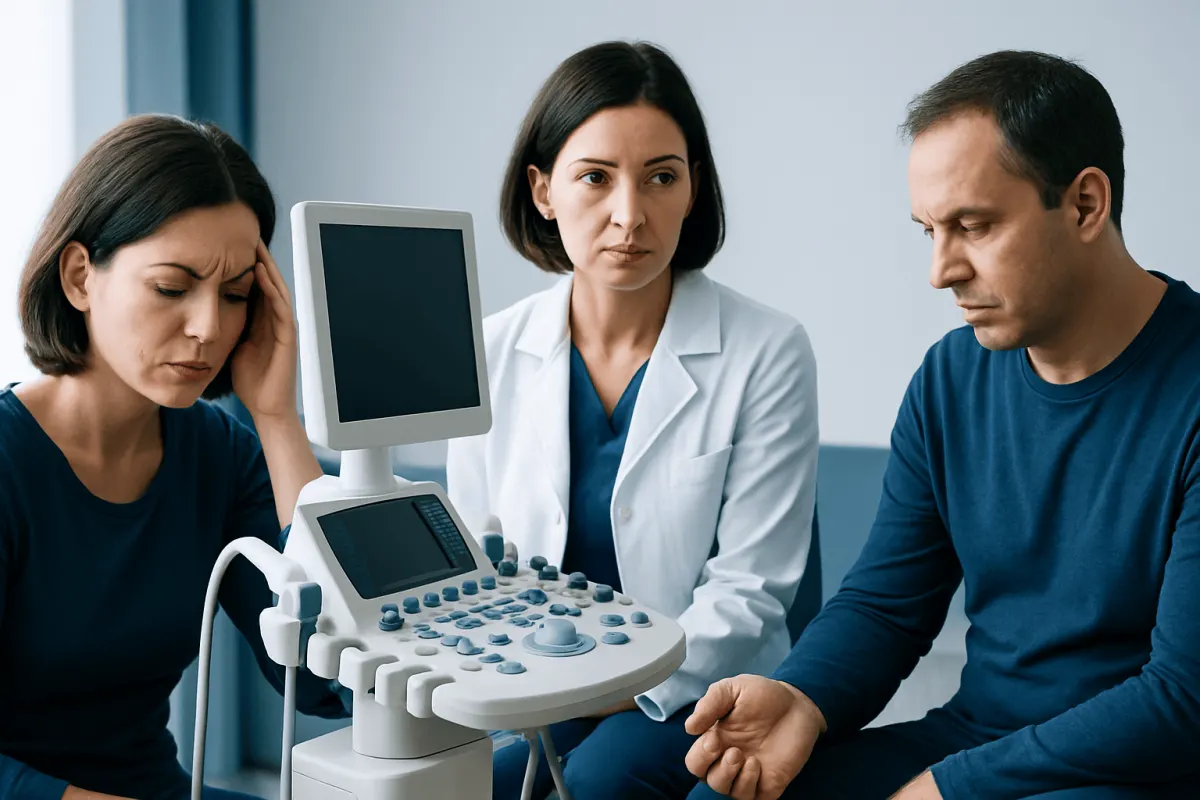
Headaches are evaluated based on their pattern, timing, severity, triggers, and associated symptoms. A neurologist may ask whether the headache is new or longstanding, whether it starts suddenly or builds gradually, whether it comes with nausea, light sensitivity, visual changes, weakness, or dizziness, and whether pain medicines are being used frequently. This helps distinguish common primary headaches from headaches caused by another medical issue.
Tremor is assessed by observing when it happens and what makes it better or worse. Some tremors appear when the hands are in use, such as while writing, holding a cup, or reaching for an object. Others are more noticeable at rest. The neurologist also asks about family history, caffeine intake, stress, sleep, medications, and any slowness, stiffness, balance changes, or voice tremor. One common diagnosis is essential tremor, but the evaluation is designed to confirm the cause rather than assume it.
Numbness is described in terms of location, timing, and associated features. The doctor may ask whether numbness affects one hand, both feet, one side of the face, or one side of the body; whether it comes with tingling, burning, pain, weakness, or balance problems; and whether symptoms are constant or intermittent. This information helps show whether the issue may involve a single nerve, several nerves, the spinal cord, or the brain.
Many people have more than one symptom at once. For example, headaches may occur with visual changes or temporary tingling, and tremor may coexist with numbness if there is a medication effect, nerve problem, or broader neurological condition. The neurologist works to connect these details into a clear picture.
How the neurologist finds the cause

The first step is a detailed medical history. The neurologist reviews the exact symptoms, when they started, how they have changed, what triggers them, and what makes them better. The visit also covers past medical conditions, family history, medications and supplements, alcohol or caffeine use, sleep quality, recent infections, injuries, and any previous scans or test results. This history often provides the most important clues.
Next comes the neurological examination. This may include checking mental status, speech, eye movements, facial strength, muscle tone, strength, sensation, reflexes, coordination, balance, gait, and fine motor control. In a person with tremor, the neurologist may watch handwriting, spiral drawing, posture, and movement. In a person with numbness, the exam may test light touch, pinprick, vibration, and position sense to map the affected area.
Based on the findings, the neurologist decides whether more testing is needed. Not every person needs a scan or extensive testing. When tests are helpful, they may include blood tests, MRI or CT imaging, and specialized nerve or brain studies. Imaging can be arranged through services such as neuroradiology, while electrical testing through neurophysiology may help evaluate nerve function, muscle activity, or seizure-like symptoms when relevant.
The goal of testing is not to order everything at once, but to choose the right tests for the most likely causes. This targeted approach helps avoid unnecessary procedures while still identifying conditions that need treatment.
Common diagnoses behind headaches, tremor, and numbness
For headaches, neurologists commonly diagnose migraine, tension-type headache, and less often cluster headache or secondary headaches caused by another condition. Migraine can cause throbbing pain, nausea, light sensitivity, and sometimes temporary neurological symptoms such as visual changes or tingling. Tension-type headaches are often described as pressure or tightness around the head. Some patients may also benefit from learning more about tension-type headache or cluster headache if those patterns fit their symptoms.
For tremor, the cause may be essential tremor, medication-related tremor, enhanced physiologic tremor from stress or stimulants, thyroid-related tremor, or a movement disorder such as Parkinsonian tremor. The pattern matters. A hand tremor that worsens while holding objects or writing may suggest essential tremor, while a resting tremor with slowness or stiffness may point in a different direction.
For numbness, common causes include pinched nerves in the neck or back, carpal tunnel syndrome, peripheral neuropathy, vitamin deficiencies, diabetes, shingles-related nerve injury, and circulation or autoimmune-related nerve problems. In some cases, intermittent numbness may be part of migraine aura; in others, numbness affecting one side of the body could signal a brain-related cause. Persistent tingling or sensory loss in the feet may be evaluated in the setting of neuromuscular diseases or peripheral neuropathy care.
Less commonly, these symptoms can be linked to conditions such as multiple sclerosis, stroke, spinal cord disorders, infections, or tumors. This is why a neurological assessment is important when symptoms are severe, new, progressive, or unusual for the individual.
Treatment options a neurologist may recommend
Treatment depends on the diagnosis. For headaches, a neurologist may recommend identifying triggers, improving sleep and hydration, adjusting caffeine intake, and using medications for acute relief or prevention when needed. People with frequent migraine may be advised to keep a headache diary and follow a tailored treatment plan. If symptoms are consistent with migraine care, treatment may include preventive strategies as well as rescue therapies.
For tremor, management may include reducing aggravating factors such as excess caffeine, reviewing medications that may worsen shaking, and using medicines when tremor interferes with writing, eating, or work. Occupational therapy strategies can also help. For more complex or disabling cases, a neurologist may discuss advanced therapies, including neuromodulation, when appropriate and after careful assessment.
For numbness, treatment focuses on the underlying cause. This may involve splinting for nerve compression, physical therapy, better blood sugar control, vitamin replacement, medication adjustments, or treatment of inflammatory or autoimmune disease. If weakness or significant balance problems are present, rehabilitation and fall-prevention advice may also be important.
Some people need ongoing follow-up rather than one-time treatment. Neurological symptoms may evolve over time, and regular review helps the doctor monitor response, adjust treatment, and decide whether new symptoms need re-evaluation.
What to expect at the appointment and how to prepare
Preparing for a neurology appointment can make the visit more useful. It helps to bring a list of symptoms, when they began, how often they occur, and anything that seems to trigger them. People with headaches may note the location of pain, associated symptoms, menstrual timing if relevant, and how often pain medicine is used. People with tremor may record whether it happens at rest or during action, while those with numbness may describe the exact body area involved.
It is also helpful to bring a list of all medications, vitamins, and supplements, as well as copies of previous test results if available. Family history can be important, especially for tremor, migraine, neuropathy, or stroke. If symptoms are intermittent, a short video of a tremor episode or notes about a numbness pattern can sometimes provide valuable information.
During the visit, the neurologist may explain why certain causes are more or less likely and whether tests are needed now or only if symptoms change. Many patients feel reassured when they understand what the exam findings mean and what warning signs to watch for. Toward the end of care planning, some international patients may choose centers such as Acıbadem Health Point, where multidisciplinary specialists in JCI-accredited hospitals evaluate and treat neurological conditions.
When to seek urgent medical care
Some symptoms should be treated as urgent because they may signal a serious neurological problem. Immediate medical attention is needed for sudden weakness, facial drooping, difficulty speaking, confusion, loss of consciousness, a seizure, sudden severe “worst headache,” or numbness affecting one side of the body. These can be signs of a stroke or another emergency, including stroke or bleeding around the brain.
Urgent evaluation is also important for a new severe headache with fever, neck stiffness, head injury, cancer history, pregnancy-related concerns, or major change in vision. Numbness with bowel or bladder changes, rapidly worsening weakness, or trouble walking should also be assessed promptly. Tremor that starts suddenly along with other neurological changes needs immediate review as well.
If symptoms are not emergent but are persistent, worsening, or interfering with work, sleep, balance, or quality of life, it is still wise to arrange a medical evaluation. Early assessment can help identify treatable causes and provide reassurance when symptoms are not due to a dangerous condition.
Frequently asked questions
01Should a person see a neurologist for headaches?
Many headaches can be managed by a primary care doctor, but a neurologist may be helpful when headaches are frequent, severe, unusual, or not improving with initial treatment. A neurology evaluation is also useful when headaches come with visual changes, numbness, weakness, dizziness, or other neurological symptoms.
02What kind of tests might a neurologist order for tremor?
The evaluation often begins with history and examination, and some people do not need many tests. When needed, a neurologist may order blood tests, brain imaging, or other studies to look for causes such as medication effects, thyroid problems, or movement disorders.
03Is numbness always a nerve problem?
Not always. Numbness can come from a peripheral nerve, the spinal cord, or the brain, and sometimes it is related to circulation, vitamin deficiency, migraine aura, or metabolic conditions. The pattern of numbness and the neurological exam help narrow down the cause.
04Can stress cause tremor or headaches?
Stress can worsen both headaches and tremor, and in some people it can trigger episodes. However, stress should not be assumed to be the only cause, especially if symptoms are new, persistent, or associated with numbness, weakness, or other neurological changes.
05When is numbness an emergency?
Numbness needs urgent attention if it starts suddenly, affects one side of the body, comes with weakness, trouble speaking, vision loss, severe headache, or difficulty walking. These symptoms can suggest a stroke or another urgent neurological problem.
06Can a neurologist treat symptoms even before a final diagnosis is confirmed?
Yes. In many cases, a neurologist can begin symptom relief while the evaluation continues, such as helping control headaches or reduce tremor-related disruption. At the same time, treatment is usually adjusted as more information becomes available.
This article is for general information only and is not a substitute for professional medical advice. Please consult a qualified doctor about your individual situation.
Persistent digestive symptoms? Get evaluated in Turkey
JCI-accredited · board-certified surgeons · reply within 24h
Add us as a Preferred Source to see more of our trusted health content across Google Search, AI Overviews and Discover.