What Do Hemorrhoids Feel Like?

Key Takeaways
- Hemorrhoids often feel like itching, pressure, tenderness, or a swollen lump near the anus.
- Internal hemorrhoids may cause painless bright red bleeding, while external hemorrhoids are more likely to be painful.
- Constipation, straining, prolonged sitting on the toilet, pregnancy, and low fiber intake can increase the likelihood of hemorrhoids.
- A medical evaluation is important if rectal bleeding is persistent, severe, or paired with weight loss, dark stools, or significant pain.
- Many cases improve with fiber, fluids, better bowel habits, and doctor-recommended treatments when needed.
Hemorrhoids can feel different from person to person, but they commonly cause itching, pressure, soreness, swelling, or bleeding during bowel movements. Understanding the pattern of symptoms can help a person recognize when self-care may be enough and when a doctor should evaluate the cause.
Overview
Hemorrhoids are swollen veins in the lower rectum or around the anus. When people ask what hemorrhoids feel like, the answer is often more varied than expected: some notice only a mild itch or a sense of fullness, while others feel a tender lump, burning, or discomfort when sitting, wiping, or passing stool.
The sensation depends partly on where the hemorrhoid is located. Internal hemorrhoids form inside the rectum and may not hurt, even if they bleed. External hemorrhoids develop under the skin around the anus and are more likely to cause soreness, swelling, or a firm bump that can be felt with a finger or during hygiene.
For many people, the symptoms come and go. A flare may appear after constipation, a hard bowel movement, heavy straining, or long periods of sitting on the toilet. Because these signs can overlap with other bowel and rectal problems, it is sensible to look at the pattern of symptoms rather than a single moment of discomfort.
Symptoms
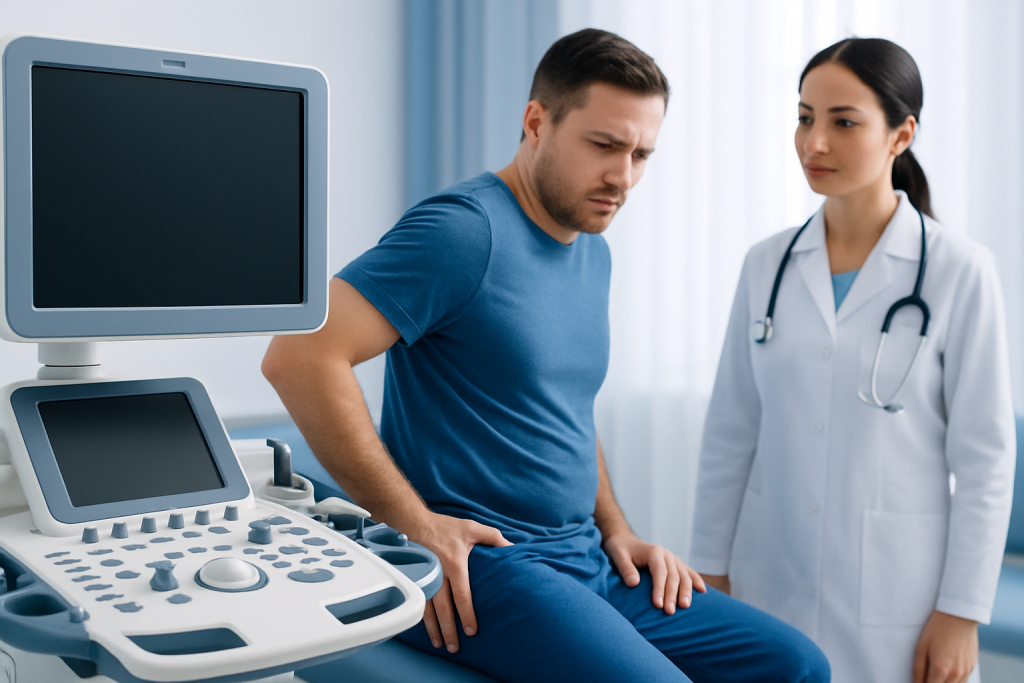
Hemorrhoid symptoms usually center on the anal and rectal area. The most common sensations include itching, irritation, pressure, aching, or a feeling that the bowel movement was not fully finished. Some people also describe a wet or raw feeling, especially if the skin has been irritated by frequent wiping or discharge.
Internal hemorrhoids often cause painless bleeding. A person may see bright red blood on toilet paper, in the toilet bowl, or on the surface of stool. They may also feel a sense of bulging or slipping during bowel movements if the hemorrhoid temporarily protrudes.
External hemorrhoids tend to be easier to notice by touch. They can feel like a soft or firm lump near the anus and may become more painful if a clot forms inside them, which can create sudden swelling and marked tenderness. Common symptom patterns include:
- Itching or burning around the anus
- Pain or soreness when sitting or cleaning the area
- Bright red rectal bleeding
- A palpable lump or swelling near the anal opening
- Discomfort during bowel movements
Causes & Risk Factors
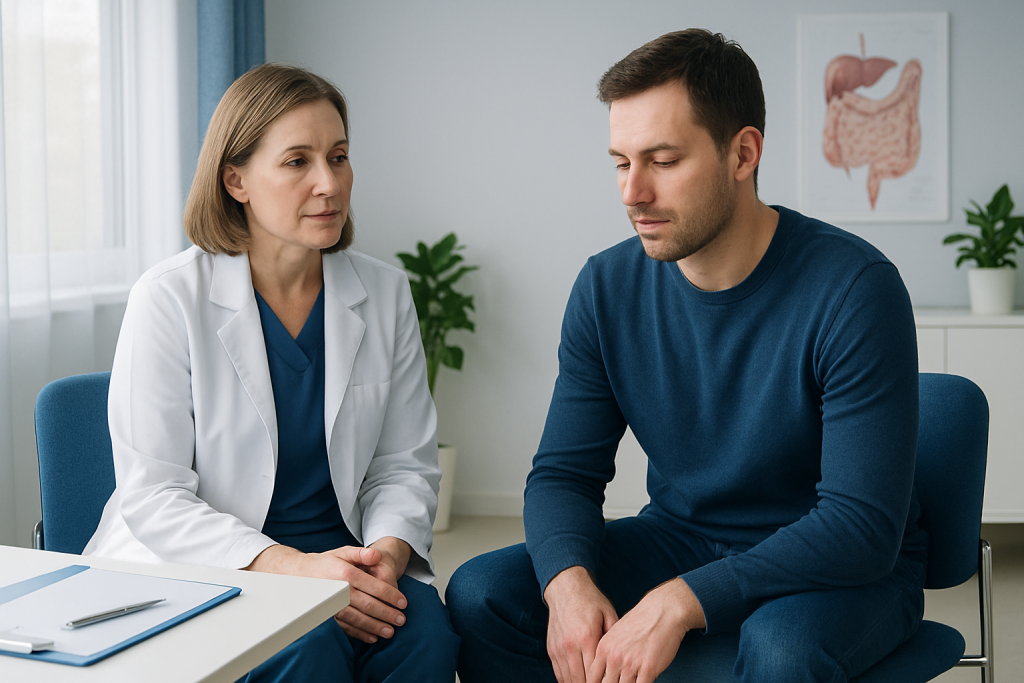
Hemorrhoids develop when pressure builds in the veins of the rectum and anus. Anything that repeatedly increases that pressure can contribute, including straining, constipation, sitting too long on the toilet, or having bowel movements that require prolonged pushing. Over time, the veins can swell and the surrounding tissue may become irritated.
Several life circumstances can make hemorrhoids more likely. Pregnancy can increase pelvic pressure and affect blood flow. Aging may weaken the tissues that support the rectal veins. People who spend long periods sitting, lift heavy objects regularly, or have a diet low in fiber may also be more prone to symptoms.
Common risk factors include:
- Chronic constipation or diarrhea
- Straining during bowel movements
- Low fiber intake
- Pregnancy
- Obesity or prolonged sitting
- Family history of hemorrhoids
International patients who travel for care may also find that diet changes, altered routines, and reduced fluid intake during flights or long trips can worsen constipation, which in turn may trigger hemorrhoid symptoms.
Diagnosis
A doctor usually starts with a careful history of symptoms: what the person feels, when the symptoms began, whether there is bleeding, and whether bowel habits have changed. This conversation matters because hemorrhoids can resemble other conditions, and rectal bleeding should never be assumed to come from hemorrhoids without assessment.
The physical examination may include inspection of the anal area and, if needed, a digital rectal exam. In some cases, the doctor may use a short viewing instrument to examine the lower rectum more closely. If symptoms suggest another cause, further testing may be recommended to rule out issues such as anal fissures, Ulcerative Colitis, and Flares" class="ahp-ilk">inflammatory bowel disease, polyps, or more serious conditions.
For someone arranging care from another country, diagnostic planning is often straightforward when coordinated in advance. A specialist can advise what records to bring, whether imaging or endoscopic evaluation is likely, and what follow-up will be needed after returning home.
Treatment Options
Treatment depends on symptom severity and the type of hemorrhoid. Mild cases often improve with measures that soften stool and reduce straining. Doctors may suggest fiber supplements, increased fluids, warm sitz baths, and over-the-counter topical products to relieve itching or discomfort. These steps do not remove hemorrhoids, but they can make symptoms much easier to manage.
When hemorrhoids cause ongoing bleeding, repeated flares, or more significant pain, office-based procedures may be appropriate. Common options include rubber band ligation for internal hemorrhoids, which cuts off blood flow so the tissue shrinks, and other minimally invasive techniques selected by the doctor. External hemorrhoids are sometimes treated conservatively, but a painful clot may need medical evaluation.
Surgery is generally reserved for persistent, large, or severe hemorrhoids that do not respond to other care. The best approach depends on symptoms, anatomy, and the person’s overall health. Recovery planning matters, especially for international patients, because the team should consider pain control, wound care, travel timing, and follow-up before the person leaves the country.
Prevention & Self-care
Many hemorrhoid flare-ups can be reduced by protecting bowel habits. The goal is to make stools soft, regular, and easy to pass. A fiber-rich diet, adequate water intake, and regular physical activity can all help keep pressure off the anal veins.
Small behavior changes are often surprisingly effective. People are usually advised not to strain, not to sit on the toilet for long periods, and to respond to the urge to have a bowel movement rather than delaying it. Gentle cleaning after bowel movements may also reduce irritation better than repeated vigorous wiping.
Helpful self-care habits include:
- Eating more fiber from fruits, vegetables, whole grains, and legumes
- Drinking enough fluids throughout the day
- Avoiding prolonged sitting on the toilet
- Using warm baths or sitz baths for comfort
- Staying active to support regular bowel function
For people recovering while traveling or after returning home, it can help to keep a simple routine: maintain hydration, avoid constipation-triggering meals when possible, and follow the doctor’s instructions closely so symptoms do not return during the healing period.
When to See a Doctor
Rectal bleeding should be evaluated rather than self-diagnosed, even when hemorrhoids seem likely. A doctor can confirm the cause and make sure nothing else is contributing to the symptom. This is especially important if the bleeding is recurring, the pain is significant, or bowel habits have changed.
Medical care is also advisable when symptoms interfere with daily life, when there is a hard or very tender lump, or when home measures have not helped after a reasonable period. A person should seek prompt attention if bleeding is accompanied by weakness, black or tarry stool, fever, severe abdominal pain, or unexplained weight loss.
For international patients, a consultation can be planned in a coordinated way so testing, treatment, and recovery guidance happen smoothly. Acibadem Health Point’s multidisciplinary specialists and JCI-accredited hospitals diagnose and treat hemorrhoids for international patients with an emphasis on clear follow-up planning and safe care continuity.
Frequently asked questions
01What do hemorrhoids usually feel like?
They often feel like itching, pressure, soreness, or a small lump near the anus. Some people also notice burning or discomfort when sitting or wiping. Internal hemorrhoids may cause little or no pain but can still bleed.
02Can hemorrhoids hurt all the time?
Some hemorrhoids cause only occasional discomfort, while others remain sore, especially after a bowel movement. A painful external hemorrhoid can be particularly tender for several days. Ongoing pain should be checked by a doctor because not every anal pain is due to hemorrhoids.
03Why do hemorrhoids bleed?
The swollen veins can become irritated or fragile, especially during a bowel movement. This may lead to bright red blood on toilet paper or in the toilet bowl. Any rectal bleeding deserves medical assessment so the cause is confirmed.
04Do hemorrhoids go away on their own?
Mild hemorrhoids often improve when constipation and straining are reduced. Still, they may return if the underlying bowel habits do not change. Persistent or severe symptoms may need medical treatment.
05What is the difference between hemorrhoids and an anal fissure?
Hemorrhoids are swollen veins, while an anal fissure is a small tear in the anal lining. Fissures often cause sharp pain during bowel movements, whereas hemorrhoids more commonly cause itching, pressure, or bleeding. A doctor can tell the difference with an examination.
06When should someone worry that it is not hemorrhoids?
If there is black stool, large amounts of blood, fever, unexplained weight loss, or ongoing abdominal pain, another condition may be present. New rectal bleeding should not be assumed to be hemorrhoids without evaluation. A medical exam helps ensure the right diagnosis and treatment.
This article is for general information only and is not a substitute for professional medical advice. Please consult a qualified doctor about your individual situation.
Persistent digestive symptoms? Get evaluated in Turkey
JCI-accredited · board-certified surgeons · reply within 24h
Add us as a Preferred Source to see more of our trusted health content across Google Search, AI Overviews and Discover.