What Causes Fluid on the Lungs in Elderly?

Key Takeaways
- “Fluid on the lungs” is a general phrase that may describe pulmonary edema or pleural effusion.
- Heart failure is one of the most common causes in older adults, but infections and kidney disease can also contribute.
- Symptoms often include shortness of breath, cough, chest discomfort, fatigue, or trouble lying flat.
- Diagnosis usually involves a physical exam, oxygen checks, imaging, and sometimes blood tests or fluid sampling.
- Treatment depends on the cause and may include medicines, oxygen, drainage procedures, or treatment of an underlying condition.
In older adults, “fluid on the lungs” usually refers to either pulmonary edema or pleural effusion, and it can happen for several different reasons. The most common causes include heart failure, infection, kidney problems, and other conditions that affect fluid balance or lung function.
Overview
When people ask what causes fluid on the lungs in elderly adults, the answer is usually not one single disease. In everyday language, “fluid on the lungs” often refers to either pulmonary edema, which is fluid inside the lung tissue and air spaces, or pleural effusion, which is fluid collecting around the lungs in the pleural space.
Both problems can make breathing feel more difficult, but they have different causes and treatments. In older adults, the most common reason is often heart failure, though infection, kidney disease, blood clots, liver disease, cancer, and some medicines can also play a role. Because the cause determines the treatment, medical evaluation is important rather than relying on the phrase alone.
For international patients, this distinction matters early. A doctor may need to decide whether the person is dealing with a sudden problem that requires urgent care or a slower build-up that needs planned testing and follow-up. Understanding the cause can also help families plan safer travel, recovery, and ongoing care after discharge.
Symptoms
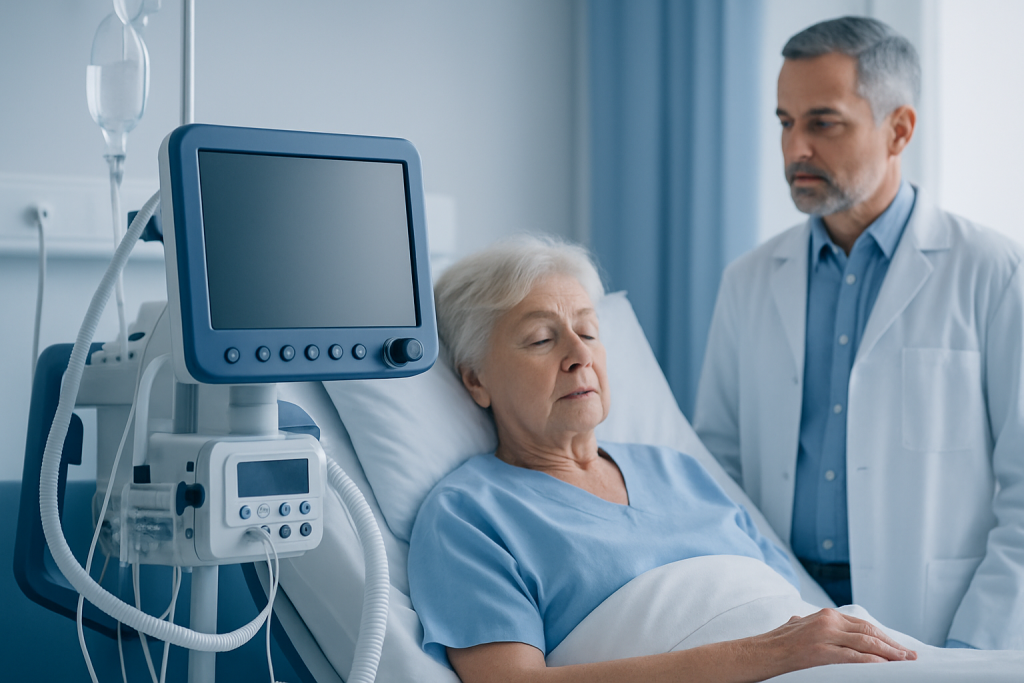
The symptoms depend on where the fluid is and how quickly it develops. Some older adults notice increasing shortness of breath first, while others may have a cough, fatigue, or a feeling of chest tightness. Breathing may become more difficult when lying flat, and many people find they need extra pillows at night.
In pulmonary edema, the lungs themselves become congested, which can cause rapid breathing, wheezing, a cough that may produce frothy sputum, or a sense of panic when breathing becomes hard. With pleural effusion, the fluid outside the lungs can reduce lung expansion, causing a more gradual shortness of breath and discomfort, especially on deep breaths.
Other signs can include swelling in the legs, reduced exercise tolerance, low oxygen levels, confusion, or unusual sleepiness in frailer older adults. Because symptoms in elderly people can be less typical, even mild changes in breathing, energy, or alertness deserve attention.
Causes & Risk Factors

The most common answer to what causes fluid on the lungs in elderly people is heart-related fluid overload, especially heart failure. When the heart does not pump efficiently, blood can back up into the lungs and pressure can force fluid where it does not belong. This may happen suddenly or gradually, and it is more likely in people with long-standing high blood pressure, coronary artery disease, or valve problems.
Other important causes include pneumonia and other infections, which can inflame the lungs and sometimes lead to fluid around them; kidney disease, which can make the body retain salt and water; and liver disease, which can alter fluid balance. A blood clot in the lungs may also cause shortness of breath and sometimes fluid-related changes, while cancers and autoimmune conditions can lead to pleural effusion.
Risk is higher in older adults because several factors often overlap at once. Reduced heart reserve, decreased kidney function, limited mobility, swallowing difficulties, smoking history, and the use of certain medicines can all make fluid accumulation more likely. Deconditioning and frailty can also make a mild problem feel much more severe.
- Heart failure or weakened heart function
- Chest infections or pneumonia
- Kidney disease or fluid retention
- Liver disease or low protein states
- Blood clots in the lungs
- Cancer, inflammatory disease, or medication effects
Diagnosis
Doctors usually start by asking when the breathing changes began, whether the symptoms came on suddenly, and whether there is a history of heart, kidney, or lung disease. A physical exam may show crackling sounds in the lungs, leg swelling, reduced oxygen levels, or signs of fluid overload. In some cases, the pattern of symptoms gives a strong clue before test results return.
Common tests include a chest X-ray, which can show fluid in or around the lungs, and blood tests that help assess heart strain, kidney function, infection, and overall fluid status. An electrocardiogram or echocardiogram may be used if heart disease is suspected, while ultrasound or CT scans can help clarify pleural effusion, pulmonary edema, or other causes.
If fluid surrounds the lungs, a doctor may recommend thoracentesis, a procedure that removes a sample of the fluid for testing. This can help identify infection, cancer, inflammation, or other causes and can also relieve symptoms. For patients traveling from another country, obtaining the first diagnosis quickly can make the rest of the care plan more predictable and easier to coordinate with home physicians.
Treatment Options
Treatment depends on the cause, the person’s overall health, and how much the breathing is affected. If heart failure is responsible, doctors may use diuretics to help the body remove excess fluid, along with medicines that support the heart and careful monitoring of salt and fluid intake. If infection is the cause, antibiotics or other targeted treatments may be needed.
When fluid collects around the lungs, drainage may be recommended if the effusion is large, uncomfortable, or diagnostically unclear. Oxygen therapy can help when blood oxygen levels are low, and more urgent support may be needed if breathing is significantly compromised. In hospital settings, clinicians often watch blood pressure, kidney function, and oxygen saturation closely while treatment is underway.
Older adults sometimes need a combination of treatments because more than one factor is involved. For example, a person may have heart failure, reduced kidney function, and an infection at the same time. In those situations, the safest approach is usually a coordinated plan that addresses the immediate breathing problem while also treating the underlying condition and reviewing medications that may worsen fluid retention.
Prevention & Self-care
Prevention is not always possible, but some steps can reduce the chance of recurrence or worsening. People with heart or kidney disease are often advised to follow the treatment plan carefully, keep follow-up appointments, and watch for swelling, weight changes, or increasing breathlessness. Managing blood pressure, diabetes, and cholesterol also helps protect heart and kidney health over time.
At home, it can help to sit upright when short of breath, pace activities, and use pillows as advised by a clinician. A low-salt eating pattern may be recommended for some patients, but it should be tailored to the person’s medical condition and nutrition needs. Older adults should not start, stop, or change medicines on their own, especially diuretics or heart medicines.
For international patients, self-care also includes practical planning: carrying medication lists, test results, and discharge summaries when traveling; arranging follow-up before flying; and knowing which symptoms would require local medical help. Clear communication between the treating team and the patient’s home doctor can make recovery smoother after returning home.
When to See a Doctor
Any older adult with new or worsening shortness of breath should be assessed promptly. This is especially important if the breathing change is accompanied by chest pain, bluish lips, fever, confusion, fainting, or a cough that is getting worse rather than better. If symptoms develop quickly, urgent evaluation is safer than waiting.
Medical attention is also important if swelling in the legs is increasing, lying flat becomes difficult, or there is a noticeable drop in energy or alertness. In elderly people, subtle changes can signal a significant problem even when the person does not look very ill at first. Family members and caregivers should trust worsening breathing as a warning sign.
Acibadem Health Point’s multidisciplinary specialists and JCI-accredited hospitals diagnose and treat conditions such as pulmonary edema and pleural effusion for international patients, with coordinated care that can support both urgent assessment and follow-up planning.
Living With the Condition
After the immediate problem improves, the focus often shifts to preventing another episode and understanding the underlying disease. Some people will need regular monitoring, repeat imaging, medication adjustments, or specialist follow-up with cardiology, pulmonology, nephrology, or oncology depending on the cause. Recovery may be slower in older adults, especially when several chronic illnesses are present.
It can help to keep a simple record of breathing symptoms, daily weight if advised, and any swelling or medication changes. These details are useful during follow-up visits and can help doctors notice patterns early. For families supporting an elderly relative, a written plan often reduces confusion about what to watch for and when to seek help.
The outlook is often better when the cause is identified early and treated consistently. While “fluid on the lungs” can sound alarming, many cases can be managed effectively once the underlying condition is understood and treated in a structured way.
Frequently asked questions
01What does “fluid on the lungs” usually mean in an elderly person?
It usually refers to either pulmonary edema, which is fluid inside the lungs, or pleural effusion, which is fluid around the lungs. The two conditions can feel similar, but they are not the same and have different causes.
02Is heart failure the most common cause?
Yes, heart failure is one of the most common causes in older adults. However, infection, kidney disease, blood clots, cancer, and liver problems can also lead to fluid buildup.
03Can fluid on the lungs go away on its own?
Sometimes symptoms improve temporarily, but the underlying cause usually still needs treatment. Because breathing problems can worsen quickly, it is safer to have a doctor evaluate the situation rather than waiting it out.
04How do doctors find out where the fluid is coming from?
They usually combine a physical exam with imaging such as a chest X-ray and blood tests. If fluid is around the lungs, a sample may be removed and tested to identify the cause more precisely.
05Is fluid on the lungs an emergency?
It can be, especially if the person has sudden shortness of breath, chest pain, confusion, or low oxygen levels. Even milder symptoms in an older adult should be assessed promptly because they may signal a serious condition.
06What can families do while waiting for medical review?
Keep the person upright, avoid strenuous activity, and note when symptoms started and whether they are getting worse. If breathing becomes difficult, urgent medical help should be sought without delay.
This article is for general information only and is not a substitute for professional medical advice. Please consult a qualified doctor about your individual situation.
Heart care in Turkey — expert evaluation and treatment
JCI-accredited · board-certified surgeons · reply within 24h
Add us as a Preferred Source to see more of our trusted health content across Google Search, AI Overviews and Discover.