What Causes Diarrhea? A Doctor-Reviewed Answer

What causes diarrhea? In many cases, diarrhea is short-lived and harmless, often linked to a viral infection, a food trigger, stress, or a medication. It deserves medical attention when it is severe, lasts longer than expected, or comes with warning signs such as dehydration, blood in the stool, or significant abdominal pain.
Overview: What Causes Diarrhea?
Diarrhea means passing loose, watery, or more frequent stools than usual. It is very common and, in many people, happens for a short time because the intestines are irritated by an infection, a food-related trigger, or a medication. In these situations, the bowel moves stool too quickly or does not absorb enough water, leading to loose stools.
A doctor-reviewed answer starts with reassurance: most episodes are not dangerous and settle within a few days. At the same time, diarrhea can sometimes point to a more specific medical problem, especially if it is ongoing, keeps returning, or is accompanied by symptoms such as fever, blood in the stool, weight loss, or signs of dehydration.
Rather than having a single cause, diarrhea is a symptom with several possible explanations. It may be acute, meaning it starts suddenly and lasts a short time, or chronic, meaning it continues for weeks. Understanding what caused it helps guide the most appropriate care.
How Diarrhea Happens in the Body
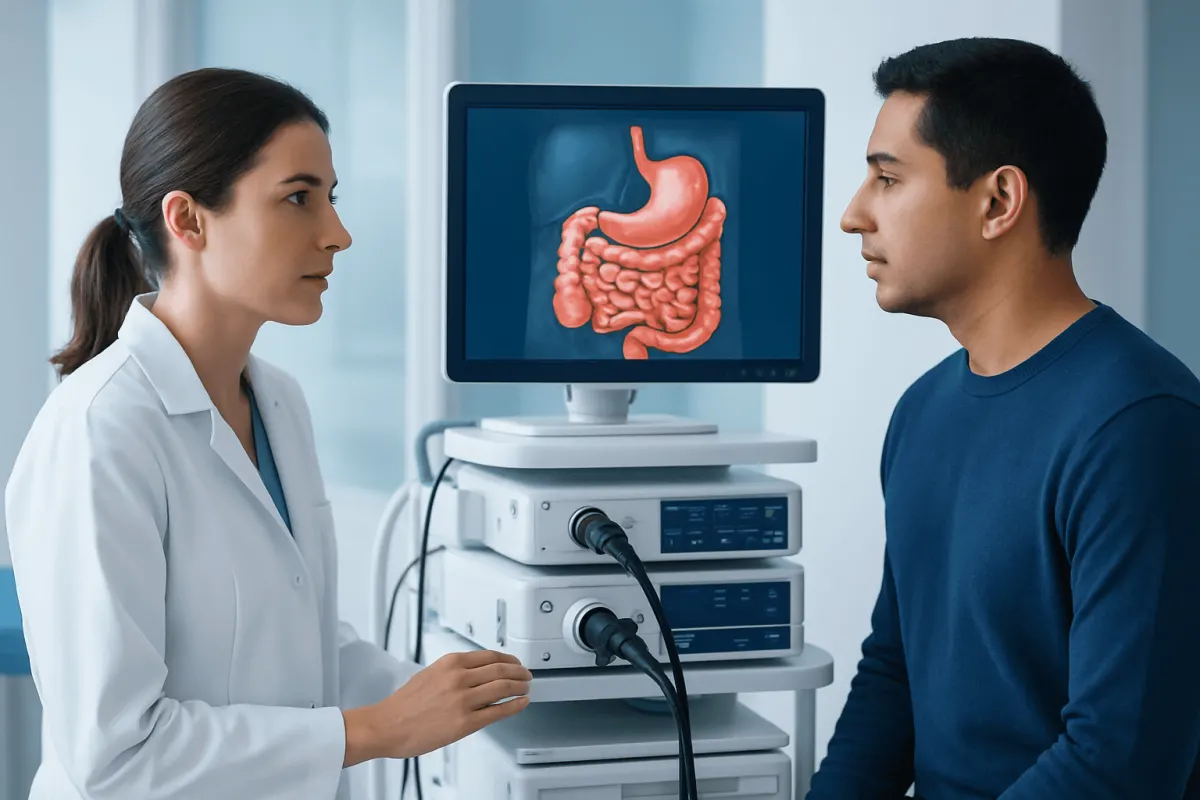
The digestive tract normally absorbs fluids and nutrients as food moves through the intestines. Diarrhea happens when that process changes. The intestines may become inflamed, move too quickly, or release extra water and salts into the bowel, producing loose stools.
Different causes affect the gut in different ways. Viral and bacterial infections can inflame the lining of the intestines. Food intolerance may cause the bowel to draw in water. Some medicines can change the balance of bacteria in the gut or stimulate bowel movement. Long-term bowel conditions may interfere with digestion and absorption over time.
This is why the same symptom can have many explanations. A doctor looks not only at the stool itself, but also at timing, associated symptoms, recent foods, travel, medication use, and whether the problem is new or recurrent.
Common Causes and Risk Factors

The most common causes of acute diarrhea are infections and food-related problems. Viral gastroenteritis is a frequent reason for a sudden episode. Bacteria or parasites may also be involved, especially after unsafe food or water, recent travel, or close contact with someone who is ill. Food poisoning can cause diarrhea with nausea, vomiting, stomach cramps, or fever.
Many people also experience diarrhea because of what they eat or drink. Triggers may include very fatty foods, excess alcohol, artificial sweeteners, caffeine, or foods that are poorly tolerated, such as lactose-containing dairy in people with lactose intolerance. Emotional stress and anxiety can also affect bowel function and may worsen urgent or loose stools in susceptible people.
Medications are another important cause. Antibiotics can disturb the normal bacteria in the intestines, while other medicines such as some antacids, cancer therapies, or magnesium-containing products may also lead to diarrhea. If diarrhea begins soon after starting a new medicine, a doctor or pharmacist should review it.
When diarrhea lasts longer, doctors consider underlying digestive disorders. These may include Crohn’s disease, ulcerative colitis, celiac disease, bile acid problems, pancreatic disorders, or irritable bowel syndrome. Risk factors for persistent diarrhea include a family history of bowel disease, autoimmune conditions, recent antibiotic use, travel, and immune system problems.
Symptoms That Help Identify the Cause
Diarrhea can vary from mild and brief to more disruptive. Some people have only loose stools, while others also notice cramps, bloating, urgency, nausea, or fatigue. The pattern of symptoms often gives useful clues. A sudden onset with vomiting may suggest a viral infection, while symptoms after certain foods may point to intolerance or food sensitivity.
Doctors also pay attention to stool features and symptoms outside the bowel. Blood or mucus in the stool, nighttime diarrhea, fever, and unintentional weight loss may suggest inflammation or infection rather than a simple upset stomach. Greasy, difficult-to-flush stools can point toward poor absorption of fat.
Dehydration is one of the most important concerns, especially in children, older adults, and people with chronic illness. Warning signs include intense thirst, dry mouth, dizziness, dark urine, reduced urination, weakness, or confusion. Frequent watery stools can lead to fluid and salt loss more quickly than many people realize.
- Short-lived diarrhea often follows an infection, food trigger, or medication
- Recurring diarrhea may suggest a chronic digestive condition
- Symptoms such as blood, fever, or weight loss need medical review
- Signs of dehydration should never be ignored
How Doctors Diagnose the Cause
If diarrhea is severe, persistent, or recurrent, a doctor starts with a detailed history. Questions usually cover when symptoms began, stool frequency, the presence of blood or fever, recent travel, water exposure, diet, sick contacts, and any medications or supplements. This conversation is often the fastest way to narrow down likely causes.
A physical examination may look for signs of dehydration, abdominal tenderness, fever, or weight loss. Depending on the situation, the doctor may recommend stool tests to look for bacteria, parasites, inflammation, or hidden blood. Blood tests can help assess dehydration, infection, electrolyte imbalance, anemia, or evidence of inflammation.
When diarrhea continues for weeks or there are concerning features, further evaluation may be needed. This can include testing for celiac disease, imaging, or endoscopic procedures such as colonoscopy to examine the bowel more closely. In selected cases, specialists may use endoscopy or other tests to look for malabsorption, inflammation, or structural problems.
The goal of diagnosis is not only to stop symptoms but also to identify whether there is an underlying disorder that needs specific care. This is especially important when diarrhea keeps recurring or interferes with nutrition, work, or daily activities.
Treatment Options and Supportive Care
Treatment depends on the cause, but hydration is the foundation of care in almost every case. Replacing fluids and electrolytes helps the body recover and lowers the risk of complications. Small, frequent sips of water or oral rehydration solutions are often better tolerated than large amounts at once.
For short-term diarrhea, doctors may recommend rest, temporary dietary adjustments, and careful monitoring. Some over-the-counter treatments may help in selected adults, but they are not appropriate for everyone, especially if there is fever or blood in the stool. Antibiotics are only useful for certain bacterial or parasitic causes and are not routinely needed for most viral illnesses.
If an underlying condition is found, treatment becomes more targeted. This may include changing a medication, avoiding trigger foods, treating inflammation, or managing a chronic bowel condition with specialist support. People with persistent symptoms may benefit from assessment by gastroenterology specialists who can tailor testing and long-term management.
Near the end of the care pathway, some patients may need coordinated evaluation across specialties, particularly when diarrhea is linked to inflammatory, immune, or nutritional issues. Acıbadem Health Point’s multidisciplinary specialists in JCI-accredited hospitals diagnose and treat digestive conditions for international patients when more detailed assessment is needed.
Prevention and Self-Care at Home
Many cases of diarrhea can be prevented through basic food and hand hygiene. Careful handwashing after using the bathroom and before eating or preparing food reduces the spread of infections. Safe water, proper cooking, and good kitchen hygiene are especially important during travel or when eating in unfamiliar settings.
At home, self-care starts with fluids. It may help to choose bland, easy-to-digest foods for a short time and to avoid heavy, greasy, very spicy, or high-sugar foods if they make symptoms worse. Alcohol and large amounts of caffeine can add to fluid loss, so limiting them is sensible until the bowel settles.
People who notice repeated symptoms after particular foods may benefit from a doctor-guided review rather than cutting out many foods alone. A food diary can sometimes help identify patterns. If diarrhea follows antibiotics or keeps coming back, medical advice is important to make sure the cause is properly addressed.
When to Seek Medical Care
Medical care is appropriate when diarrhea is severe, lasts longer than a few days, or keeps returning. A person should seek prompt medical review if there is blood in the stool, black stools, high fever, severe abdominal pain, marked weakness, or signs of dehydration such as very little urine, dizziness, or confusion.
Extra caution is needed for infants, older adults, pregnant people, and anyone with a weakened immune system or significant chronic illness. In these groups, dehydration can develop more quickly and infections may need earlier assessment. Persistent diarrhea with weight loss, nighttime symptoms, or anemia also deserves evaluation because it may reflect an underlying bowel disorder rather than a simple infection.
Seeing a doctor does not always mean extensive testing. In many cases, a careful history and focused exam are enough to guide treatment and reassurance. But red flags should not be ignored, because early review can help prevent complications and identify conditions that benefit from timely care.
Frequently asked questions
01What is the most common cause of diarrhea?
The most common cause is a short-term infection, especially a viral infection affecting the stomach and intestines. Food-related triggers and medication side effects are also very common reasons for temporary diarrhea.
02Can stress cause diarrhea?
Yes. Stress and anxiety can affect how quickly the bowel moves and may trigger loose stools, urgency, or cramping in some people. This is especially common in people with sensitive bowels or irritable bowel syndrome.
03How long should diarrhea last before seeing a doctor?
Many mild cases improve within a few days. A doctor should be consulted if diarrhea lasts longer than a few days, keeps returning, or is accompanied by fever, blood in the stool, dehydration, or significant pain.
04When is diarrhea considered serious?
Diarrhea is more concerning when it leads to dehydration or occurs with red-flag symptoms. These include blood in the stool, black stools, severe abdominal pain, high fever, faintness, confusion, or clear signs of fluid loss.
05Can antibiotics cause diarrhea?
Yes. Antibiotics can change the normal balance of bacteria in the gut, which may lead to loose stools during or after treatment. If symptoms are severe or continue after the medicine is stopped, a doctor should review them.
06What tests might a doctor order for persistent diarrhea?
A doctor may order stool tests, blood tests, or tests for inflammation, infection, or celiac disease. If symptoms are ongoing or there are warning signs, procedures such as colonoscopy may be recommended to look for bowel disease.
This article is for general information only and is not a substitute for professional medical advice. Please consult a qualified doctor about your individual situation.
Medical weight-loss options in Turkey — costs & eligibility
JCI-accredited · board-certified surgeons · reply within 24h
Add us as a Preferred Source to see more of our trusted health content across Google Search, AI Overviews and Discover.