

Brittle Nails: Causes, Treatment and Prevention
- 9 min read
- Published August 15, 2026
- Updated August 19, 2026
Key Takeaways
- Brittle nails are usually a sign of dryness, repeated minor trauma, or chemical exposure.
- Underlying conditions such as thyroid disease, iron deficiency, and some skin disorders can also affect nail strength.
- A careful history and, when needed, simple tests help doctors find the cause.
- Gentle nail care and protection from moisture and irritants often improve nail quality over time.
- Persistent changes, pain, discoloration, or nail lifting should be assessed by a clinician.
Brittle nails are common and often linked to everyday habits, frequent wetting and drying, or exposure to harsh products. In some people, they may also reflect an underlying skin, thyroid, or nutritional condition that deserves medical attention.
Overview
Brittle nails can make everyday tasks feel oddly frustrating. Nails may split at the edges, peel in layers, crack after a small knock, or feel rough and thin even when the rest of the skin seems healthy. For many people, the problem is cosmetic and temporary; for others, it is one of the first visible clues that the nails are being stressed from the outside or affected by a medical condition inside the body.
Nails are made of keratin, a protective protein that responds to hydration, injury, and health changes. When that balance is disturbed, the nail plate may lose flexibility and become easier to break. Because the causes range from routine handwashing habits to thyroid disorders or inflammatory skin disease, the most useful first step is to look at the pattern: which nails are affected, how long it has been happening, and whether there are changes in the skin, hair, or overall health.
For people who travel for care, nail problems are usually straightforward to evaluate during an outpatient dermatology visit. A specialist can often narrow the cause by asking about daily routines, exposures, medications, and diet, and then deciding whether any testing is needed. That practical approach helps avoid both under-treating a medical issue and over-treating a simple dryness problem.
Symptoms
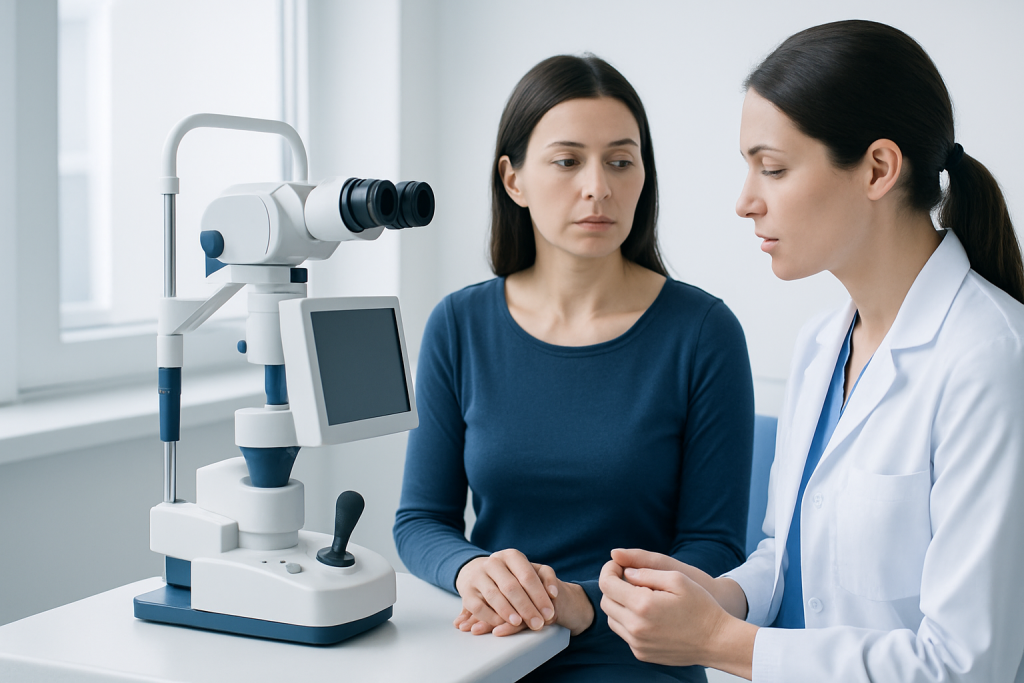
Brittle nails do not look the same in everyone. Some people notice that the nail tips peel in thin layers, while others see vertical or horizontal splits, ridges, or a chalky surface. Nails may also catch on clothing, break before they grow long, or feel softer than usual after water exposure.
Common signs include:
- Splitting or peeling at the free edge of the nail
- Cracking after minor trauma
- Dry, dull, or rough nail surfaces
- Ridges or irregular texture
- Difficulty growing nails past a certain length
Brittleness can affect fingernails, toenails, or both. Fingernails are more often involved because they are exposed to more washing, cleaning, and mechanical wear. When nail changes are accompanied by pain, swelling, color change, thickening, or lifting from the nail bed, the cause may be something more than simple dryness and should be reviewed by a doctor.
Causes & Risk Factors

The most frequent reason for brittle nails is repeated dehydration of the nail plate. Frequent handwashing, long baths, dishwashing, sanitizers, nail polish removers, and household cleaning agents can all strip natural oils and weaken the nail surface. Cold weather and low humidity may add to the problem, especially when hands are washed often.
Everyday habits can also contribute. Nail biting, using nails as tools, aggressive manicures, gel or acrylic applications, and frequent filing or buffing may create tiny injuries that build up over time. Occupations or routines involving water, detergents, or chemicals raise the likelihood as well.
Sometimes brittle nails reflect a health condition. Possible causes include:
- Iron deficiency or other nutritional problems
- Thyroid disorders, especially hypothyroidism
- Psoriasis or eczema affecting the nails or surrounding skin
- Fungal nail infection
- Circulation problems or general aging-related changes
- Certain medications that dry the skin or alter nail growth
Risk increases when more than one factor is present. A person who has dry skin, frequent water exposure, and a thyroid condition, for example, may notice more pronounced nail fragility than someone with only one of those issues. The pattern of nail changes and the wider medical history help guide the search for the cause.
Diagnosis
Doctors usually begin with a conversation rather than a long list of tests. They may ask when the brittleness started, whether both hands are affected, how often the nails are wet, what products are used, and whether there are symptoms such as fatigue, weight change, hair shedding, rashes, or itching. These details often point toward the likely explanation.
A physical examination of the nails, skin, and sometimes the scalp or feet is the next step. The doctor may look for signs of fungal infection, psoriasis, eczema, or repeated trauma. If the nails appear otherwise healthy and the history strongly suggests environmental damage, testing may not be needed immediately.
When the pattern suggests an internal cause, simple blood tests can help. These may include checks for iron status or thyroid function, and occasionally other tests based on the person’s symptoms. If a fungal infection is suspected, a small nail sample may be taken for laboratory analysis. For international patients arranging care from abroad, this staged approach is often convenient because the evaluation can usually be completed in one dermatology visit, with follow-up planned only if results require it.
Treatment Options
Treatment depends on the cause, so there is no single solution for every case of brittle nails. If the problem is mainly dryness or exposure, the goal is to reduce irritation and support regrowth. Nails grow slowly, so improvement is usually gradual rather than immediate. Even after the trigger is addressed, it may take several months for healthier new nail to replace the damaged portion.
For environmental brittleness, doctors often recommend protecting the nails from water and chemicals, using bland moisturizers or ointments after handwashing, and avoiding harsh removers or aggressive manicures. If a condition such as iron deficiency, thyroid disease, eczema, or psoriasis is identified, treating that underlying issue is the key to improving nail strength. Fungal infections are managed differently and may require prescription treatment after proper confirmation.
Helpful medical and practical measures may include:
- Identifying and treating an underlying illness
- Reviewing medications that may contribute to dryness
- Using gentle emollients on nails and cuticles
- Trimming nails short to reduce tearing
- Managing inflammatory skin disease around the nails
Some people ask about supplements. These are best used only when a deficiency is confirmed or a doctor recommends them, because unnecessary supplementation may not help and can sometimes delay proper treatment. A clinician can advise whether any laboratory-guided support is appropriate.
Prevention & Self-care
Daily habits make a real difference. The simplest protective step is to reduce repeated wetting and drying, which weakens the nail plate over time. Wearing gloves for cleaning, gardening, or dishwashing can help, especially when water, detergents, or solvents are involved. Mild soap and lukewarm water are gentler choices than very hot water or harsh cleansers.
Moisturizing is more important than many people realize. Applying a thick hand cream or ointment after washing can help keep the skin around the nails flexible and reduce breakage. Nails are also safer when kept short and filed in one direction with a fine file rather than snapped or aggressively buffed.
Other useful habits include avoiding nail biting, limiting acetone-based removers, allowing breaks between cosmetic nail procedures, and not using the nails to pry open packages or scrape surfaces. For people recovering from an illness or traveling for treatment, keeping a simple routine—clean hands, protective gloves, and regular moisturizer—can support the nails while the underlying cause is being addressed.
When to See a Doctor
Medical review is sensible when brittle nails persist despite careful self-care, or when the changes are new and not easy to explain. A doctor can help decide whether the cause is local, such as repeated trauma or fungal infection, or whether it points to a broader issue that should be checked.
An appointment is especially important if nail brittleness comes with pain, swelling, bleeding, separation of the nail from the skin, dark or unusual discoloration, thickening, or changes in several nails at once. The same applies if there are other symptoms such as fatigue, hair loss, skin rashes, sensitivity to cold, or unexplained weight change.
People planning medical care from another country may find it useful to have their nail concern assessed alongside any related skin or laboratory findings in one coordinated visit. At Acibadem Health Point, multidisciplinary specialists and JCI-accredited hospitals can diagnose and treat nail conditions for international patients in a structured, supportive setting. Whatever the setting, the goal is the same: identify the real cause, treat it safely, and help the nails recover with time.
Living With Brittle Nails
Brittle nails are often less about the nails themselves and more about what they are exposed to, day after day. Once the trigger is found, many people see steady improvement with a combination of protection, moisturizing, and treatment of any underlying condition. The process can be slow, but nails usually respond well when the cause is addressed consistently.
It is also helpful to keep expectations realistic. A nail that has already split or peeled will not be repaired instantly; the damaged part must grow out. That is why patience, gentle care, and follow-up matter. If the problem keeps returning, a dermatologist can help refine the diagnosis and adjust the plan rather than relying on trial and error alone.
Frequently asked questions
01What causes brittle nails most often?
The most common cause is repeated dryness from frequent handwashing, water exposure, cleaning products, or nail cosmetics. In some people, brittle nails are linked to iron deficiency, thyroid disease, eczema, psoriasis, or a fungal infection.
02Are brittle nails always a sign of poor nutrition?
No. Nutrition can play a role, but many cases are caused by external wear and tear or chemical exposure. A doctor may check for deficiencies if the history or symptoms suggest one.
03Can brittle nails be treated at home?
Mild cases often improve with gentle nail care, moisturizers, protective gloves, and fewer harsh products. If there is pain, discoloration, lifting, or no improvement over time, medical assessment is a better next step.
04How long does it take for brittle nails to improve?
Nails grow slowly, so visible improvement usually takes weeks to months. The damaged part has to grow out while the new nail grows in more healthy and protected conditions.
05Do supplements help brittle nails?
They may help if a true deficiency is present, but they are not a universal fix. It is safer to use supplements only after a doctor identifies a need for them.
06When should nail changes be checked by a dermatologist?
A dermatologist should evaluate nail changes that are painful, persistent, spreading, or associated with discoloration, thickening, or separation from the nail bed. New changes alongside fatigue, hair loss, or skin symptoms also deserve review.
This article is for general information only and is not a substitute for professional medical advice. Please consult a qualified doctor about your individual situation.
Hair transplant in Turkey — costs, graft counts & a free assessment
JCI-accredited · board-certified surgeons · reply within 24h
Add us as a Preferred Source to see more of our trusted health content across Google Search, AI Overviews and Discover.


How can we help you today?
Meet an Acibadem specialist by secure video, before you travel.
Book a video visit