What Causes Blood Disorders? Inherited, Autoimmune, and Acquired Factors

Blood disorders can develop for many reasons, including inherited gene changes, autoimmune disease, infections, nutritional deficiencies, medications, and bone marrow problems. Understanding the cause helps guide the right tests, treatment plan, and long-term care.
Overview: What are blood disorders?
Blood disorders are conditions that affect one or more parts of the blood or the tissues that make blood, especially the bone marrow. They may involve red blood cells, which carry oxygen; white blood cells, which help fight infection; platelets, which help blood clot; or plasma proteins and clotting factors that control bleeding and clotting.
These conditions can be present from birth or develop later in life. Some are mild and found only during routine blood tests, while others cause clear symptoms and need prompt treatment. The causes are varied, which is why evaluation by a qualified doctor is important.
Broadly, blood disorders are often grouped by cause. They may be inherited through genes passed down in families, triggered by the immune system attacking healthy blood cells, or acquired because of illness, poor nutrition, medicines, toxins, pregnancy, or bone marrow disease. In some cases, more than one factor is involved.
Because blood has many vital roles, symptoms can affect the whole body. A person may feel tired, become short of breath, bruise easily, bleed more than expected, get infections more often, or develop blood clots. The exact pattern depends on which blood component is affected and why.
Common symptoms of blood disorders

The symptoms of blood disorders are often non-specific, meaning they can overlap with many other conditions. For example, disorders affecting red blood cells commonly cause fatigue, weakness, pale skin, dizziness, headaches, or shortness of breath. This is often because the blood is not carrying enough oxygen efficiently.
When white blood cells are affected, the body may have more difficulty fighting infection. A person may notice frequent infections, fever, slow recovery from illness, or mouth sores. Disorders involving platelets or clotting factors are more likely to cause easy bruising, nosebleeds, bleeding gums, heavy menstrual bleeding, or bleeding that lasts longer than usual after a cut or dental procedure.
Some blood disorders increase the risk of abnormal clotting instead of bleeding. This may lead to pain, swelling, warmth, or redness in a limb, chest pain, or shortness of breath if a clot travels to the lungs. Symptoms like these need urgent medical attention.
- Fatigue and weakness
- Paleness or shortness of breath
- Frequent or unusual infections
- Easy bruising or prolonged bleeding
- Heavy menstrual bleeding
- Bone pain or swollen lymph nodes in some conditions
- Unexplained blood clots
Inherited causes of blood disorders
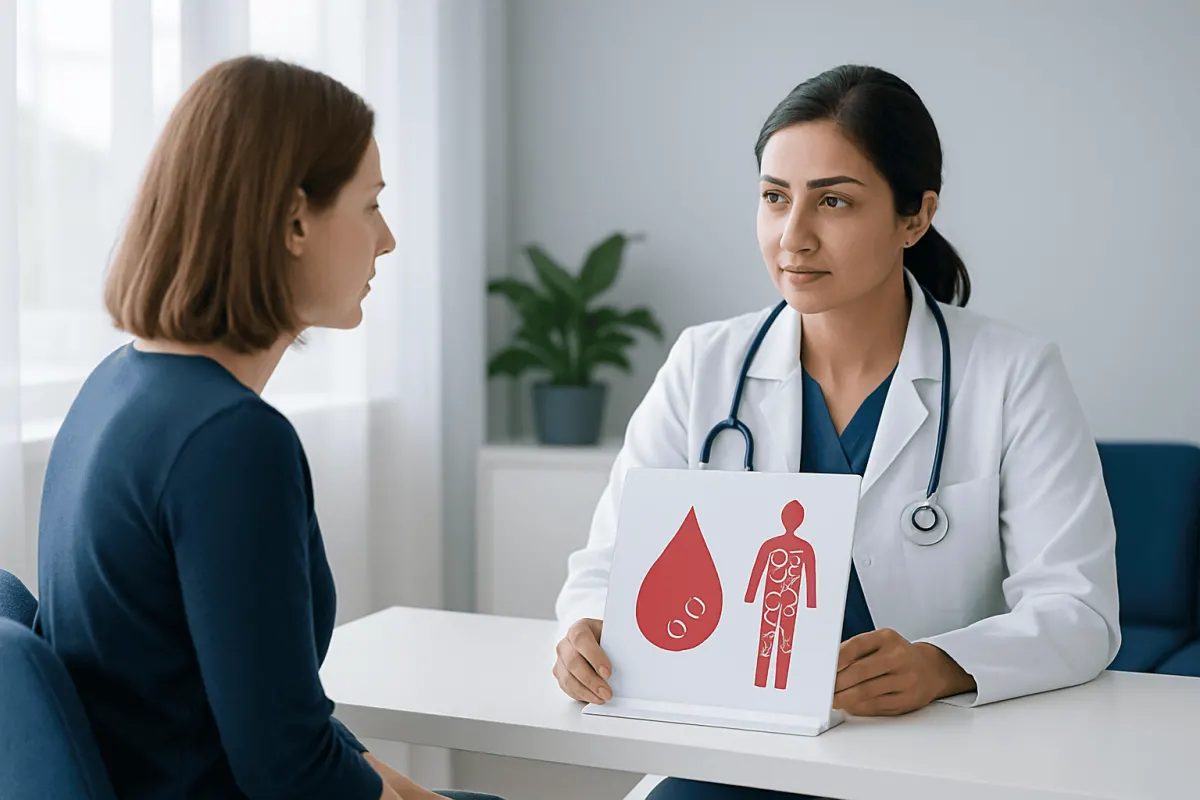
Inherited blood disorders are caused by gene changes that are passed from one or both parents to a child. These conditions may affect the structure of blood cells, how they are produced, or how the body controls clotting. Some inherited disorders are diagnosed in infancy or childhood, while others may not be recognized until adolescence or adulthood.
Well-known examples include sickle cell anemia, thalassemia, hemophilia, and von Willebrand disease. In these conditions, the body may produce abnormal hemoglobin, make too little hemoglobin, or have a problem with clotting proteins or platelet function. Family history can be an important clue, but a person can still have an inherited disorder even if it has not been previously diagnosed in relatives.
Inherited conditions do not always cause symptoms all the time. Some remain mild for years and are found during routine testing, pregnancy screening, or evaluation before surgery. Others can lead to repeated anemia, pain episodes, bleeding problems, or complications related to iron overload, organ strain, or growth and development.
Diagnosis may involve blood counts, blood smear examination, hemoglobin studies, clotting tests, and genetic testing when appropriate. In families with a known condition, counseling can help explain inheritance patterns, the chance of passing the condition on, and the value of screening for relatives.
Autoimmune and acquired causes
Autoimmune blood disorders happen when the immune system mistakenly attacks the body’s own blood cells or blood-forming tissues. This can lead to destruction of red blood cells, platelets, or white blood cells, or interfere with normal clotting. Examples include autoimmune hemolytic anemia and immune thrombocytopenia, where platelets are destroyed faster than they can be replaced.
Acquired blood disorders develop after birth and are not primarily caused by inherited gene changes. Many different factors can contribute. Nutritional deficiencies such as low iron, vitamin B12, or folate can affect blood cell production. Viral infections, chronic inflammatory diseases, kidney disease, liver disease, pregnancy, and some cancers can also change the way blood cells are made or function.
Medications are another important cause. Certain antibiotics, chemotherapy drugs, seizure medicines, anticoagulants, and other treatments may affect bone marrow or alter clotting and platelet function. Exposure to toxins, heavy alcohol use, or radiation can also damage blood-forming tissues. Bone marrow disorders such as leukemia or aplastic anemia may reduce the production of healthy blood cells and require specialist evaluation.
Sometimes the body becomes more prone to clotting because of surgery, prolonged immobility, pregnancy, hormonal therapy, smoking, obesity, or underlying medical conditions. This is why a careful history is essential. A blood disorder may not come from one single cause but from several overlapping risk factors.
Risk factors and how doctors diagnose the cause
Doctors begin by looking at symptoms, medical history, family history, and risk factors. Useful details include recent infections, medication use, bleeding history, menstrual history, pregnancy, dietary habits, weight loss, alcohol use, travel, and exposure to toxins. A history of clotting or bleeding in family members can point toward inherited causes.
The first step in diagnosis is often basic blood testing. A complete blood count measures red cells, white cells, and platelets. Additional tests may include iron studies, vitamin B12 and folate levels, kidney and liver function tests, inflammatory markers, and clotting studies. A blood smear can provide important information about cell size, shape, and maturity.
Depending on the findings, more specialized tests may be needed. These may include hemoglobin electrophoresis for inherited hemoglobin disorders, autoimmune antibody tests, viral testing, genetic testing, or imaging studies if enlarged organs or lymph nodes are suspected. If doctors need to examine blood formation directly, they may recommend a bone marrow biopsy.
Diagnosis is not only about naming the disorder. It also aims to identify why it developed, how severe it is, and whether there are complications such as organ damage, infection, iron overload, or an increased risk of bleeding or clotting. This helps shape the safest and most effective treatment plan.
Treatment options based on the cause
Treatment for blood disorders depends on the exact diagnosis and whether the condition is inherited, autoimmune, or acquired. Some mild conditions only need monitoring and regular blood tests. Others require active treatment to correct anemia, reduce bleeding or clotting risk, control immune activity, or support bone marrow function.
For deficiency-related disorders, treatment may include iron, vitamin B12, or folate replacement, along with treatment of the underlying cause of the deficiency. Autoimmune conditions may respond to corticosteroids, other immune-modulating medicines, or therapies that reduce destruction of blood cells. Infections or chronic diseases that contribute to abnormal blood counts are treated directly when possible.
Some patients may need supportive care such as blood transfusion for severe anemia or bleeding-related complications. Clotting disorders may be treated with replacement of missing clotting factors, medicines that improve clotting, or anticoagulants when abnormal clotting is the main problem. If a bone marrow disorder is present, care may involve hematology specialists and more advanced therapies, including chemotherapy in selected cases.
Long-term follow-up is often important, especially for inherited disorders and chronic autoimmune conditions. Monitoring helps track symptoms, blood counts, treatment response, and possible side effects. In complex cases, multidisciplinary care can be helpful. Near the end of the care pathway, some international patients may also seek evaluation at centers such as Acıbadem Health Point, where multidisciplinary specialists in JCI-accredited hospitals diagnose and treat blood disorders.
Prevention, self-care, and when to see a doctor
Not all blood disorders can be prevented, especially inherited conditions. Even so, some acquired causes can be reduced through healthy habits and timely medical care. Eating a balanced diet with enough iron, vitamin B12, and folate supports blood cell production. Managing chronic illnesses, avoiding unnecessary exposure to toxins, and using medicines only as prescribed can also lower risk.
People with a known blood disorder may benefit from practical self-care steps. These can include keeping follow-up appointments, taking medicines as directed, watching for changes in bruising or bleeding, staying active when possible to support circulation, and discussing any planned surgery, pregnancy, or travel with a doctor in advance. Family screening or genetic counseling may be useful in inherited conditions.
A doctor should be consulted if there is ongoing fatigue, unexplained paleness, repeated infections, unusual bruising, frequent nosebleeds, heavy periods, swollen glands, or unexplained weight loss. Medical advice is also important if symptoms begin after starting a new medicine or if there is a strong family history of anemia, bleeding, or clotting disorders.
Urgent care is needed for severe bleeding, black or bloody stools, vomiting blood, chest pain, sudden shortness of breath, fainting, or signs of a blood clot such as painful swelling in one leg. Early diagnosis often makes treatment simpler and helps prevent complications.
Frequently asked questions
01What are the main causes of blood disorders?
Blood disorders can be caused by inherited gene changes, autoimmune disease, nutritional deficiencies, infections, medications, chronic illnesses, toxins, and bone marrow problems. In some people, more than one cause contributes at the same time.
02Can blood disorders run in families?
Yes. Some blood disorders are inherited and can be passed from parents to children. Examples include hemophilia, thalassemia, sickle cell disease, and some clotting disorders.
03Are all blood disorders serious?
No. Some are mild and only need monitoring, while others require prompt treatment and long-term follow-up. The seriousness depends on which blood cells are affected, how severe the changes are, and what is causing the disorder.
04Which symptoms should not be ignored?
Symptoms such as ongoing fatigue, easy bruising, unusual bleeding, repeated infections, or unexplained clotting should be assessed by a doctor. Emergency care is important for severe bleeding, chest pain, sudden shortness of breath, or signs of a blood clot.
05How do doctors find out what type of blood disorder someone has?
Diagnosis usually starts with a medical history, physical examination, and blood tests such as a complete blood count. Depending on the results, doctors may also order clotting studies, iron and vitamin tests, genetic testing, or a bone marrow evaluation.
06Can acquired blood disorders be prevented?
Some can be reduced but not always fully prevented. Good nutrition, careful medication use, management of chronic disease, and avoiding harmful substances may lower the risk of certain acquired blood disorders.
This article is for general information only and is not a substitute for professional medical advice. Please consult a qualified doctor about your individual situation.
Explore treatments in Turkey — costs, top hospitals & a free quote
JCI-accredited · board-certified surgeons · reply within 24h
Add us as a Preferred Source to see more of our trusted health content across Google Search, AI Overviews and Discover.
More from the Health Library
Poor Blood Circulation in Head Symptoms: Common Causes, Related Conditions, and When to See a Doctor

Sickle Cell Trait Rarely Causes Illness but Can Be Inherited