What Causes a Stitch When You Are Not Exercising?
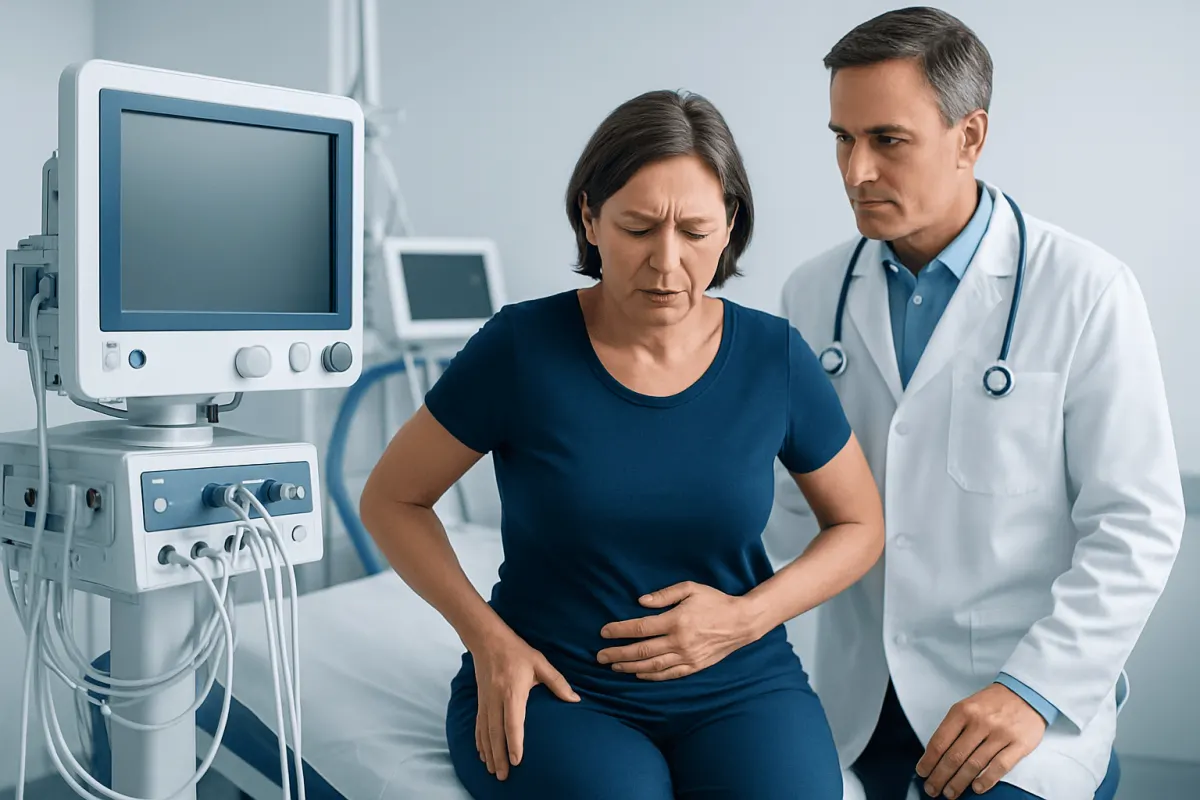
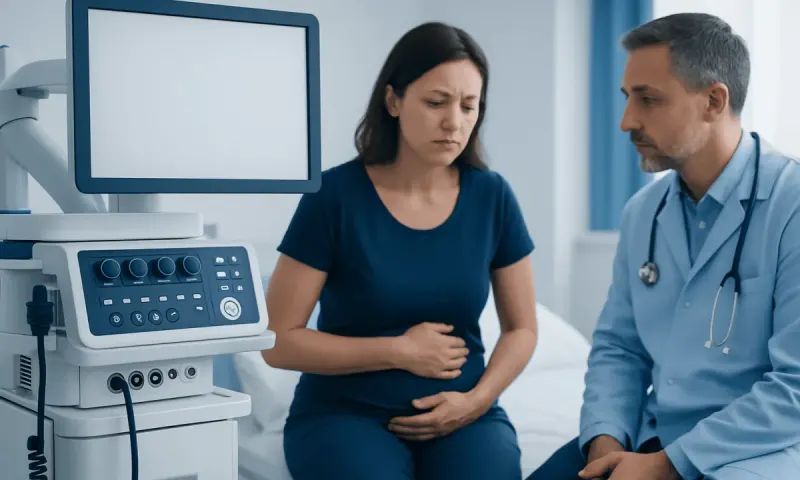
A stitch-like pain that occurs while resting is often related to temporary muscle tension, gas, or digestive irritation rather than a serious problem. However, the pain’s location, severity, duration, and accompanying symptoms can help determine when medical assessment is needed.
Overview: Why a Stitch Can Happen at Rest
What causes a stitch when not exercising? In many cases, a brief sharp or cramping pain in the side happens because of gas, constipation, mild muscle strain, or temporary irritation of the muscles and tissues around the ribs and abdomen. These episodes are often harmless, especially when they settle quickly and are not accompanied by other symptoms.
The word “stitch” usually describes a localized, sharp pain at the side of the abdomen or beneath the ribs. Although exercise-related side stitches are often discussed, similar sensations can also occur while sitting, lying down, after eating, or during ordinary daily activities. The underlying cause is not always the same as an exercise stitch.
Because the abdomen contains several organs, the exact location matters. Pain under the right ribs may involve the abdominal wall, bowel, gallbladder, liver area, or lower chest. Pain under the left ribs may be linked to the stomach, bowel, spleen area, or chest wall. A clinician can help distinguish common short-lived discomfort from pain that needs investigation.
How a Harmless Stitch-Like Pain May Feel
Minor stitch-like discomfort is often sharp, pinching, pulling, or cramp-like. It may become more noticeable with twisting, coughing, taking a deep breath, changing position, or pressing on a tender muscle. It may last seconds to minutes, although digestive causes can create discomfort that comes and goes for longer.
Gas-related pain may shift location, occur with bloating or burping, and improve after passing gas or having a bowel movement. A strained abdominal or intercostal muscle may feel sore when a person moves, lifts, stretches, laughs, or breathes deeply. Symptoms can follow unfamiliar activity, prolonged awkward posture, coughing, or even a minor movement that was not noticed at the time.
A short-lived episode without fever, persistent vomiting, significant tenderness, or worsening pain is usually less concerning. Still, symptoms should be monitored rather than dismissed if they recur frequently, interrupt sleep, interfere with eating, or gradually become more intense.
Common Causes When Exercise Is Not the Trigger

Digestive symptoms are among the most common explanations for a stitch at rest. Gas can stretch the bowel and cause sudden sharp pains, while constipation may produce cramping and pressure. Indigestion, reflux, and stomach irritation can also cause discomfort in the upper abdomen, particularly after meals, alcohol, fatty foods, or certain medications.
Musculoskeletal causes are also common. The abdominal muscles, the muscles between the ribs, and the connective tissues of the chest wall can become irritated after lifting, reaching, prolonged sitting, coughing, or poor posture. This type of pain is often reproducible with movement or gentle pressure over the painful area.
Some people notice side discomfort around menstruation or ovulation. Pelvic conditions can occasionally cause pain that is felt more broadly in the lower abdomen or side. Urinary causes, including a urinary tract infection or a kidney stone, may cause pain in the side or back and can occur with burning urination, blood in the urine, nausea, or urinary urgency.
Less commonly, a localized stitch may relate to inflammation or disease involving an abdominal organ. Examples include gallbladder problems, inflammation of the appendix, or pancreatic conditions. These causes tend to produce persistent, progressive, or more severe pain and may be associated with nausea, fever, appetite changes, or altered bowel habits. For more information on persistent abdominal symptoms, readers may find abdominal pain guidance helpful.
Location and Accompanying Symptoms Matter
The pattern of pain can provide useful clues, although it cannot confirm a diagnosis without medical evaluation. Upper right-sided pain that occurs after a rich or fatty meal, particularly with nausea, may suggest a gallbladder-related problem. Pain that begins near the navel and moves toward the lower right abdomen, especially if it worsens over hours, needs urgent assessment because appendicitis is one possible cause.
Upper left-sided discomfort may come from trapped gas, the stomach, or muscles near the ribs. Lower abdominal pain may be related to the bowel, bladder, reproductive organs, or abdominal wall. Pain in the flank, the area between the ribs and hip, can sometimes originate from the kidney or urinary tract.
Symptoms outside the abdomen are equally important. Shortness of breath, chest pressure, sweating, dizziness, or pain spreading to the arm, jaw, shoulder, or back should be treated as urgent, particularly in people with heart or lung risk factors. A sharp pain that increases with breathing may arise from the chest wall, but a clinician should assess it if it is new, severe, or accompanied by breathing symptoms.
- Digestive clues include bloating, constipation, diarrhea, nausea, reflux, and relation to meals.
- Muscle-related clues include pain after activity or posture changes and tenderness when the area is pressed.
- Urinary clues include burning, urgency, fever, cloudy urine, or blood in the urine.
- Gynecologic clues include a relationship to menstrual cycles, abnormal bleeding, pelvic pain, or possible pregnancy.
When to Seek Medical Care
Prompt medical care is important for sudden severe abdominal or side pain, pain that is getting worse, or pain that does not improve. A person should seek urgent assessment if pain occurs with fever, repeated vomiting, a rigid or very tender abdomen, fainting, confusion, yellowing of the skin or eyes, blood in vomit or stool, black stools, or an inability to pass urine, stool, or gas.
Emergency evaluation is also needed for chest pain, significant breathing difficulty, coughing up blood, or symptoms of a possible heart problem. During pregnancy, new or one-sided abdominal pain, vaginal bleeding, dizziness, or shoulder-tip pain should be assessed urgently, as pregnancy-related complications need timely care.
Even without emergency symptoms, it is sensible to arrange a medical appointment when a stitch-like pain recurs, lasts more than a few days, repeatedly wakes a person from sleep, causes reduced appetite or unintentional weight loss, or is associated with ongoing bowel or urinary changes. Early review can provide reassurance and identify treatable causes.
What a Doctor May Check
A doctor will usually begin by asking when the pain started, where it is felt, what it feels like, and whether food, movement, breathing, bowel movements, urination, or menstruation affect it. They will also ask about recent activity, injuries, medications, previous abdominal surgery, medical conditions, and associated symptoms.
A physical examination may include gently pressing the abdomen, checking the ribs and back, listening to the chest, and assessing vital signs. Depending on the findings, tests may include urine testing, blood tests, pregnancy testing when appropriate, or imaging such as ultrasound, X-ray, or computed tomography. Not every person with a short-lived stitch needs testing.
The purpose of assessment is to identify urgent causes while avoiding unnecessary tests for symptoms that are clearly mild and self-limited. If gallbladder disease is suspected, an ultrasound is commonly used as part of the evaluation. In selected cases, gallbladder surgery may be considered after a specialist has confirmed the diagnosis and discussed appropriate options.
Self-Care for Mild, Short-Lived Symptoms
For a mild stitch that is clearly improving and has no warning signs, simple measures may help. Gentle walking, changing position, slow breathing, and avoiding tight clothing can ease discomfort related to gas or muscle tension. Drinking fluids and eating regular, balanced meals may support normal digestion.
If constipation appears to be contributing, increasing dietary fiber gradually, drinking enough water, and staying physically active can be useful. A person should avoid suddenly adding large amounts of fiber if it worsens bloating, and should discuss persistent constipation with a healthcare professional. Keeping a brief symptom diary can reveal patterns related to meals, stress, menstrual cycles, bowel habits, or movement.
It is best not to repeatedly use pain medicines or digestive remedies to mask frequent or unexplained pain without advice from a clinician. People with kidney disease, liver disease, ulcers, bleeding risk, pregnancy, or regular medication use should ask a doctor or pharmacist before taking over-the-counter pain relief.
Acıbadem Health Point’s multidisciplinary specialists and JCI-accredited hospitals assess digestive, urinary, gynecologic, and musculoskeletal causes of persistent abdominal or side pain for international patients. Evaluation is tailored to the person’s symptoms and clinical findings.
Frequently asked questions
01Can gas cause a stitch in the side when not exercising?
Yes. Gas in the stomach or intestines can cause sharp, cramping, or shifting pain in the abdomen or beneath the ribs. It may occur with bloating and may improve after passing gas or having a bowel movement.
02Why do I get a sharp pain under my right ribs at rest?
A sharp pain under the right ribs can come from muscles, bowel gas, indigestion, or the gallbladder area. Persistent pain, pain after meals, fever, vomiting, or yellowing of the skin or eyes should be assessed by a doctor.
03Is a stitch-like pain a sign of appendicitis?
Most stitch-like pains are not appendicitis, but appendicitis can begin with vague abdominal discomfort and then become more focused in the lower right abdomen. Pain that worsens over hours, especially with fever, nausea, vomiting, or loss of appetite, needs urgent medical evaluation.
04Can stress cause a stitch in the side?
Stress can affect digestion and muscle tension, which may contribute to abdominal cramps, gas, or chest-wall discomfort. However, stress should not be assumed to be the cause of new, severe, or persistent pain without medical assessment.
05How long should a stitch at rest last?
A minor muscle or gas-related pain may settle within minutes or a few hours. A symptom that lasts more than a few days, returns often, or becomes increasingly painful should be discussed with a healthcare professional.
06Should I go to the emergency department for side pain?
Emergency care is appropriate for sudden severe pain or pain with fever, repeated vomiting, fainting, breathing problems, chest pressure, blood in stool or urine, or pregnancy-related symptoms. If the pain is mild but persistent or recurrent, a routine medical appointment is usually the appropriate next step.
This article is for general information only and is not a substitute for professional medical advice. Please consult a qualified doctor about your individual situation.
Persistent digestive symptoms? Get evaluated in Turkey
JCI-accredited · board-certified surgeons · reply within 24h
Add us as a Preferred Source to see more of our trusted health content across Google Search, AI Overviews and Discover.