What Affects Laser Blepharoplasty Cost?
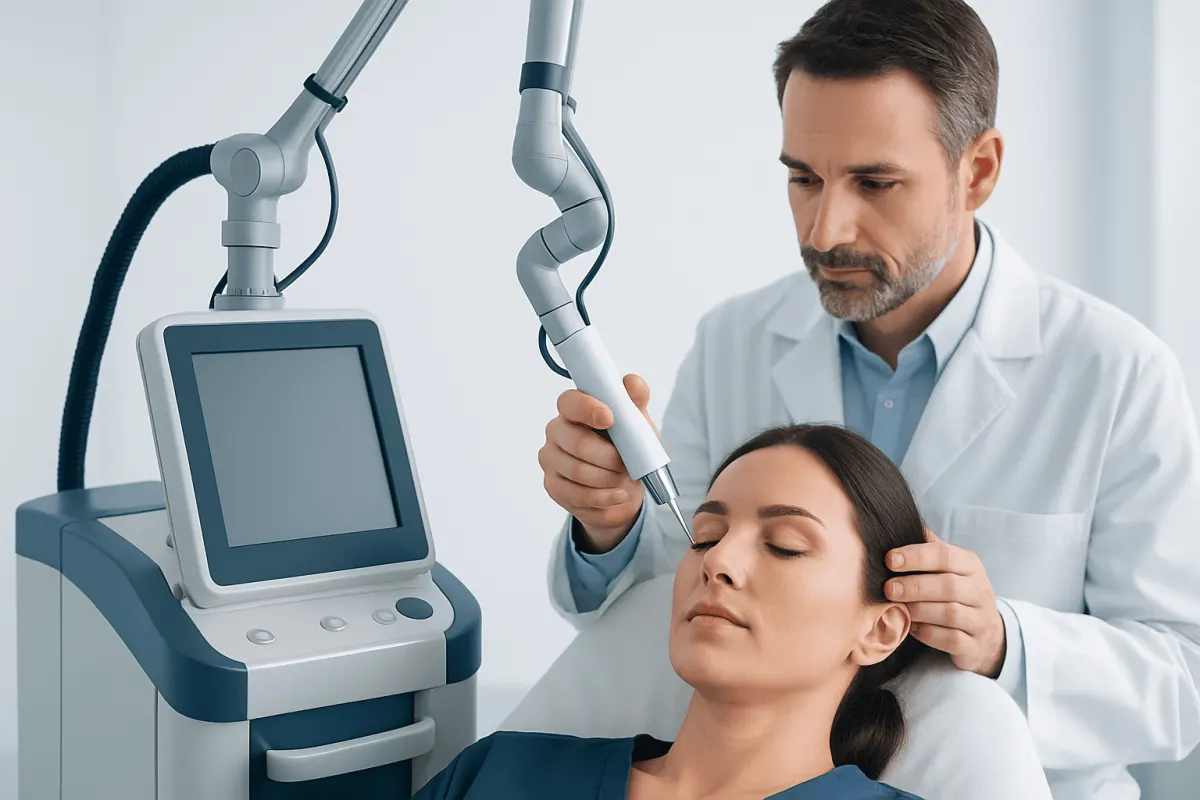
Laser blepharoplasty cost cannot be responsibly quoted as one universal amount because the final fee depends on whether upper lids, lower lids, or both are treated, the technique used, facility and anesthesia arrangements, and follow-up care. Patients should request an itemized, written treatment plan and ask whether the procedure is cosmetic or medically necessary before making financial decisions.
Laser Blepharoplasty Cost: What Is Included?
Laser blepharoplasty cost varies substantially because eyelid surgery is tailored to the person’s anatomy, goals and medical needs. The laser blepharoplasty price may differ according to whether surgery is performed on the upper eyelids, lower eyelids or both; whether skin, fat or muscle needs adjustment; and whether other procedures are needed to improve eyelid position or eyebrow support. A consultation is the safest way to receive an accurate, individualized estimate.
Rather than comparing a single advertised laser bleph cost, patients can ask for an itemized plan. It may include the surgeon’s fee, anesthesia or sedation, operating-room or clinic facility charges, preoperative tests when needed, surgical supplies, prescribed medicines and postoperative appointments. Patients should also clarify which elements are included if follow-up care is required.
Fees can vary between countries, cities, surgical settings and clinicians with different levels of expertise. Travel, accommodation, time away from work and the possibility of additional care after returning home may also matter for people considering treatment abroad. Cost should be considered alongside surgeon qualifications, safety standards, communication, realistic expectations and continuity of care.
How Laser Blepharoplasty Works
Blepharoplasty, often called eyelid surgery, reshapes the upper eyelids, lower eyelids or both. It can remove or reposition excess skin and fat, and in selected cases address loosened muscle or tissue. The aim may be cosmetic, such as improving a tired or puffy appearance, or functional, such as reducing upper-eyelid tissue that interferes with vision.
In laser blepharoplasty, a surgical laser may be used to make an incision or to assist with selected tissue work. The operation still requires detailed surgical planning and careful protection of the eye. A laser is a tool, not a guarantee of less downtime, no scarring or better results than other accepted techniques. The best approach depends on the eyelid anatomy and the surgeon’s assessment.
Lower-eyelid concerns may include fat prominence, loose skin, hollowing or laxity. These can require different approaches, including an incision inside the eyelid in some patients. Upper-eyelid heaviness can also be related to a low brow or drooping eyelid position rather than skin excess alone. Identifying the cause is important before surgery is planned.
Candidacy, Assessment and Insurance Coverage

Suitable candidates are generally in good overall health, have stable eye health and understand what surgery can and cannot change. The clinician considers skin quality, eyelid shape, tear production, eye prominence, brow position and any previous eyelid procedures. People with dry eye symptoms, glaucoma, thyroid eye disease, bleeding disorders, poorly controlled medical conditions or certain eye disorders may need additional assessment or treatment before surgery.
During consultation, patients should share all medications, supplements, allergies, smoking or nicotine use, previous operations and eye symptoms. They should also discuss whether they wear contact lenses and whether they have a history of scarring problems. Photographs and a focused eye examination can help the clinician determine whether an upper-lid, lower-lid or combined approach is appropriate.
At what point will insurance pay for blepharoplasty? Insurance coverage is usually limited to functional, medically necessary surgery rather than cosmetic improvement. Requirements vary by insurer and country, but may include documented upper visual-field obstruction, clinical photographs, examination findings and formal visual-field testing. Prior authorization may be required, and a person should confirm coverage directly with their insurer before scheduling surgery. Cosmetic portions of a plan are commonly self-funded.
It can be helpful to distinguish excess upper-eyelid skin from true eyelid drooping, known as ptosis, because their evaluation and treatment may differ. Patients with drooping lids should receive a careful clinical assessment; more information about ptosis may help explain this related condition.
What Happens During the Procedure?
The process begins with a detailed consultation, medical review and surgical plan. On the day of treatment, the surgeon marks the natural eyelid creases and planned changes while the patient is sitting upright. These markings guide a conservative, individualized approach and help preserve normal eyelid function.
Many blepharoplasty procedures are performed using local anesthetic with or without sedation, although the anesthesia plan depends on the extent of surgery, medical history and patient needs. For upper eyelid surgery, an incision is typically placed in the natural crease so that the resulting scar is usually concealed once healed. The surgeon removes or repositions the planned tissue and closes the incision with fine sutures.
For lower eyelids, the incision may be placed just below the lashes or, in selected cases, inside the eyelid. Fat may be removed or repositioned, and excess skin may be addressed carefully when appropriate. The procedure plan should focus on eyelid support and natural contour, not simply on removing as much tissue as possible.
Patients considering surgery can learn more about blepharoplasty treatment and surgical planning during a specialist consultation. The specific use of laser technology should be discussed in relation to the individual procedure rather than treated as the sole measure of quality or safety.
Recovery Timeline, Benefits and Risks
After surgery, temporary swelling, bruising, tightness, watering, light sensitivity and mild discomfort are common. Cold compresses, head elevation and the postoperative instructions provided by the surgical team can help support comfort and healing. Vision may be temporarily blurred by ointment, tears or swelling, so patients should arrange transportation home and avoid driving until their clinician says it is safe.
Most people see visible improvement as bruising and swelling settle over the first few weeks, but healing is gradual. Incisions and scars continue to mature over several months. The exact recovery timeline depends on the procedure performed, individual healing, skin type, medical history and whether upper and lower eyelids were treated together.
Potential benefits include a more open upper-eyelid appearance, reduced heaviness from excess skin, smoother lower-eyelid contour and, in functional cases, improved peripheral vision. However, outcomes vary. No procedure can stop natural aging, and surgery may not correct concerns caused primarily by brow descent, skin texture changes or dark under-eye pigmentation.
Risks can include bleeding, infection, visible scarring, unevenness, temporary or persistent dry eye symptoms, difficulty closing the eyes, eyelid position changes, changes in sensation and the need for further treatment. Rarely, serious eye complications can occur. Prompt follow-up with the surgical team is important if symptoms are concerning or do not improve as expected.
Is Laser Blepharoplasty Worth It? Results and Longevity
Is laser blepharoplasty worth it? Whether it is worthwhile depends on the person’s reason for surgery, eyelid anatomy, health, expectations, tolerance for recovery and financial priorities. It may be valuable for people with carefully assessed functional visual obstruction or for those seeking a modest, natural-looking cosmetic change. It is less likely to feel worthwhile if someone expects it to eliminate every sign of aging, correct unrelated facial concerns or produce an identical result to an edited image.
Laser blepharoplasty reviews and discussions on platforms such as laser blepharoplasty RealSelf can provide personal perspectives, but they cannot predict an individual result. Online reviews may reflect different procedures, surgeons, recovery experiences and expectations. A consultation, unedited before-and-after images from the treating clinician when available, and clear discussion of risks are more useful for informed decision-making.
How long does laser bleph last? Upper-eyelid results often last for many years, although skin and brow position continue to change naturally with age. Lower-eyelid fat removal or repositioning can be long-lasting, while skin laxity and facial volume changes can still develop over time. The durability of results depends on anatomy, technique, aging, sun exposure, smoking and overall health.
What is the regret rate for blepharoplasty? There is no single reliable regret rate that applies to all patients, techniques and settings. Satisfaction and regret depend heavily on appropriate candidate selection, communication, healing, complications and whether the achieved result matches realistic expectations. Patients can reduce the risk of disappointment by choosing a qualified surgeon, understanding the planned changes and allowing enough time for swelling and scars to settle before judging the final outcome.
Prevention, Self-Care and When to Seek Medical Care
Blepharoplasty is not required for normal age-related eyelid changes. Protecting the skin from ultraviolet exposure, avoiding smoking or nicotine, managing allergies and maintaining general health may support skin and eye comfort, although these measures cannot remove significant excess skin or reposition eyelid fat. Gentle skin care and adequate sleep may improve the appearance of temporary puffiness but do not replace a medical evaluation when vision or eye comfort is affected.
After surgery, patients should follow instructions on wound care, activity limits, eye drops or ointment and appointment schedules. They should avoid rubbing the eyes and should not resume strenuous exercise, makeup, contact lenses or other activities until advised by the surgical team. Smoking and nicotine can impair healing and should be discussed honestly before and after surgery.
When to seek medical care A person should seek urgent medical advice after eyelid surgery for sudden vision changes, severe or worsening pain, rapidly increasing swelling, significant bleeding, marked redness with fever, pus-like discharge, chest pain or shortness of breath. They should also contact the surgical team for persistent inability to close the eyes, worsening dryness, or concerns about healing. Before surgery, new eyelid drooping, double vision, eye pain or vision loss also needs prompt eye assessment rather than cosmetic treatment alone.
Acıbadem Health Point’s multidisciplinary specialists and JCI-accredited hospitals assess and treat eyelid concerns for international patients, with plans based on individual eye health, anatomy and treatment goals.
Frequently asked questions
01Does laser blepharoplasty cost more than traditional blepharoplasty?
It can, but there is no universal rule. The final fee depends more on the scope of eyelid surgery, the surgical setting, anesthesia, clinician expertise and included aftercare than on the use of one instrument. Patients should ask for an itemized estimate and a clear explanation of the recommended technique.
02Is laser blepharoplasty covered by insurance?
Cosmetic laser blepharoplasty is usually not covered by health insurance. Coverage may be possible when upper-eyelid tissue or lid position causes documented functional visual impairment and the insurer’s medical-necessity criteria are fulfilled. Confirmation should be obtained from the insurer before surgery.
03Is laser blepharoplasty painful?
The procedure is performed with anesthesia, so pain during surgery is controlled. Afterward, many people experience mild discomfort, tightness, swelling or irritation rather than severe pain. The treating team provides individualized guidance for comfort and recovery.
04How long does it take to recover from laser blepharoplasty?
Bruising and noticeable swelling commonly improve during the first few weeks, but recovery is individual. Incisions and subtle swelling can continue improving for several months. A surgeon can give a more specific timeline after assessing the planned procedure and the person’s health.
05Can laser blepharoplasty fix under-eye bags?
It may improve under-eye bags when the main cause is prominent lower-eyelid fat or loose skin. It may not fully correct dark circles, cheek volume loss, pigmentation or skin texture changes. A detailed assessment is needed to identify what is causing the concern.
06How can someone choose a blepharoplasty surgeon?
Patients should look for an appropriately qualified surgeon with specific experience in eyelid surgery and access to a safe, regulated surgical facility. They should ask about the recommended approach, expected recovery, possible complications, total fees and follow-up arrangements. A clinician should welcome questions and explain alternatives when surgery is not the best option.
This article is for general information only and is not a substitute for professional medical advice. Please consult a qualified doctor about your individual situation.
Explore treatments in Turkey — costs, top hospitals & a free quote
JCI-accredited · board-certified surgeons · reply within 24h
Add us as a Preferred Source to see more of our trusted health content across Google Search, AI Overviews and Discover.