Well-Woman Exam: What It Includes and How Often You Need One

A well-woman exam is a preventive health visit that focuses on reproductive, breast, and general wellness needs across different life stages. What it includes and how often it is needed can vary by age, symptoms, sexual activity, medical history, and individual risk factors.
Overview
A well-woman exam is a routine preventive healthcare visit designed to support a woman’s health through adolescence, adulthood, and later life. It is often associated with gynecology, but it also includes broader wellness topics such as blood pressure, mental health, vaccinations, sexual health, and lifestyle habits. The main goal is prevention: identifying risks early, recommending age-appropriate screening, and answering questions before a problem develops.
This type of visit is not the same as a problem-focused appointment. A person may need a separate medical visit for urgent concerns such as severe pain, heavy bleeding, fever, or a new lump. However, the well-woman exam creates a regular opportunity to review overall health, talk openly about changes in the body, and plan future care with a qualified clinician.
The exact content of the visit can vary. Age, menstrual history, pregnancy plans, sexual activity, family history, past screening results, and ongoing conditions all influence what is recommended. For some people, the appointment may be brief and centered on counseling and prevention. For others, it may include a more detailed physical examination and laboratory testing.
What a Well-Woman Exam Usually Includes
Most well-woman exams begin with a conversation about health history. The clinician may ask about menstrual periods, contraception, pregnancies, sexual health, menopause symptoms, medications, allergies, past surgeries, emotional wellbeing, exercise, nutrition, sleep, and use of tobacco, alcohol, or other substances. Family history is also important, especially for conditions such as breast cancer, ovarian cancer, cervical cancer, heart disease, osteoporosis, and diabetes.
A general physical assessment often includes measuring blood pressure, weight, and sometimes height or body mass index. Depending on age and medical history, the clinician may also review skin changes, thyroid symptoms, heart health, bone health, or urinary concerns. Vaccination status may be updated, including vaccines related to influenza, HPV, tetanus, or other routine prevention needs.
The reproductive health portion of the visit may include:
- A breast exam when appropriate to look for visible or palpable changes
- An external genital exam if symptoms, concerns, or age-specific care make it helpful
- A pelvic exam when clinically indicated
- Cervical cancer screening with a Pap test and, in some age groups, HPV testing
- Testing for sexually transmitted infections based on age, exposure risk, symptoms, or pregnancy status
Importantly, not every person needs every part of this list at every visit. For example, cervical cancer screening follows a schedule rather than being done at every annual appointment, and pelvic exams are typically guided by symptoms, risk factors, and clinical judgment. The visit can also include counseling on contraception, fertility planning, menopause, and conditions such as ovarian cancer or cervical cancer when family history or symptoms raise questions.
How Often a Well-Woman Exam Is Needed
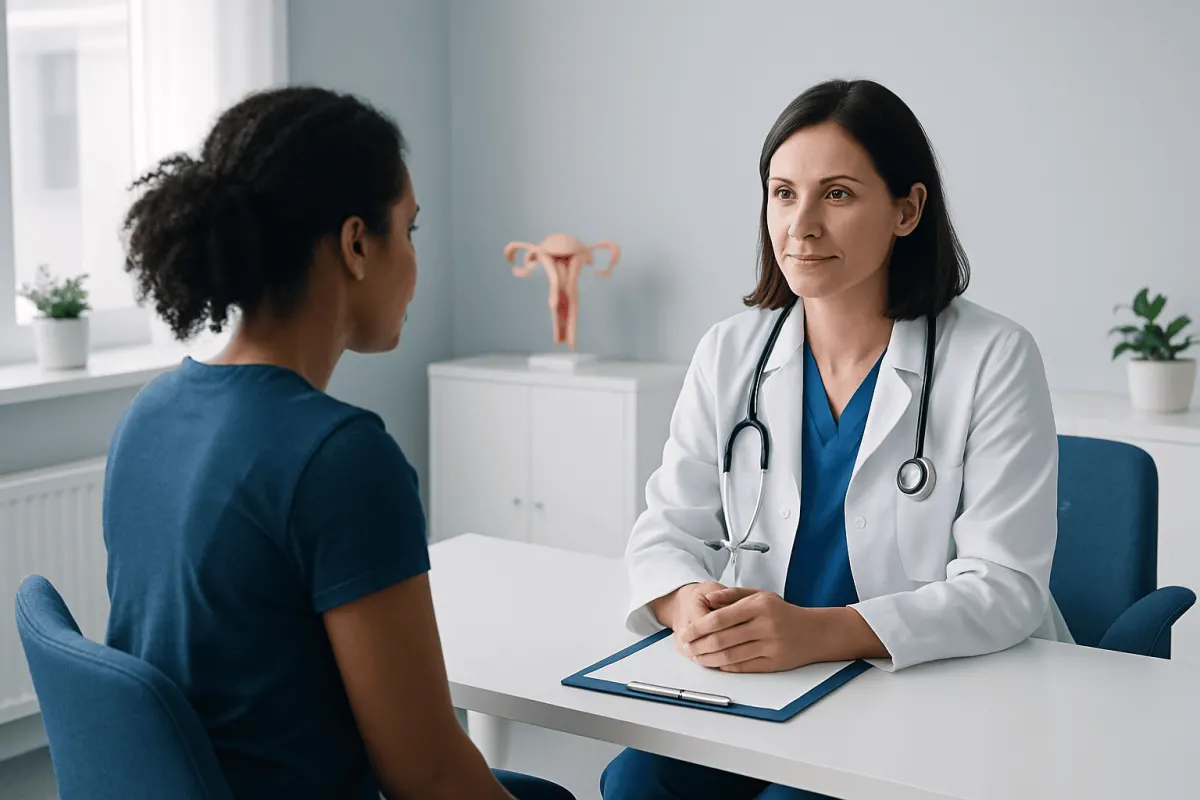
For many women, a yearly preventive visit is a practical and widely recommended way to stay on track with changing health needs. Even when certain screening tests are not due every year, the annual appointment gives time to review symptoms, mental health, menstrual changes, medications, contraception, and any new family history. It also helps maintain continuity of care and supports prevention across the lifespan.
That said, the exact schedule for components of the exam is individualized. Cervical cancer screening, for example, depends on age and previous results rather than happening at every annual visit. Breast imaging, bone density testing, and screening for cholesterol, diabetes, or sexually transmitted infections also follow their own timelines based on risk and national guidelines.
Some people need more frequent follow-up than once a year. This may include those with abnormal Pap or HPV results, ongoing gynecologic symptoms, a history of cancer or precancerous changes, pregnancy, menopause-related concerns, chronic conditions, or a strong family history of certain diseases. A clinician can explain which parts of care are routine prevention and which require additional visits.
Pelvic Exams, Pap Tests, and Other Screening Tests
One common source of confusion is the difference between a pelvic exam and a Pap test. A pelvic exam is a physical examination of the reproductive organs. A Pap test is a screening test that collects cells from the cervix to look for changes that could lead to cervical cancer. HPV testing looks for the human papillomavirus, a virus linked to many cervical cancers. These are related but not identical parts of care.
Whether a pelvic exam is needed depends on symptoms and medical context. It may be recommended for pelvic pain, abnormal bleeding, unusual vaginal discharge, pain during sex, or certain follow-up evaluations. A person with no symptoms may not need a pelvic exam at every preventive visit, and the decision can be made together with the clinician after discussing the benefits and reasons for the exam.
Other screening or preventive services may be discussed or arranged during the visit, including:
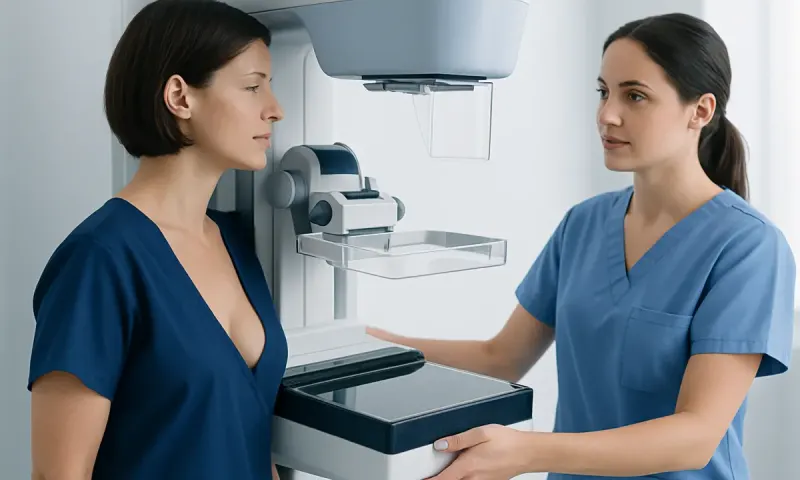
- Breast cancer screening such as mammography based on age and risk
- Screening for sexually transmitted infections
- Pregnancy testing when appropriate
- Bone health evaluation and osteoporosis prevention
- Blood pressure, cholesterol, and diabetes screening
- Vaccines and counseling on healthy lifestyle habits
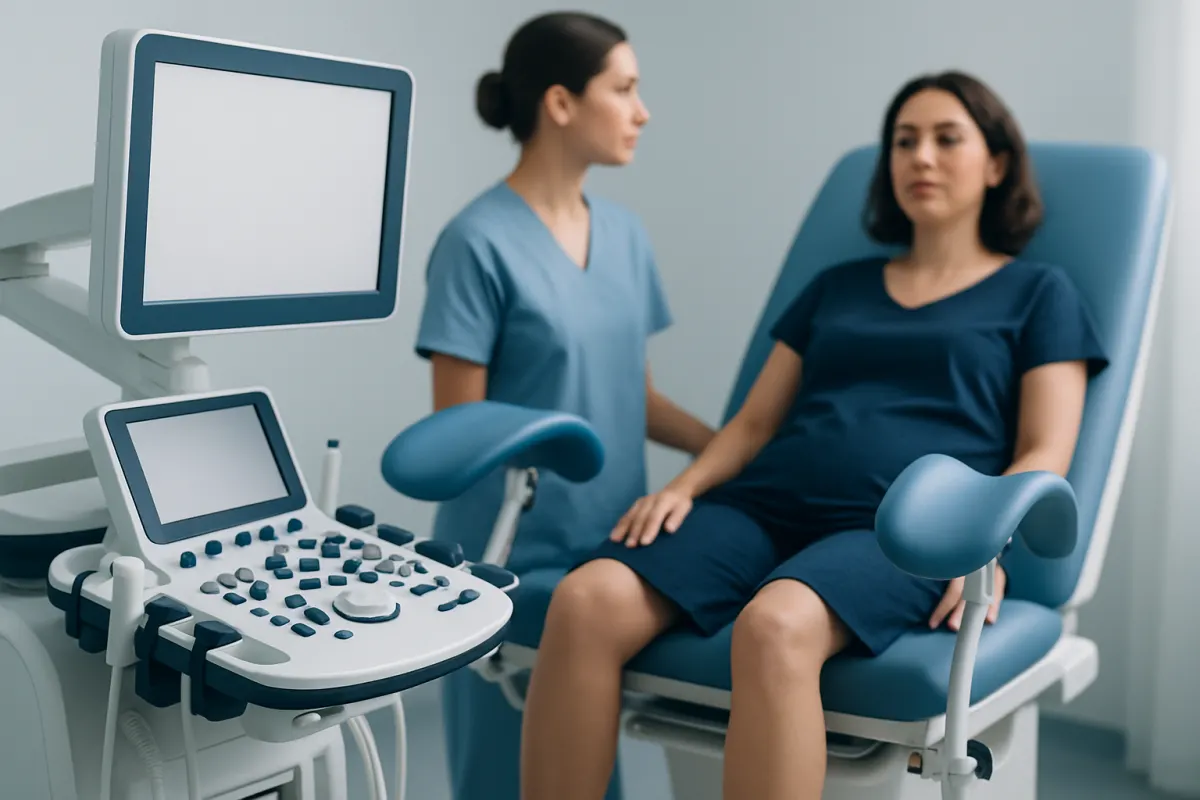
If an abnormality is found, the next step may involve repeat testing, imaging, or procedures such as colposcopy for closer evaluation of cervical changes. In some situations, pelvic imaging such as pelvic ultrasound may help assess pain, masses, or abnormal bleeding.
Questions and Concerns to Discuss During the Visit
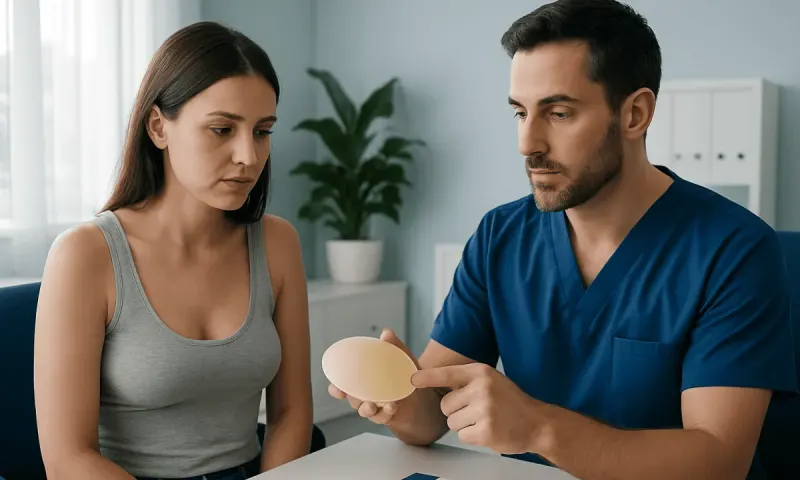
A well-woman exam is also an opportunity to talk about concerns that may feel personal or easy to postpone. Many women use this visit to ask about painful periods, irregular cycles, premenstrual symptoms, vaginal dryness, urinary leakage, low libido, or discomfort during sex. Others may want advice about contraception, fertility timing, pregnancy planning, or menopause.
The clinician may ask sensitive questions to better understand symptoms and risks, but the purpose is supportive, not judgmental. Honest answers help guide appropriate care. Patients can also request a chaperone for an examination, ask for each step to be explained, or let the clinician know if they feel anxious, have a history of trauma, or prefer to pause at any point.
This visit can also help identify conditions that may not seem gynecologic at first. Mood changes, sleep difficulties, headaches, fatigue, weight changes, or sexual pain may have hormonal, emotional, or physical causes that deserve attention. If needed, the clinician may recommend additional tests or referral for services such as fertility treatment or further assessment of issues like endometriosis.
Preparing for a Well-Woman Exam
Simple preparation can make the appointment more useful and more comfortable. It helps to bring a list of medications, supplements, allergies, major past illnesses or surgeries, and the date of the last menstrual period if known. Patients may also want to note any recent symptoms, changes in bleeding, pelvic pain, breast changes, or concerns they do not want to forget during the visit.
If cervical screening may be due, some clinicians advise avoiding vaginal creams, douching, or sexual intercourse for a short time beforehand, because these may affect sample collection. Menstruation does not always require rescheduling, but very heavy bleeding can sometimes interfere with testing, so checking in advance can be helpful.
It is also reasonable to prepare questions ahead of time. Common topics include birth control options, when to start mammograms, whether STI testing is needed, what to expect in perimenopause, and how often screening should be repeated. Good preventive care works best when the patient understands what is being done and why.
When to See a Doctor Sooner Than Your Routine Visit
A well-woman exam supports prevention, but it should not replace evaluation of concerning symptoms. Medical advice should be sought sooner for heavy or prolonged bleeding, bleeding after menopause, severe pelvic pain, a breast lump, nipple discharge, persistent itching, strong or unusual vaginal odor, sores, or pain with urination. These symptoms do not always mean a serious illness, but they do deserve timely assessment.
Changes in periods are also worth discussing if they are new, frequent, or disruptive. Examples include cycles that become very irregular, missed periods when pregnancy is possible, bleeding between periods, or worsening pain. Likewise, anyone with possible exposure to a sexually transmitted infection, new sexual health symptoms, or concerns after unprotected sex should not wait for the next annual appointment.
Near the end of the care journey, some patients may also value coordinated support across gynecology, imaging, pathology, and other specialties. Acıbadem Health Point’s multidisciplinary specialists and JCI-accredited hospitals diagnose and treat women’s health conditions for Myomectomy Recovery for International Patients: The Usual Travel Timeline" class="ahp-ilk">international patients when further evaluation or treatment is needed.
Frequently asked questions
01Is a well-woman exam the same as a Pap test?
No. A well-woman exam is a broader preventive visit that may include a health review, physical exam, counseling, and screening tests. A Pap test is only one possible part of the visit and is done according to age and screening guidelines.
02Does every well-woman exam include a pelvic exam?
Not always. A pelvic exam may be recommended based on symptoms, age, medical history, or a specific clinical reason. Many preventive visits focus on discussion, general health review, and screening planning rather than a pelvic exam every time.
03How often should someone have a well-woman exam?
Many women benefit from a yearly preventive visit, even when all screening tests are not due annually. The exact schedule should be individualized based on age, symptoms, prior results, pregnancy status, and personal or family risk factors.
04What should someone bring or prepare for the appointment?
It helps to bring a list of medications, supplements, allergies, past surgeries, and the date of the last menstrual period if known. Writing down questions about periods, contraception, menopause, fertility, or symptoms can also make the visit more useful.
05Can a well-woman exam help with birth control or fertility questions?
Yes. This visit is a good time to discuss contraception options, pregnancy planning, cycle tracking, and fertility concerns. A clinician can explain the next steps if further testing or specialist referral is needed.
06Should someone still have well-woman exams after menopause?
Yes. Preventive care remains important after menopause because health needs continue to change with age. These visits may focus more on breast health, bone health, urinary symptoms, sexual comfort, cardiovascular risk, and postmenopausal bleeding.
This article is for general information only and is not a substitute for professional medical advice. Please consult a qualified doctor about your individual situation.
Heart care in Turkey — expert evaluation and treatment
JCI-accredited · board-certified surgeons · reply within 24h
Add us as a Preferred Source to see more of our trusted health content across Google Search, AI Overviews and Discover.