The Vulva Varies Widely, and Most Changes Are Harmless
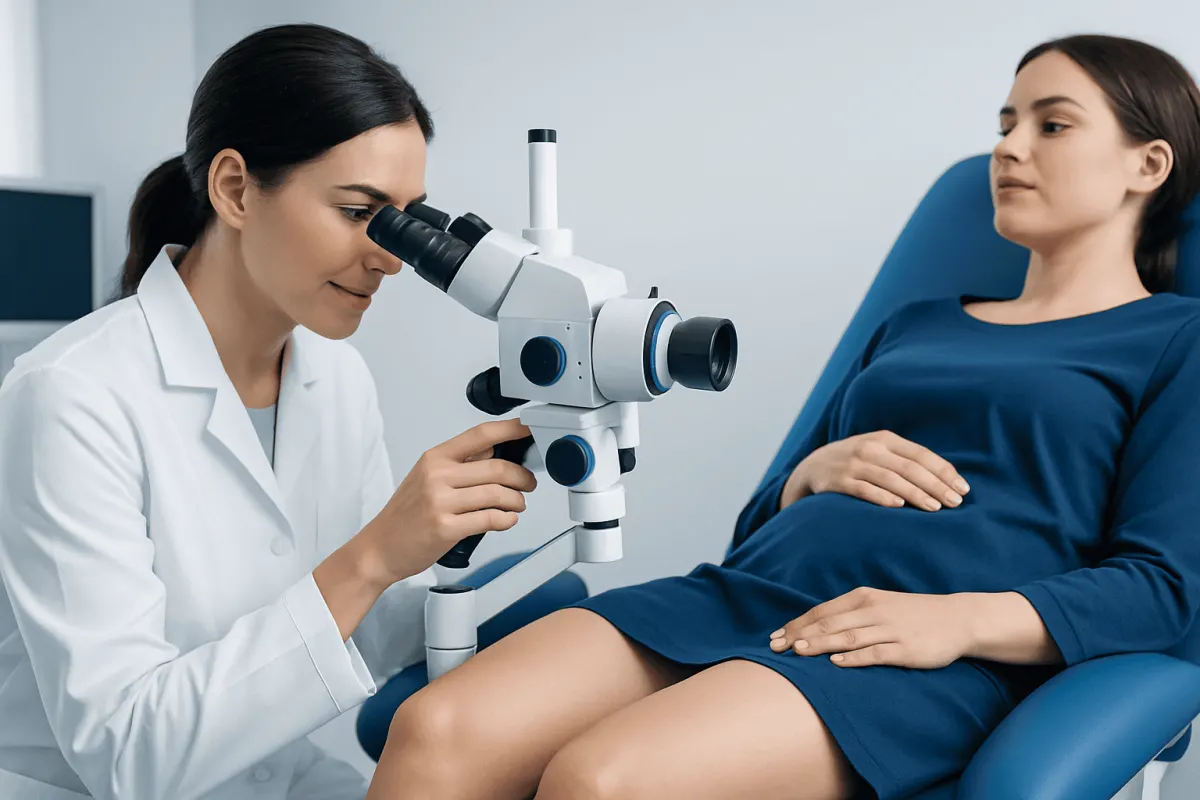
Have you ever wondered whether what you see down there is normal? You’re far from alone in asking. The vulva is the outer part of the female genital area — it includes the labia, the clitoris, and the vaginal opening. Knowing what’s normal for your own body makes it easier to spot common symptoms early, care for the area gently, and recognize when it’s time to see a doctor.
Overview: What the Vulva Is
The vulva is the outer part of the female genital area. It includes the labia majora and labia minora, the clitoris, the opening of the urethra, and the vaginal opening. Many people use the words “vulva” and “vagina” interchangeably, but they are not the same. The vagina is the internal muscular canal, while the vulva refers to the visible external structures.
The vulva protects the openings to the urinary and reproductive tracts, and it matters for sexual sensation, comfort, and skin protection. It’s a sensitive area, so it can react to friction, moisture, hormones, personal care products, infections, and skin conditions. Mild changes are common at every stage of life.
There is no single “normal” vulva. Labia can be symmetrical or uneven, lighter or darker, smooth or textured — and all of these are usually healthy variations. Once you know what’s typical for you, it’s much easier to notice a change that actually matters.
Normal Anatomy and Common Changes
The labia majora are the outer skin folds, and the labia minora are the inner folds closer to the vaginal opening. The clitoris is a highly sensitive organ located near the top of the vulva, where the inner labia meet. The urethral opening sits below the clitoris, and the vaginal opening lies below that. Nearby glands help keep the area moist and comfortable.
The vulva changes naturally with age, hormones, menstruation, pregnancy, childbirth, and menopause. During puberty, the tissue becomes fuller and darker. In reproductive years, discharge and sensitivity may vary during the menstrual cycle. After menopause, lower estrogen levels may make the skin thinner, drier, and more easily irritated.
Shaving, exercise, sex, tight clothing, and prolonged moisture can also affect the skin. A little redness or mild sensitivity now and then is nothing unusual. But if symptoms stick around, get worse, or start interfering with daily life, get them checked.
- Normal variation in size, shape, and color is common.
- Mild changes may occur with hormones, aging, or friction.
- New sores, persistent itching, or ongoing pain are not considered normal.
Symptoms That May Affect the Vulva

Vulvar symptoms can appear in many ways. Common concerns include itching, burning, dryness, swelling, soreness, pain with touch, and discomfort during urination or sex. Some people notice bumps, blisters, a rash, white patches, redness, or changes in skin texture. Others may feel a lump or see unusual discharge coming from the vaginal opening rather than the vulva itself.
Symptoms may be short-lived, such as irritation after using a scented product or after hair removal. In other cases, they may continue for weeks or return repeatedly. Recurrent or persistent symptoms can point to infection, eczema, psoriasis, hormonal changes, chronic pain syndromes, or a more specific vulvar skin disorder.
Pain in the vulva can be generalized or limited to one spot. Some patients feel burning without visible skin changes. Others have tenderness only with pressure, such as inserting a tampon, cycling, or sexual contact. These patterns can help a clinician narrow the cause and decide whether further evaluation is needed.
Causes and Risk Factors
Vulvar symptoms often result from irritation or inflammation. Frequent triggers include soaps, bubble baths, scented pads, wipes, detergents, lubricants, tight synthetic clothing, sweating, and friction. The vulvar skin is delicate, so even products marketed as “feminine” can cause discomfort. Yeast infections and other vaginal or skin infections are also common reasons for itching or burning.
Several skin conditions can affect the vulva, including eczema, contact dermatitis, psoriasis, and lichen sclerosus. Hormonal changes, especially after menopause, may lead to dryness and thinning of tissue, which can make the area feel sore or more vulnerable to irritation. Chronic vulvar pain conditions, including vulvodynia, may cause burning or tenderness without a clear infection. In some cases, symptoms overlap with vaginal infections or urinary problems.
Less commonly, persistent lumps, non-healing sores, bleeding, or significant skin color changes can be signs of precancerous changes or vulvar cancer. Risk factors for more serious conditions can include increasing age, smoking, certain viral infections, chronic skin disease, or a personal history of gynecologic conditions. A medical examination is the best way to clarify the cause.
How Doctors Evaluate Vulvar Concerns
Diagnosis usually begins with a detailed history. A clinician may ask when symptoms started, whether they come and go, what products are used on the area, whether there is pain with sex or urination, and whether discharge, odor, bleeding, or skin changes are present. Menstrual status, menopause, medications, and past skin or gynecologic conditions may also be relevant.
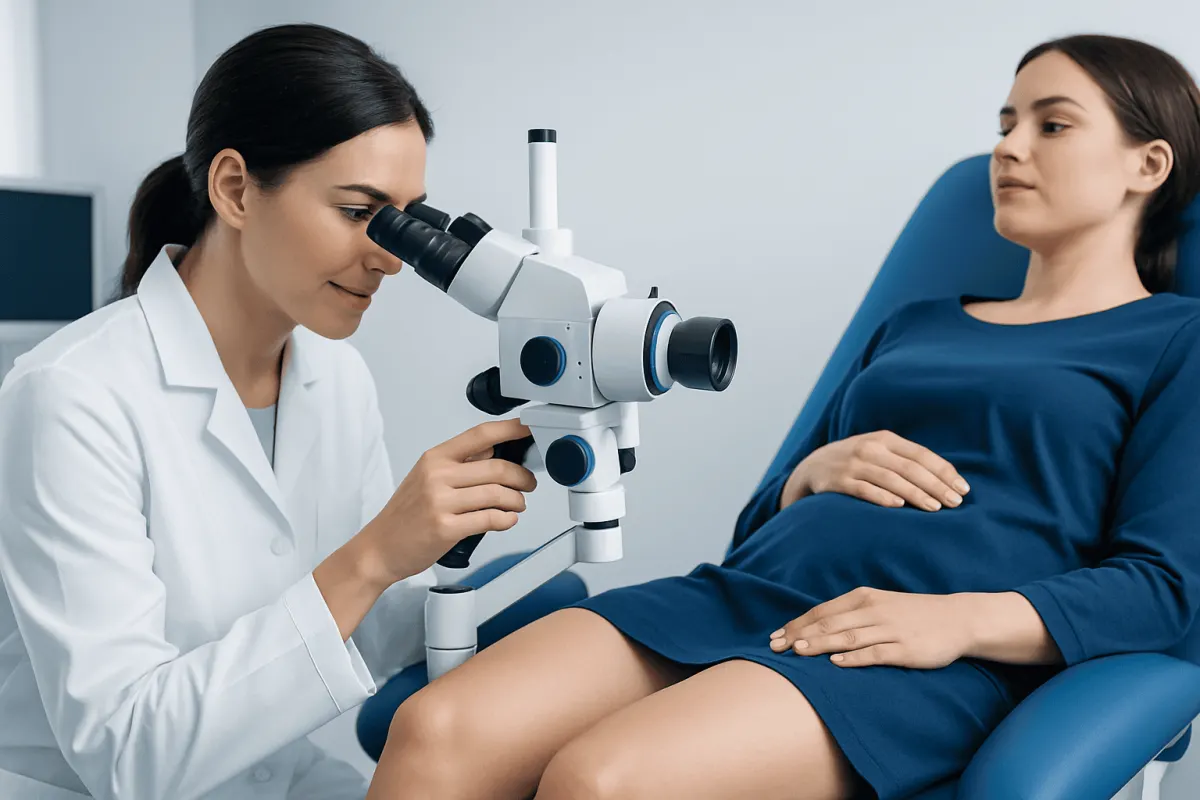
A gentle physical examination is often the next step. This can include looking closely at the vulvar skin, checking for redness, rashes, sores, swelling, or changes in pigment, and sometimes examining the vagina and cervix if symptoms suggest an internal source. Depending on the situation, the clinician may take a swab to look for infection, test the urine, or recommend a biopsy of a small skin sample if an area looks unusual.
Not every symptom needs a battery of tests — often, a careful history and examination are enough to find the cause. That said, don’t let anyone brush off symptoms that keep coming back or can’t be explained. Getting the diagnosis right matters, because treating irritation is very different from treating an infection, an inflammatory skin condition, a hormonal change, or a cancer-related cause.
Treatment Options and Supportive Care
Treatment for vulvar symptoms depends on the underlying cause. If irritation is the main problem, avoiding fragranced products, reducing friction, and using bland emollients may help. When an infection is present, treatment may involve antifungal, antibacterial, or antiviral medicines, depending on the diagnosis. Skin conditions such as eczema or lichen sclerosus may require prescription creams or ointments to reduce inflammation and protect the skin.
For dryness or tissue thinning related to menopause, a doctor may discuss moisturizers, lubricants, or hormone-based treatments when appropriate. Persistent vulvar pain may be managed with a combination of approaches, such as pain-modulating therapies, pelvic floor assessment, and lifestyle changes. If a suspicious lesion is found, further testing and specialist evaluation are important. In selected cases, a biopsy or colposcopy and close examination of the vulvar area may help clarify abnormal tissue changes.
Sometimes vulvar symptoms are part of a broader gynecologic condition, and treatment may also involve care for the vagina, cervix, or pelvic organs. Structural problems, chronic bleeding, or coexisting pelvic disease may call for specialist review and, in some cases, gynecological surgery. If you’re considering treatment abroad, Acıbadem Health Point’s multidisciplinary specialists diagnose and treat vulvar and gynecologic conditions for international patients in JCI-accredited hospitals.
Prevention and Everyday Vulvar Self-care
Good vulvar care focuses on protecting the skin rather than over-cleansing it. Warm water is often enough for routine washing. If a cleanser is used, it should be mild and fragrance-free. The area should be patted dry rather than scrubbed. Douching is not recommended, as it can upset the natural balance of the genital area and increase irritation.
Choosing breathable cotton underwear and avoiding prolonged damp clothing can help reduce moisture build-up. During exercise or hot weather, changing out of sweaty garments promptly may improve comfort. Patients who notice symptoms after using pads, panty liners, or lubricants may benefit from switching to unscented, simpler products.
Hair removal is entirely your choice — just know that shaving and waxing can cause irritation, ingrown hairs, and small cuts. If you do remove hair, a gentle technique and skipping harsh aftercare products can reduce discomfort. And remember: self-care helps with comfort, but it’s no substitute for seeing a doctor when symptoms are severe, keep returning, or seem unusual.
- Wash gently and avoid fragranced products.
- Wear loose, breathable underwear when possible.
- Change out of wet or sweaty clothes promptly.
- Avoid scratching, even when itching is intense.
- Seek medical advice before using repeated over-the-counter treatments.
When to Seek Medical Care
Many mild vulvar symptoms improve when irritants are removed, but some situations call for professional evaluation. Medical care is recommended if itching, burning, pain, or a rash lasts more than a short time, keeps returning, or interferes with sleep, exercise, urination, or sexual activity. Patients should also seek care for new lumps, blisters, open sores, bleeding not related to menstruation, or skin that becomes white, thickened, darkened, or fragile.
Seek urgent care for severe pain, rapidly increasing swelling, fever, or signs of a spreading infection. It’s also sensible to book a check-up if symptoms appear during pregnancy, after menopause, or if your immune system is weakened. The sooner a problem is looked at, the simpler treatment usually is — and the less discomfort you have to put up with.
Because vulvar concerns can overlap with vaginal, urinary, and skin conditions, seeing a gynecologist, dermatologist, or another qualified clinician can be helpful. If a patient has persistent symptoms or an abnormal lesion, specialist-led assessment may include advanced imaging, biopsy, or procedures tailored to the individual problem.
Frequently asked questions
01Is the vulva the same as the vagina?
No. The vulva is the external genital area, including the labia, clitoris, and the openings to the urethra and vagina. The vagina is the internal muscular canal inside the body.
02What does a normal vulva look like?
A normal vulva can vary widely in size, shape, color, and symmetry. Labia may be larger or smaller, even or uneven, and still be completely healthy. What matters most is noticing new or persistent changes rather than comparing appearance to an ideal image.
03Why does the vulva itch?
Vulvar itching can happen because of irritation from soaps, pads, detergents, sweat, shaving, or tight clothing. It can also be caused by yeast infections, skin conditions, hormonal changes, or other medical issues. Ongoing or severe itching should be assessed by a clinician.
04Can vulvar pain happen without an infection?
Yes. Vulvar pain can be related to skin irritation, nerve sensitivity, hormonal changes, pelvic floor tension, or vulvodynia, even when tests do not show infection. Because different causes require different treatment, a proper evaluation is important.
05When should a patient worry about a vulvar lump or sore?
A new lump or sore should be checked if it does not heal, becomes more painful, bleeds, or changes in size or color. While many causes are not serious, some lesions need testing to rule out infections, cysts, or precancerous and cancerous changes.
06How can patients care for the vulva at home?
Gentle care is usually best. Washing with warm water, avoiding fragranced products, wearing breathable underwear, and reducing friction can help protect the skin. Home care may improve mild irritation, but repeated or unexplained symptoms should be evaluated medically.
This article is for general information only and is not a substitute for professional medical advice. Please consult a qualified doctor about your individual situation.
Explore treatments in Turkey — costs, top hospitals & a free quote
JCI-accredited · board-certified surgeons · reply within 24h
Add us as a Preferred Source to see more of our trusted health content across Google Search, AI Overviews and Discover.