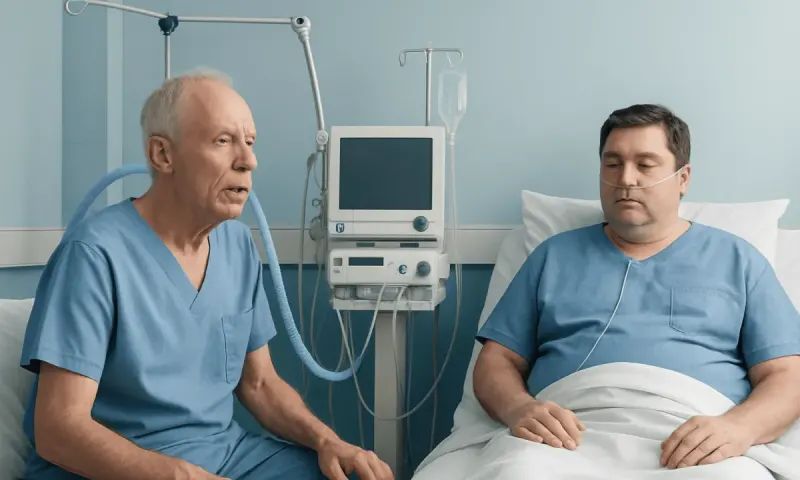
Ventilator Support: Uses, Types and Risks

Key Takeaways
- A ventilator supports breathing; it does not cure the underlying illness.
- It may be used for a short time after surgery, during severe infection, or in respiratory failure.
- Care teams monitor breathing, comfort, and complications closely throughout treatment.
- The goal is usually to reduce support gradually as the lungs recover.
- Families can help by understanding the plan, asking questions, and preparing for follow-up after discharge.
A ventilator is a machine that helps a person breathe when their lungs cannot work well enough on their own. It is used in intensive care and, in some cases, as a temporary support while the underlying condition is treated and recovery begins.
Overview
A ventilator is a medical device that helps move air in and out of the lungs when breathing is too weak, too shallow, or too difficult to do safely on a person’s own. In hospital settings, it is most often used in an intensive care unit, where trained teams can watch the patient’s breathing closely and adjust support as needed.
The word can refer to different kinds of breathing support. Some people receive non-invasive support through a mask, while others need a breathing tube placed in the airway so the machine can deliver more controlled assistance. The right approach depends on the person’s condition, how much help their lungs need, and how quickly doctors expect the situation to change.
For international patients, the decision about ventilator care is often part of a larger treatment plan that includes diagnosis, stabilization, and follow-up. Families may be balancing treatment decisions across borders, so clear explanations from the care team are especially important.
Symptoms and situations that may lead to ventilator support
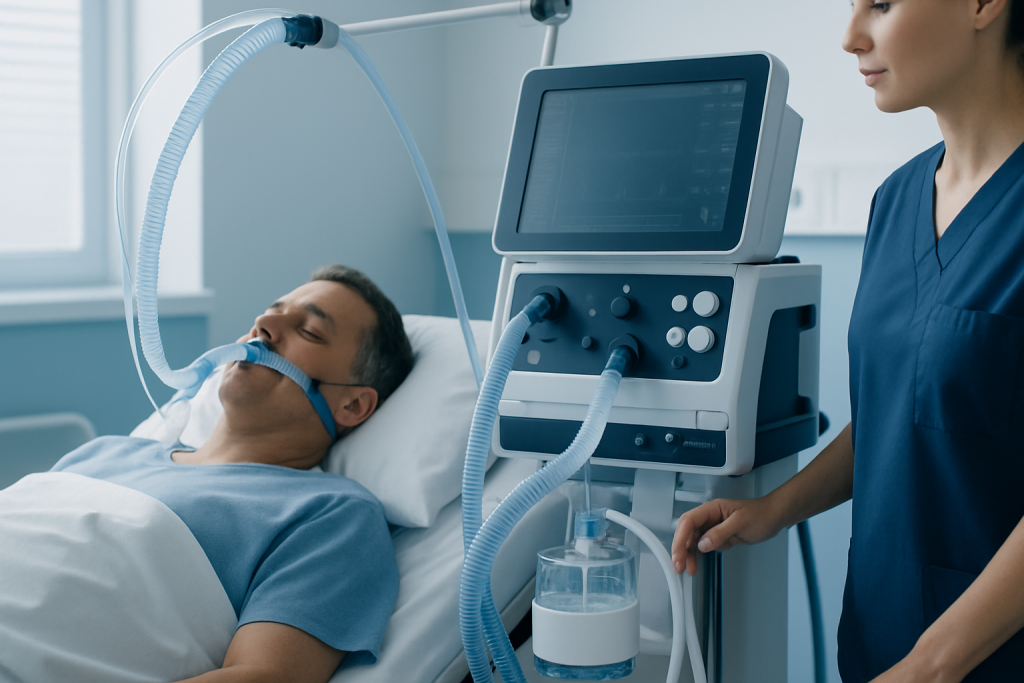
A ventilator is usually considered when a person cannot maintain enough oxygen or cannot remove enough carbon dioxide on their own. This can happen suddenly, such as after a serious infection, trauma, or an acute asthma attack, or more gradually in chronic lung disease that suddenly worsens.
Common situations include severe pneumonia, respiratory failure, complications after surgery, head injury, stroke, poisoning, or muscle weakness that affects breathing. Some patients need support because they are too sleepy or too weak to protect their airway, even if their lungs are not the only problem.
Signs that a person may be struggling to breathe can include fast breathing, visible effort using the chest or neck muscles, confusion, low oxygen levels, or extreme fatigue. These signs do not always mean a ventilator is needed, but they do mean urgent medical evaluation is appropriate.
Causes and risk factors

The need for ventilator support comes from a mismatch between the body’s oxygen needs and the lungs’ ability to meet them. This may happen because the airways are blocked, the lungs are inflamed, the breathing muscles are tired, or the brain is not sending clear signals to breathe effectively.
People with long-term lung disease, advanced heart failure, neurological conditions, severe obesity-related breathing problems, or weakened immune systems may be more likely to need breathing support during an acute illness. However, ventilator use is not limited to people with chronic disease; previously healthy individuals can also need it after an accident or severe infection.
Age, general strength, other medical conditions, and how quickly care is started can influence the overall course. That is why clinicians usually look at the full picture rather than one test result when deciding whether ventilation is needed.
Diagnosis and evaluation before ventilation
Before starting ventilator support, the medical team usually evaluates the person’s breathing, oxygen level, carbon dioxide level, alertness, heart rate, and blood pressure. This may involve physical examination, blood tests, pulse oximetry, chest X-ray, and sometimes an arterial blood gas test to measure how well oxygen and carbon dioxide are being exchanged.
Doctors also consider the likely cause of the breathing problem. For example, infection, fluid in the lungs, an asthma flare, a blocked airway, or a neurologic problem may each require a different treatment plan alongside breathing support.
If a patient is traveling for care, this evaluation may be coordinated quickly so treatment can begin without delay. Families are often asked about symptoms, timeline, medications, allergies, and prior illnesses, because these details help the team choose the safest form of support.
Treatment options and how a ventilator is used
Ventilator treatment is tailored to the person’s needs. Non-invasive ventilation uses a mask and may help people who are still breathing on their own but need extra support. In more severe cases, invasive ventilation uses a breathing tube placed through the mouth or, less commonly, through a tracheostomy opening in the neck.
Once connected, the ventilator helps deliver air with set pressure or volume, while clinicians monitor oxygen levels, breathing comfort, and blood gas results. Sedation may sometimes be used to reduce distress or help a person tolerate the tube, but the team usually aims to use the lightest approach that keeps the patient safe.
Treatment does not stop at the machine. Doctors and nurses also address the cause of the breathing failure, which may include antibiotics for infection, inhaled medications for airway narrowing, fluids or diuretics for fluid balance, or other treatments depending on the diagnosis. The plan often changes day by day as the lungs improve or new needs appear.
When recovery begins, the team may gradually reduce the ventilator’s assistance in a process called weaning. If the person can breathe adequately with less help, the breathing tube can be removed after a careful assessment. If longer-term support is needed, the team may discuss a tracheostomy or other ongoing respiratory care.
Possible risks and complications
Ventilators are life-support tools and are used when the benefits outweigh the risks. Even so, they can be associated with complications such as lung irritation from pressure, infection, discomfort, dry mouth, sore throat, or weakness after prolonged bed rest.
For people with a breathing tube, there is also a risk of aspiration, airway injury, or needing more time to regain normal swallowing and speaking. Invasive ventilation can increase the chance of pneumonia, which is why careful mouth care, positioning, and infection-prevention practices are part of routine ICU care.
The team continuously watches for these issues and adjusts treatment early. Many complications can be reduced by close monitoring, proper equipment settings, early mobilization when possible, and a stepwise plan to come off the ventilator as soon as it is safe.
Prevention and self-care
Not every ventilator use can be prevented, but some causes of respiratory failure can be lowered through general health measures. Vaccination, smoking cessation, good control of asthma or COPD, hand hygiene, and prompt treatment of infections can reduce the chance of severe breathing problems.
For people living with chronic lung or heart conditions, regular follow-up and a clear action plan for flare-ups are especially useful. Knowing when to seek help early can prevent a manageable illness from becoming a crisis that requires intensive breathing support.
After ventilator care, recovery may include breathing exercises, physical therapy, nutrition support, and follow-up imaging or clinic visits. International patients often benefit from a written discharge summary and a clear plan for medication, wound care if applicable, and warning signs that should prompt medical review after returning home.
When to see a doctor
Urgent medical attention is needed if a person has severe shortness of breath, bluish lips or fingertips, confusion, inability to speak full sentences, chest pain, or signs of exhaustion from breathing. These symptoms can develop quickly and may indicate respiratory failure.
People with chronic lung disease, heart disease, neuromuscular conditions, or a recent serious infection should contact a doctor early if symptoms worsen rather than waiting for them to become severe. Early assessment can sometimes prevent the need for intensive respiratory support.
If a ventilator is being discussed for a loved one, it is appropriate to ask the care team what problem it is treating, whether the support is expected to be short-term or longer, what the next step is, and how recovery will be monitored. Acibadem Health Point’s multidisciplinary specialists and JCI-accredited hospitals diagnose and treat conditions requiring ventilator support for international patients, with coordinated care from stabilization through follow-up.
FAQs
Is a ventilator the same as a breathing tube?
A ventilator is the machine that helps with breathing, while a breathing tube is one way the machine reaches the airway. Some patients use a mask instead of a tube, depending on how much support they need.
How long does someone stay on a ventilator?
The length of time varies widely and depends on the cause of breathing failure and how quickly the lungs recover. Some people need support for hours or days, while others need it longer.
Will a patient be awake on a ventilator?
Sometimes yes, sometimes no. Comfort, safety, and the type of ventilation used all influence how awake a person can be, and the care team usually balances alertness with the need to reduce distress.
Can a ventilator cure the illness?
No. A ventilator supports breathing while doctors treat the underlying cause, such as infection, swelling, weakness, or fluid buildup.
Does ventilator use mean recovery is impossible?
Not at all. Many people come off ventilator support once the underlying condition improves, though recovery can take time and may include rehabilitation.
What should families ask the ICU team?
Helpful questions include why the ventilator is needed, what signs show improvement, what complications are being watched for, and what the likely next step is. Clear communication can make a difficult time easier to understand.
This article is for general information only and is not a substitute for professional medical advice. Please consult a qualified doctor about your individual situation.
Explore treatments in Turkey — costs, top hospitals & a free quote
JCI-accredited · board-certified surgeons · reply within 24h
Add us as a Preferred Source to see more of our trusted health content across Google Search, AI Overviews and Discover.