Varicose Veins Surgery: What Recovery May Involve
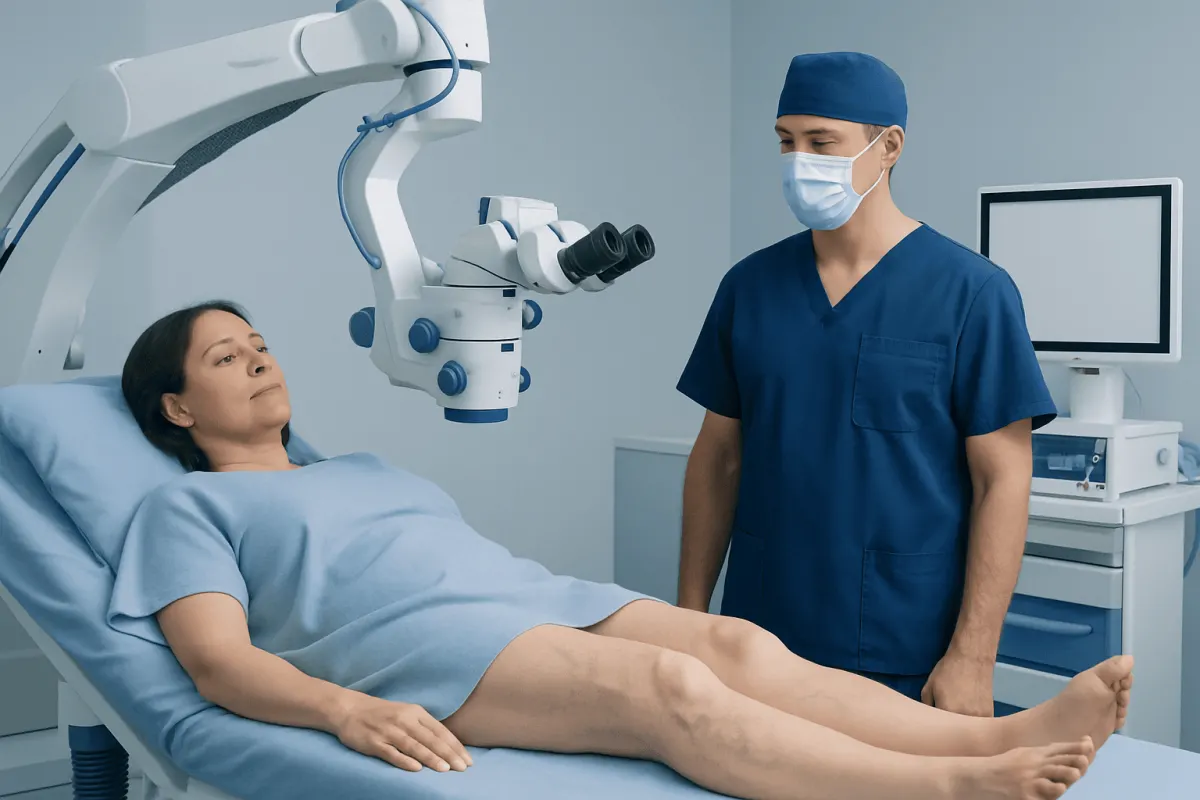
Varicose veins surgery refers to procedures that close or remove veins whose valves no longer work properly. Modern treatment is often minimally invasive, with many people returning to light activity quickly while healing continues over several weeks.
Varicose Veins Surgery: What It Is and How It Works
Varicose veins surgery is a broad term for treatments that close, seal, or remove enlarged surface veins caused by faulty one-way valves. When these valves do not close effectively, blood can flow backward and pool in the veins. This is called venous reflux and can lead to visible twisted veins, aching, heaviness, swelling, itching, or skin changes.
Today, many people do not need traditional vein stripping. Specialists commonly use minimally invasive techniques, such as heat-based endovenous ablation, medical adhesive closure, or ultrasound-guided foam sclerotherapy. These treatments redirect blood through healthy veins; the treated vein gradually seals and is naturally absorbed by the body over time.
Varicose veins are often part of chronic venous disease. A detailed assessment can distinguish them from other causes of leg discomfort or swelling and may be considered alongside information about varicose veins and chronic venous insufficiency.
Who May Be a Candidate for Varicose Vein Treatment?
Varicose veins surgery may be considered when symptoms affect daily activities or when there are signs that venous disease is progressing. Common reasons include persistent aching, heaviness, throbbing, swelling, nighttime cramps, itching, recurrent inflammation of a vein, skin discoloration around the ankle, or a venous leg ulcer. Some people also seek treatment because prominent veins cause discomfort or concern about appearance.
Conservative measures are often tried first when appropriate. These can include regular walking, leg elevation, weight management where relevant, avoiding prolonged sitting or standing, and compression stockings recommended by a clinician. However, compression can ease symptoms without correcting reflux in the affected vein.
Suitability depends on the vein pattern, ultrasound findings, overall health, pregnancy status, history of blood clots, medications, and individual goals. Pregnancy can make varicose veins more noticeable, but elective procedures are usually postponed until after pregnancy and a period of recovery, as veins may improve naturally.
Assessment and Planning Before the Procedure
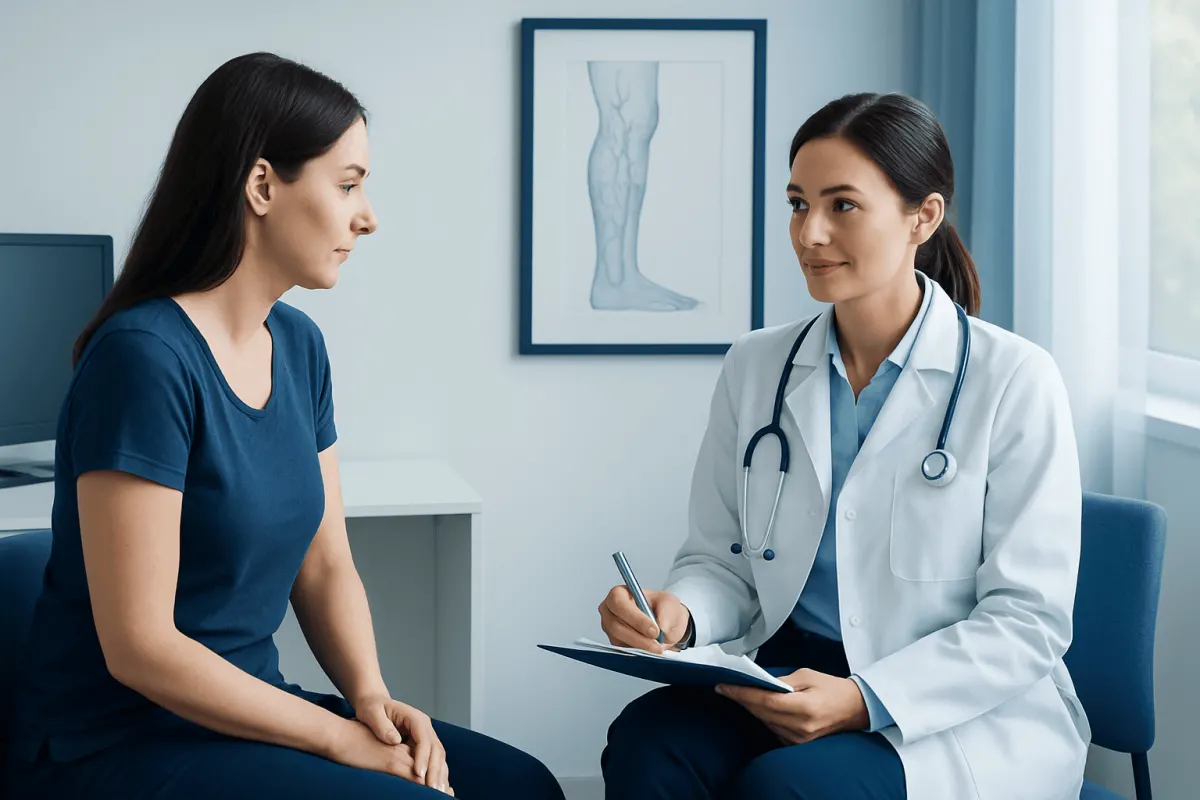
A vascular specialist usually begins with a medical history and examination of the legs while the person is standing. They ask about symptoms, previous clots, family history, pregnancies, work routines, medications, and any history of bleeding or poor wound healing.
Duplex ultrasound is the key test used to map blood flow. It combines imaging with Doppler measurements to identify which veins have reflux, assess the deep veins, and help exclude a clot. This information allows the specialist to recommend the procedure most likely to address the underlying source of the problem rather than treating only visible branches.
Before treatment, patients should ask which vein will be treated, which technique is planned, what type of anesthesia is expected, whether compression will be needed afterward, and when follow-up ultrasound will occur. Blood-thinning medicines and certain supplements should only be adjusted under guidance from the prescribing clinician and procedural team.
Step-by-Step: What Happens During Varicose Veins Surgery?
Most modern vein procedures are performed as outpatient care, meaning the person goes home the same day. The exact process varies, but ultrasound is generally used throughout treatment to guide the specialist accurately. The leg is cleaned, sterile drapes are placed, and local anesthetic is used to numb the area. Some patients may receive additional sedation depending on the procedure and their needs.
During endovenous thermal ablation, a thin catheter is placed into the problem vein through a small skin puncture. Laser or radiofrequency energy heats the vein wall so it closes. Tumescent anesthetic fluid is usually placed around the vein to numb surrounding tissues and protect them from heat. Other options include medical adhesive, which seals the vein, or foam sclerotherapy, in which a medicated foam irritates the vein lining so it closes.
Visible side branches may be treated at the same visit or later with phlebectomy, a technique that removes small vein segments through tiny skin openings, or with sclerotherapy. Traditional ligation and stripping are now less common but may still be appropriate for selected patterns of disease. For a personalized overview of available approaches, patients can review varicose veins treatment options.
Afterward, a dressing or compression stocking may be applied. The person is usually encouraged to walk before leaving. A follow-up appointment, sometimes including ultrasound, checks that the treated vein has closed as intended and that blood flow in the deeper veins is normal.
Benefits, Limits and Possible Risks
Successful treatment can reduce vein-related aching, heaviness, swelling, itching, and discomfort. It may also help prevent or manage complications linked to significant venous reflux, such as skin inflammation, bleeding from a superficial vein, or venous ulcers. Cosmetic improvement is often a benefit, although appearance may continue to change as bruising settles and the treated vein gradually fades.
No procedure can guarantee that new varicose veins will never develop. Venous disease may affect other veins over time, especially when there is a strong family tendency or ongoing risk factors. Follow-up and long-term self-care can help identify recurrent or newly developing symptoms early.
Most side effects are temporary and mild, including bruising, tenderness, a pulling sensation, numbness near a small incision, or darkening along a treated vein. Less common but important risks include skin burns with heat-based procedures, infection, bleeding, inflammation of a superficial vein, nerve irritation, allergic reaction, incomplete closure, or deep vein thrombosis. The treating specialist explains the risks that apply to the planned technique and a person’s health history.
Recovery Timeline and Everyday Care
Recovery varies according to the technique used, the number of veins treated, and the person’s general health. Many people can walk immediately and return to desk-based or light daily activities within a few days. A clinician may recommend compression stockings for a defined period, particularly after thermal ablation or phlebectomy, although advice differs by procedure and individual circumstances.
Short, frequent walks are usually helpful because they support circulation. People are often advised to avoid prolonged immobility, including long journeys without regular movement, during early recovery. Heavy lifting, high-impact workouts, hot baths, saunas, and vigorous lower-body exercise may need to be delayed until the treating team confirms it is safe.
Bruising and local soreness can improve over one to two weeks, while firmness or a cord-like feeling in the treated vein can last longer as it closes and heals. The final visible result may take several weeks to months. New or worsening leg swelling, severe pain, shortness of breath, chest pain, fever, or significant bleeding should be assessed urgently.
How many days should I rest after varicose vein surgery?
Complete bed rest is generally not advised after most modern varicose vein procedures. Patients are commonly encouraged to walk on the day of treatment and to continue gentle movement each day. Many can return to light work within one to several days, depending on discomfort, the procedure performed, and the physical demands of their job.
More physically demanding work, heavy lifting, and intense exercise may require a longer pause, often around one to two weeks or as advised by the specialist. Traditional surgery can involve a longer recovery than catheter-based treatment. The safest plan is the individual aftercare guidance provided by the procedural team.
How painful is varicose vein surgery?
Most minimally invasive procedures are performed with local anesthetic, so patients should feel pressure, movement, or brief stinging from injections rather than sharp pain during treatment. Some techniques may use sedation, and traditional surgery may require general or regional anesthesia.
After the procedure, mild to moderate soreness, bruising, tightness, or tenderness is common and usually improves steadily. Pain should be manageable with the aftercare plan recommended by the clinician. Severe or increasing pain, marked swelling, or symptoms that do not seem consistent with normal recovery should be reported promptly.
Is it worth getting varicose veins removed?
Whether treatment is worthwhile depends on the individual’s symptoms, ultrasound findings, risk of complications, and personal priorities. For people with persistent discomfort, swelling, skin changes, recurrent vein inflammation, bleeding, or ulcers, treating the underlying reflux can provide meaningful medical and quality-of-life benefits.
When veins are mainly a cosmetic concern and do not cause symptoms or complications, treatment remains a personal decision after discussing expected benefits and limitations. A consultation helps clarify whether the visible veins are linked to deeper reflux and whether treatment is likely to meet the person’s goals.
How long does it take to heal after varicose vein surgery?
Early recovery after minimally invasive treatment often takes days to two weeks, but complete healing and settling of the treated area can take several weeks. Bruising may fade within one to two weeks, while firmness, mild discoloration, or a sensation of tightness can last for several weeks or occasionally longer.
Following the walking, compression, wound-care, and follow-up instructions supports recovery. Healing may take longer after multiple procedures, phlebectomy, or traditional stripping. A scheduled ultrasound and review appointment allow the team to confirm healing and address any persistent symptoms.
When to Seek Medical Care
A medical assessment is appropriate for leg pain, heaviness, swelling, visible enlarging veins, ankle skin discoloration, itching that persists, or a wound that is slow to heal. Urgent assessment is needed for sudden one-sided leg swelling, warmth, redness, or pain, because these symptoms can have causes other than varicose veins, including a blood clot.
Emergency care is important for chest pain, sudden shortness of breath, coughing blood, fainting, or severe bleeding from a vein. After a procedure, patients should contact their treating team for fever, spreading redness, worsening swelling, unusual drainage from an incision, or pain that is severe or getting worse.
Acıbadem Health Point’s multidisciplinary specialists and JCI-accredited hospitals diagnose and treat venous conditions for international patients, with care plans based on clinical assessment and ultrasound findings.
Frequently asked questions
01Will varicose veins come back after surgery?
A treated vein that has fully closed or been removed does not usually reopen in the same way, but new varicose veins can develop in other veins over time. Family history, pregnancy, weight changes, prolonged standing, and the natural progression of venous disease can influence recurrence. Follow-up and healthy movement habits may help manage future symptoms.
02Do I need to wear compression stockings after varicose vein surgery?
Some people are advised to wear compression stockings for a short period after treatment, particularly following thermal ablation or removal of vein branches. The need and duration depend on the procedure, symptoms, and the specialist's protocol. Patients should follow their own aftercare instructions rather than using a standard schedule.
03Can I walk after varicose vein surgery?
Walking is commonly encouraged soon after minimally invasive vein treatment because it supports normal circulation. Short, regular walks are usually preferable to remaining still for long periods. The treating team can advise when to resume longer walks, exercise, travel, and work.
04Is varicose vein surgery performed under general anesthesia?
Many modern procedures use local anesthetic and do not require general anesthesia. Sedation may be offered in some situations, while traditional surgical stripping may be performed under general or regional anesthesia. The anesthesia plan depends on the technique and the patient's health needs.
05Can varicose veins cause blood clots?
Varicose veins can be associated with superficial vein inflammation and clotting, called superficial thrombophlebitis. A clot in the deep veins is a different condition and needs prompt medical assessment. Sudden leg swelling, warmth, redness, or pain should not be assumed to be due to varicose veins alone.
06What should I avoid after varicose vein treatment?
Advice varies, but patients may be asked to avoid strenuous exercise, heavy lifting, prolonged sitting, and heat exposure such as hot baths or saunas for a short time. It is also important not to stop prescribed medicines unless the treating clinician advises this. Personalized instructions should take priority over general guidance.
This article is for general information only and is not a substitute for professional medical advice. Please consult a qualified doctor about your individual situation.
Persistent digestive symptoms? Get evaluated in Turkey
JCI-accredited · board-certified surgeons · reply within 24h
Add us as a Preferred Source to see more of our trusted health content across Google Search, AI Overviews and Discover.