Vaginal Rejuvenation Surgery Cost: What Affects It?
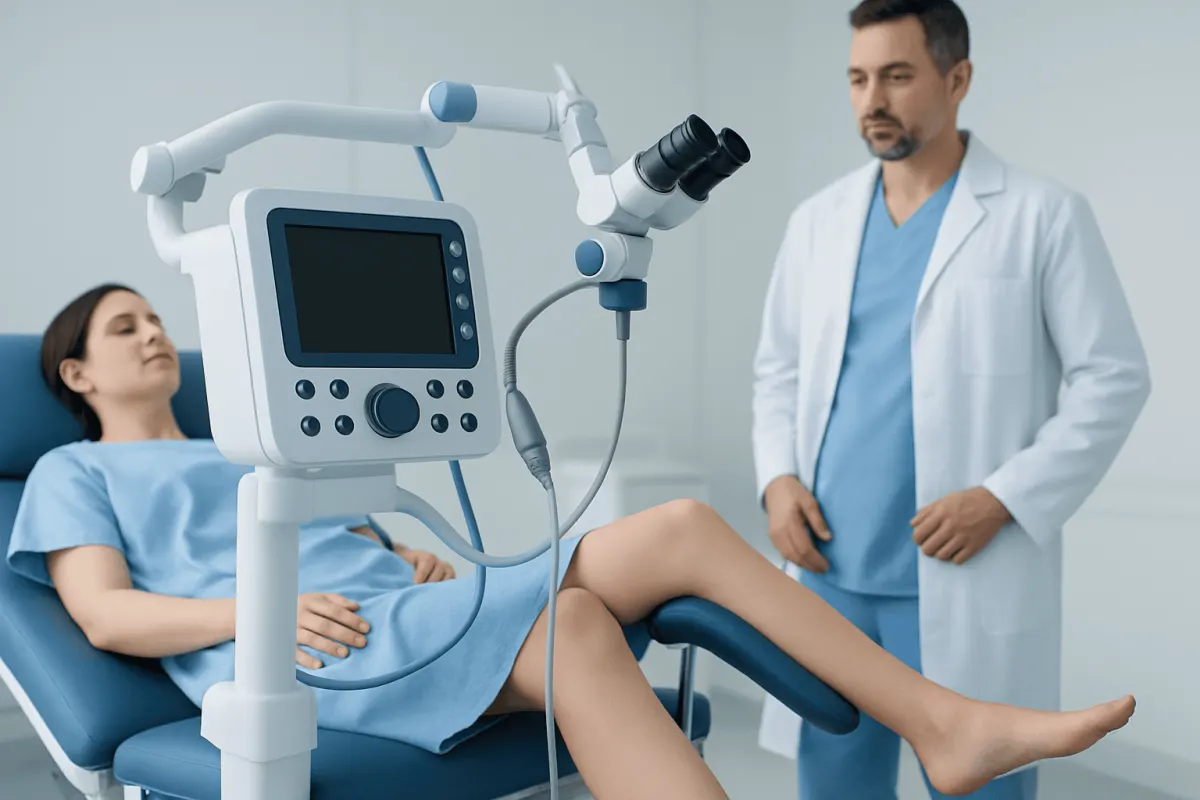
Vaginal rejuvenation surgery cost cannot be responsibly stated as one standard price because the term covers several different procedures and each care plan is individual. The total estimate may include the surgeon’s expertise, anaesthesia, hospital or surgical facility, pre-operative assessments, medications, garments and follow-up appointments.
Overview: what does vaginal rejuvenation surgery cost include?
Vaginal rejuvenation surgery cost varies because there is no single procedure called “vaginal rejuvenation.” Depending on a person’s goals and examination findings, surgery may involve vaginal tightening (vaginoplasty), repair of the area between the vagina and anus (perineoplasty), reshaping of the labia (labiaplasty), or a combination of these procedures. A safe estimate should be personalised after consultation rather than based on an advertised package price.
Patients should ask whether the estimate includes the surgeon’s fee, anaesthesia, operating room or hospital charges, laboratory tests, prescribed medicines, pathology when applicable, compression garments, overnight observation and follow-up visits. Travel, accommodation, additional treatment for unexpected complications and time away from work may also affect overall financial planning.
These procedures are often elective and may not be covered by health insurance. However, reconstructive surgery after childbirth injury, trauma, congenital differences or medically documented symptoms may be assessed differently by an insurer or national health system. Patients should confirm coverage and pre-authorisation requirements directly with their provider before arranging treatment.
How the procedure works and who may be a candidate
Vaginoplasty generally removes selected areas of excess vaginal lining and brings separated or stretched supportive tissues closer together with sutures. The aim is to restore support or reduce a feeling of looseness in carefully selected patients. Perineoplasty focuses on the perineum, which may be stretched or scarred following childbirth or injury. These operations should be planned around symptoms, anatomy and personal goals—not pressure to meet an unrealistic standard of appearance or sexual function.
Labiaplasty reshapes the labia minora, and sometimes the labia majora, when their size, asymmetry or irritation causes physical discomfort or distress. It may be considered for rubbing during exercise, recurrent irritation, difficulty with clothing, or persistent discomfort. It is a separate procedure from vaginal tightening, although both may be performed during one operation when clinically appropriate. Patients can learn more about labiaplasty during a specialist consultation.
Suitable candidates are generally adults in good overall health who understand the possible benefits, limitations and recovery needs. A clinician may ask about pregnancies and births, pelvic-floor symptoms, medical conditions, medications, smoking or nicotine use, prior surgeries and future pregnancy plans. If symptoms are mainly related to pelvic-floor weakness, urinary leakage, infection, painful intercourse or vaginal dryness, non-surgical evaluation and treatment may be more appropriate first.
- Reasons to postpone surgery may include pregnancy, untreated infection, uncontrolled chronic illness or inability to avoid nicotine as advised.
- Future vaginal childbirth can stretch repaired tissues again, so some people choose to wait until childbearing is complete.
- Emotional wellbeing and freely made, personal consent are important parts of elective intimate surgery decisions.
What happens before, during and after surgery

Before surgery, the clinician takes a medical history and performs a sensitive, confidential examination. They should discuss the area to be treated, surgical technique, anaesthesia options, expected scarring, likely recovery and alternatives. Pre-operative testing may be advised based on age, health history and the planned anaesthetic. Clear discussion at this stage is also essential for an accurate vaginal rejuvenation surgery cost estimate.
On the day of surgery, the patient receives local anaesthesia with sedation, regional anaesthesia or general anaesthesia depending on the procedure and care plan. The surgeon marks the planned tissue changes, performs the repair or reshaping, controls bleeding and uses absorbable sutures in many cases. Some procedures can be completed as day surgery, while more extensive repair or individual medical needs may require observation.
After surgery, mild to moderate swelling, bruising, tenderness and spotting can occur. The care team provides individual instructions on washing, pain relief, clothing, bowel care and activity. Follow-up visits allow the clinician to check healing and address questions. Patients should use only the medicines, topical products and wound-care methods recommended by their own surgical team.
Recovery timeline, expected benefits and limitations
Recovery varies with the extent of surgery, healing response and whether procedures are combined. In the first days, rest and careful hygiene are important. Swelling and discomfort typically improve gradually over the following weeks, though tissues may take longer to settle fully. Many patients can return to desk-based work sooner than strenuous employment, but the treating surgeon should set the individual timeline.
Heavy lifting, vigorous exercise, cycling and activities that create pressure or friction in the area are usually restricted for a period of time. Vaginal intercourse, tampon use and other vaginal insertion are commonly delayed until healing has been confirmed at follow-up. Resuming activity too early can increase discomfort, disrupt sutures or affect the result.
Possible benefits depend on the procedure. Vaginoplasty or perineoplasty may improve selected feelings of vaginal laxity, perineal support or symptoms associated with a healed childbirth-related change. Labiaplasty may reduce friction or discomfort caused by prominent labial tissue. Surgery cannot guarantee a particular sexual sensation, relationship outcome, body image change or cure for pelvic-floor disorders.
Pelvic-floor physiotherapy, lubricants or moisturisers for dryness, treatment of infection or skin conditions, and counselling for sexual concerns may be helpful alternatives or additions. A clinician can explain whether vaginoplasty is likely to address the person’s specific concern, or whether a non-surgical approach is safer and more suitable.
How long does virgin tightening surgery last?
“Virgin tightening surgery” is not a standard medical term and may be used to describe different procedures, including hymen repair or vaginal/perineal tightening. How long a result lasts therefore depends on exactly what was performed, the quality of tissue healing, hormonal changes, ageing, weight changes, pelvic-floor health and future vaginal childbirth. A surgeon should clearly name the proposed procedure and explain what outcome it can realistically provide.
Hymenoplasty, sometimes called hymen repair, is different from vaginoplasty and does not determine whether a person is or is not a virgin. Virginity is a personal, social and cultural concept, not a diagnosis that can be established by a genital examination. No surgical procedure should be presented as proof of sexual history.
If an operation repairs vaginal or perineal tissues, the repair can remain stable for many people, but it is not immune to future stretching or tissue changes. The procedure does not replace pelvic-floor rehabilitation when muscle weakness is contributing to symptoms. Patients should seek care from a qualified specialist who can discuss privacy, consent, cultural concerns and safety without judgement.
Will a labiaplasty make me tighter?
No. Labiaplasty alters the external labia and does not usually narrow or tighten the vaginal canal. It may reduce physical discomfort from rubbing, pulling or irritation, and some people feel more comfortable in clothing, exercise or intimate situations after healing. However, it is not a treatment for vaginal laxity or pelvic-floor weakness.
Feeling “tightness” can have several causes, including vaginal dryness, involuntary pelvic-floor muscle tension, scar tissue, pain conditions, anxiety, infection, hormonal changes or normal anatomical variation. In some cases, excessive tightness or pain during penetration needs medical assessment rather than surgery. A pelvic examination and discussion of symptoms can help identify the most appropriate treatment.
Patients considering labiaplasty should ask what tissues will be changed, where scars may form, how sensation is protected and what result is realistic. A responsible consultation also includes discussion of non-surgical comfort measures and the possibility that surgery may not change sexual sensation.
Risks, safety and when to seek medical care
All surgery carries risk. Possible complications after vaginal or labial procedures include bleeding, infection, wound separation, delayed healing, visible or uncomfortable scarring, altered sensation, persistent pain, asymmetry, dissatisfaction with appearance, painful intercourse and the need for revision surgery. Anaesthesia also has its own risks. Choosing an appropriately trained surgeon and following aftercare instructions can help reduce, but cannot eliminate, these risks.
Patients should contact their surgical team promptly for increasing pain, worsening redness or swelling, fever, foul-smelling discharge, heavy bleeding, difficulty passing urine, an opening of the wound or concerns about healing. Emergency care is appropriate for severe bleeding, chest pain, shortness of breath, fainting or other severe symptoms. Early assessment is usually the safest response to a post-operative concern.
Before deciding, patients may wish to obtain a second opinion and request a written plan covering the procedure, alternatives, recovery restrictions, anticipated follow-up and all expected charges. Acıbadem Health Point’s multidisciplinary specialists and JCI-accredited hospitals diagnose and treat intimate health concerns for Myomectomy Recovery for International Patients: The Usual Travel Timeline" class="ahp-ilk">international patients, with care plans based on individual clinical assessment.
Frequently asked questions
01Why does vaginal rejuvenation surgery cost vary so much?
The term can refer to different operations, from labiaplasty to vaginoplasty or perineoplasty, and procedures may be combined. Cost also depends on the surgeon, anaesthesia, surgical setting, required tests, complexity of care and what follow-up is included. A written, itemised estimate after examination is more useful than a general advertised figure.
02Is vaginal rejuvenation surgery covered by insurance?
Many procedures are considered elective and may not be covered. Coverage can differ when surgery is reconstructive or addresses a documented medical condition, injury or functional symptom. Patients should ask their insurer or health system about eligibility, exclusions and pre-authorisation before treatment.
03How long does recovery take after vaginoplasty or labiaplasty?
Early swelling and soreness usually improve over the first weeks, but complete tissue healing takes longer and differs between individuals. Work, exercise and sexual activity restrictions depend on the procedure and the surgeon’s assessment at follow-up. Patients should not resume vaginal intercourse or insert anything vaginally until their surgeon confirms it is safe.
04Can vaginal tightening surgery improve urinary leakage?
Not necessarily. Urinary leakage has several causes, including stress incontinence, overactive bladder and pelvic-floor dysfunction, which require proper evaluation. Pelvic-floor physiotherapy, lifestyle measures, medicines or specific incontinence treatments may be more appropriate than cosmetic vaginal surgery.
05Does labiaplasty affect sexual sensation?
The goal is to preserve normal sensation, but any surgery in a sensitive area can lead to temporary or, less commonly, lasting changes in sensation. Other possible concerns include pain, scarring and discomfort with intercourse. A qualified surgeon should explain the technique, risks and expected healing in detail.
06Should someone wait until after pregnancy to have vaginal rejuvenation surgery?
Future vaginal pregnancy and delivery can stretch vaginal or perineal tissues and may change the surgical result. For this reason, some people choose to delay procedures until they do not plan further pregnancies. The decision should be individual and discussed with a gynaecologist or surgeon.
This article is for general information only and is not a substitute for professional medical advice. Please consult a qualified doctor about your individual situation.
Explore treatments in Turkey — costs, top hospitals & a free quote
JCI-accredited · board-certified surgeons · reply within 24h
Add us as a Preferred Source to see more of our trusted health content across Google Search, AI Overviews and Discover.