Vaginal Itching: Causes, Symptoms and Treatment

Key Takeaways
- Vaginal itching is a symptom, not a diagnosis, and it can come from several different causes.
- Yeast infections, bacterial vaginosis, skin irritation, allergies, and some sexually transmitted infections may all cause itching.
- A careful history, pelvic examination, and sometimes lab tests help identify the cause.
- Gentle hygiene, avoiding irritants, and wearing breathable underwear may reduce discomfort.
- Persistent, severe, or recurrent itching should be assessed by a qualified doctor.
Vaginal itching is a common symptom with many possible causes, ranging from simple irritation to infections and skin conditions. Understanding the pattern of symptoms can help a doctor find the right treatment and bring relief safely.
Overview
Vaginal itching can be frustrating, distracting, and sometimes embarrassing, but it is also very common. The symptom may affect the vagina, the vulva, or both, and the reason behind it is not always an infection. In many cases, itching reflects inflammation, dryness, irritation from products, or changes in the natural balance of the vaginal environment.
Because the same symptom can point to different conditions, self-diagnosis is not always reliable. A person may assume it is a yeast infection when the real issue is bacterial vaginosis, contact dermatitis, a skin condition, or a sexually transmitted infection. For Myomectomy Recovery for International Patients: The Usual Travel Timeline" class="ahp-ilk">international patients planning care abroad, a clear diagnosis matters even more, since treatment is more effective when it matches the actual cause rather than the most familiar one.
Most causes are treatable, and many improve quickly once the trigger is identified. The key is to notice whether itching is accompanied by discharge, odor, burning, pain, sores, bleeding, or urinary symptoms, because those details guide the next step in care.
Symptoms
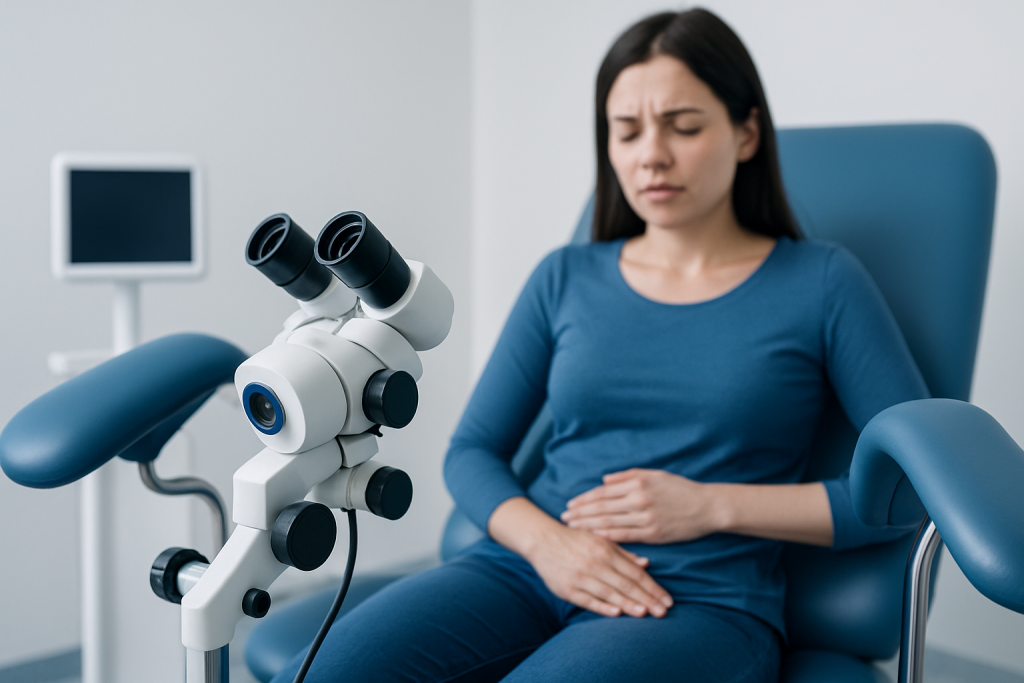
Itching may be mild and intermittent, or intense enough to interfere with sleep, exercise, and daily activities. Some people notice it mainly on the outside of the genital area, while others feel internal discomfort or a combination of both.
Itching may appear alone, but it often comes with other clues. These can include redness, swelling, irritation after sex, a change in discharge, a burning sensation when urinating, soreness, or a feeling of dryness. In some situations, scratching itself can worsen the skin and create a cycle of more irritation.
- Thick or unusual vaginal discharge
- Foul or fishy odor
- Burning with urination
- Pain during sex
- Small cuts, rash, or sores
- Pelvic discomfort or fever in more serious infections
The exact pattern helps a clinician narrow the possibilities. For example, itching with thick white discharge may suggest a yeast infection, while itching with a strong odor may point toward bacterial vaginosis. Skin-related causes often produce external redness or rash rather than internal discharge changes.
Causes & Risk Factors

There is no single cause of vaginal itching. One of the most common reasons is a yeast infection, which can develop when the normal balance of microorganisms changes. Bacterial vaginosis, another frequent condition, may also cause itching, especially when paired with discharge or odor.
Irritation is another major category. Soaps, scented washes, bubble baths, pads, wipes, lubricants, laundry detergents, and tight or non-breathable clothing can irritate sensitive skin. Hormonal changes, including those after childbirth, during breastfeeding, or after menopause, can also lead to dryness and itching.
Other possible causes include sexually transmitted infections such as trichomoniasis, chlamydia, or herpes; skin conditions such as eczema or lichen sclerosus; and less commonly, allergic reactions or foreign body irritation. Some risk factors can make symptoms more likely:
- Recent antibiotic use
- Diabetes or blood sugar imbalance
- Hormonal changes
- New sexual partners or unprotected sex
- Use of fragranced feminine products
- A history of recurrent vaginal infections
In travel-focused care, it is helpful for patients to bring a list of products used at home, current medications, and any previous test results. That information can make it easier for the doctor to distinguish between irritation, infection, and chronic skin conditions.
Diagnosis
Diagnosis usually begins with a conversation about the timing of the itching, possible triggers, sexual history if relevant, menstrual changes, and any associated symptoms. A doctor may also ask about hygiene products, recent medications, or new fabrics and detergents that could be irritating the area.
A pelvic examination often helps identify redness, discharge, swelling, sores, or skin changes. Depending on the findings, a clinician may collect a sample of vaginal discharge for microscopy, pH testing, culture, or testing for infections. If a skin disorder is suspected, the doctor may look carefully at the vulva and sometimes recommend further evaluation.
For patients traveling from another country, a structured appointment can be especially useful. Bringing records, photos of symptoms if they fluctuate, and details of past treatments can reduce delays and help the team choose the most appropriate testing. Accurate diagnosis is important because repeated treatment without confirmation can sometimes make irritation worse.
Treatment Options
Treatment depends entirely on the cause. Yeast infections are managed differently from bacterial vaginosis, allergic irritation, or an STI, so matching therapy to the diagnosis is the safest approach. When symptoms are caused by a product or clothing irritation, stopping the trigger may be enough to bring improvement.
If an infection is present, a doctor may recommend prescription or over-the-counter medicine depending on the condition. For some patients, treatment may also include measures to soothe inflammation and restore comfort, such as short-term use of barrier creams or guidance on genital skin care. Persistent dryness related to menopause or hormonal change may be treated with hormone-based or nonhormonal options selected by a clinician.
When symptoms come from a skin condition, treatment may involve topical medication and careful avoidance of irritants. In recurrent or unclear cases, doctors may revisit the diagnosis rather than simply repeating the same treatment. This is particularly important for international patients who may need a plan that continues safely after returning home, including clear instructions for follow-up testing if symptoms do not settle as expected.
Prevention & Self-care
Gentle routines often help reduce irritation and make recovery more comfortable. The goal is not to overclean, but to protect the skin and maintain the normal environment of the vulva and vagina. Many people feel better when they simplify their products and avoid anything strongly scented.
Practical steps may include wearing cotton underwear, changing out of wet clothing promptly, and choosing loose-fitting garments that allow airflow. Washing the external genital area with lukewarm water and a mild, unscented cleanser is usually sufficient, and douching is best avoided because it can disrupt the vaginal balance. If pads or liners seem to worsen symptoms, switching products may help.
- Avoid scented soaps, sprays, and wipes
- Do not douche
- Use breathable underwear and clothing
- Change out of swimsuits and sweaty clothes soon after use
- Use condoms and safer-sex practices when appropriate
- Manage blood sugar if diabetes is present
For people recovering while abroad or preparing to travel, keeping a short symptom diary can be helpful. Recording when itching starts, what makes it better or worse, and any new products used can support a follow-up visit and make remote communication with a doctor more productive.
When to See a Doctor
Medical evaluation is a good idea when itching lasts more than a few days, returns frequently, or does not improve after avoiding obvious irritants. A doctor should also assess the symptom if it is severe, affecting sleep, or associated with a new or unusual discharge.
Prompt care is important if there is pain, sores, fever, pelvic discomfort, bleeding, a strong odor, or burning urination. These features can suggest an infection that needs targeted treatment or a condition that should not be managed with home remedies alone.
It is also wise to seek care if symptoms occur during pregnancy, after a new sexual exposure, or if there is a history of recurrent infections. Acibadem Health Point’s multidisciplinary specialists and JCI-accredited hospitals can diagnose and treat vaginal itching for international patients in a coordinated setting when expert evaluation is needed.
References are listed separately in the JSON output. The article content is based on general medical guidance from authoritative health organizations and specialty sources.
Frequently asked questions
01Is vaginal itching always caused by an infection?
No. Infections are common causes, but irritation from soaps, pads, clothing, or allergies can also lead to itching. Hormonal changes and skin conditions may be involved as well.
02Can I treat vaginal itching at home?
Mild irritation may improve with gentle self-care, such as avoiding scented products and wearing breathable underwear. If symptoms are strong, persistent, or unusual, a doctor should identify the cause before treatment is started.
03Why does itching sometimes come with discharge?
Discharge can change when the vaginal balance is disrupted by yeast, bacterial vaginosis, or some STIs. The color, texture, and odor of the discharge help guide the diagnosis.
04Should douching help cleanse the area?
No. Douching can disturb the normal vaginal environment and may make symptoms worse. Washing the external area gently with water and an unscented cleanser is usually enough.
05When is vaginal itching urgent?
Urgent evaluation is sensible if itching is paired with fever, pelvic pain, sores, bleeding, or severe swelling. These symptoms may indicate an infection or another condition that needs prompt assessment.
06Can menopause cause vaginal itching?
Yes. Lower estrogen levels can lead to dryness and more fragile tissue, which may feel itchy or irritated. A clinician can suggest appropriate options based on the person’s overall health and symptoms.
This article is for general information only and is not a substitute for professional medical advice. Please consult a qualified doctor about your individual situation.
Explore treatments in Turkey — costs, top hospitals & a free quote
JCI-accredited · board-certified surgeons · reply within 24h
Add us as a Preferred Source to see more of our trusted health content across Google Search, AI Overviews and Discover.