UV Radiation Explained: Types, Effects, and the UV Index
You can’t see it, you can’t feel it landing on your skin, and yet by evening your shoulders are pink. That’s ultraviolet radiation: an invisible form of energy produced mainly by the sun, as well as some artificial sources.
It isn’t all bad news. UV supports vitamin D production and is used in medical phototherapy in controlled settings. But unprotected exposure can injure your skin and eyes and increase your long-term risk of skin cancer.
Overview: What UV Radiation Means
Ultraviolet radiation is a type of electromagnetic energy with wavelengths shorter than visible light. You can’t see these rays, but your skin and eyes absorb them. The sun is the largest natural source. Welding equipment, tanning devices, germicidal lamps and certain medical treatments also produce UV radiation.
Ultraviolet radiation is commonly grouped into UVA, UVB and UVC. UVA has a longer wavelength and penetrates more deeply into the skin. UVB affects the more superficial layers and is strongly associated with sunburn. UVC has the shortest wavelength and is highly energetic, but nearly all sunlight UVC is filtered by Earth’s atmosphere.
You often don’t notice exposure while it’s happening. Tanning, redness, dryness or eye irritation may show up later, and repeated exposure gradually builds DNA changes, uneven pigmentation, premature skin aging and, in some cases, skin cancer. So think about UV every day, not just on holiday or when it’s very hot.
What Does UV Radiation Do to Your Body?
UV radiation affects the skin by interacting with cells, pigments and DNA. In small amounts, UVB exposure helps the body make vitamin D. However, vitamin D needs can usually be addressed safely through ordinary daily life, diet and supplements when advised by a clinician; intentional tanning or burning is not a safe way to obtain it.
UVA reaches deeper into the skin and contributes to oxidative stress, which can break down collagen and elastin over time. This may lead to wrinkles, reduced skin firmness and dark spots. UVB is more likely to cause a visible sunburn because it triggers inflammation in the outer skin layers, although UVA also contributes to burns and cancer risk.
The eyes can also be affected. Intense or cumulative UV exposure may raise the risk of conditions involving the eye surface and lens, including cataracts. UV radiation can additionally suppress some local immune responses in the skin. None of this means every minute in the sun causes disease. It does explain why we keep asking you to protect yourself consistently.
How UV Radiation Works and How It Is Measured
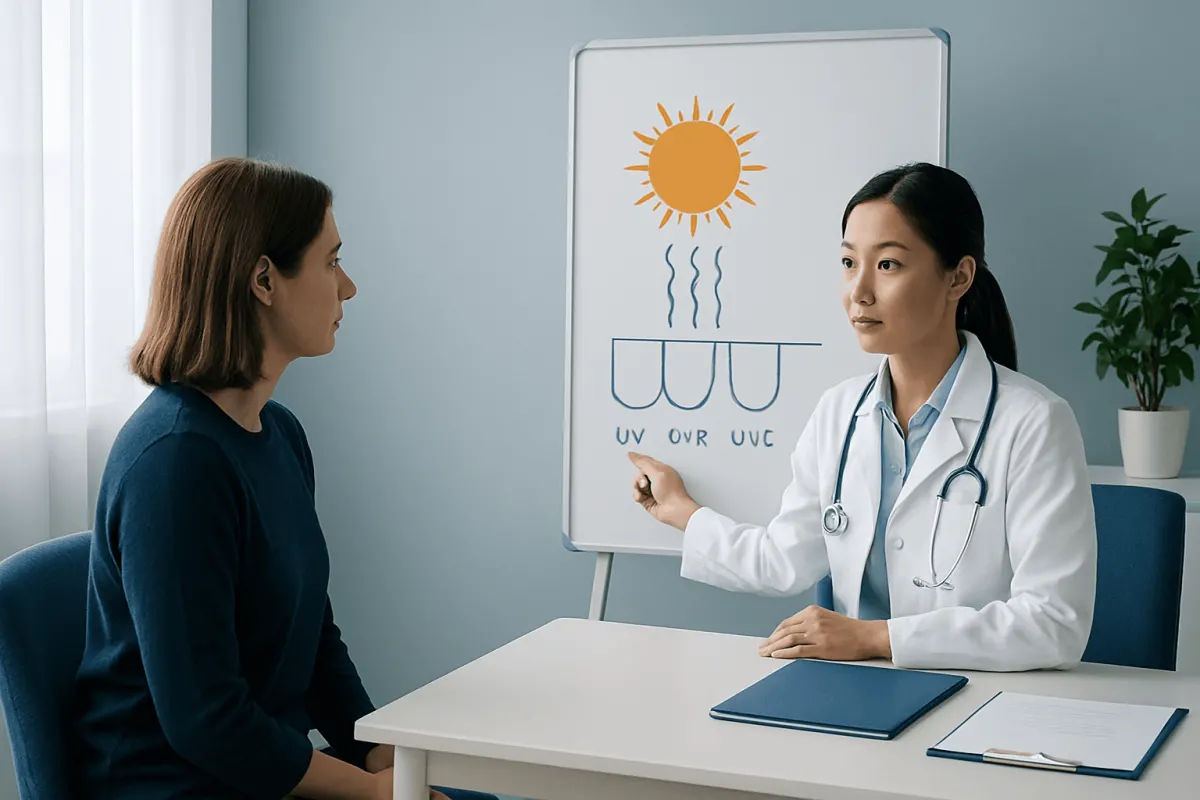
To understand UV radiation how it works, it helps to think of UV as energy delivered in different wavelengths. When this energy is absorbed by skin cells, it can produce chemical reactions. Melanin, the pigment that gives skin its color, provides some natural protection by absorbing part of this energy. A tan, however, is a sign that the skin has responded to injury and does not provide reliable protection against further damage.
UV radiation measurements may be expressed as irradiance, which describes the amount of UV power reaching an area, or as UV dose, which reflects exposure over time. For everyday decisions, the UV Index is the most practical reading. It estimates the risk of harm from outdoor solar UV and is commonly reported in weather forecasts. A higher UV Index calls for more complete sun protection and shorter periods of unprotected exposure.
When you read the UV Index, keep your own situation and surroundings in mind too. UV can be stronger near midday, at higher altitudes and closer to the equator. Water, sand, snow and concrete can reflect UV onto the skin and eyes. Clouds can reduce but do not eliminate exposure, so protection may still be needed on overcast days.
Can an UV Light Give You Sunburn?
Yes. An UV light can give a person a burn if it emits sufficient UVB or, in some situations, UVA and exposure is long or intense enough. Sunburn is an inflammatory skin injury that may cause redness, pain, warmth, swelling and later peeling. The risk depends on the device, wavelength, distance from the source, exposure duration and the person’s natural skin tone and sensitivity.
Some artificial UV sources deserve particular caution. Tanning beds and sun lamps can deliver substantial UVA and UVB exposure and are not considered safe alternatives to sunlight. Welding arcs and damaged or incorrectly used germicidal lamps can also cause injury to skin and eyes. UVC devices designed for disinfection should never be used on people unless they are specifically designed, regulated and supervised for that purpose.
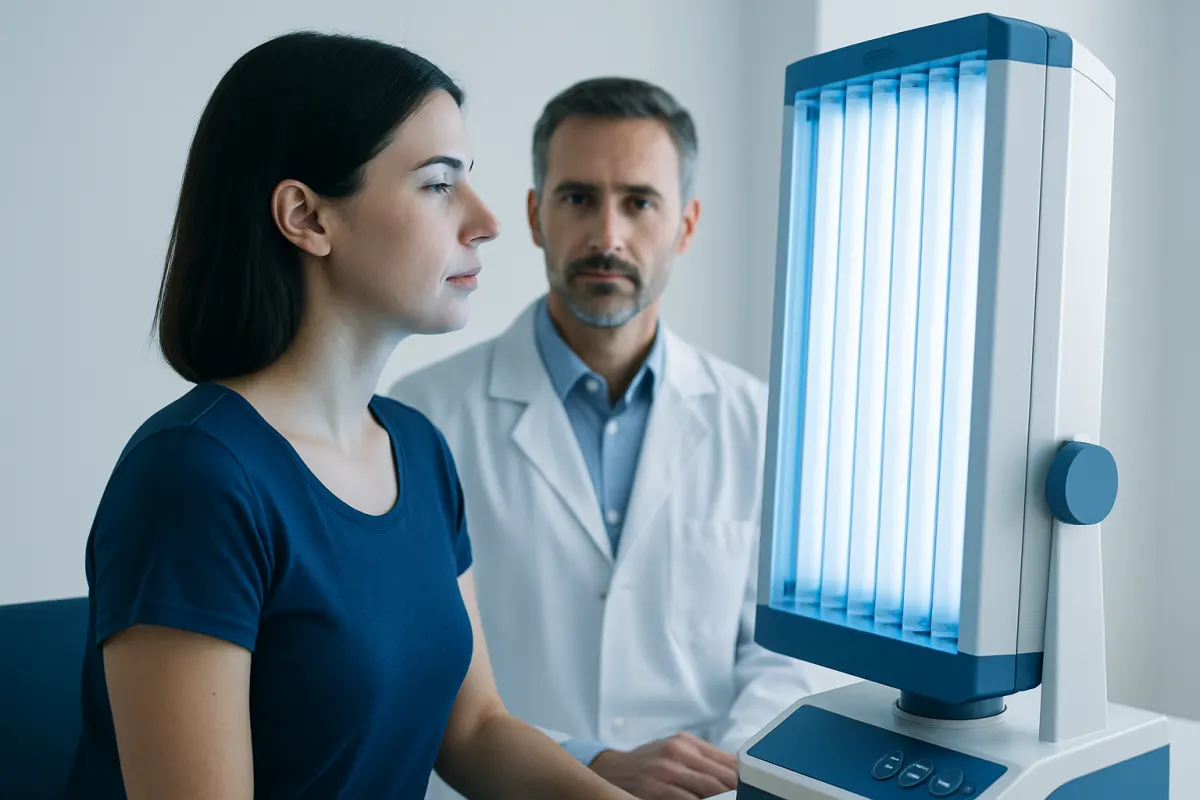
Medical phototherapy is different from recreational or accidental UV exposure. Dermatology teams may use carefully selected wavelengths for conditions such as psoriasis, eczema or vitiligo, with treatment plans based on skin type, diagnosis and response. Protective eyewear, controlled dosing and monitoring are essential parts of this process.
How Long Do UV Rays Take to Damage Skin?
UV rays can begin causing cellular changes very quickly, even before a person notices any visible effect. The timing of redness or sunburn varies widely: it may appear within several hours and often becomes more noticeable over the following day. Fairer skin, a high UV Index, reflective surroundings, certain medicines and longer exposure can all shorten the time needed to burn.
There is no single safe number of minutes for unprotected exposure because conditions change from day to day and people differ in skin sensitivity. A person can receive meaningful UV exposure during routine activities such as driving, walking, exercising outdoors or sitting near a window, particularly from UVA. Window glass blocks much of UVB but may allow some UVA through.
Long-term damage is cumulative. Repeated sunburns and frequent unprotected exposure can add to lifetime DNA injury, pigment changes and photoaging. Preventive measures should begin before skin becomes pink, painful or noticeably darker rather than waiting for a visible warning sign.
Which UV Is Most Harmful?
There’s no one simple answer. It depends on the wavelength, the intensity and the source. UVC is the most energetic type of ultraviolet radiation and can severely injure tissue, but natural UVC from the sun is almost completely absorbed by the ozone layer before reaching the ground. Artificial UVC can be dangerous to the eyes and skin if safety procedures are not followed.
For ordinary outdoor exposure, UVB is the leading cause of sunburn and directly damages cellular DNA. UVA penetrates more deeply, plays an important role in skin aging and also contributes to DNA damage and skin cancer. Both UVA and UVB are harmful in excess, so a sunscreen labelled broad-spectrum is designed to protect against both types.
People with a personal or family history of skin cancer, many moles, very fair skin, immune suppression, photosensitive disorders or medicines that increase sun sensitivity may need more individualized advice. A dermatologist can help assess personal risk and recommend an appropriate prevention plan.
Protection, Benefits and Safe Medical Use
The main benefit of reducing unnecessary UV exposure is lowering the chance of sunburn, premature skin changes and UV-related eye disease while reducing a known risk factor for skin cancer. Effective protection combines several approaches rather than relying on sunscreen alone. Seek shade when possible, especially when the UV Index is high; wear tightly woven clothing, a wide-brimmed hat and UV-blocking sunglasses; and use broad-spectrum, water-resistant sunscreen on uncovered skin.
Sunscreen should be applied generously before outdoor activity and reapplied according to the product instructions, particularly after swimming, sweating or towel drying. It should not be used to extend deliberate time in intense sun. Babies and young children need age-appropriate sun protection, and caregivers should ask a pediatric clinician for guidance about sunscreen use in infants.
Controlled UV treatment can be the right choice for certain skin conditions when it is prescribed and monitored. It is not the same thing as tanning. At Acıbadem Health Point, our multidisciplinary specialists and JCI-accredited hospitals can assess your skin concerns and coordinate dermatologic care for international patients.
When to Seek Medical Care
Medical assessment is recommended for a severe sunburn, blistering over a large area, intense pain, fever, dizziness, confusion, dehydration, signs of infection or eye pain after UV exposure. Urgent care is particularly important if an infant or young child has a significant sunburn, or if symptoms follow exposure to a welding arc, germicidal device or other industrial source.
A dermatologist should evaluate any new or changing mole, sore that does not heal, persistent scaly patch, spot that repeatedly bleeds, or dark lesion with changing size, shape or color. Early review is also sensible for people who have had frequent sunburns, use tanning devices or take medication that may increase light sensitivity.
For mild sunburn, gentle cooling measures, hydration and avoiding further sun exposure may help comfort. A clinician or pharmacist can advise on suitable symptom relief based on age, health conditions and regular medicines. Blisters should not be intentionally broken, and any worsening symptoms should be reviewed promptly.
Frequently asked questions
01What does UV radiation mean?
UV radiation means ultraviolet radiation, invisible energy emitted primarily by the sun. It is also produced by some artificial sources, including tanning equipment, welding arcs and specialized medical devices. UVA, UVB and UVC have different wavelengths and health effects.
02Is a tan a sign that skin is protected?
No. A tan is the skin’s response to UV injury and indicates that pigment-producing cells have been stimulated. It provides only limited protection and does not prevent additional DNA damage, skin aging or skin cancer.
03Can UV radiation cause skin cancer?
Yes. Excess exposure to UVA and UVB is a recognized cause of skin cancer because it can damage DNA in skin cells. Risk rises with cumulative exposure and with episodes of sunburn, but protective habits can reduce preventable exposure.
04Can you get UV damage on a cloudy day?
Yes. Clouds may lower UV intensity, but a substantial amount can still reach the skin and eyes. Checking the UV Index and using protection outdoors remains useful even when the weather is cool or overcast.
05Do windows block UV radiation?
Most ordinary window glass blocks much of UVB, the type most associated with sunburn. However, some UVA can pass through glass, especially through side windows in vehicles, so prolonged exposure near windows may still contribute to cumulative skin damage.
06Are UV lamps for disinfection safe around people?
Many germicidal UV lamps, especially UVC devices, can damage the skin and eyes if people are directly exposed. They should only be used according to manufacturer instructions and established safety protocols. A person should not use a disinfection lamp on their body or face unless a qualified professional specifically directs it.
This article is for general information only and is not a substitute for professional medical advice. Please consult a qualified doctor about your individual situation.
Joint and spine care in Turkey — expert assessment & treatment
JCI-accredited · board-certified surgeons · reply within 24h
Add us as a Preferred Source to see more of our trusted health content across Google Search, AI Overviews and Discover.