UTI in Men: Symptoms, Testing and Treatment
A UTI in men is an infection affecting the urinary system, most often the bladder or urethra, and it usually requires medical assessment and prescription treatment. Most men improve with the right antibiotic, but testing is important because urinary symptoms can also be linked to prostate conditions, stones, or urinary blockage.
UTI in Men: What to Expect
A urinary tract infection (UTI) in men occurs when bacteria enter and multiply in part of the urinary tract. The infection may involve the urethra, bladder, prostate, ureters, or kidneys. In many cases, treatment involves a urine test followed by antibiotics chosen for the likely or confirmed bacteria.
Recovery commonly starts with relief of burning, urgency, or frequency within a few days after effective treatment begins. However, men should not assume urinary symptoms are a simple bladder infection. Because UTIs are less common in men, clinicians often look for contributing factors such as prostate enlargement, incomplete bladder emptying, urinary stones, catheter use, or an infection involving the prostate.
The result is usually good when infection is diagnosed and treated promptly. Follow-up may be advised when symptoms persist, infections return, testing shows an unusual organism, or there are signs that the kidneys or prostate may be involved.
Symptoms and How They May Feel
Symptoms of a lower UTI, often affecting the bladder or urethra, can vary from mild irritation to significant discomfort. Some men notice symptoms suddenly, while others develop them gradually over a day or two.
- Burning, stinging, or pain while passing urine
- A frequent or urgent need to urinate, sometimes with only small amounts of urine passed
- Cloudy, strong-smelling, or bloody urine
- Pressure or pain in the lower abdomen, pelvis, or lower back
- Discomfort at the tip of the penis or urethral discharge in some cases
When infection affects the prostate, symptoms may include pain between the scrotum and anus, pelvic pain, painful ejaculation, weak urine flow, or difficulty starting urination. Kidney infection can cause fever, chills, nausea, vomiting, and pain in the side or back below the ribs. These symptoms need prompt medical assessment.
Not every urinary symptom is caused by a UTI. Sexually transmitted infections, prostate inflammation, kidney stones, overactive bladder, and some medications can produce similar symptoms. Testing helps distinguish between these possibilities.
Why UTIs Occur in Men
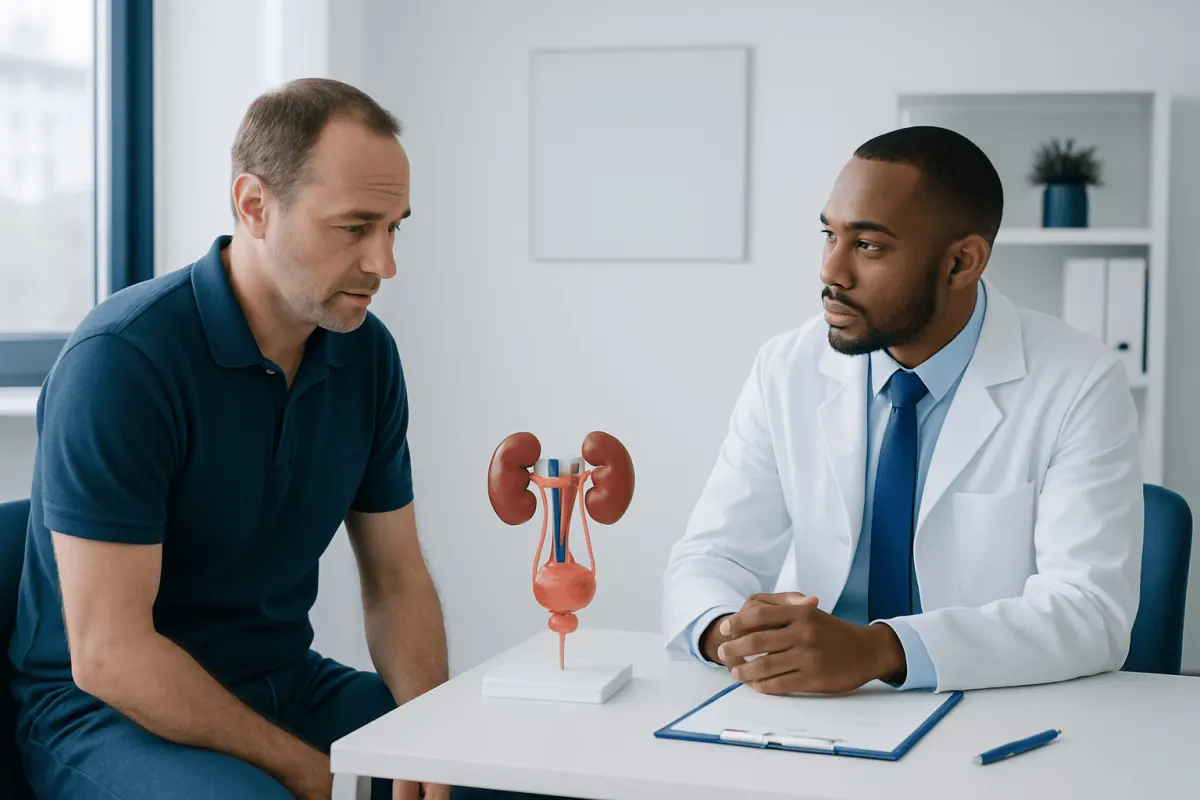
Most UTIs begin when bacteria from the bowel, commonly Escherichia coli (E. coli), reach the urethra and travel upward. The body usually clears bacteria before an infection develops, but several factors can make this less likely.
Older age and an enlarged prostate are important contributors because they can prevent the bladder from emptying fully. Urine left in the bladder can allow bacteria to multiply. Conditions that affect bladder nerves, including diabetes or neurological disorders, may also contribute to incomplete emptying.
Other risk factors include urinary catheters or recent urinary procedures, kidney or bladder stones, narrowing of the urethra, reduced immune function, dehydration, and a previous UTI. Sexual activity can sometimes introduce bacteria into the urethra. New urethral symptoms after sexual contact should also prompt consideration of sexually transmitted infections, which require different testing and treatment.
Repeated infections may indicate an underlying urinary tract issue. A clinician may consider conditions such as kidney stones or prostate enlargement when infections recur or do not respond as expected.
Diagnosis: Tests, Examination and Further Assessment
Diagnosis usually begins with a discussion of symptoms, medical history, medications, recent procedures, and sexual history when relevant. The clinician may ask about prior UTIs, urinary flow changes, fever, back pain, and conditions such as diabetes or prostate disease.
A urine sample is commonly checked with urinalysis for white blood cells, blood, nitrites, and other signs of infection. A urine culture can identify the bacteria and show which antibiotics are likely to work. Culture testing is particularly useful for men, recurrent infections, severe symptoms, recent antibiotic use, or symptoms that do not improve.
A physical examination may include checking the abdomen, back, and external genital area. When prostate involvement is suspected, a clinician may perform a gentle rectal examination. Blood tests may be needed if there is fever, suspected kidney infection, or concern about a more widespread infection.
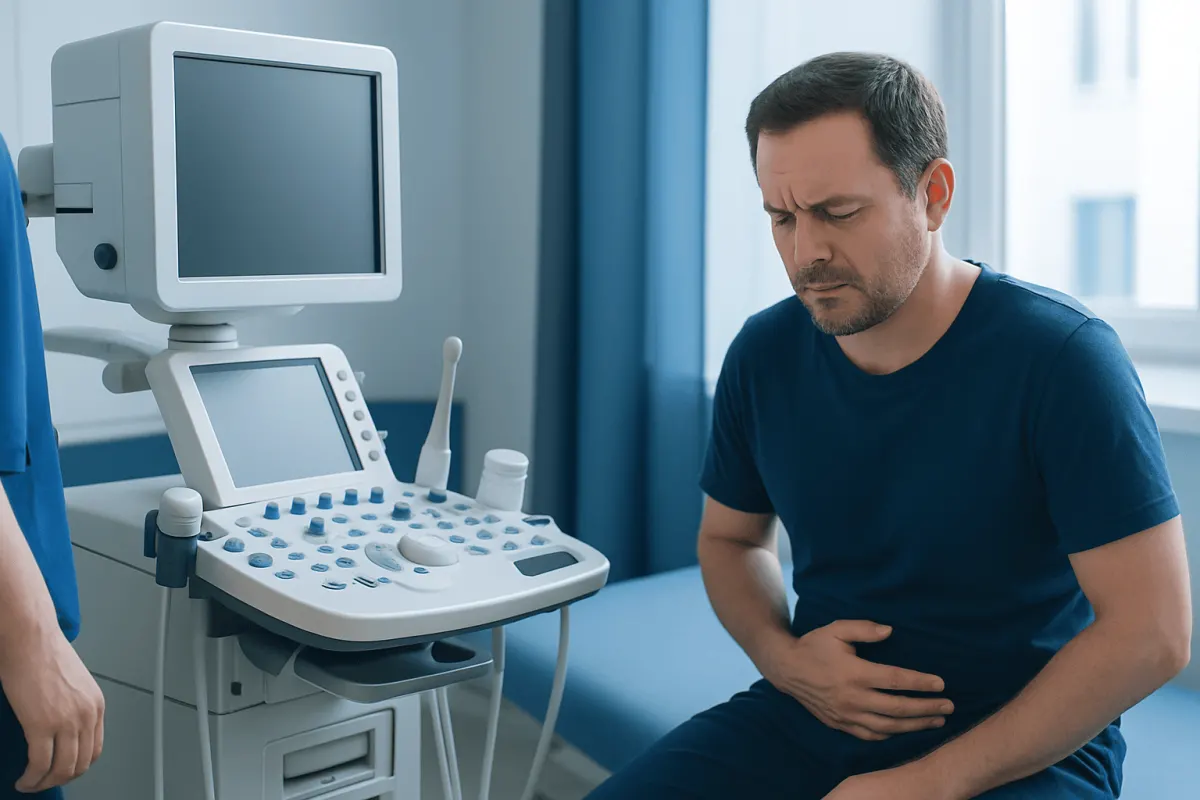
Imaging is not necessary for every first uncomplicated episode, but ultrasound, CT, or other investigations may be considered for recurrent infections, obstruction, stones, blood in the urine, poor response to treatment, or suspected kidney involvement. Urology referral may be appropriate in these situations.
Treatment Procedure and What It Involves
Antibiotics are the main treatment for a confirmed or strongly suspected bacterial UTI in men. The choice and duration depend on symptoms, urine culture results, kidney function, medication allergies, local resistance patterns, and whether the infection may involve the prostate or kidneys. A clinician may start treatment before culture results return, then adjust it if needed.
It is important to take the medicine exactly as prescribed and to complete the course unless the prescribing clinician advises otherwise. Stopping early can leave bacteria behind and may increase the chance of infection returning. Antibiotics can occasionally cause side effects such as nausea, diarrhea, rash, or yeast infection; severe diarrhea, swelling, breathing difficulty, or widespread rash needs urgent medical attention.
Comfort measures may include drinking enough fluid to avoid dehydration, resting, and using an appropriate over-the-counter pain reliever if it is safe for the individual. A clinician or pharmacist can advise on pain relief, especially for people with kidney disease, ulcers, blood-thinning medication, or other health conditions.
If urinary retention is present, the bladder may need to be drained with a catheter in a medical setting. Stones, strictures, or significant prostate obstruction may need separate treatment. Some patients may require specialist evaluation for urological assessment and treatment when a structural cause is suspected.
Recovery, Results and Follow-Up
Many men begin to feel better within 48 to 72 hours of starting an effective antibiotic, although complete recovery can take longer. Symptoms linked to prostate infection may improve more gradually and may require a longer treatment plan. Feeling better does not always mean the infection has fully cleared, so the prescribed treatment should still be completed.
If symptoms do not improve after a few days, worsen at any point, or return soon after treatment, the clinician should be contacted. A repeat urine culture or additional tests may be needed to check for resistant bacteria, an incorrect diagnosis, prostate involvement, a stone, or incomplete bladder emptying.
For recurrent UTIs, follow-up focuses on identifying and addressing the underlying cause rather than repeatedly treating symptoms alone. This may include measuring how much urine remains in the bladder after urination, reviewing medications, checking for stones, assessing prostate health, or considering imaging.
Acıbadem Health Point’s multidisciplinary specialists and JCI-accredited hospitals can assess and treat urinary infections and related urological conditions for international patients. Care plans should always be tailored by a qualified clinician to the individual’s symptoms, test results, and health history.
Prevention and Everyday Self-Care
Not all UTIs can be prevented, especially when an underlying urinary condition is present. However, practical habits may lower risk and support urinary health. Drinking fluids regularly, unless a clinician has advised fluid restriction, can help maintain regular urine flow.
Men may also benefit from not delaying urination for long periods and from aiming to empty the bladder fully. Good genital hygiene is sensible, but harsh soaps, antiseptics, or scented products around the genital area may cause irritation and are not needed to prevent infection.
After sexual activity, urinating and drinking water may help some people, although it does not guarantee prevention. Condoms can reduce the risk of sexually transmitted infections. Anyone with a new sexual partner, urethral discharge, sores, or persistent burning should seek testing rather than self-treating for a presumed UTI.
For men with known prostate enlargement, stones, catheter use, diabetes, or repeated urinary symptoms, managing the underlying condition can be an important part of prevention. A clinician can discuss whether further investigation or a personalized prevention plan is appropriate.
When to Seek Medical Care
Men with possible UTI symptoms should arrange medical assessment, particularly if this is the first episode, symptoms are recurrent, or there is a history of urinary tract problems. Prompt evaluation helps ensure the right diagnosis and treatment.
Urgent same-day care is needed for fever, shaking chills, pain in the side or back, vomiting, marked weakness, confusion, or symptoms that are rapidly worsening. These may indicate infection involving the kidneys or, less commonly, a serious systemic infection.
Emergency care is appropriate for inability to pass urine, severe lower abdominal pain with bladder fullness, fainting, confusion, or signs of a severe allergic reaction after medication. Men who are pregnant partners are not at direct risk from a UTI, but sexual partners may need assessment if a sexually transmitted infection is suspected.
Blood in the urine should always be discussed with a clinician, even if it occurs during a suspected infection. It may resolve after treatment, but persistent or recurrent blood in urine needs further assessment.
Frequently asked questions
01Can a man get a UTI?
Yes. Men can develop UTIs, although they occur less often than in women. Because they are less common, a clinician may look for contributing issues such as prostate enlargement, stones, catheter use, or incomplete bladder emptying.
02How long does a UTI in men last?
With an effective antibiotic, symptoms often begin improving within a few days. Full recovery depends on the location and severity of the infection, and prostate-related infections may take longer. The full prescribed course should be completed even when symptoms improve.
03Can a UTI in men go away without antibiotics?
Urinary symptoms in men should be assessed rather than managed by waiting alone. Bacterial UTIs commonly require prescription antibiotics, and untreated infection can spread or recur. Testing is also important because symptoms may have another cause.
04What is the difference between a UTI and prostatitis?
A UTI can affect different parts of the urinary system, including the bladder and urethra. Prostatitis is inflammation or infection of the prostate gland and may cause pelvic pain, urinary difficulty, fever, or pain with ejaculation. The two can overlap, but treatment duration and evaluation may differ.
05Are UTIs in men sexually transmitted?
Most UTIs are caused by bacteria that enter the urinary tract and are not classified as sexually transmitted infections. However, chlamydia, gonorrhea, and other sexually transmitted infections can cause burning during urination or urethral discharge. Testing may be recommended based on symptoms and sexual history.
06Why does a UTI keep coming back in men?
Recurrent infection can occur when bacteria are not fully cleared, when antibiotics are not effective against the specific organism, or when a urinary issue allows urine to remain in the bladder. Prostate enlargement, stones, catheters, diabetes, and urethral narrowing are possible contributors. Repeated UTIs should be evaluated by a clinician.
This article is for general information only and is not a substitute for professional medical advice. Please consult a qualified doctor about your individual situation.
Explore treatments in Turkey — costs, top hospitals & a free quote
JCI-accredited · board-certified surgeons · reply within 24h
Add us as a Preferred Source to see more of our trusted health content across Google Search, AI Overviews and Discover.