

Upper Thigh Pain: Causes, Relief and When to Worry
- 9 min read
- Published November 27, 2026
Key Takeaways
- Upper thigh pain often comes from muscle strain, tendon irritation, nerve compression, or pain referred from the hip or lower back.
- Pain with swelling, redness, warmth, numbness, weakness, fever, or trouble walking deserves medical evaluation.
- Most mild strains improve with rest, gentle movement, and short-term self-care, but persistent pain should not be ignored.
- A doctor may use an exam and imaging or other tests to find the source, especially if symptoms follow travel, injury, or sudden activity changes.
- Seek urgent care for sudden severe pain, leg swelling, chest symptoms, or a cold, pale leg.
Upper thigh pain is a symptom, not a diagnosis, and it can come from simple muscle overuse, nerve irritation, hip-related problems, or less common but urgent medical conditions. Understanding the location, timing, and associated symptoms helps a doctor identify the likely cause and guide safe treatment.
Overview
Upper thigh pain is a common complaint, but the source is not always in the thigh itself. The discomfort may start in a muscle, tendon, joint, nerve, or blood vessel, and it can also be felt there because of a problem in the hip or lower back.
For many people, the pain follows exercise, lifting, a long walk, or a small muscle strain and settles with time. In other cases, the pattern is more important than the intensity: pain that comes with swelling, numbness, weakness, fever, or trouble bearing weight should be assessed by a clinician.
From a travel or international-care perspective, upper thigh pain is one of those symptoms that can seem easy to dismiss until it interrupts walking, sleep, or a planned trip home. A careful history and physical examination often narrow the cause quickly, and that first step is especially valuable when someone is coordinating care away from their usual doctor.
Symptoms
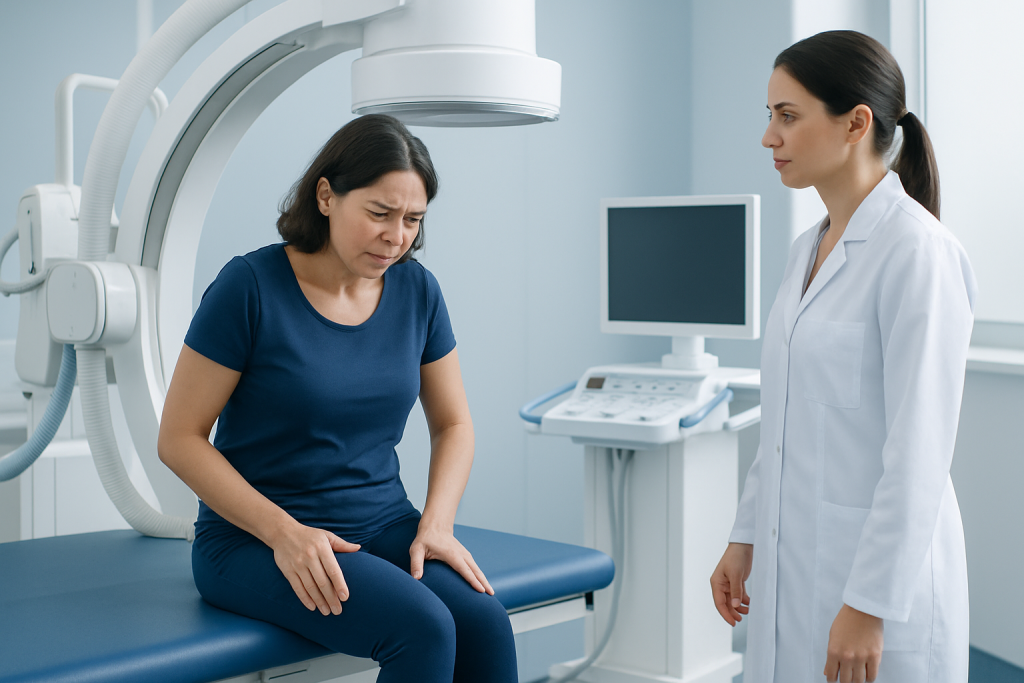
Upper thigh pain can feel sharp, aching, tight, burning, cramping, or deep and hard to localize. Some people notice it only during movement, while others feel it at rest or at night.
The exact location can offer clues. Pain in the front of the thigh may point toward quadriceps strain, hip flexor irritation, or referred pain from the hip; pain along the inner thigh may involve the adductors; pain on the outer thigh may reflect muscle tension, nerve irritation, or a hip-side problem; pain that shoots from the back or buttock into the thigh may suggest a nerve coming from the spine.
- Muscle-related pain: tender to touch, worse with use, sometimes after exercise or sudden twisting
- Nerve-related pain: burning, tingling, numbness, or pain that travels
- Joint-related pain: stiffness, clicking, groin discomfort, or pain with walking
- Vascular or inflammatory pain: swelling, warmth, redness, or pain not clearly linked to movement
Symptoms that appear after a long flight, a recent surgery, or a period of reduced mobility deserve special attention because they can sometimes signal a blood clot in the leg.
Causes & Risk Factors

One of the most frequent reasons for upper thigh pain is a muscle strain. This can happen when someone stretches beyond their usual range, increases activity too quickly, or makes a sudden movement during sport or daily life. Tendons around the hip and thigh can also become irritated from repetitive loading.
Hip conditions can be felt in the thigh even when the hip joint is the real source. Arthritis, labral problems, bursitis, and femoroacetabular impingement may all create pain that people describe as thigh pain, especially if it is accompanied by groin discomfort or stiffness when rising from a chair.
Nerve irritation is another important cause. A pinched nerve in the lower back, meralgia paresthetica, or other nerve compression can create burning, tingling, or numbness in a band across the thigh. Less commonly, circulation problems, infections, stress fractures, hernias, or blood clots may present with thigh pain and should be considered when the story does not fit a simple strain.
Risk factors include sudden increases in exercise, poor warm-up, tight muscles, obesity, pregnancy, prolonged sitting, recent trauma, repetitive work, a history of back or hip disease, and long periods of immobility during travel or recovery from illness.
Diagnosis
Diagnosis begins with the basics: where the pain is, when it started, what makes it better or worse, and whether there was an injury, workout change, recent travel, or surgery. A clinician will also ask about numbness, weakness, fever, swelling, skin changes, and whether the person can walk normally.
A physical examination may include checking the hip, spine, groin, and thigh muscles, as well as observing gait and range of motion. This helps separate a muscle problem from a joint, nerve, or circulation issue.
When the cause is not clear, the doctor may recommend imaging or other tests. X-rays can help look for bone or joint problems, while ultrasound or MRI may be used for soft tissues, hidden injuries, or suspected clotting in the leg. Blood tests are sometimes helpful if infection or inflammation is a concern.
For people seeking care from another country, it is useful to bring a brief symptom timeline, a list of medicines, and any prior imaging reports. Clear records can shorten the path to a diagnosis and reduce duplicated testing.
Treatment Options
Treatment depends on the cause, but many mild muscle strains improve with relative rest, gentle movement, and time. Short periods of reduced activity can help, yet complete inactivity is usually not the goal unless a clinician advises it.
Comfort measures may include ice or heat, over-the-counter pain relief when appropriate, supportive footwear, and avoiding the activity that triggered symptoms until pain settles. A physiotherapist may recommend stretching, strengthening, and movement retraining, especially if the pain comes back with exercise or posture-related strain.
If the cause is a hip disorder, nerve compression, or lower-back problem, treatment often focuses on the underlying condition rather than the thigh itself. That may involve physical therapy, anti-inflammatory treatment, targeted injections, or occasionally surgery, depending on the diagnosis and severity.
Blood clots, infections, fractures, and other urgent causes require prompt medical treatment rather than home care. Because the same symptom can come from very different conditions, treatment should follow a confirmed diagnosis instead of guessing.
Prevention & Self-care
Upper thigh pain is not always preventable, but a few habits can lower the chance of recurring symptoms. Gradual warm-ups, sensible increases in activity, and regular strengthening of the hips, core, and thighs help muscles tolerate daily load more easily.
People who sit for long periods may benefit from standing and stretching regularly, especially during flights or long workdays. Hydration, comfortable clothing, and frequent position changes can also reduce stiffness and cramping in some individuals.
Self-care is safest when the pain appears mild, clearly linked to a minor strain, and not accompanied by red-flag symptoms. A simple rule is to watch whether the pain is improving over several days; if it is not, or if it repeatedly returns, a medical review is worthwhile.
- Warm up before exercise and cool down afterward
- Increase walking, running, or training intensity in small steps
- Use good posture when sitting and lifting
- Take movement breaks during long journeys
- Pay attention to one-sided swelling or numbness, which should not be self-treated
When to See a Doctor
Medical assessment is recommended when upper thigh pain lasts more than a short period, keeps returning, or limits daily activity. It is especially important if the pain follows an injury, comes with back pain and numbness, or prevents normal walking.
Urgent care is appropriate if the thigh is swollen, red, warm, or unusually tender, if there is sudden severe pain, if the foot becomes cold or pale, or if chest pain or shortness of breath develops. These can be warning signs of a clot or another serious problem.
Fever, unexplained weight loss, night pain that does not ease with rest, or pain with significant weakness also deserve prompt evaluation. In uncertain cases, a doctor can help decide whether the symptom is more likely muscular, joint-related, nerve-related, or vascular.
Acibadem Health Point’s multidisciplinary specialists and JCI-accredited hospitals diagnose and treat upper thigh pain for international patients when coordinated evaluation and follow-up are needed.
Living With Upper Thigh Pain During Recovery
Recovery is often easier when the person understands the likely cause and has a practical plan. That plan may include pacing activity, using prescribed exercises correctly, and knowing which symptoms mean the problem is changing rather than simply healing.
For travelers or patients managing care across borders, it helps to keep a short symptom diary that notes pain location, triggers, swelling, and response to treatment. This record can be shared with the next clinician and may be especially useful if follow-up happens after returning home.
Most importantly, upper thigh pain should be monitored in context. A mild, improving strain behaves differently from pain that is spreading, persistent, or paired with swelling or numbness, and those differences guide the next medical step.
Frequently asked questions
01What is the most common cause of upper thigh pain?
A muscle strain or overuse injury is one of the most common causes, especially after exercise, lifting, or sudden movement. That said, pain from the hip, lower back, or a nerve can also be felt in the upper thigh. The pattern of symptoms is often more useful than the pain score alone.
02When is upper thigh pain an emergency?
It should be treated urgently if there is sudden severe pain, one-sided swelling, redness, warmth, chest pain, shortness of breath, or a cold, pale foot. These signs can suggest a blood clot, circulation problem, or another urgent condition. Severe weakness or inability to walk also needs prompt assessment.
03How do doctors tell if upper thigh pain is muscle or nerve pain?
Muscle pain is often tender and worse with movement or stretching, while nerve pain may burn, tingle, or travel down the leg. A doctor uses the symptom pattern, exam findings, and sometimes imaging or other tests to separate them. In some cases, more than one issue is present at the same time.
04Should someone rest completely if the upper thigh hurts?
Usually, no. Short periods of relative rest can help an irritated muscle calm down, but gentle movement is often better than complete inactivity. The right level of activity depends on the cause, so persistent or severe pain should be reviewed by a clinician.
05Can long flights cause upper thigh pain?
Long flights can contribute to stiffness, cramping, or muscle discomfort from sitting still for a long time. They can also increase the risk of a blood clot in some people, especially if there are other risk factors. New pain with swelling after travel should be checked promptly.
This article is for general information only and is not a substitute for professional medical advice. Please consult a qualified doctor about your individual situation.
Joint and spine care in Turkey — expert assessment & treatment
JCI-accredited · board-certified surgeons · reply within 24h
Add us as a Preferred Source to see more of our trusted health content across Google Search, AI Overviews and Discover.



How can we help you today?
Meet an Acibadem specialist by secure video, before you travel.
Book a video visit