

Upper Right Side Back Pain Female: Common Causes, Related Conditions, and When to See a Doctor
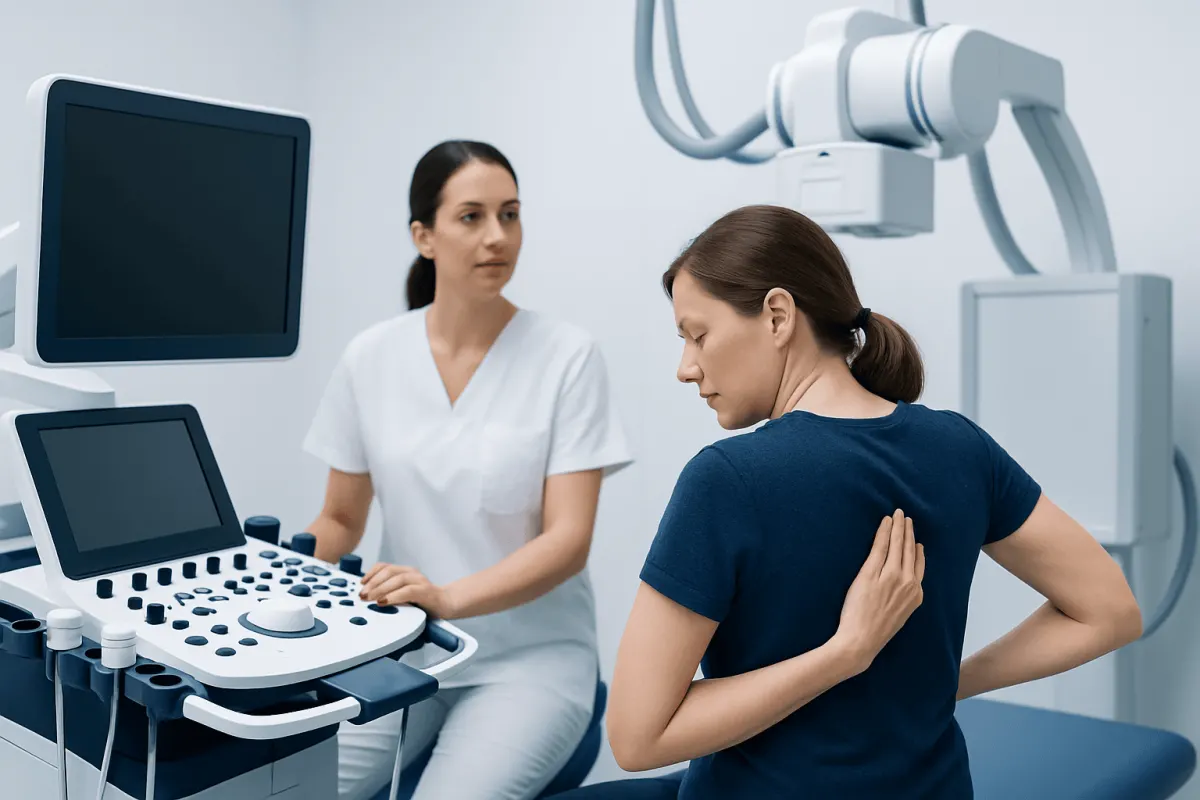
Upper right side back pain in females is commonly linked to muscle strain, poor posture, rib or spine irritation, and sometimes referred pain from organs such as the gallbladder, kidney, or lung. Most cases are not emergencies, but persistent, severe, or symptom-rich pain deserves medical evaluation to find the cause and guide treatment.
Overview: what upper right side back pain in females can mean
Upper right side back pain in females most often comes from muscles, joints, ligaments, or nerves in the upper back, shoulder blade area, or rib cage. Everyday triggers such as lifting, prolonged sitting, poor posture, exercise strain, stress-related muscle tension, or sleeping in an awkward position are common explanations. In many people, the pain improves with rest, movement modification, and time.
However, this symptom does not always start in the back itself. The body can produce referred pain, which means a problem in an internal organ is felt in the back. On the right side, doctors may consider the gallbladder, right kidney, liver area, lung lining, and parts of the digestive tract depending on the person’s symptoms and medical history.
For women, the term itself does not point to one unique female-only disease, but sex-related differences in anatomy, hormonal changes, pregnancy, breast size, osteoporosis risk, and autoimmune conditions can influence back pain patterns. A careful look at when the pain started, what makes it better or worse, and whether there are other symptoms is usually the best way to understand the cause.
Common musculoskeletal causes
The most frequent reason for upper right back pain is a musculoskeletal problem. This includes muscle strain between the shoulder blade and spine, irritation of the thoracic facet joints, overuse of the upper back muscles, or tension in the neck and shoulder region that spreads downward. Pain may feel achy, tight, stabbing with movement, or worse after sitting, twisting, reaching, or carrying a heavy bag on one side.
Poor ergonomics are another common factor. Looking down at a phone, working at a laptop without proper support, or driving for long periods can overload the muscles around the shoulder blades and upper spine. Repetitive work, sports such as tennis or swimming, and sudden increases in activity can also trigger symptoms.
Other musculoskeletal causes include rib joint irritation, minor rib muscle strain, scoliosis, osteoarthritis in the spine, and less commonly a spinal disc problem in the thoracic region. In some cases, pain may overlap with shoulder conditions that radiate into the upper back. When pain is persistent or linked to spine symptoms, assessment for a herniated disc or related spinal conditions may be appropriate.
- Pain often changes with position or movement
- It may improve with heat, rest, or gentle stretching
- There is often tenderness when pressing the area
- Neurologic symptoms such as numbness or weakness are less common but important if present
Related conditions beyond the muscles and spine

Not all upper right back pain starts in the back. The gallbladder is a well-known source of referred pain to the right upper back or right shoulder blade, especially if there is pain after fatty meals, nausea, bloating, or pain in the upper right abdomen. Doctors may consider gallstones or gallbladder inflammation when this pattern is present.
The kidneys can also cause pain in the flank or mid-to-upper back, sometimes more on one side. Kidney stones, kidney infection, or urinary tract problems may be more likely if back pain occurs with fever, burning with urination, nausea, vomiting, or blood in the urine. A healthcare professional may also evaluate for kidney stones if the pain comes in waves or is severe.
Lung and chest conditions can sometimes be felt in the upper back. Pleurisy, pneumonia, pulmonary embolism, or irritation around the lungs may cause sharp pain that worsens with deep breathing or coughing. Digestive problems, shingles, and liver-related conditions are other possibilities in some cases. Although these causes are less common than muscle strain, they become more important when the pain is unusual, intense, or accompanied by other symptoms.
Symptoms that help identify the cause
The character of the pain offers useful clues. A dull ache or tightness often suggests muscle tension or overuse. Sharp pain with twisting, reaching, or taking a deep breath may point to a rib or joint issue. Burning, tingling, or electric-like pain can suggest nerve irritation. Pain that builds after meals, especially rich or fatty foods, may suggest a digestive or gallbladder source instead of a back problem.
Associated symptoms matter just as much as the pain location. Fever, chills, cough, shortness of breath, abdominal pain, nausea, vomiting, urinary symptoms, rash, numbness, weakness, or unexplained weight loss all change the picture and may shift attention toward internal organ causes or a more significant medical issue.
Timing is also important. Pain that begins after exercise, lifting, travel, or poor sleep often fits a musculoskeletal pattern. Pain that wakes a person from sleep, does not change with movement, steadily worsens, or keeps returning without a clear trigger should be assessed by a doctor. Women who are pregnant or recently postpartum should mention this context, because posture changes, ligament strain, and some organ-related conditions can present differently.
How doctors diagnose upper right back pain
Diagnosis starts with a medical history and physical examination. A doctor will ask where the pain is felt, whether it stays in one place or radiates, how long it has been present, and what makes it worse or better. They will usually ask about work habits, exercise, recent injury, menstrual and pregnancy history when relevant, digestive symptoms, urinary symptoms, and any fever or breathing changes.
The physical exam often includes checking posture, range of motion, muscle tenderness, the spine and ribs, shoulder movement, reflexes, strength, and sensation. Depending on the symptoms, the doctor may also examine the abdomen, listen to the lungs, or order urine and blood tests to look for signs of infection, inflammation, or organ-related causes.
Imaging is not needed for every case, especially when the pain clearly looks like a simple strain. But X-rays, ultrasound, CT, or MRI may be recommended if there are red flags, severe symptoms, suspicion of gallbladder or kidney disease, or persistent pain that does not improve. In selected cases, physicians may use MRI or other imaging studies to assess the spine, soft tissues, or nearby organs more closely.
Treatment options and what may help
Treatment depends on the cause. For muscle strain or posture-related pain, initial care usually includes relative rest, avoiding aggravating movements, gentle mobility, heat or cold packs, and a gradual return to normal activity. Many people benefit from targeted exercises, posture correction, workstation changes, and guidance from a clinician or therapist. Persistent musculoskeletal pain may be managed with physical therapy and rehabilitation to improve strength, flexibility, and body mechanics.
If the pain comes from the spine, treatment may include exercises, manual therapy, anti-inflammatory approaches advised by a doctor, and sometimes specialist referral. For severe or long-lasting spinal pain, evaluation by an orthopedic or spine specialist may be helpful. In selected structural cases, doctors may discuss spine surgery, although surgery is not needed for most upper back pain.
When an organ-related problem is identified, treatment focuses on that condition. Gallbladder disease, kidney stones, infection, or lung-related causes each require their own medical plan. This may range from medication and observation to urgent treatment. Near the end of the care pathway, patients who need international evaluation may choose centers such as Acıbadem Health Point, where multidisciplinary specialists in JCI-accredited hospitals assess back pain causes and coordinate treatment when different body systems may be involved.
Self-care, prevention, and daily habits
Many episodes of mild upper right back pain can be reduced or prevented with simple daily habits. Good posture, regular movement breaks, and balanced strengthening of the upper back, shoulders, and core are especially important for people who work at a desk or spend long hours driving. Supportive seating and proper screen height may reduce strain on the neck and upper spine.
It can also help to avoid carrying heavy bags on one shoulder, warm up before exercise, and increase activity gradually. Sleeping on a supportive mattress and pillow may improve overnight comfort. Stress management is often overlooked, but emotional stress can increase muscle tension around the neck, shoulders, and shoulder blades.
Self-care is most appropriate when the pain is mild, clearly linked to a strain, and improving over several days. If symptoms persist, keep returning, or interfere with work, sleep, or normal movement, medical review is a sensible next step rather than continuing home care indefinitely.
When to seek medical care
A person should seek medical care promptly if upper right back pain is severe, follows an injury, or lasts longer than expected. Evaluation is also important if the pain is accompanied by fever, cough, shortness of breath, chest pain, abdominal pain, vomiting, burning with urination, blood in the urine, numbness, weakness, or a new rash. These features can suggest something other than a simple muscle strain.
Emergency care is needed for symptoms such as sudden chest pressure, difficulty breathing, fainting, new confusion, or signs of significant nerve problems such as loss of bladder or bowel control. Although these situations are not common, they should not be ignored.
Even when the cause is not urgent, persistent or recurrent pain deserves attention because effective treatment often depends on identifying the exact source. Early assessment can help distinguish routine musculoskeletal pain from conditions involving the gallbladder, kidneys, lungs, or spine and can guide the right next steps.
Frequently asked questions
01Is upper right side back pain in females usually serious?
Usually, no. Many cases are caused by muscle strain, posture-related tension, or minor joint irritation. It becomes more important to evaluate when pain is severe, does not improve, or occurs with symptoms such as fever, shortness of breath, abdominal pain, or urinary changes.
02Can gallbladder problems cause upper right back pain?
Yes. Gallbladder pain can be felt in the upper abdomen, right shoulder, or right upper back, especially after eating fatty foods. Nausea, bloating, or pain under the right ribs can make this cause more likely.
03How do I know if the pain is muscular or from an organ?
Muscular pain often gets worse with movement, certain positions, or pressing on the area. Organ-related pain may not change much with movement and is more likely to come with symptoms such as fever, nausea, breathing changes, or urinary problems. A doctor can help separate these causes when the pattern is unclear.
04Can stress cause pain in the upper right back?
Yes. Stress can lead to muscle tightening in the neck, shoulders, and upper back, which may create aching or burning discomfort. Stress-related pain is common, but ongoing pain should still be assessed if it persists or has unusual features.
05Should I exercise if I have upper right back pain?
Gentle movement is often helpful for mild strain, while heavy lifting or painful activity should be avoided at first. If exercise clearly worsens the pain, or if there are neurologic symptoms or other red flags, medical advice is recommended before continuing.
06When should upper right back pain be checked by a doctor?
A doctor should assess the pain if it is severe, recurrent, lasts more than a short period, or interferes with normal life. Prompt care is also appropriate if there is fever, cough, shortness of breath, chest pain, abdominal pain, urinary symptoms, numbness, or weakness.
This article is for general information only and is not a substitute for professional medical advice. Please consult a qualified doctor about your individual situation.
Joint and spine care in Turkey — expert assessment & treatment
JCI-accredited · board-certified surgeons · reply within 24h
Add us as a Preferred Source to see more of our trusted health content across Google Search, AI Overviews and Discover.
More from the Health Library
Hip Joint Pain Stretching Exercises: Common Causes, Related Conditions, and When to See a Doctor
Pain Under Ear Behind Jaw Bone Left Side: Common Causes, Related Conditions, and When to See a Doctor
