Upper Left Abdominal Pain: Causes and Treatment

Key Takeaways
- Upper left abdominal pain may involve the stomach, spleen, pancreas, left kidney, colon, chest wall, or even the heart.
- The same symptom can come from very different problems, so timing, severity, and associated signs matter.
- Persistent pain, fever, vomiting, breathing difficulty, black stools, or chest pain should be assessed promptly.
- Doctors usually use the history, examination, and targeted tests to find the cause and rule out serious conditions.
- Treatment depends on the underlying problem and may include medication, diet changes, monitoring, or urgent procedures.
Upper Abdominal Pain: Causes and Treatment" class="ahp-ilk">left abdominal pain can have many causes, ranging from minor digestive upset to conditions that need medical evaluation. Understanding the pattern of pain and accompanying symptoms helps guide the next best step in care.
Overview
Upper left abdominal pain describes discomfort felt below the ribs on the left side of the belly. This area, often called the left upper quadrant, contains several organs that can create similar symptoms when irritated or inflamed. The stomach, spleen, pancreas, part of the colon, the left kidney, and structures in the chest wall may all play a role.
Because the region is anatomically crowded, the same symptom does not point to one single diagnosis. A dull ache after eating may suggest a digestive issue, while sudden severe pain can raise concern for a more urgent problem. For people arranging care from another country, this is one reason a careful initial review matters: the right diagnosis depends on more than the location of the pain alone.
In many cases, upper left abdominal pain is temporary and improves with rest or simple treatment. In others, it is a signal that the body needs further assessment. The safest approach is to pay attention to the full pattern — when the pain started, what makes it better or worse, and whether other symptoms are present.
Symptoms
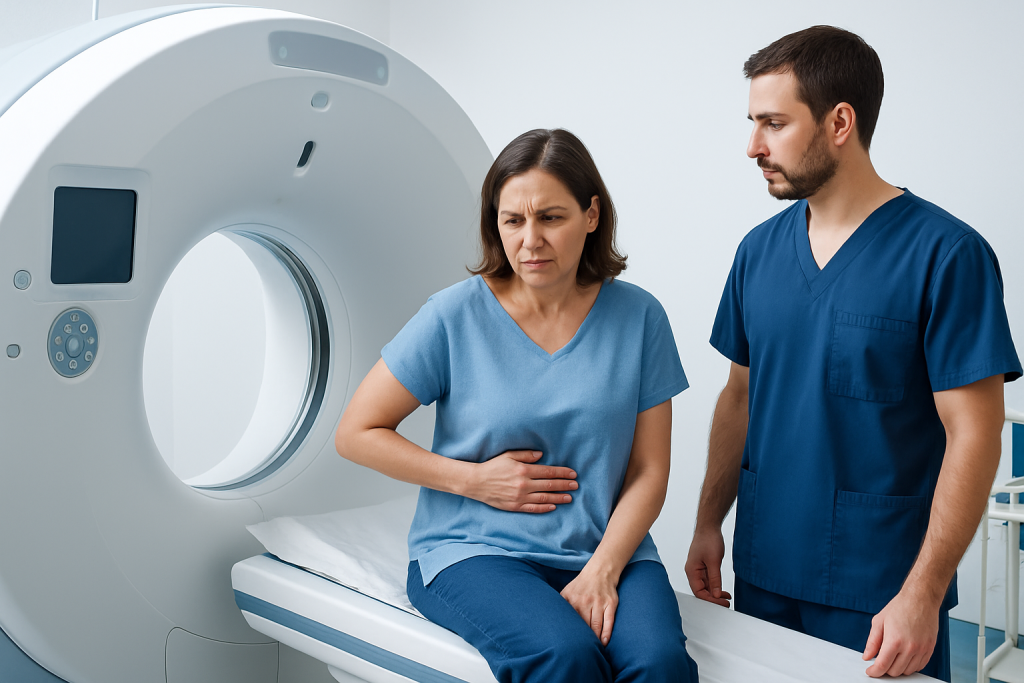
Upper left abdominal pain can feel sharp, cramping, burning, pressure-like, or dull. Some people notice it only at certain times, such as after meals, while others feel it continuously. The pain may stay in one place or spread to the back, shoulder, or chest.
Associated symptoms can offer important clues. Digestive causes may bring bloating, nausea, belching, heartburn, constipation, diarrhea, or vomiting. Pancreas-related pain may radiate to the back and become worse after eating. If the spleen is involved, there may be pain or fullness under the left ribs, sometimes after an infection or an injury.
Symptoms that deserve extra attention include fever, fainting, shortness of breath, chest discomfort, vomiting blood, black or tarry stools, a swollen abdomen, yellowing of the skin or eyes, or pain that becomes severe very quickly. These features do not always mean a serious illness, but they do deserve prompt medical review.
Causes & Risk Factors

Many different conditions can lead to upper left abdominal pain. Common digestive causes include gastritis, acid reflux, indigestion, constipation, gas trapping in the colon, stomach ulcers, and food intolerance. These are often linked with meals, stress, or changes in bowel habits.
Other causes are more specific to the organs in this area. Pancreatitis, splenic enlargement, kidney stones or infection on the left side, and inflammation of the colon can all produce pain in the upper left abdomen. In some cases, the discomfort is not from the abdomen at all and comes from the chest wall, lower ribs, or even the heart, which is why a broad medical view is important.
Risk factors vary by cause. A history of gallstones, heavy alcohol use, certain medications, recent infection, abdominal trauma, constipation, smoking, peptic ulcer disease, or known heart disease may increase the likelihood of particular conditions. Travel does not cause the pain itself, but people seeking care internationally may arrive with different prior tests, imaging, or medication histories, making a complete clinical review especially valuable.
Diagnosis
Diagnosis begins with a detailed conversation about the pain: when it started, exactly where it is felt, whether it moves, and what seems to trigger it. The doctor will also ask about fever, bowel changes, nausea, vomiting, urinary symptoms, alcohol use, recent injury, and any history of digestive or heart problems.
A physical examination helps narrow the possibilities. Gentle pressure over the abdomen, checking for tenderness or guarding, listening to bowel sounds, and looking for chest or back findings can guide the next steps. Depending on the situation, the evaluation may also include blood tests, urine tests, an electrocardiogram, or imaging such as ultrasound or CT scan.
There is no single test for every case. The choice of investigations depends on the story the body is telling. For example, a patient with pain after eating and elevated inflammatory markers may need a different workup than someone with pain after a fall or someone whose discomfort is paired with chest pressure.
Treatment Options
Treatment is directed at the underlying cause rather than the symptom alone. Mild indigestion, gas, or constipation may improve with diet changes, hydration, and short-term medicines recommended by a doctor. Acid-related conditions may be managed with medications that reduce stomach acid and with adjustments to trigger foods or alcohol intake.
More specific conditions require targeted care. Pancreatitis may need bowel rest, fluids, pain control, and close monitoring. An ulcer may need treatment for infection if present, along with acid suppression. Kidney infection, splenic problems, or bowel inflammation may call for antibiotics, observation, specialist follow-up, or in some cases a procedure or surgery.
When pain is severe, sudden, or linked to signs of bleeding, infection, or organ injury, urgent assessment is important. For international patients, a coordinated plan can help align emergency care, imaging, specialist consultation, and follow-up before travel home. A multidisciplinary team can make that process more orderly and easier to understand.
Prevention & Self-care
Not every cause of upper left abdominal pain can be prevented, but some habits may lower the chance of common digestive triggers. Regular meals, adequate hydration, careful use of alcohol, and avoiding personal trigger foods can help some people. Managing constipation early may also reduce pressure and discomfort in the upper abdomen.
Medication safety matters as well. Some pain relievers and other medicines can irritate the stomach, so it is wise to use them only as directed by a clinician. People with reflux, ulcers, or previous pancreatitis should discuss their long-term plan with a doctor rather than relying on over-the-counter products alone.
During recovery, rest, gradual return to normal eating, and monitoring symptoms are often helpful. A symptom diary — noting what was eaten, when the pain appeared, and whether it spread or changed — can be useful, especially for patients preparing for a follow-up visit after returning to their home country.
When to See a Doctor
Medical assessment is appropriate if upper left abdominal pain lasts more than a day or two, keeps returning, or interferes with eating, sleep, or daily activities. It is also important to seek care if the pain comes with fever, persistent vomiting, unexplained weight loss, blood in the stool, or new urinary symptoms.
Urgent evaluation is recommended for sudden severe pain, fainting, trouble breathing, chest pain, a hard or swollen abdomen, vomiting blood, black stools, or pain after an injury or fall. These symptoms may indicate a condition that needs immediate testing and treatment.
Anyone unsure whether the pain is abdominal, chest-related, or something else should be checked by a qualified clinician. Upper left abdominal pain is often treatable, but the right answer comes from an in-person evaluation rather than guesswork.
Acibadem Health Point supports international patients with multidisciplinary specialists and JCI-accredited hospitals that diagnose and treat upper left abdominal pain and its underlying causes in a coordinated way.
Frequently asked questions
01Is upper left abdominal pain always caused by the stomach?
No. The stomach is only one of several possible sources. The pain may also come from the spleen, pancreas, colon, left kidney, chest wall, or even the heart.
02Can gas cause pain in the upper left abdomen?
Yes, trapped gas and constipation can sometimes cause pressure or cramping in that area. If the discomfort is severe, persistent, or comes with other symptoms, it should not be assumed to be gas without medical review.
03What does pancreatitis pain usually feel like?
Pancreatitis often causes upper abdominal pain that may spread to the back and can worsen after eating. Nausea and vomiting are common, and the condition usually needs prompt medical assessment.
04Should left-sided abdominal pain be treated like chest pain?
Sometimes it should, especially if the pain comes with chest pressure, shortness of breath, sweating, or pain spreading to the arm or jaw. Those features may signal a heart-related problem and need urgent evaluation.
05What tests are commonly used to find the cause?
Doctors may use blood tests, urine tests, an electrocardiogram, ultrasound, or CT scan depending on the symptoms. The best test depends on what the history and physical examination suggest.
06When is it safe to monitor the pain at home?
Mild pain that is clearly linked to a short-lived digestive issue and improves quickly may be watched briefly at home. If it persists, returns, or is accompanied by warning signs, medical evaluation is the safer choice.
This article is for general information only and is not a substitute for professional medical advice. Please consult a qualified doctor about your individual situation.
Persistent digestive symptoms? Get evaluated in Turkey
JCI-accredited · board-certified surgeons · reply within 24h
Add us as a Preferred Source to see more of our trusted health content across Google Search, AI Overviews and Discover.