Understanding Multiple Sclerosis Hot Shower Sign: A Complete Patient Guide
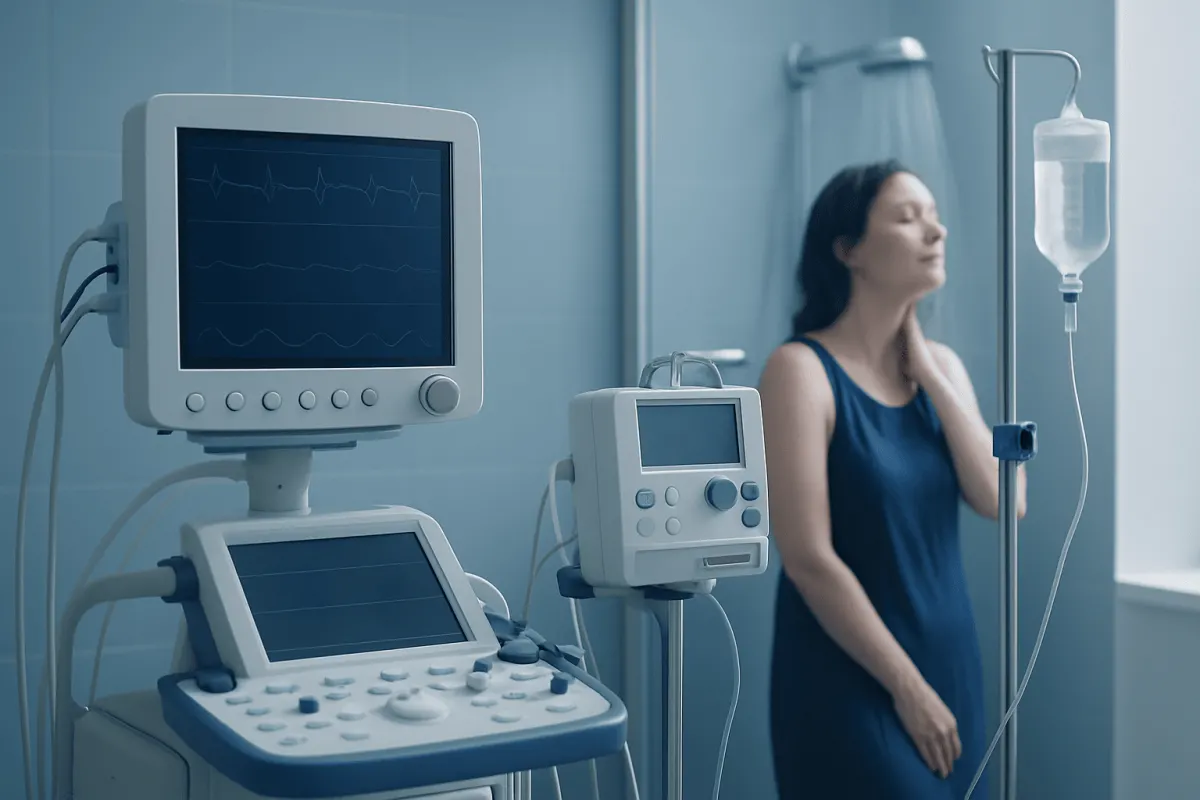
The multiple sclerosis hot shower sign describes a temporary increase in existing MS symptoms after a hot shower, bath, exercise, fever, or warm environment. Known clinically as Uhthoff phenomenon, it usually improves with cooling and does not by itself mean new MS damage or a relapse.
Overview: What Is the Multiple Sclerosis Hot Shower Sign?
The multiple sclerosis hot shower sign refers to a temporary worsening of neurological symptoms when body temperature rises, commonly after a hot shower or bath. It is often called Uhthoff phenomenon or heat sensitivity. A person may notice that a symptom they have experienced before, such as blurred vision, leg weakness, tingling, fatigue, or poor balance, becomes more noticeable in the heat.
This change can be uncomfortable and concerning, but it usually does not indicate a new inflammatory MS lesion or permanent nerve injury. In most cases, symptoms ease as the person cools down. The effect can occur with only a small increase in core body temperature, which is why a warm room, humid weather, strenuous activity, fever, or emotional stress may also trigger it.
Heat sensitivity is common in people with multiple sclerosis, although its severity varies considerably. It may be one of the early clues that prompts medical assessment, but it is not diagnostic on its own. Many other health conditions can cause fatigue, dizziness, or visual changes in warm settings, so a clinician should consider the full symptom pattern and medical history.
Why Heat Can Worsen MS Symptoms
Multiple sclerosis affects the central nervous system, including the brain, spinal cord, and optic nerves. In MS, immune-related inflammation can damage myelin, the protective covering that helps nerve signals travel efficiently. Even after inflammation settles, affected nerve pathways may be more vulnerable to changes in temperature.
When body temperature rises, electrical signals may travel less effectively through demyelinated nerve fibers. This can temporarily make existing neurological symptoms more apparent. Cooling supports more reliable signal transmission again, which explains why symptoms often improve without specific treatment once the body temperature returns toward normal.
For some people, the most noticeable heat-related symptom is temporary blurred or dim vision in one eye, especially if they have previously had optic neuritis. Others experience increased stiffness, weakness, numbness, tremor, difficulty walking, slowed thinking, urinary urgency, or pronounced tiredness. The symptoms may feel new because they have been absent for some time, but they often reflect an old affected pathway becoming less efficient in the heat.
MS is a complex condition with a wide range of possible symptoms and courses. People seeking broader information may find the overview of multiple sclerosis helpful alongside individualized advice from their neurology team.
Common Triggers and Symptom Patterns

A hot shower is a well-known trigger because warm water can quickly raise skin and body temperature. Long baths, saunas, steam rooms, hot tubs, heated pools, intense exercise, direct sun exposure, and poorly ventilated rooms can have a similar effect. Fever from an infection can also worsen MS symptoms and needs particular attention.
Symptoms tend to occur during or soon after the heat exposure and generally improve with rest and cooling. The pattern is often repeatable: the same setting triggers the same familiar symptom, and the symptom resolves when the person cools. This is one feature that helps clinicians distinguish heat-related symptom worsening from a true relapse.
- Blurred, dim, or double vision
- Increased weakness, heaviness, or leg dragging
- Numbness, tingling, burning, or altered sensation
- Balance problems, dizziness, or reduced coordination
- Muscle stiffness, spasms, tremor, or pain
- Fatigue, slowed concentration, or difficulty finding words
Not every episode of symptoms in warm conditions is caused by MS. Dehydration, low blood pressure, migraine, medication effects, anxiety, infection, and other medical concerns may contribute. It is sensible to discuss recurring episodes with a doctor, especially if the symptoms do not fit a person’s usual MS pattern.
Heat Sensitivity, Pseudo-Relapse, and a True MS Relapse
Clinicians may use the term pseudo-relapse, or pseudoexacerbation, for a temporary return or worsening of prior MS symptoms caused by heat, fever, infection, exhaustion, or another stressor. The underlying issue is reduced function in previously affected nerve pathways, rather than new inflammatory damage. Symptoms should improve after the trigger is addressed.
A true MS relapse usually involves new or significantly worsening neurological symptoms that last at least 24 hours in the absence of fever or infection, often after a period of stability. Relapses can develop over hours to days and may persist for days or weeks. Only a healthcare professional can assess whether an episode is likely to be a relapse, pseudo-relapse, or another condition.
Timing and recovery provide useful clues but are not enough for self-diagnosis. If symptoms persist after cooling, are clearly different from previous symptoms, or interfere with vision, walking, speech, or daily safety, the person should contact their MS team or another qualified clinician. Testing for infection, including a urinary tract infection when relevant symptoms are present, may be part of the evaluation.
It is helpful to keep a brief record of the trigger, temperature or activity, symptoms, duration, and what improved them. This information can help a neurologist recognize patterns and plan symptom management.
Diagnosis and Medical Assessment
Uhthoff phenomenon is diagnosed mainly from a careful clinical history. A clinician may ask whether symptoms occur with hot showers, activity, fever, or warm weather; whether they are familiar or new; how long they last; and whether they improve after cooling. They will also consider current medicines, hydration, sleep, recent illness, and other possible causes.
The hot shower sign alone cannot diagnose multiple sclerosis. MS diagnosis requires evidence of damage in the central nervous system that has occurred in different places and at different times, supported by a neurological examination and, when appropriate, magnetic resonance imaging (MRI), blood tests to exclude other causes, and cerebrospinal fluid testing.
If a person already has MS and reports symptom worsening, the medical team may check for a fever or infection and review whether the episode could represent a relapse. MRI is not always needed for a brief, typical heat-related event, but it may be useful when symptoms are persistent, new, or diagnostically unclear.
Prompt, accurate assessment is particularly important for sudden vision loss, new one-sided weakness, severe imbalance, or speech difficulty, as these symptoms can also occur in conditions that need urgent treatment.
Managing the Hot Shower Sign and Staying Comfortable
The central approach is to avoid overheating and cool down early when symptoms begin. Many people can still shower comfortably by using lukewarm rather than hot water, keeping showers shorter, improving bathroom ventilation, and sitting on a shower chair if heat or weakness affects balance. A cool towel, fan, cold drink, or a rest period in an air-conditioned room may help symptoms settle.
Planning around heat can make daily activities more manageable. Exercise may be better tolerated in cooler parts of the day, with frequent breaks, light breathable clothing, fluids, and access to shade or air conditioning. Some individuals find cooling vests, neck wraps, wristbands, or cooling garments useful; a clinician or rehabilitation specialist can help identify practical options.
Fever should not be ignored in someone with MS. Treating the underlying cause of a fever, such as an infection, is important. A doctor or pharmacist can advise on safe fever management based on the person’s medical history and current medicines. People should not stop prescribed MS disease-modifying therapy or other medication because of heat sensitivity without medical guidance.
Physical therapy, occupational therapy, and rehabilitation support can also help with mobility, energy conservation, balance, and adaptations at home or work. Treatment is tailored to the individual’s symptoms, MS type, and goals rather than to heat sensitivity alone.
When to Seek Medical Care
A person should contact their MS nurse, neurologist, or primary care clinician if heat-related symptoms are frequent, difficult to manage, lasting longer than expected after cooling, or affecting everyday activities. Medical advice is also important if there is fever, urinary symptoms, cough, unexplained pain, or other signs of infection, since infection can trigger a pseudo-relapse and may need treatment.
Urgent medical assessment is appropriate for sudden or severe neurological symptoms, including significant new weakness, trouble speaking, sudden vision loss, fainting, severe headache, chest pain, or difficulty breathing. These symptoms should not automatically be attributed to MS or heat exposure.
For people traveling for neurological care, Acıbadem Health Point’s multidisciplinary specialists and JCI-accredited hospitals diagnose and treat multiple sclerosis and related neurological symptoms for international patients. An individualized review can help clarify symptom changes and develop a realistic plan for heat management, rehabilitation, and ongoing MS care.
Frequently asked questions
01Does a hot shower make multiple sclerosis worse?
A hot shower does not usually cause new MS damage. It can temporarily worsen existing symptoms because heat affects signal conduction in nerve pathways previously affected by MS. Symptoms commonly improve after cooling down.
02How long does the multiple sclerosis hot shower sign last?
The duration varies, but symptoms often improve within minutes to a few hours after the person cools and rests. Symptoms that continue despite cooling, last longer than expected, or are new should be discussed with a healthcare professional.
03Can heat sensitivity be the first sign of multiple sclerosis?
Heat sensitivity can occur in MS and may make earlier neurological symptoms more noticeable. However, it is not specific to MS and cannot diagnose the condition by itself. A clinician will assess the full history, examination findings, and appropriate tests.
04Is Uhthoff phenomenon the same as an MS relapse?
No. Uhthoff phenomenon is usually a temporary heat-triggered worsening of prior symptoms, while a relapse involves new or substantially worsening neurological symptoms that persist without a trigger such as fever or infection. It is important to report uncertain symptom changes to an MS care team.
05Should people with MS avoid exercise because it raises body temperature?
Most people with MS can benefit from appropriately planned physical activity. Cooling strategies, pacing, hydration, rest breaks, and exercising in a cooler environment can reduce heat-related symptoms. A clinician or physiotherapist can recommend an activity plan suited to the person’s abilities.
06What is the best shower temperature for someone with MS heat sensitivity?
There is no single ideal temperature, but lukewarm water is often better tolerated than hot water. Shorter showers, good ventilation, and sitting if needed can further reduce overheating. Each person can adjust the temperature gradually to find what feels comfortable and safe.
This article is for general information only and is not a substitute for professional medical advice. Please consult a qualified doctor about your individual situation.
Joint and spine care in Turkey — expert assessment & treatment
JCI-accredited · board-certified surgeons · reply within 24h
Add us as a Preferred Source to see more of our trusted health content across Google Search, AI Overviews and Discover.