Understanding Lamb Shaffer Syndrome: A Complete Patient Guide
Lamb shaffer syndrome is a rare genetic condition most often linked to changes involving the SOX5 gene, and it mainly affects brain development, learning, speech, and behavior. While there is no cure for the genetic change itself, many children benefit from early diagnosis, developmental therapies, educational support, and coordinated medical follow-up.
Overview: What Is Lamb Shaffer Syndrome?
Lamb shaffer syndrome is a rare genetic neurodevelopmental condition. It is usually caused by a harmful change, deletion, or disruption involving the SOX5 gene, which plays an important role in early development, especially in the brain and nervous system. The condition can affect how a child develops speech, movement, learning, behavior, and social skills.
The syndrome can look different from one person to another. Some children have mild delays and need targeted therapy and school support, while others have broader developmental needs. This variability is common in genetic conditions and means that care plans should be tailored to the individual rather than based only on the diagnosis name.
Lamb shaffer syndrome is typically identified in infancy or childhood, often after concerns arise about delayed milestones, limited speech, or learning difficulties. Because it is uncommon, families may go through several assessments before receiving a clear diagnosis. A genetics evaluation can help explain the condition, guide care, and clarify whether other family members may need counseling or testing.
How the Condition Can Affect a Child’s Development
One useful way to understand lamb shaffer syndrome is to think about its effects across several areas of development. Many children have delays in reaching milestones such as sitting, walking, using words, or developing fine motor skills. Speech and language are often especially affected, and some children need long-term support with communication.
Learning and thinking skills can also vary. Some children have mild intellectual disability, while others mainly show specific difficulties with attention, processing, planning, or social communication. Behavioral features may include anxiety, frustration with communication, repetitive behaviors, emotional dysregulation, or traits that overlap with autism.
Physical findings are often subtle, but some children may have low muscle tone, coordination problems, growth differences, feeding challenges in early life, or mild differences in facial features noted by specialists. Not every child has the same pattern, and having one feature does not predict how severe the others will be.
- Delayed speech or limited vocabulary
- Motor delay or clumsiness
- Learning difficulties
- Behavioral or social communication challenges
- Low muscle tone or poor coordination
Symptoms and Signs Families May Notice

The signs of lamb shaffer syndrome often become noticeable in the first years of life. Parents may first see delayed babbling, slow progress with first words, difficulty combining words into sentences, or reduced understanding of language compared with peers. Motor milestones such as crawling, standing, or walking may also happen later than expected.
As children grow, additional concerns may become clearer in preschool or school settings. These can include trouble with attention, following multi-step instructions, reading readiness, writing, peer interaction, or adapting to changes in routine. Some children are affectionate and social but still struggle with expressive language or sensory regulation.
It is important to remember that symptoms can overlap with many other developmental conditions. For example, a child may initially be evaluated for developmental delay or speech delay before genetic testing identifies lamb shaffer syndrome. A careful developmental history, physical examination, and family discussion help clinicians understand the full picture.
Causes and Risk Factors
Lamb shaffer syndrome is caused by a genetic change affecting the SOX5 gene. This gene provides instructions that support normal development, particularly in the nervous system. When the gene is missing in part, disrupted, or altered in a way that changes its function, development may not follow the usual pattern.
In many cases, the genetic change happens de novo, meaning it is new in the child and was not inherited from either parent. In other cases, inheritance may be possible, depending on the exact genetic finding. This is why genetic counseling is an important part of care: it can explain recurrence risk, discuss family testing when appropriate, and help families understand what the result means.
There are no known lifestyle causes of lamb shaffer syndrome, and nothing a parent did or did not do during pregnancy is usually responsible. Because it is a genetic condition, prevention in the usual sense is not always possible. However, earlier recognition can help reduce delays in support and allow families to access therapies and educational planning sooner.
How Lamb Shaffer Syndrome Is Diagnosed
Diagnosis often begins when a pediatrician, neurologist, developmental specialist, or therapist notices a pattern of developmental concerns that goes beyond isolated speech delay. The doctor will ask about pregnancy and birth history, milestone timing, feeding, behavior, school function, and family history. A physical examination may look for low muscle tone, coordination issues, or subtle physical features that suggest a genetic syndrome.
Genetic testing is central to confirming lamb shaffer syndrome. Depending on the child’s presentation, specialists may recommend chromosomal microarray, gene panel testing, or broader sequencing such as exome testing. These tests can identify a deletion or change in the SOX5 gene and help distinguish lamb shaffer syndrome from other rare genetic disorders.
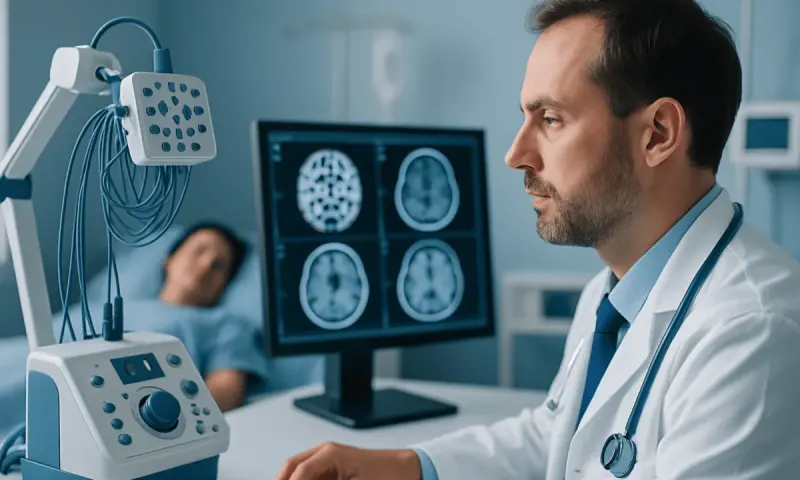
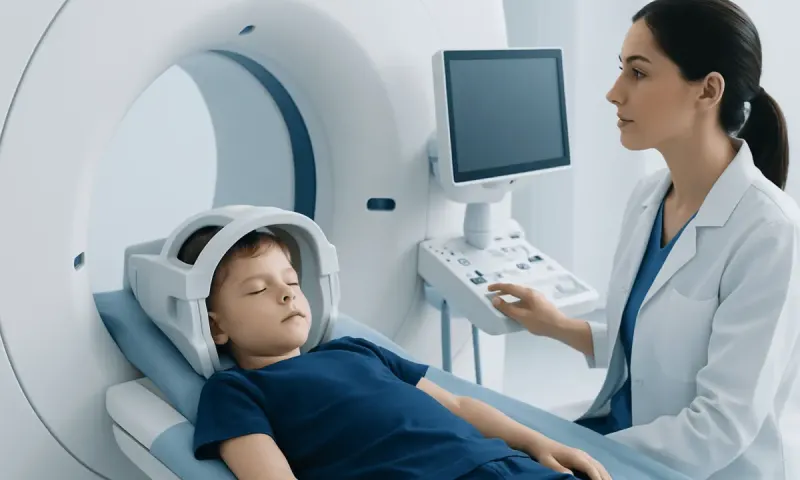
Additional evaluations may also be useful. A child may need hearing testing, speech-language assessment, developmental or neuropsychological testing, and in some cases brain imaging or other studies if symptoms suggest a related concern. For families seeking a structured workup, advanced genetic testing and pediatric neurology evaluation can help guide next steps and long-term planning.
Treatment and Long-Term Management
There is currently no treatment that reverses the underlying genetic change in lamb shaffer syndrome. Care focuses on supporting development, improving communication and daily function, and addressing associated medical or behavioral concerns. The best approach is usually multidisciplinary, with coordination between the child’s pediatrician, neurologist, geneticist, therapists, school team, and family.
Speech and language therapy is often one of the most important parts of care, especially when expressive language is significantly affected. Some children benefit from alternative or augmentative communication tools in addition to spoken-language therapy. Occupational therapy may help with fine motor skills, sensory processing, and everyday tasks, while physical therapy can support balance, strength, posture, and motor planning.
Behavioral and educational support are also important. Children may benefit from individualized education plans, classroom accommodations, social skills support, and structured routines. If attention, anxiety, sleep problems, or mood regulation become significant, a pediatric neurologist, developmental pediatrician, or child psychiatrist may help with evaluation and symptom management. In selected cases, pediatric rehabilitation and speech and language therapy can form part of an integrated care plan.
Daily Support, School Planning, and Family Self-Care
Families often play the central role in helping a child with lamb shaffer syndrome thrive. Practical steps at home may include using simple and consistent language, visual schedules, repetition, positive reinforcement, and predictable routines. Breaking tasks into smaller steps can make communication, dressing, homework, and transitions easier.
School support should be personalized to the child’s strengths and needs. Some children need speech services and classroom accommodations only, while others need broader special education support. Sharing genetic and developmental information with teachers, school psychologists, and therapists can help build realistic goals and reduce misunderstandings about behavior or learning pace.
Caring for a child with complex developmental needs can be demanding, so family well-being matters too. Parent support groups, respite support when available, and regular communication with the child’s care team can reduce stress and improve confidence. Near the end of the diagnostic journey or during ongoing follow-up, some families choose centers with multidisciplinary expertise; Acıbadem Health Point’s specialists in JCI-accredited hospitals evaluate and treat rare neurodevelopmental conditions for international patients.
When to Seek Medical Care
Medical advice should be sought if a baby or child shows clear developmental delays, loss of previously learned skills, very limited speech, poor coordination, persistent feeding problems, or significant behavioral concerns that affect daily life. A pediatrician can decide whether referral to genetics, neurology, developmental pediatrics, or therapy services is needed.
Urgent medical care is important if a child has seizures, sudden weakness, severe breathing difficulty, marked dehydration, or a sudden major change in awareness or behavior. These symptoms are not specific to lamb shaffer syndrome, but they should be assessed quickly regardless of the underlying diagnosis.
Even after diagnosis, regular follow-up remains valuable. Development changes over time, and new school, communication, sleep, or behavioral needs may appear as a child grows. Early reassessment often allows support plans to be updated before difficulties become more disruptive.
Frequently asked questions
01Is lamb shaffer syndrome inherited?
Sometimes, but many cases happen because of a new genetic change in the child rather than being inherited from a parent. Genetic counseling can help explain the specific result, discuss recurrence risk, and clarify whether parental testing is recommended.
02Can lamb shaffer syndrome be cured?
There is no cure that changes the underlying genetic cause. However, supportive therapies, educational planning, and regular specialist follow-up can make a meaningful difference in communication, learning, behavior, and independence.
03What is the main gene involved in lamb shaffer syndrome?
The condition is most commonly linked to the SOX5 gene. Changes that disrupt this gene can affect brain and developmental pathways, which is why symptoms often involve speech, learning, and behavior.
04At what age is lamb shaffer syndrome usually diagnosed?
Diagnosis often happens in infancy, toddlerhood, or early school years, depending on when delays become noticeable. Some children are identified after speech delay or developmental concerns lead to genetic testing.
05Will every child with lamb shaffer syndrome have the same symptoms?
No. The condition can vary widely from one child to another, even when the same gene is involved. Some children have milder learning or speech difficulties, while others need broader developmental and behavioral support.
06What therapies are commonly used for lamb shaffer syndrome?
Speech and language therapy, occupational therapy, physical therapy, and behavioral or educational support are commonly used. The exact mix depends on the child’s needs, strengths, and age.
This article is for general information only and is not a substitute for professional medical advice. Please consult a qualified doctor about your individual situation.
Explore treatments in Turkey — costs, top hospitals & a free quote
JCI-accredited · board-certified surgeons · reply within 24h
Add us as a Preferred Source to see more of our trusted health content across Google Search, AI Overviews and Discover.