

Ulcers on the Esophagus: What You Need to Know
- 8 min read
- Published November 27, 2026
Key Takeaways
- Ulcers on the esophagus are open sores in the esophageal lining and can cause painful swallowing or chest discomfort.
- Common causes include acid reflux, infections, certain medicines, and irritation from pills or procedures.
- Diagnosis often involves a medical history, endoscopy, and sometimes biopsy or lab tests.
- Treatment focuses on healing the ulcer and addressing the underlying cause, such as acid control or infection treatment.
- Seek prompt medical care for trouble swallowing, vomiting blood, black stools, or unexplained weight loss.
Ulcers on the esophagus are open sores in the tube that carries food from the mouth to the stomach. They often develop from acid reflux, infections, medicines, or injury to the lining, and they usually need medical evaluation to find the cause and guide treatment.
Overview
Ulcers on the esophagus are open sores that form in the lining of the esophagus, the muscular tube that carries food and liquids from the throat to the stomach. They are not a diagnosis to ignore, but they are often treatable once the underlying cause is identified.
Many people first notice the problem through painful swallowing, a burning feeling behind the breastbone, or food that seems to move down more slowly than usual. In some cases, the symptoms are subtle at first, and the ulcer is found only after a doctor investigates ongoing reflux, anemia, or swallowing difficulty.
Because several different conditions can lead to the same kind of ulcer, the most useful first step is not guesswork but evaluation. The cause matters, since treatment for acid injury is different from treatment for an infection or a medication-related sore.
Symptoms
The symptoms of esophageal ulcers can overlap with other upper digestive problems, especially reflux disease, esophagitis, and swallowing disorders. Pain is often felt in the chest or lower throat, and some people describe it as sharp, burning, or raw, especially when eating or drinking.
Common symptoms may include:
- Painful swallowing
- Difficulty swallowing solid foods or liquids
- Chest pain or a burning sensation behind the breastbone
- Feeling that food is stuck in the throat or chest
- Nausea or reduced appetite
- Unexplained weight loss when eating becomes uncomfortable
Some ulcers also cause bleeding, which may show up as vomiting blood, black stools, or iron-deficiency anemia. Other people have less dramatic symptoms and simply notice persistent discomfort that does not improve with routine reflux measures.
Causes & Risk Factors

Several different processes can damage the lining of the esophagus enough to create an ulcer. The most common is chronic exposure to stomach acid, usually from gastroesophageal reflux disease, which gradually irritates and weakens the tissue.
Other causes include infections, particularly in people with weakened immune systems; medicines that can lodge in the esophagus and injure the lining; and direct irritation from radiation, vomiting, or chemical exposure. Less commonly, inflammatory conditions and certain cancers can be associated with ulcer-like lesions, which is one reason medical assessment is important.
Risk can be higher in people who:
- Have frequent or severe acid reflux
- Take pills without enough water or lie down immediately afterward
- Use medicines known to irritate the esophagus
- Have a weakened immune system
- Smoke or drink alcohol heavily
- Have a history of swallowing difficulties or prior esophageal injury
International patients sometimes arrive after trying several home remedies or over-the-counter products without much relief. That is understandable, but when an ulcer is present, identifying the cause is more helpful than repeatedly suppressing symptoms alone.
Diagnosis
Diagnosis usually starts with a clinician listening carefully to the symptom pattern and reviewing medicines, reflux history, immune status, and any recent infections or procedures. The details can point toward the most likely cause and help guide testing.
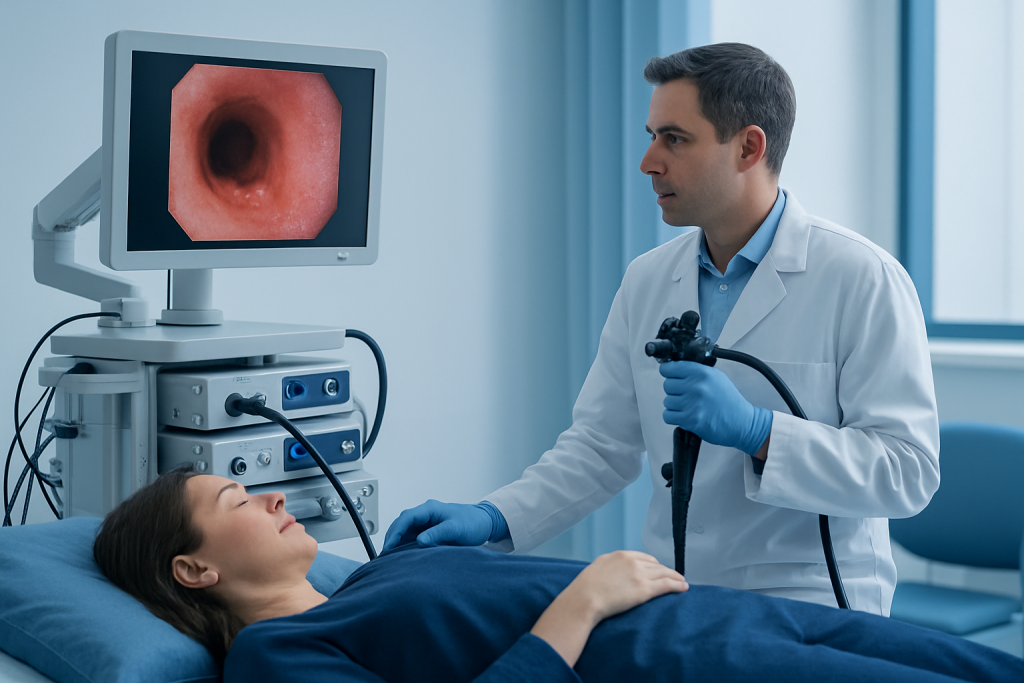
The main test is often an upper endoscopy, in which a small camera is passed through the mouth to inspect the esophagus directly. This allows the doctor to see the ulcer, assess its size and appearance, and take a biopsy if needed to check for infection, inflammation, or other tissue changes.
Depending on the situation, the care team may also order blood tests, tests for infection, or studies to evaluate reflux. For a person traveling for care, these results help create a focused plan that can often be started during the visit and continued safely after returning home.
Treatment Options
Treatment aims to do two things at the same time: help the ulcer heal and remove the trigger that caused it. The specific plan depends on whether the ulcer is linked to acid reflux, a medicine, an infection, or another condition.
For reflux-related ulcers, doctors commonly recommend acid-reducing therapy and practical changes that lessen backflow from the stomach. If a pill caused the injury, the medicine may need to be changed, taken differently, or protected with a better swallowing routine. If an infection is involved, treatment is directed at the organism identified by the doctor.
Other parts of care may include:
- Stopping or adjusting irritating medications under medical guidance
- Diet and habit changes that reduce esophageal irritation
- Treatment for nausea or vomiting if those symptoms are contributing
- Follow-up endoscopy in selected cases to confirm healing
Severe ulcers, bleeding, or narrowing of the esophagus may require closer specialist care. In a multidisciplinary setting, gastroenterologists can coordinate with nutrition, pathology, and, when needed, other specialists to keep treatment organized and practical.
Prevention & Self-care
Not every esophageal ulcer can be prevented, but many cases become less likely when the esophagus is protected from repeated irritation. Simple daily habits often make a meaningful difference, especially for people with reflux or those taking regular medicines.
Helpful steps include taking pills with a full glass of water, staying upright after swallowing medicines, and avoiding lying down right after meals. For reflux-prone individuals, smaller meals, avoiding late-night eating, and reducing personal trigger foods may lower irritation, though triggers vary from person to person.
Additional self-care measures may include:
- Following the treatment plan exactly as prescribed
- Avoiding tobacco and limiting alcohol
- Keeping hydration and nutrition steady if swallowing is uncomfortable
- Not restarting a suspected offending medicine without clinician advice
- Reporting any bleeding, worsening pain, or weight loss promptly
When care is being managed across borders, it helps to keep a list of medicines, test results, and symptom changes. That record makes follow-up easier for the local doctor and for the specialist team reviewing the case later.
When to See a Doctor
Medical evaluation is appropriate if swallowing hurts, food feels stuck, or reflux symptoms are becoming more frequent or severe. These symptoms do not always mean an ulcer, but they do mean the esophagus should be checked rather than repeatedly treated as simple heartburn.
Prompt care is especially important if there is vomiting blood, black or tarry stools, chest pain that feels unusual, unintentional weight loss, or signs of dehydration because eating and drinking have become difficult. People with weakened immunity should seek assessment earlier, since infections can cause esophageal ulcers and may progress without clear warning.
Even when symptoms seem manageable, an ulcer that does not improve deserves attention. A qualified clinician can help determine whether reflux medicine, infection treatment, a medication change, or another evaluation is the right next step.
Acibadem Health Point’s multidisciplinary specialists and JCI-accredited hospitals diagnose and treat esophageal ulcers for international patients, with coordinated care that can support both the initial evaluation and follow-up planning.
Living With an Esophageal Ulcer
Healing is often possible, but it may take patience. Comfort usually improves as the cause is treated, and many people can return to normal eating once the lining has had time to recover.
During recovery, soft or cooler foods may be easier to tolerate than rough, spicy, or very hot foods, but individual comfort varies. The most important guide is the treating clinician’s advice, especially if there is a need for repeat endoscopy or closer monitoring.
People recovering after treatment abroad may benefit from a clear written plan that explains medication changes, warning signs, and the timing of follow-up. That kind of continuity helps protect the healing process after the journey home.
Frequently asked questions
01What are ulcers on the esophagus?
They are open sores in the lining of the esophagus, which is the tube that carries food to the stomach. They usually form when the lining is damaged by acid reflux, medicine irritation, infection, or another inflammatory process.
02What does an esophageal ulcer feel like?
Many people notice painful swallowing, chest discomfort, or a burning feeling behind the breastbone. Some also feel as if food is getting stuck or moving down slowly.
03Are esophageal ulcers the same as acid reflux?
No, but acid reflux can be one of the main causes of esophageal ulcers. Reflux is the backflow of stomach acid, while an ulcer is a sore that may develop after repeated irritation or injury.
04Can pills cause ulcers in the esophagus?
Yes. Some medicines can irritate the esophageal lining if they are taken without enough water or if a person lies down too soon afterward. A doctor may suggest a safer way to take the medicine or an alternative treatment.
05How are ulcers on the esophagus diagnosed?
Doctors usually review symptoms and medicines, then may perform an upper endoscopy to look directly at the esophagus. A biopsy or other tests may be used if the cause is not clear.
06When should someone get urgent help?
Urgent care is needed for vomiting blood, black stools, chest pain that is severe or unusual, or trouble swallowing that makes it hard to stay hydrated. These symptoms need prompt medical assessment.
This article is for general information only and is not a substitute for professional medical advice. Please consult a qualified doctor about your individual situation.
Medical weight-loss options in Turkey — costs & eligibility
JCI-accredited · board-certified surgeons · reply within 24h
Add us as a Preferred Source to see more of our trusted health content across Google Search, AI Overviews and Discover.



How can we help you today?
Meet an Acibadem specialist by secure video, before you travel.
Book a video visit