Types of COPD: Chronic Bronchitis and Emphysema
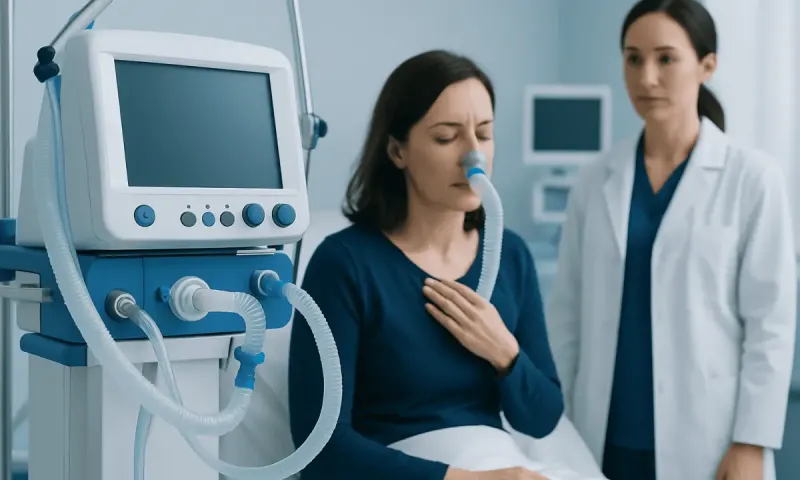
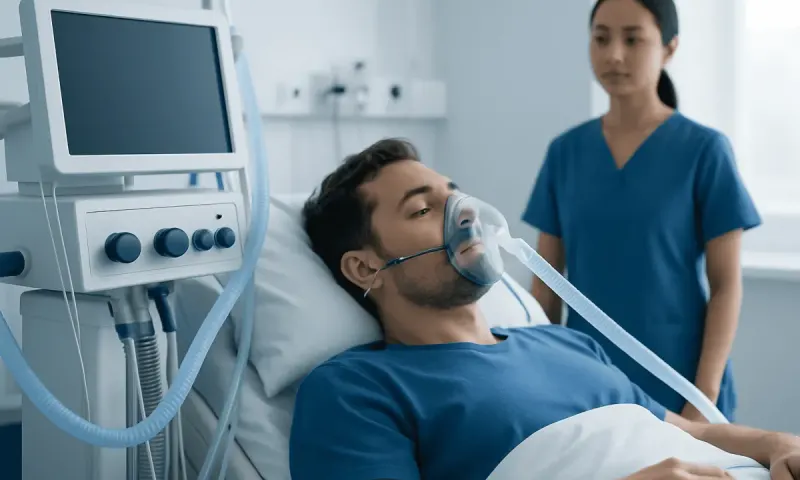
The main types of COPD are chronic bronchitis and emphysema. These conditions commonly overlap, and COPD is now assessed not only by its pattern in the lungs but also by symptoms, lung-function results, and flare-up risk.
Overview: What Are the Types of COPD?
The main types of COPD are chronic bronchitis and emphysema. Both are long-term lung conditions that can restrict airflow and make breathing progressively more difficult. In practice, they frequently occur together rather than as completely separate diseases, so a person may have a mixture of mucus-producing airway inflammation and damage to the air sacs in the lungs.
COPD stands for chronic obstructive pulmonary disease. It is an umbrella term for conditions that cause airflow obstruction which is not fully reversible. Symptoms can vary widely between individuals, and the effect of COPD is not determined by a label alone. Clinicians also consider lung-function testing, the degree of breathlessness, daily activity limitations, and whether a person has had symptom flare-ups, also called exacerbations.
Although COPD is most often associated with smoking, it can also develop after years of exposure to secondhand smoke, workplace dusts and fumes, biomass fuel smoke, and outdoor air pollution. Some people have an inherited risk factor called alpha-1 antitrypsin deficiency, which can lead to emphysema at a younger age or in people without a significant smoking history.
Chronic Bronchitis: The Airway-Predominant Pattern
Chronic bronchitis is a COPD pattern involving long-term irritation and inflammation of the bronchial tubes, the larger airways that carry air in and out of the lungs. The airway lining may become swollen and produce extra mucus. This can narrow the airways and make it harder to clear secretions, particularly during respiratory infections.
Clinically, chronic bronchitis is traditionally defined as a cough that produces sputum on most days for at least three months in each of two consecutive years, after other causes have been considered. A chronic productive cough does not always mean a person has COPD, however. Spirometry and a medical evaluation are needed to establish whether persistent airflow obstruction is present.
People with this pattern may notice frequent coughing, phlegm, wheezing, chest tightness, and breathlessness with physical activity. They may be more prone to episodes of worsening cough, increased mucus, changes in mucus color, or increased shortness of breath. These episodes may be triggered by viral or bacterial respiratory infections, smoke, cold air, or other irritants.
Emphysema: The Air-Sac-Predominant Pattern
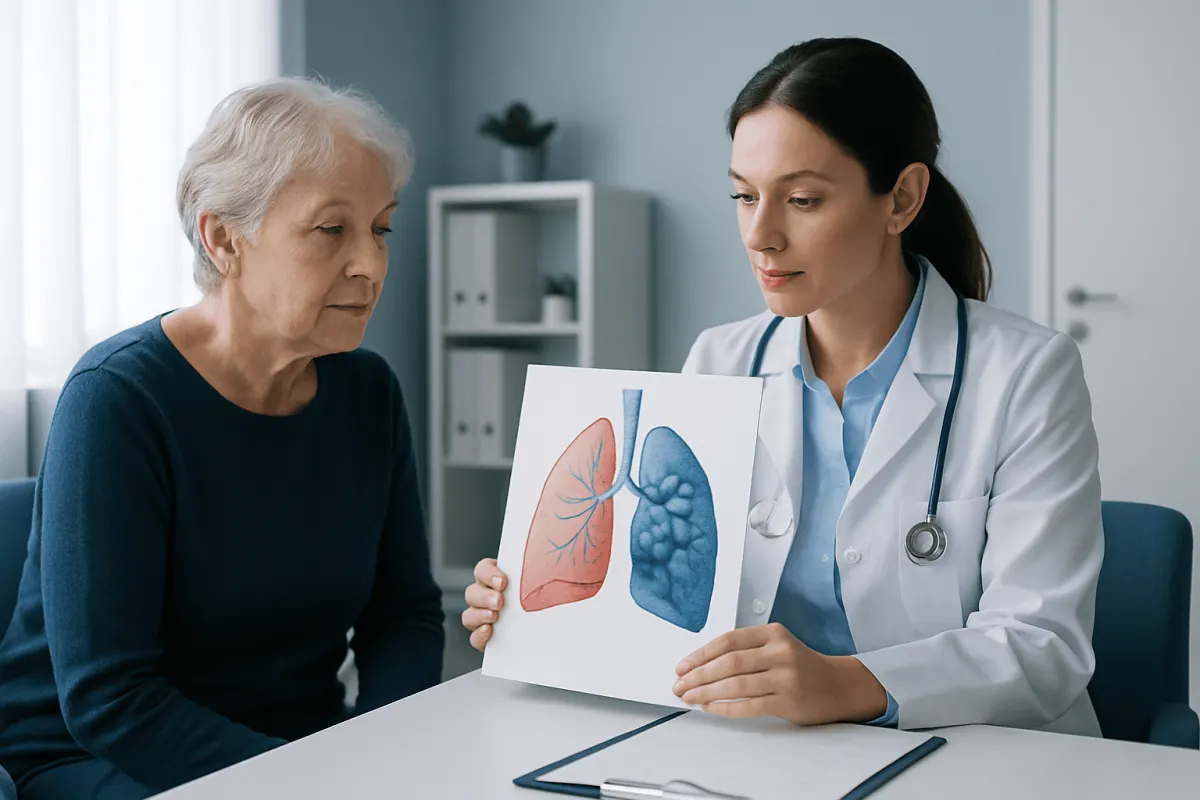
Emphysema affects the tiny air sacs, known as alveoli, where oxygen passes into the bloodstream and carbon dioxide is removed. In emphysema, the walls between alveoli are damaged. This reduces the total surface area available for gas exchange and makes the lungs less elastic.
As lung elasticity decreases, small airways are more likely to collapse during exhalation. Air can become trapped in the lungs, leading to overinflation. A person may feel unable to fully breathe out, especially during exercise, when breathing needs increase. Breathlessness is often the most prominent symptom, while cough and sputum may be less noticeable than in airway-predominant chronic bronchitis.
Emphysema can be seen on imaging studies such as chest computed tomography, although imaging is not required to diagnose every person with COPD. In some cases, imaging helps doctors understand the distribution of lung damage, investigate other causes of symptoms, or consider whether selected advanced treatments may be appropriate.
Related Terms and How COPD Is Classified Today
The terms chronic bronchitis and emphysema remain useful for describing patterns of lung damage, but modern COPD care does not rely on these labels alone. Most people have overlapping features, and treatment is tailored to the individual. A person’s symptoms, inhaler technique, activity level, medical conditions, smoking status, and history of exacerbations all influence the care plan.
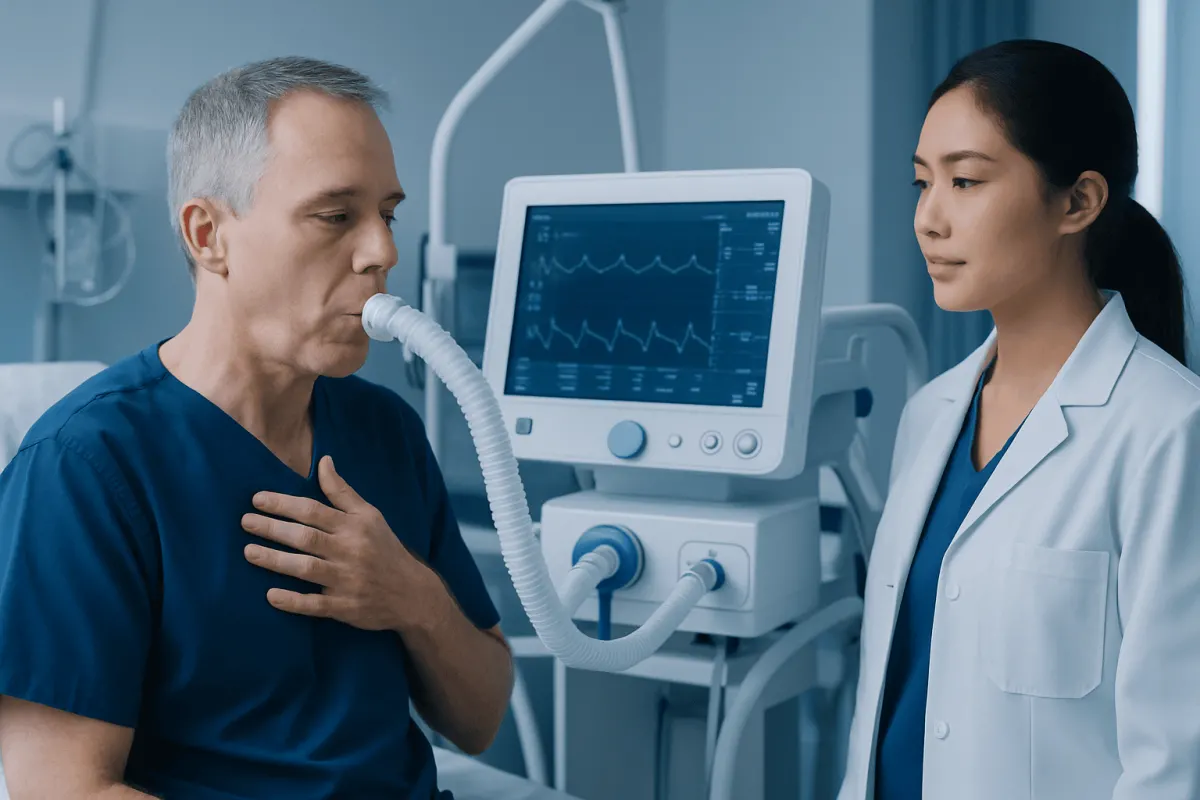
Spirometry is used to measure how much air a person can forcefully breathe out and how quickly they can do so. After using a bronchodilator medicine, a persistently reduced ratio of forced expiratory volume in one second to forced vital capacity supports a diagnosis of COPD. Spirometry also helps grade airflow limitation, though lung-function numbers do not always match how breathless a person feels.
Doctors may also use symptom questionnaires and flare-up history to group COPD by its current impact and future risk. Asthma and COPD can coexist in some people, but asthma is not simply a type of COPD. Asthma often has more variable airflow limitation and may respond differently to treatment. Bronchiectasis, pulmonary fibrosis, heart failure, and other conditions can also cause chronic respiratory symptoms, which is why an accurate diagnosis matters.
Symptoms, Causes, and Risk Factors
Common COPD symptoms include ongoing cough, sputum production, wheezing, chest tightness, reduced exercise tolerance, and shortness of breath. Symptoms may begin gradually and be mistaken for normal aging or lack of fitness. Some people first seek care after a chest infection causes a marked worsening of breathing.
Tobacco smoking is the leading preventable cause of COPD. Risk can also rise with long-term exposure to secondhand smoke, occupational dust, chemical fumes, poorly ventilated cooking or heating smoke, and air pollution. Repeated respiratory infections in childhood, impaired lung growth, and a family history of lung disease may contribute to risk in some individuals.
Alpha-1 antitrypsin deficiency is a genetic condition that reduces protection against lung tissue damage. It may be considered when emphysema occurs at a younger age, affects lower areas of the lungs, develops in a person with little smoking exposure, or occurs in several family members. Testing may be recommended by a respiratory specialist in these situations.
- Symptoms often worsen gradually, but exacerbations can cause a sudden change over hours or days.
- Exposure reduction remains important even after COPD has been diagnosed.
- Anxiety, low mood, sleep problems, weight changes, and heart disease can affect COPD symptoms and deserve attention during care.
Diagnosis and Treatment Options
A clinician will ask about symptoms, smoking and occupational history, infections, medication use, and other medical conditions. The evaluation usually includes a physical examination and spirometry. Depending on the situation, chest imaging, oxygen measurements, blood tests, exercise testing, or alpha-1 antitrypsin testing may also be used. These tests can help rule out other causes of breathlessness and guide treatment.
There is no single treatment that reverses all established lung damage, but COPD is manageable. Inhaled bronchodilators relax airway muscles and can reduce breathlessness. Some people may need one long-acting inhaler, while others benefit from a combination of medicines. Inhaled corticosteroids may be considered for selected people, particularly those with repeated exacerbations or asthma features, but they are not suitable for everyone.
Pulmonary rehabilitation is a structured program that combines supervised exercise, breathing strategies, education, and self-management support. It can improve exercise capacity and quality of life. Vaccinations recommended by a clinician, including influenza and pneumococcal vaccination where appropriate, can help reduce the risk of serious respiratory infections. Oxygen therapy may benefit selected people with persistently low blood oxygen levels, following specialist assessment.
For carefully selected people with severe emphysema, specialists may discuss advanced options such as lung volume reduction approaches, endobronchial procedures, or transplantation evaluation. Acıbadem Health Point’s multidisciplinary specialists and JCI-accredited hospitals support diagnosis and treatment planning for international patients with COPD.
Prevention and Everyday Self-Care
Stopping smoking is the most important action for slowing further COPD progression. It is beneficial at any stage of disease. Nicotine replacement, prescription medicines, behavioral counseling, and structured smoking-cessation services can improve the likelihood of quitting successfully. People who do not smoke can still lower risk by limiting exposure to secondhand smoke and other lung irritants.
Regular, appropriate physical activity helps maintain strength and endurance. A healthcare professional or pulmonary rehabilitation team can suggest a safe plan based on symptoms and other health conditions. Learning paced breathing techniques, such as breathing out slowly through pursed lips, may help some people manage shortness of breath during activity.
Correct inhaler use is essential because different devices require different techniques. It is helpful to ask a doctor, nurse, or pharmacist to demonstrate the device and review technique regularly. People with COPD should also follow their personalized action plan, take medicines as prescribed, maintain good hydration and nutrition, and seek advice early if symptoms begin to worsen.
When to Seek Medical Care
A medical appointment is appropriate for a cough lasting more than several weeks, regular mucus production, wheezing, or breathlessness that limits walking, climbing stairs, work, or usual activities. Early assessment can identify COPD and other treatable causes of respiratory symptoms. People with known COPD should contact their healthcare team if they are needing rescue inhalers more often or notice a sustained change in cough, mucus, fever, or breathing.
Urgent medical care is needed for severe or rapidly worsening breathlessness, inability to speak in full sentences because of breathing difficulty, chest pain, blue or gray lips or fingertips, new confusion, fainting, or marked drowsiness. These symptoms can indicate a serious respiratory or cardiac problem and should not be managed alone at home.
Regular follow-up allows treatment to be adjusted as needs change. A clinician can review lung function, exacerbation history, vaccinations, inhaler technique, smoking-cessation support, nutrition, and rehabilitation needs. This ongoing approach helps people with COPD remain as active and well as possible.
Frequently asked questions
01What are the two main types of COPD?
The two classic types of COPD are chronic bronchitis and emphysema. Chronic bronchitis mainly affects the airways and is often associated with cough and mucus, while emphysema mainly damages the air sacs and commonly causes breathlessness. Many people have features of both.
02Is chronic bronchitis always COPD?
No. A long-lasting productive cough can occur for several reasons, including smoking-related airway irritation, infections, or other lung conditions. COPD is confirmed when spirometry shows persistent airflow obstruction after bronchodilator use.
03Can COPD occur in someone who has never smoked?
Yes. COPD can be associated with long-term exposure to biomass smoke, air pollution, workplace dust or fumes, and secondhand smoke. A genetic condition called alpha-1 antitrypsin deficiency can also increase the risk of emphysema.
04What is the difference between COPD and asthma?
COPD usually involves persistent airflow limitation that is not fully reversible, while asthma often has symptoms and airway narrowing that vary over time. The conditions can occur together in some people, so a clinician should assess each person individually.
05Can emphysema be reversed?
Established emphysema-related destruction of air sacs cannot usually be reversed. However, stopping smoking, avoiding irritants, using appropriate treatment, exercising safely, and attending pulmonary rehabilitation can help preserve lung function and improve symptoms.
06How is COPD severity determined?
Severity is assessed using more than one measure. Spirometry helps quantify airflow limitation, while symptom burden, activity restriction, oxygen levels, imaging findings when needed, and the number of recent exacerbations also guide treatment decisions.
This article is for general information only and is not a substitute for professional medical advice. Please consult a qualified doctor about your individual situation.
Explore treatments in Turkey — costs, top hospitals & a free quote
JCI-accredited · board-certified surgeons · reply within 24h
Add us as a Preferred Source to see more of our trusted health content across Google Search, AI Overviews and Discover.