Twitching in the Eyebrow: What You Need to Know

Key Takeaways
- Twitching in the eyebrow is most often a temporary muscle spasm and not a sign of a serious condition.
- Common triggers include stress, poor sleep, caffeine, eye strain, and dry eyes.
- Twitching that lasts for weeks, spreads to other parts of the face, or comes with other symptoms should be evaluated by a doctor.
- Simple self-care steps such as rest, reducing stimulants, and protecting the eyes may help.
- A doctor may recommend an eye exam or further tests if the twitching is frequent, severe, or unusual.
Twitching in the eyebrow is usually a brief, harmless muscle spasm that often settles on its own. It can be linked to stress, fatigue, caffeine, dry eyes, or irritation around the eye, but persistent or spreading twitching deserves medical review.
Overview
Twitching in the eyebrow is usually a small, involuntary contraction of the muscles around the eye and brow. Many people notice it as a quick flutter, a pulsing sensation, or repeated movements that come and go without warning. In most cases, it is temporary and improves once the trigger is addressed.
Although the symptom can feel distracting, eyebrow twitching is often related to everyday factors such as stress, sleep loss, caffeine, or eye irritation. It is less commonly linked to an underlying neurological or eye condition, which is why the pattern, duration, and any accompanying symptoms matter.
For people traveling for care, it helps to think of eyebrow twitching as a symptom rather than a diagnosis. A doctor will usually try to identify what is driving the muscle irritation, then decide whether simple lifestyle changes, an eye-focused evaluation, or broader medical workup is the best next step.
Symptoms
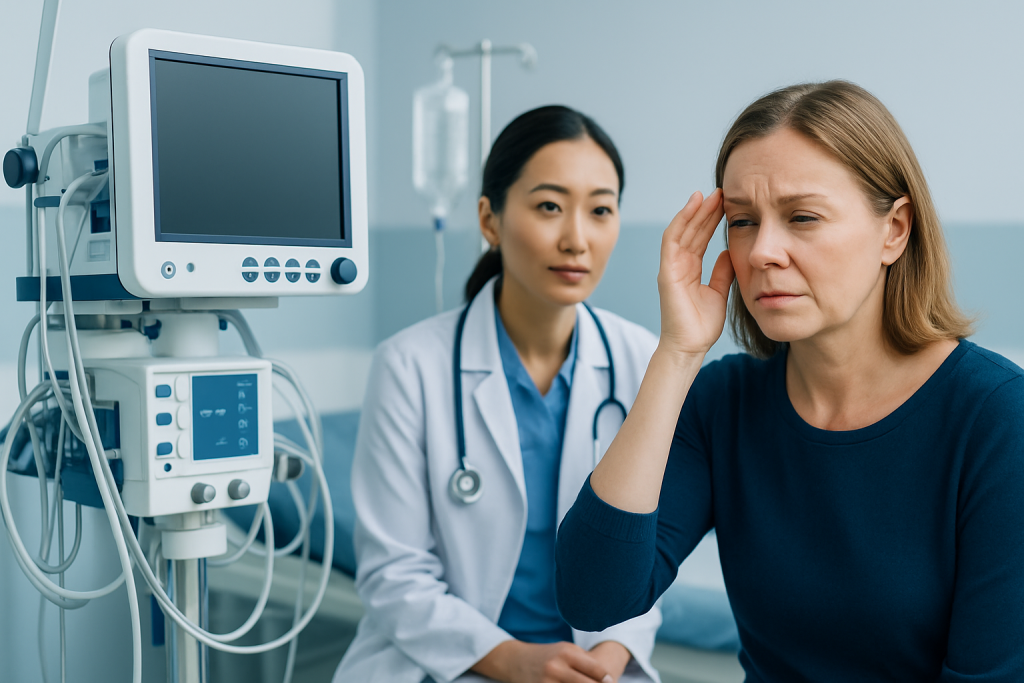
Eyebrow twitching can feel mild or noticeable depending on how often it happens and how long it lasts. Some people experience brief episodes only a few times a day, while others notice repeated spasms that become more apparent during reading, screen use, or periods of fatigue.
Common features may include:
- Small, repeated movements above the eye or in the eyebrow area
- A fluttering or pulsing sensation
- Twitching that worsens with tiredness or stress
- Temporary eye discomfort, dryness, or irritation
It is important to distinguish eyebrow twitching from more widespread facial movement, drooping, double vision, eye pain, or weakness. Those additional symptoms may point to a different issue and deserve medical assessment rather than observation alone.
Causes & Risk Factors

The most common reasons for twitching in the eyebrow are not dangerous. Stress can increase muscle tension and make small spasms more noticeable. Sleep deprivation may do the same, especially when the body is already under strain from travel, jet lag, or a busy work schedule.
Other frequent triggers include too much caffeine, long periods of screen time, eye strain, and dry eyes. Contact lens irritation, allergies, and exposure to wind or air conditioning can also contribute by making the eye area feel more sensitive.
Less commonly, eyebrow twitching may be associated with conditions such as blepharospasm, hemifacial spasm, nerve irritation, or electrolyte imbalance. A doctor may also consider medication side effects or an eye surface problem if the twitching does not settle or if it appears alongside other symptoms.
Diagnosis
Diagnosis usually begins with a conversation about when the twitching started, how often it happens, and whether anything makes it better or worse. A doctor will also ask about sleep, stress, caffeine use, recent illnesses, medications, and any eye symptoms such as dryness, redness, or blurred vision.
An eye examination may be enough when the twitching appears mild and isolated. If the symptoms are persistent, one-sided, or accompanied by facial changes, the clinician may look more closely at the eyelids, facial muscles, and nerves. In some cases, blood tests or neurological evaluation may be suggested to rule out less common causes.
International patients often benefit from bringing a written symptom timeline, a medication list, and any previous eye or neurological reports. Clear documentation can make it easier for the treating team to determine whether the twitching is benign or needs further investigation.
Treatment Options
Treatment depends on the cause. When eyebrow twitching is linked to fatigue, stress, or excess caffeine, the symptoms may improve without medication after the trigger is reduced. For dry eyes or irritation, a doctor may suggest eye drops, better eyelid hygiene, or changes that reduce surface strain.
If the twitching is part of a more specific condition, treatment may be different. For example, persistent spasm disorders may require specialist care, and some patients may need targeted treatments from an eye or neurological team. The goal is not simply to stop the twitching, but to address what is causing it.
It is best to avoid self-treating with leftover medication or home remedies that could irritate the eyes further. A qualified clinician can explain whether the symptom is likely to resolve on its own or whether a more structured plan is appropriate.
Prevention & Self-care
Many people can reduce eyebrow twitching by making a few practical changes. Restoring sleep, lowering caffeine intake, and taking regular breaks from screens may help calm the muscles around the eyes. Managing stress through daily routine, gentle exercise, or relaxation techniques can also be useful.
Eye comfort matters too. Staying hydrated, using doctor-recommended lubricating drops when needed, and protecting the eyes from dust, smoke, and strong airflow may reduce irritation. If contact lenses seem to worsen the twitching, it is sensible to ask an eye doctor whether the fit or wearing schedule should be reviewed.
Helpful habits may include:
- Prioritizing sleep and consistent rest
- Reducing caffeine and energy drinks
- Taking screen breaks and blinking more often
- Managing dry eye symptoms with professional guidance
- Noting whether stress, travel, or certain activities trigger episodes
When to See a Doctor
Medical advice is a good idea if eyebrow twitching lasts for more than a few weeks, becomes more frequent, or starts affecting daily comfort. An evaluation is also important if the twitching spreads to the eyelid, cheek, or other parts of the face, since that can suggest a different pattern than a simple local spasm.
Prompt assessment is especially important when twitching comes with drooping, weakness, numbness, facial asymmetry, eye pain, vision changes, headache, or difficulty closing the eye. Those symptoms do not automatically mean something serious, but they should not be ignored.
For people arranging care from abroad, a coordinated ophthalmology or neurology review can help clarify the cause and guide next steps efficiently. At Acibadem Health Point, multidisciplinary specialists and JCI-accredited hospitals diagnose and treat this condition for international patients, with care plans tailored to the individual’s symptoms and medical history.
Living With Eyebrow Twitching During Travel or Recovery
When twitching appears during travel, it can be amplified by sleep disruption, dehydration, and hours of focused reading or device use. A simple record of when the symptom occurs, how long it lasts, and what the person was doing beforehand can be useful during a consultation, especially if the visit happens in another country.
After an appointment, recovery usually means following the cause-specific advice rather than waiting for a single dramatic change. If the issue is linked to dryness or strain, improvement may be gradual as the eye surface settles and daily habits change. If specialist treatment is needed, follow-up helps confirm that the twitching is improving as expected.
Many people feel reassured once they understand that twitching in the eyebrow is commonly benign and manageable. The key is to pay attention to pattern changes, not to panic over the symptom itself.
Frequently asked questions
01Is twitching in the eyebrow usually serious?
Most of the time, it is not serious and settles on its own. It is commonly related to stress, fatigue, caffeine, or eye irritation. If it persists or comes with other symptoms, it should be checked by a doctor.
02What is the difference between eyebrow twitching and eyelid twitching?
They can feel similar and often happen in nearby muscles. Eyebrow twitching is felt higher on the face, while eyelid twitching affects the lid itself. Both are often harmless, but persistent or spreading twitching should be evaluated.
03Can stress really cause eyebrow twitching?
Many people notice improvement when they rest more and reduce stressors.
04Does caffeine make eyebrow twitching worse?
It can for some people. Caffeine may make small muscle twitches more noticeable, especially when combined with poor sleep or dehydration. Reducing caffeine for a short period may help see whether it is a trigger.
05When should eyebrow twitching be checked by a doctor?
It should be checked if it lasts for weeks, becomes frequent, or spreads to other facial muscles. It also deserves prompt attention if there is facial drooping, weakness, numbness, eye pain, or vision changes.
06Can dry eyes cause twitching in the eyebrow area?
Yes, eye surface irritation can contribute to twitching around the eye and brow. Treating dryness and reducing strain often helps, but an eye doctor should guide care if symptoms keep returning.
This article is for general information only and is not a substitute for professional medical advice. Please consult a qualified doctor about your individual situation.
Explore treatments in Turkey — costs, top hospitals & a free quote
JCI-accredited · board-certified surgeons · reply within 24h
Add us as a Preferred Source to see more of our trusted health content across Google Search, AI Overviews and Discover.