Tumor on Kidney: Diagnosis, Outlook, and Treatment
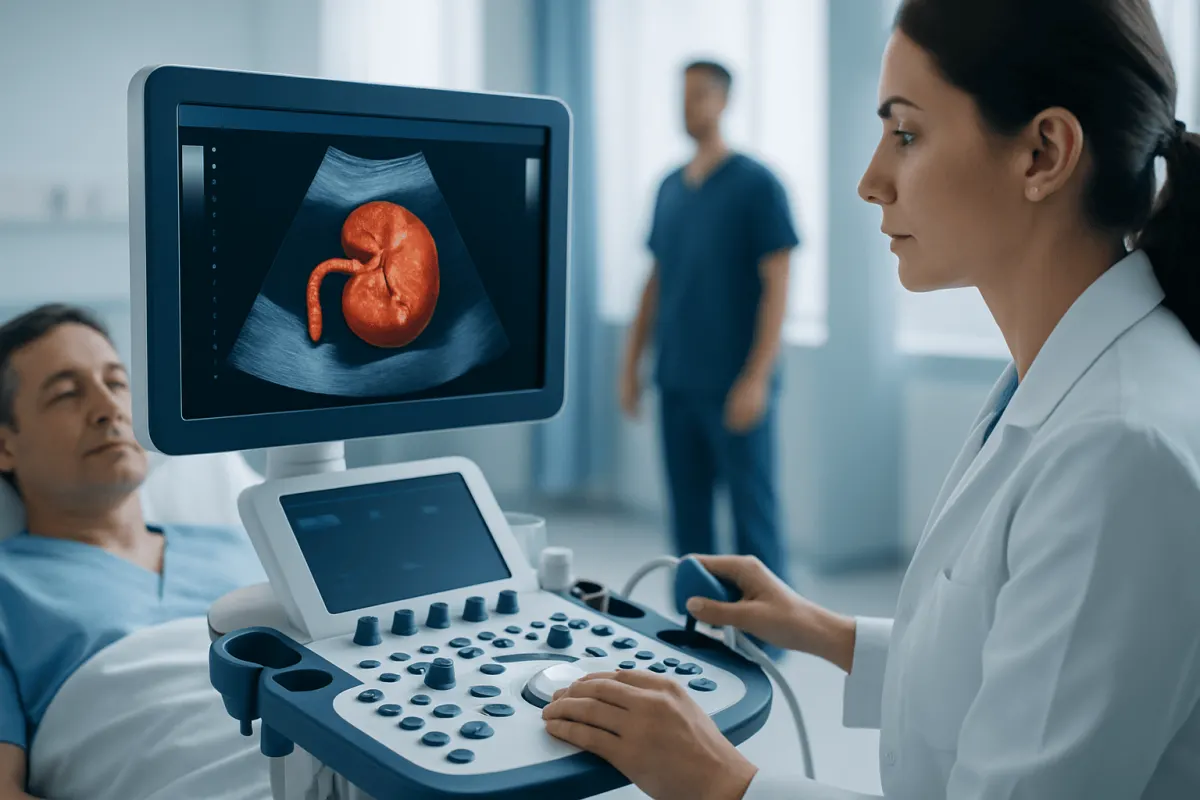
A tumor on kidney, also called a renal mass, is an abnormal growth found within or on the kidney. Many are discovered incidentally during imaging, and careful assessment helps determine whether monitoring, surgery, ablation, or cancer treatment is most appropriate.
Tumor on Kidney: An Overview
A tumor on kidney is a growth of abnormal cells in the kidney. Doctors often use the term renal mass until imaging and, when needed, tissue testing clarify exactly what the growth is. A renal mass may be a harmless cyst, a benign solid tumor, a cancerous tumor, or less commonly a spread from another cancer.
Kidney tumors are increasingly found by chance during ultrasound, CT, or MRI scans ordered for back pain, digestive symptoms, injury, or another health concern. An unexpected finding does not automatically mean cancer. The next step is usually a structured evaluation to identify the nature of the mass and decide whether it needs observation or treatment.
The most common kidney cancer in adults is renal cell carcinoma. It has several subtypes, which can behave differently. This article focuses on adult renal masses; kidney tumors in children have different patterns and are assessed by specialist pediatric teams.
What are the symptoms of a kidney tumor?
Many kidney tumors, particularly small ones, do not cause symptoms. This is why they are often detected incidentally on imaging. Symptoms are more likely when a tumor becomes larger, affects nearby structures, bleeds, or changes kidney function.
Possible symptoms include blood in the urine, pain or a persistent ache in the side or lower back, and a noticeable lump in the side or abdomen. Blood in the urine may be visible, turning urine pink, red, or cola-colored, or it may only be found during a laboratory urine test.
Some people may also experience unexplained tiredness, fever without an obvious infection, reduced appetite, unintentional weight loss, or anemia. These symptoms can occur with many conditions and do not by themselves confirm a kidney tumor. Urinary stones, infections, and other urinary tract conditions can cause similar symptoms, so medical assessment is important.
- Visible or recurrent blood in the urine should be assessed promptly.
- New, persistent flank pain deserves medical review, especially when combined with urinary changes.
- Severe pain, fever, inability to pass urine, or heavy bleeding requires urgent medical attention.
What percentage of renal masses are cancerous?

The chance that a renal mass is cancerous depends strongly on its appearance and size. Solid enhancing masses on CT or MRI are more concerning for kidney cancer than simple fluid-filled cysts. In general, smaller renal masses have a higher likelihood of being benign or slow-growing than larger masses, although cancer can occur at any size.
For small renal masses, commonly defined as 4 cm or less, studies suggest that roughly one in five may be benign after surgical removal, meaning most are cancerous but not all. The proportion varies between patient groups and depends on the imaging features used to select people for treatment. Some cancerous small tumors are low grade and may grow slowly.
Simple kidney cysts with typical imaging features are very common and are not cancerous. More complex cysts are categorized according to their imaging appearance and may need surveillance, specialist review, or treatment. A urologist or radiologist can explain what the scan findings mean for an individual person rather than relying on a general percentage.
Causes and Risk Factors for Kidney Tumors
In most cases, there is no single identifiable cause of a kidney tumor. Cancer develops when changes accumulate in cells and allow them to grow outside normal control. Certain inherited conditions can increase the risk of kidney tumors, but these account for a minority of cases.
Factors associated with a higher risk of kidney cancer include smoking, excess body weight, long-term high blood pressure, chronic kidney disease, and some occupational or environmental exposures. A family history of kidney cancer, multiple tumors, tumors affecting both kidneys, or diagnosis at a younger age may lead doctors to consider genetic counseling and testing.
Risk factors do not mean a person will develop cancer, and people without known risk factors can still be diagnosed. Stopping smoking, managing blood pressure, maintaining a healthy weight where possible, and attending recommended medical reviews can support kidney and overall health.
How is a tumor on kidney diagnosed?
Evaluation usually begins with a review of symptoms, medical history, family history, medicines, and a physical examination. Blood tests can assess kidney function and blood cell levels, while urine tests can identify blood, infection, or other abnormalities. These tests support assessment but cannot diagnose or exclude a kidney tumor on their own.
Contrast-enhanced CT scanning is commonly used to characterize a renal mass and check whether there is evidence of spread beyond the kidney. MRI may be preferred when more detail is needed, when CT contrast is unsuitable, or when a person has reduced kidney function. Ultrasound can identify many masses and cysts but may not fully characterize every lesion.
A kidney tumor biopsy uses a needle to obtain a small tissue sample, usually guided by imaging. It is not necessary for every renal mass, but it can be helpful when results would change the treatment plan, such as before ablation, before medicines for advanced cancer, or when active surveillance is being considered. Imaging may also include chest scans or other tests if cancer staging is required.
How quickly does kidney cancer progress?
Kidney cancer does not progress at the same speed in every person. Some small renal cancers grow slowly over years, while others can grow more quickly or have a greater tendency to spread. Tumor size, imaging appearance, biopsy findings, cancer subtype and grade, and whether there is spread beyond the kidney all help clinicians estimate risk.
For carefully selected patients with small renal masses, active surveillance can be a safe initial approach. This involves scheduled imaging to monitor for growth or concerning changes rather than immediate treatment. Surveillance is particularly considered for older adults, people with significant medical conditions, those with limited kidney reserve, or people with very small masses.
It is not possible to predict the pace of an individual tumor from symptoms alone. A planned follow-up schedule is important because it allows doctors to identify changes early and reconsider treatment if needed. A diagnosis of kidney cancer should be discussed with a urology and oncology team without unnecessary delay, while recognizing that there is often time to review options thoughtfully.
Modern Treatment Options and Outlook
Treatment is tailored to the tumor and the person. For a small, localized tumor, the preferred option may be partial nephrectomy, which removes the tumor while preserving as much healthy kidney tissue as possible. This can be performed with open, laparoscopic, or robot-assisted techniques depending on the clinical situation and available expertise.
When a tumor is large, centrally located, or cannot be safely removed while preserving the kidney, radical nephrectomy may be recommended. This operation removes the affected kidney and sometimes nearby tissue. Many people can live well with one functioning kidney, but kidney function is assessed before and after treatment.
Thermal ablation, such as cryoablation or radiofrequency ablation, can destroy selected small tumors without removing the whole kidney. For disease that has spread, treatment may include immunotherapy, targeted medicines, surgery in selected circumstances, radiation for symptom control, or a combination of approaches. Kidney cancer care is ideally planned by a multidisciplinary team that includes urologists, medical oncologists, radiologists, pathologists, and nephrology specialists when needed.
Outlook is generally more favorable when a tumor is confined to the kidney and can be fully treated. Follow-up after treatment commonly includes imaging, kidney function testing, and review for recurrence according to the tumor stage and treatment received. Acıbadem Health Point’s multidisciplinary specialists and JCI-accredited hospitals diagnose and treat kidney tumors for international patients.
What not to eat with kidney cancer?
There is no single food that causes kidney cancer to worsen, and restrictive “cancer diets” are not routinely recommended. During diagnosis and treatment, the main aim is usually to maintain enough calories, protein, fluids, and nutrients to support strength, recovery, and quality of life.
It is sensible to limit highly processed foods, excessive alcohol, and foods high in salt, particularly for people with high blood pressure, swelling, or reduced kidney function. Smoking cessation is also important. A balanced pattern that includes vegetables, fruit, whole grains, protein foods, and healthy fats is often appropriate, but individual needs can differ.
People with chronic kidney disease, one kidney, high potassium levels, diabetes, or treatment-related side effects may need personalized guidance on protein, potassium, phosphorus, salt, or fluid intake. Supplements and herbal products should be discussed with the treating team because some can interact with cancer medicines or affect kidney function. A registered dietitian can provide a practical plan based on blood tests, treatment, appetite, and cultural food preferences.
When to seek medical care
A person should arrange medical assessment for visible blood in the urine, persistent pain in the side or back, a new abdominal lump, repeated urinary symptoms, unexplained weight loss, or ongoing fatigue without a clear cause. These symptoms are not always caused by a kidney tumor, but they should not be ignored.
Urgent care is appropriate for heavy bleeding in the urine, severe or worsening pain, fever with urinary symptoms, fainting, inability to urinate, or signs of serious illness. People who have already been told they have a renal mass should contact their clinical team if new symptoms develop or if they have concerns while waiting for tests.
A clear diagnosis and individualized plan can reduce uncertainty. Questions about the size and type of the mass, whether a biopsy is useful, how kidney function will be protected, and what follow-up is needed can help people take an active role in decisions about care.
Frequently asked questions
01Is a tumor on kidney always cancer?
No. A kidney tumor may be a benign growth, a simple or complex cyst, or a cancerous tumor. Imaging characteristics, growth over time, and occasionally a biopsy help clinicians determine the most likely diagnosis.
02Can a kidney tumor be removed without removing the kidney?
Often, yes. Partial nephrectomy removes the tumor and preserves the remaining kidney when the tumor’s size and location make this safe. Ablation may also be an option for selected small tumors.
03Do all renal masses need a biopsy?
No. In some cases, CT or MRI findings and the planned treatment provide enough information without a biopsy. A biopsy may be recommended when the result could change whether a mass is monitored, ablated, treated with medicines, or removed.
04Can a small kidney tumor be monitored instead of treated immediately?
Active surveillance may be appropriate for selected small renal masses, especially when surgery carries higher risks or the tumor appears unlikely to cause harm in the short term. It requires regular scans and specialist follow-up, not simply leaving the tumor unchecked.
05Does having one kidney affect daily life?
Many people live normal, active lives with one healthy functioning kidney. Doctors usually monitor blood pressure, kidney function, and urine protein, and may advise avoiding dehydration and unnecessary use of medicines that can stress the kidneys.
06What specialist treats a kidney tumor?
A urologist typically leads assessment and surgical treatment of kidney tumors. If cancer is confirmed or suspected, medical oncologists, radiologists, pathologists, nephrologists, and other specialists may contribute to a multidisciplinary treatment plan.
This article is for general information only and is not a substitute for professional medical advice. Please consult a qualified doctor about your individual situation.
Medical weight-loss options in Turkey — costs & eligibility
JCI-accredited · board-certified surgeons · reply within 24h
Add us as a Preferred Source to see more of our trusted health content across Google Search, AI Overviews and Discover.