Trismus: Symptoms, Causes and Treatment

Key Takeaways
- Trismus is a symptom, not a disease by itself, and it can signal problems in the jaw, teeth, muscles, or nearby tissues.
- Pain, chewing difficulty, and trouble opening the mouth wide are common signs.
- Dental infections, wisdom tooth procedures, trauma, temporomandibular joint issues, and radiation therapy are possible causes.
- Diagnosis usually starts with a clinical examination and may include imaging or dental evaluation.
- Treatment depends on the cause and may involve medication, jaw exercises, dental care, or physical therapy.
- Early medical review is important if trismus appears suddenly, worsens, or interferes with eating, speaking, or breathing.
Trismus disease refers to restricted opening of the mouth, often caused by irritation, muscle spasm, dental problems, injury, or conditions affecting the jaw joint and nearby tissues. With timely evaluation, most people can improve jaw movement and reduce discomfort using the right mix of treatment and self-care.
Overview
Trismus is the medical term for reduced ability to open the mouth fully. Many people describe it as a “locked jaw,” but the condition is broader than a single diagnosis. It can happen when the jaw muscles tighten, when the jaw joint is irritated, or when inflammation around the teeth, mouth, or face makes movement painful and limited.
For some people, trismus appears after a dental procedure and settles gradually. For others, it develops because of infection, trauma, temporomandibular joint problems, or treatments such as head and neck radiation. The key point is that trismus usually has an underlying cause that can often be identified and treated.
Because eating, speaking, oral hygiene, and even routine dental care may become difficult, trismus can affect daily life in very practical ways. A careful evaluation helps determine whether the issue is temporary muscle spasm, a dental problem, or a more complex condition that needs structured treatment.
Symptoms
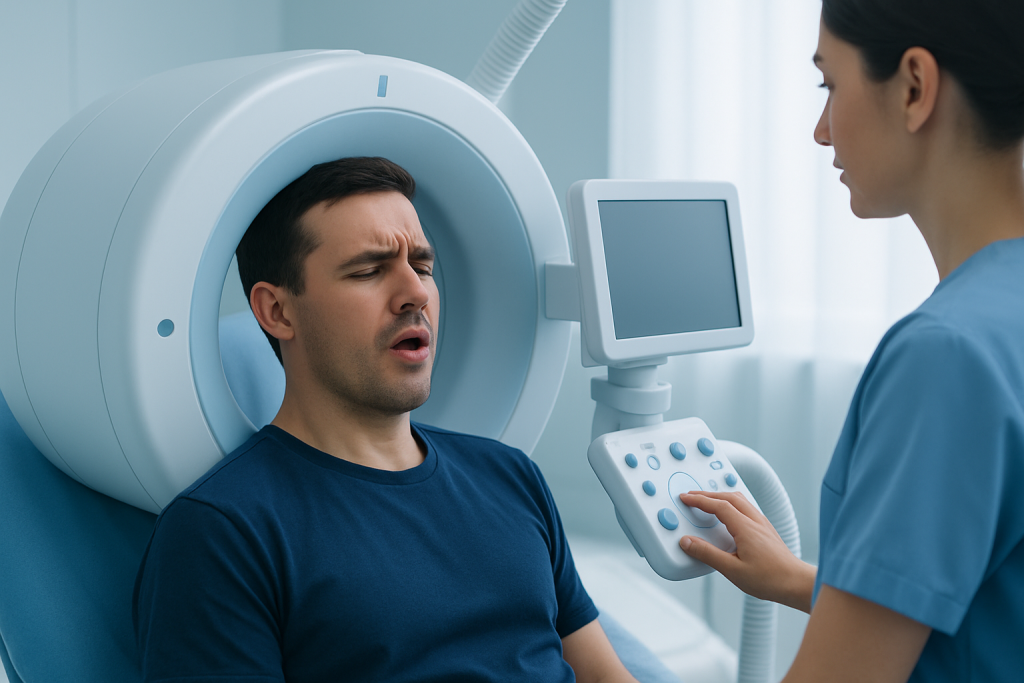
The most noticeable sign is limited mouth opening. A person may find it hard to bite into food, yawn comfortably, or open wide enough for a toothbrush, spoon, or dental instrument. Some people first notice the problem when they cannot fully insert a thumb between the upper and lower front teeth.
Trismus may also cause pain or tightness in the jaw, cheeks, temples, or around the ear. Chewing can feel tiring or uneven, and speech may become less clear if the mouth cannot open normally. In more severe cases, the limitation can make swallowing certain foods uncomfortable.
Depending on the cause, other symptoms may appear alongside jaw stiffness:
- Facial swelling or tenderness
- Tooth pain or gum inflammation
- Clicking, popping, or locking in the jaw joint
- Fever or signs of infection
- Headache or ear discomfort
Symptoms may come on quickly after an injury or dental procedure, or they may develop gradually over days to weeks. The pattern can offer useful clues, but it is not enough on its own to identify the cause.
Causes & Risk Factors

Trismus develops when something interferes with normal jaw movement. One common pathway is muscle spasm, where the muscles used for chewing become tight and painful. Another is inflammation or swelling in nearby tissues that physically limits the jaw’s range of motion.
Dental and oral causes are frequent. An infected tooth, an impacted wisdom tooth, an abscess, or irritation after dental surgery can all trigger jaw stiffness. Trauma to the face or jaw may also cause temporary or longer-lasting limitation, especially if the joint or surrounding muscles are affected.
Other possible causes include:
- Temporomandibular joint disorders
- Tetanus, a rare but serious cause of muscle stiffness
- Radiation therapy to the head or neck, which may lead to tissue tightening over time
- Connective tissue or inflammatory conditions
- Scarring or fibrosis after surgery or injury
Risk is higher in people who have recently had dental extractions, oral surgery, facial trauma, untreated dental infection, or prior head and neck cancer treatment. Long-term mouth opening problems are more likely when jaw stiffness is not addressed early.
Diagnosis
Diagnosis begins with a discussion of when the problem started, whether it followed dental work or injury, and whether there is pain, swelling, fever, or difficulty swallowing. A clinician will usually measure how wide the mouth can open and examine the teeth, gums, jaw muscles, and jaw joint.
If the cause is not obvious, further testing may be needed. Dental X-rays, panoramic imaging, CT, or MRI can help identify infection, joint problems, fractures, or tissue changes. In some cases, blood tests or a specialist examination may be appropriate, especially when infection or systemic disease is suspected.
For international patients, diagnosis is often most efficient when dental and medical teams coordinate the evaluation from the start. This is especially helpful when a person is trying to decide whether to travel for care, because the likely cause of the jaw restriction should be clarified before treatment plans are finalized.
Treatment Options
Treatment is guided by the underlying cause. If a dental infection is responsible, treatment may include dental procedures and medicines prescribed by a clinician. If the problem follows surgery or occurs after muscle spasm, the focus may shift to pain control, gentle jaw exercises, and gradual stretching.
Common treatment approaches may include:
- Antibiotic or anti-inflammatory treatment when appropriate and prescribed by a doctor
- Warm compresses to ease muscle tightness
- Soft or modified foods while opening is limited
- Physiotherapy or guided jaw mobilization exercises
- Dental treatment for abscesses, impacted teeth, or bite-related issues
- Management of temporomandibular joint disorders
In some cases, a dental professional or oral and maxillofacial surgeon may recommend a structured rehabilitation plan to prevent the jaw from becoming stiffer over time. When radiation-related fibrosis is involved, treatment may be longer term and may require ongoing exercises and specialist support.
People should avoid forcing the jaw open aggressively on their own, especially if the cause is unknown. Gentle, professionally guided movement is usually safer than sudden stretching, which may worsen pain or inflammation.
Prevention & Self-care
Not every case of trismus can be prevented, but some steps can reduce the chance of persistent stiffness or help recovery go more smoothly. Good oral hygiene is important because dental infections are a common trigger. Routine dental care can also help identify problems before they become more painful or difficult to treat.
After dental procedures or minor jaw irritation, following the dentist’s aftercare instructions is useful. This may include eating softer foods for a short time, using recommended pain relief, and beginning jaw exercises at the right moment if advised. Consistency matters more than force; frequent, gentle movement tends to be more helpful than occasional intense stretching.
Practical self-care measures include:
- Choosing soft foods if chewing is uncomfortable
- Using warm compresses if recommended by a clinician
- Maintaining tooth brushing and flossing as comfortably as possible
- Avoiding very hard, chewy, or oversized bites
- Keeping follow-up appointments, especially after surgery or cancer treatment
For people traveling from another country, planning follow-up before departure is valuable. A clear home-exercise plan and a way to check progress with the treating team can make recovery more predictable once the person is back home.
When to See a Doctor
Medical evaluation is important if the mouth opening becomes noticeably limited, if the jaw stiffness lasts more than a short period, or if it is interfering with eating, drinking, speaking, or oral hygiene. Trismus that appears after trauma, dental extraction, or infection should not be ignored, especially if swelling or fever is present.
Urgent assessment is advisable if there is difficulty breathing, inability to swallow saliva, severe facial swelling, high fever, or rapidly worsening pain. These signs may point to a more serious infection or other condition that needs prompt attention.
People who have had head and neck radiation, major oral surgery, or recurrent jaw locking should also seek specialist review. A timely visit can help protect nutrition, comfort, and long-term jaw mobility.
Acibadem Health Point’s multidisciplinary specialists and JCI-accredited hospitals evaluate and treat trismus for international patients, with coordinated care that can include dental, surgical, and rehabilitation input when needed.
Living With Trismus During Recovery
Recovery can be frustrating because the jaw is used constantly for eating, speaking, and expression. A practical routine often helps: small, soft meals; gentle exercises at the times recommended by the care team; and regular check-ins if the mouth opening is not improving as expected.
It is also important to keep nutrition in mind. When chewing is difficult, people may need temporary changes in texture rather than simply eating less. A clinician or dietitian can suggest ways to maintain intake without straining the jaw.
Most importantly, improvement is usually measured over time. Even when progress is slow, gradual gains in mouth opening can make daily tasks easier and reduce the risk of long-term stiffness.
Frequently asked questions
01Is trismus the same as a locked jaw?
“Locked jaw” is a common way people describe trismus, but the term can be used more broadly for any marked reduction in mouth opening. The problem may come from muscle tightness, joint irritation, swelling, infection, or scarring. A clinician can help identify the specific cause.
02Can trismus go away on its own?
Sometimes it does, especially when it is related to temporary irritation after dental work or a short-lived muscle spasm. If the jaw remains tight, worsens, or affects eating and speaking, it should be evaluated. Persistent cases may need targeted treatment.
03Does trismus always mean an infection?
No. Infection is one possible cause, but not the only one. Trismus can also follow surgery, injury, temporomandibular joint problems, radiation therapy, or other inflammatory conditions.
04What foods are easier to eat with trismus?
Soft foods are usually easier because they require less chewing and wide mouth opening. Examples may include soups, yogurt, mashed vegetables, eggs, and smoothies, depending on what feels comfortable. If swallowing is difficult, a doctor should be consulted.
05Can exercises help with trismus?
Yes, gentle jaw exercises are often part of treatment when a clinician recommends them. They should be done carefully and consistently, because overly forceful stretching can irritate the jaw further. The exact plan depends on the cause.
06When is trismus an emergency?
It needs urgent medical attention if it comes with trouble breathing, difficulty swallowing saliva, major swelling, high fever, or rapidly increasing pain. These symptoms may indicate a serious infection or another condition that should be treated quickly.
This article is for general information only and is not a substitute for professional medical advice. Please consult a qualified doctor about your individual situation.
Joint and spine care in Turkey — expert assessment & treatment
JCI-accredited · board-certified surgeons · reply within 24h
Add us as a Preferred Source to see more of our trusted health content across Google Search, AI Overviews and Discover.