Tremor That Persists: Seek a Neuromodulation Second Opinion?
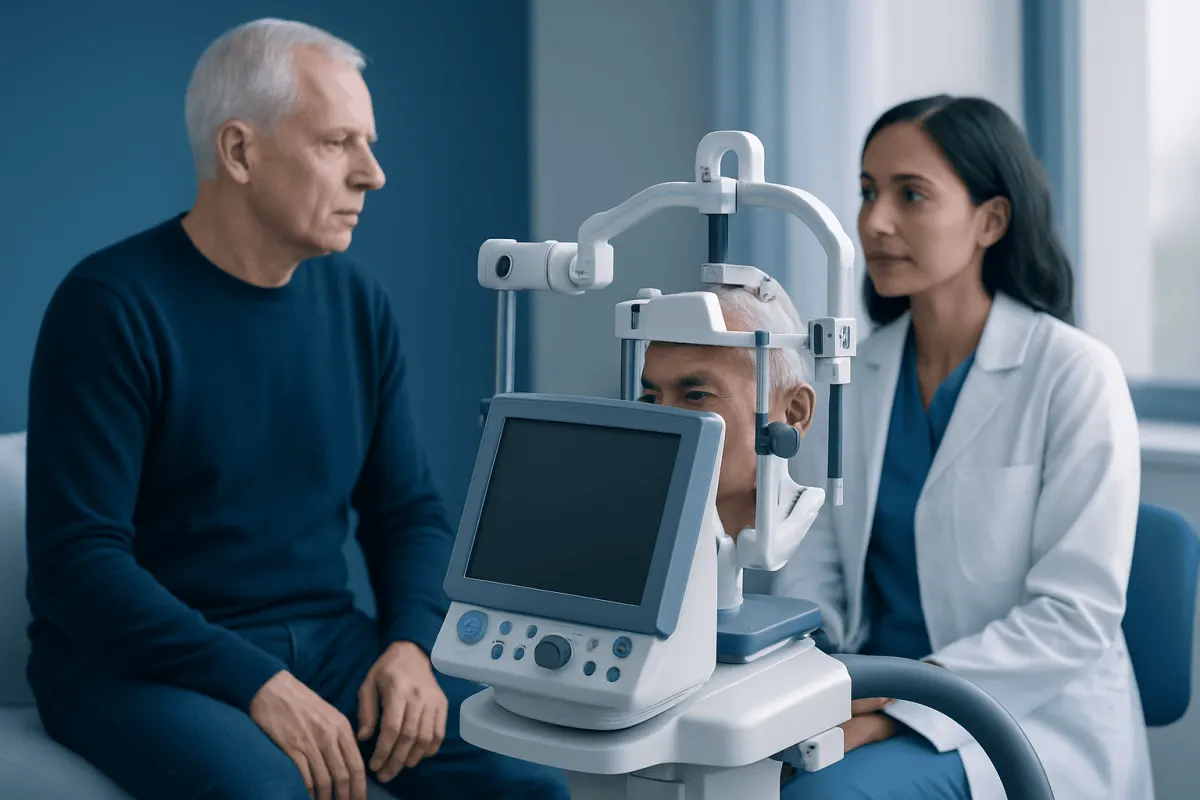
When tremor or stiffness continues despite treatment, a neuromodulation second opinion may help confirm the diagnosis, review medication options, and assess whether an advanced treatment is appropriate. The aim is not to replace routine care, but to provide a careful, individualized review by a movement-disorder team.
Overview: When a Second Opinion May Help
Tremor and stiffness can affect handwriting, eating, walking, work, sleep, and confidence in social situations. Some people improve with medication, therapy, or lifestyle adjustments. Others continue to have symptoms, develop side effects, or remain uncertain about the diagnosis. In these situations, a neuromodulation second opinion can be a practical way to review the full picture.
Neuromodulation refers to treatments that influence abnormal signaling in the nervous system. In Neurology Evaluation" class="ahp-ilk">movement disorders, this most often means deep brain stimulation (DBS), an implanted system that delivers carefully programmed electrical signals to selected brain areas. It may also include noninvasive focused ultrasound in selected situations, although suitability depends on the diagnosis, symptoms, anatomy, and local availability.
A second-opinion visit usually involves a detailed symptom history, neurological examination, review of prior scans and medication trials, and discussion of goals. The specialist may confirm that neuromodulation is reasonable, recommend further medical treatment first, or identify another explanation for the symptoms. This can help a person make decisions with clearer expectations.
Why Tremor or Stiffness May Not Improve
Tremor is not a diagnosis by itself. Essential tremor commonly causes shaking during actions such as holding a cup, writing, or reaching. Parkinsonian tremor is often more noticeable when the affected body part is resting and may occur with slowness, stiffness, reduced arm swing, or balance changes. Dystonia, medication side effects, thyroid problems, anxiety, alcohol withdrawal, and other neurological conditions may also contribute to tremor.
Stiffness can likewise have more than one cause. In Parkinson’s disease, rigidity is a characteristic symptom, but muscle and joint disorders, spasticity after a neurological injury, dystonia, pain-related guarding, and certain medicines may feel like stiffness. A movement-disorder specialist can distinguish these possibilities through examination and, when needed, targeted testing.
Symptoms may also persist because treatment has not yet been optimized. The dose, timing, and combination of medicines can matter, especially when benefits wear off or side effects limit treatment. Physical, occupational, and speech therapy may be important parts of care. A second opinion is valuable when the response to treatment does not match the expected pattern or when the diagnosis remains uncertain.
What Is the Newest Treatment for Essential Tremors?

There is no single newest treatment that is best for every person with essential tremor. First-line care may include medicines that reduce tremor for some people, alongside practical strategies such as adaptive utensils, weighted tools, occupational therapy, and management of known triggers. When tremor remains disabling despite appropriate medication trials, procedural treatments may be considered.
Modern options include DBS and magnetic resonance-guided focused ultrasound (MRgFUS). DBS involves placing thin electrodes in a targeted brain region, commonly the thalamus, and connecting them to a programmable pulse generator. The stimulation can be adjusted over time, which is a key advantage for symptoms that change. Deep brain stimulation has been used for many years and continues to benefit from advances in imaging, programming, and device technology.
MRgFUS uses focused ultrasound energy to create a small, precise treatment area without an incision. It is generally performed on one side of the brain to improve tremor on the opposite side of the body, although approaches and eligibility vary. Because it creates a permanent lesion, it is not adjustable or reversible in the way DBS is. A specialist team can explain which option, if any, fits a person’s symptom pattern, health status, and preferences.
How Effective Is Neuromodulation Therapy?
Neuromodulation therapy can substantially reduce selected symptoms for appropriately chosen patients, but its effectiveness depends on the condition being treated, the target area, the procedure, and individual factors. For essential tremor, DBS can improve action tremor that has not responded sufficiently to medication. For Parkinson’s disease, DBS may improve medication-responsive tremor, stiffness, slowness, and motor fluctuations in carefully selected patients.
It is important to understand what neuromodulation does and does not do. It is intended to manage symptoms and improve day-to-day function; it does not remove the underlying cause of essential tremor or stop the progression of Parkinson’s disease. It may not improve every symptom equally. For example, balance, speech, thinking changes, or tremor that does not respond to medication may require particularly careful assessment.
DBS results also rely on experienced follow-up. After implantation, clinicians gradually adjust stimulation settings and may revise medication plans. Potential risks include infection, bleeding, device-related problems, stimulation-related speech or balance effects, and risks associated with surgery. These risks are assessed individually. A multidisciplinary evaluation helps ensure that expected benefits are meaningful enough to justify the procedure.
Is Chocolate Bad for Essential Tremor?
Chocolate is not automatically bad for essential tremor, but it can worsen tremor in some people. Cocoa contains small to moderate amounts of caffeine and related stimulants, with the amount varying widely by product. Dark chocolate usually contains more cocoa solids than milk chocolate and may have a stronger effect for someone who is sensitive to stimulants.
Other common tremor triggers include coffee, tea, energy drinks, nicotine, poor sleep, stress, dehydration, and some over-the-counter or prescription medicines. Not everyone reacts in the same way. Keeping a brief symptom diary can help identify whether a particular food, drink, medication, or situation is linked with more noticeable shaking.
Rather than imposing strict dietary rules, it is usually more helpful to make measured changes. A person might reduce caffeinated chocolate or avoid it before an important task, then discuss persistent or changing symptoms with a clinician. Alcohol should not be used as a treatment for tremor, even if it seems to provide short-term improvement, because it can lead to rebound symptoms and other health risks.
Do Essential Tremors Ever Get Better?
Essential tremor can vary from day to day. It may be milder when a person is rested, less stressed, and avoiding individual triggers. Some people experience long periods with little change, while others notice gradual progression over years. Spontaneous, lasting disappearance of essential tremor is uncommon, but symptoms can become much more manageable with the right plan.
Improvement may come from treating contributing factors, adjusting medicines, using adaptive equipment, or addressing anxiety and sleep problems. For people with severe tremor that interferes with eating, drinking, writing, or work, DBS or focused ultrasound may provide meaningful symptom relief after Stroke Specialist Evaluation: What to Expect at Your First Vascular Neurology Visit" class="ahp-ilk">specialist evaluation. The goal is often improved independence and participation in daily activities rather than complete elimination of tremor.
A change in symptoms should not automatically be assumed to be essential tremor. New weakness, numbness, severe headache, sudden onset of shaking, confusion, or difficulty speaking needs urgent medical assessment. A gradual increase in tremor also merits review, particularly if it is accompanied by stiffness, slowed movement, changes in walking, or medication side effects.
What Happens During a Neuromodulation Second Opinion?
A neuromodulation second opinion begins with confirming the diagnosis and the main treatment goal. The team may ask when symptoms began, which body parts are affected, whether tremor occurs at rest or during action, how symptoms respond to medicines, and how they affect daily activities. Videos of symptoms at home can be useful, especially when tremor changes throughout the day.
Assessment may include a neurological examination, medication review, brain imaging review, and discussions with neurology, neurosurgery, neuropsychology, rehabilitation, and nursing professionals. Cognitive and mood assessment is sometimes part of the process because these factors can affect both procedural safety and recovery. Not every person needs every test, and testing is tailored to the clinical question.
The result may be a recommendation for optimized medication, rehabilitation, lifestyle measures, further diagnostic evaluation, DBS, focused ultrasound, or another approach. A second opinion should also cover practical matters, including expected follow-up, device programming, possible complications, and how treatment could affect work, travel, and home support. Acıbadem Health Point’s multidisciplinary specialists and JCI-accredited hospitals assess and treat movement disorders for international patients.
When to See a Doctor
A person should arrange a medical review when tremor or stiffness is new, worsening, affecting daily activities, or not improving with the current plan. It is especially important to seek a movement-disorder opinion when medication benefits are limited, side effects are difficult to tolerate, or advanced treatment has been suggested and the person wants to understand alternatives.
Urgent assessment is needed if shaking or stiffness begins suddenly or occurs with facial drooping, weakness, numbness, severe headache, loss of coordination, trouble speaking, chest pain, fainting, or confusion. These symptoms may have causes other than a chronic movement disorder and should be evaluated promptly.
For a planned consultation, bringing a medication list, previous test results, treatment history, and a description of the activities most affected can make the appointment more productive. Asking about diagnosis, expected benefits, possible risks, non-surgical choices, and follow-up requirements helps ensure that decisions reflect the person’s priorities.
Frequently asked questions
01Who should consider a neuromodulation second opinion?
A second opinion may be helpful for people whose tremor or stiffness remains disabling despite treatment, who have medication side effects, or who have been advised to consider DBS or focused ultrasound. It can also be useful when the diagnosis is uncertain or symptoms do not follow the expected pattern. The assessment should be performed by clinicians experienced in movement disorders and neuromodulation.
02Is deep brain stimulation only for Parkinson’s disease?
No. DBS is also used for selected people with essential tremor, dystonia, and some other neurological movement disorders. The target area, expected benefits, and eligibility criteria differ between conditions. A detailed evaluation is needed to determine whether DBS is appropriate.
03Can DBS cure essential tremor?
DBS does not cure essential tremor, but it can reduce tremor and improve function in suitable candidates. The device can be programmed and adjusted over time to balance symptom control and side effects. Ongoing follow-up remains an important part of treatment.
04Will a brain scan diagnose essential tremor?
Essential tremor is usually diagnosed mainly from the medical history and neurological examination. Brain imaging may be requested to rule out other causes when symptoms are unusual, suddenly changing, or accompanied by other neurological signs. A normal scan does not by itself confirm or exclude essential tremor.
05Can stress make tremor and stiffness worse?
Yes. Stress, anxiety, fatigue, and poor sleep can make tremor more noticeable and may worsen the feeling of stiffness or reduced movement. Stress management, regular sleep, physical activity suited to the individual, and rehabilitation strategies can support medical treatment. Persistent anxiety or low mood should be discussed with a healthcare professional.
06What should a person bring to a second-opinion appointment?
Helpful items include a current medication list, previous clinic notes, imaging reports, laboratory results, and details of past treatments and side effects. Short videos showing tremor or movement changes at different times can also be useful. It helps to write down the activities that are most affected and the questions the person wants answered.
This article is for general information only and is not a substitute for professional medical advice. Please consult a qualified doctor about your individual situation.
Explore treatments in Turkey — costs, top hospitals & a free quote
JCI-accredited · board-certified surgeons · reply within 24h
Add us as a Preferred Source to see more of our trusted health content across Google Search, AI Overviews and Discover.