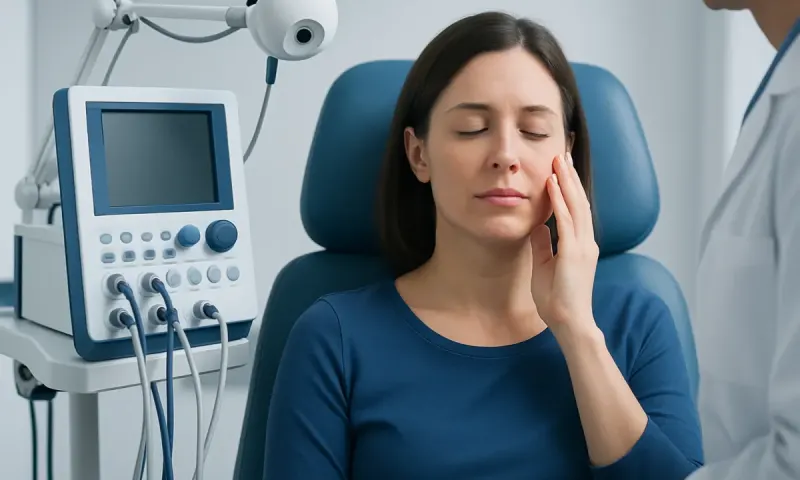
Treatment for Migraine Headaches: Relief and Prevention
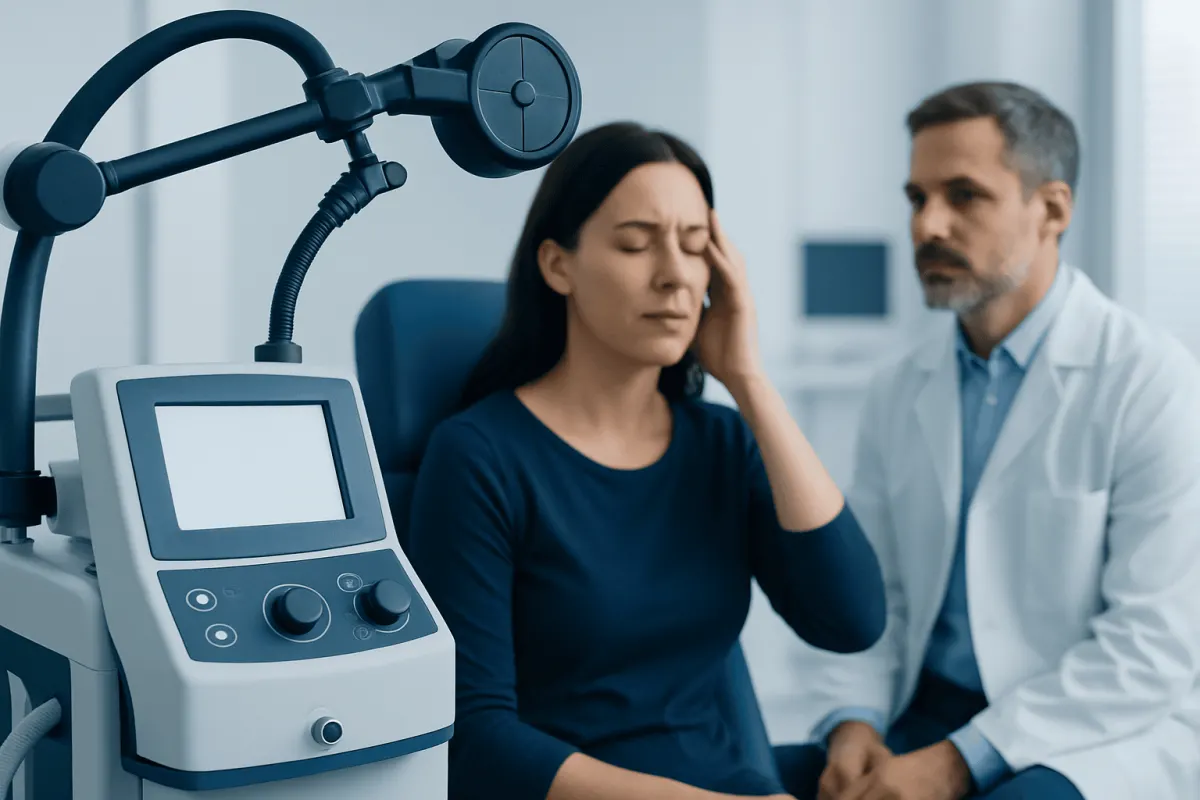
Treatment for migraines headaches may include medicines taken early in an attack, preventive treatments for frequent migraines, and practical steps to identify and manage triggers. The best plan depends on the person’s symptoms, health history, migraine frequency and the impact headaches have on daily life.
Overview: treatment for migraines headaches
Treatment for migraines headaches usually involves two connected approaches: treating symptoms during an attack and reducing the likelihood of future attacks. Migraine is more than an ordinary headache. It is a neurological disorder that can cause throbbing or pulsating head pain, often on one side of the head, together with nausea, vomiting, sensitivity to light or sound, and difficulty functioning normally.
There is no single treatment that suits every person. Some people have occasional migraines that respond well to early treatment and rest, while others have frequent attacks that require a structured prevention plan. A clinician can help distinguish migraine from other headache types and select options based on symptoms, other medical conditions, current medicines, pregnancy plans and personal preferences.
Many people benefit from learning to recognize the earliest signs of an attack. Treatment is often most effective when started promptly, rather than waiting until pain becomes severe. Regular sleep, meals, hydration and a record of headache patterns can also form an important part of long-term migraine care.
How migraine symptoms can vary
A migraine attack may progress through several stages, although not everyone experiences each one. Some people notice early changes such as tiredness, mood changes, yawning, food cravings, neck discomfort or trouble concentrating. These symptoms can begin hours or even a day before head pain.
The headache phase commonly lasts from several hours to a few days if untreated. Pain may worsen with routine movement and may be accompanied by nausea, vomiting, sensitivity to light, sound or smells, and visual discomfort. After the main pain improves, a person may feel drained, mentally slowed or sensitive for a further day.
Some people experience aura, which consists of temporary neurological symptoms that often develop gradually. Visual changes, such as flashing lights, zigzag lines or a blind spot, are common. Tingling, speech difficulty or other sensory changes may occur less often. New aura-like symptoms should be assessed by a clinician, particularly if they are sudden, different from previous episodes or involve weakness.
Possible causes, triggers and risk factors

The precise cause of migraine is complex. It involves changes in brain signaling and pain-processing pathways, with genetic factors playing an important role. Migraine often runs in families, but having a family history does not mean that every family member will develop it. Hormonal changes can also influence migraine patterns, which is one reason some people notice attacks around menstruation, pregnancy or menopause.
Triggers do not cause migraine in the same way that an infection causes illness. Instead, they may lower the threshold for an attack in a person who is susceptible. Triggers vary considerably between individuals and can include missed meals, dehydration, insufficient or irregular sleep, stress, changes after stress, bright light, strong smells, alcohol, changes in caffeine intake, illness or weather changes.
It can be helpful to avoid assuming that a single food or activity is always responsible. Restrictive diets or avoiding many everyday activities may not be necessary and can add stress. A headache diary that records timing, symptoms, meals, sleep, menstrual cycles, stress and medicines can reveal meaningful patterns over several weeks. This information can support a more individualized discussion with a doctor.
Treating a migraine attack
Acute, or rescue, treatment aims to reduce pain and associated symptoms once an attack begins. For mild to moderate attacks, a clinician may recommend an appropriate non-prescription pain reliever or anti-inflammatory medicine, if it is safe for the individual. Some people also need medication for nausea, especially when vomiting makes it difficult to keep tablets down.
For moderate to severe migraine, or attacks that do not improve with simple pain relief, prescription migraine-specific medicines may be appropriate. These treatments work through different pathways and are selected according to a person’s medical history and possible contraindications. For example, people with certain heart or blood vessel conditions may need particular care when choosing migraine medicines.
During an attack, resting in a quiet, dark room, drinking fluids in small amounts and using a cool compress may offer additional comfort. It is important not to take pain-relieving medicines too often. Frequent use of some acute treatments can lead to medication-overuse headache, in which headaches become more frequent or harder to manage. A clinician can advise on safe limits and alternatives when headaches recur often.
Preventive treatment and everyday migraine care
Preventive treatment may be considered when migraine attacks happen frequently, last a long time, cause substantial disability, do not respond adequately to acute treatment, or lead to frequent use of pain medicines. Prevention does not necessarily mean taking a daily tablet for everyone. Options can include oral medicines, migraine-targeted preventive therapies, injections, or devices in selected cases.
A doctor will usually review the number of headache days each month, the severity of attacks, response to previous treatment and any coexisting health conditions. Preventive medicines commonly need time to show their full benefit. Follow-up is useful to assess whether symptoms are improving and whether side effects or the treatment plan need adjustment.
Daily routines can support medical treatment. Regular meals, adequate fluids, consistent sleep and gradual physical activity are often helpful. Stress-management techniques, such as paced breathing, relaxation training, mindfulness or cognitive behavioral approaches, may reduce the burden of migraine for some people. These measures should be viewed as supportive tools, not as a replacement for assessment when headaches are severe, changing or difficult to control.
- Keep a diary of headache days, symptoms, possible triggers and medicines used.
- Maintain consistent sleep and meal times where possible.
- Discuss caffeine intake with a clinician, especially if intake is high or irregular.
- Review acute medicine use regularly to reduce the risk of medication-overuse headache.
Diagnosis and finding the right treatment plan
Migraine is generally diagnosed from a careful description of symptoms, headache timing, medical history and neurological examination. A clinician may ask about the location and quality of pain, associated nausea or light sensitivity, aura symptoms, family history, menstrual patterns, sleep, stress and medication use. A headache diary can make this conversation more precise.
Brain imaging and laboratory tests are not routinely required for a typical, stable migraine pattern with a normal examination. However, tests may be recommended if there are warning signs, an abnormal neurological examination, a new headache pattern or another concern that suggests a different cause. This approach helps avoid unnecessary testing while ensuring that important secondary causes are considered.
Headaches can overlap with other conditions, including tension-type headache, cluster headache, sinus-related symptoms, sleep problems and medication-overuse headache. Accurate diagnosis matters because the most useful treatment differs by headache type. A neurologist or headache specialist may be particularly helpful when symptoms are complex, frequent or unresponsive to initial care.
When to seek medical care
Routine medical review is advisable when headaches are new, becoming more frequent, disrupting work or family life, occurring on many days of the month, or requiring regular pain medicines. Medical advice is also important for migraines during pregnancy or after childbirth, for a new migraine pattern after age 50, or when a person has a significant medical condition that affects treatment choices.
Urgent medical care is needed for a sudden, extremely severe headache that reaches peak intensity quickly, sometimes described as a thunderclap headache. Immediate assessment is also important for headache with fainting, seizure, fever and a stiff neck, confusion, new weakness or numbness, difficulty speaking, persistent double vision, loss of vision, head injury, or symptoms that are distinctly different from a person’s usual migraine.
People with migraine aura should seek prompt assessment for a first episode, symptoms lasting longer than usual, or symptoms that do not fully resolve. These symptoms can resemble other neurological conditions and should not be self-diagnosed. Acıbadem Health Point’s multidisciplinary specialists and JCI-accredited hospitals support the diagnosis and treatment of migraine and other neurological conditions for international patients.
Frequently asked questions
01What is the best treatment for migraines headaches?
The best treatment depends on how often migraines occur, how severe they are, associated symptoms and a person’s health history. Many people need a combination of early attack treatment, prevention when appropriate and lifestyle measures. A clinician can help choose options that are safe and suitable.
02Can migraines be cured permanently?
Migraine is usually a long-term neurological condition, and there is not currently a universal permanent cure. However, many people can reduce the frequency, intensity and impact of attacks with an individualized treatment plan. Migraine patterns may also change over time.
03When should migraine medication be taken?
Acute migraine treatment is often most effective when taken at the earliest appropriate stage of an attack. The exact timing and medicine should follow advice from a doctor or pharmacist, especially for prescription treatments. People should avoid taking acute pain medicines too frequently because overuse can worsen headaches.
04What can trigger a migraine headache?
Common triggers include irregular sleep, missed meals, dehydration, stress, hormonal changes, changes in caffeine intake and sensory factors such as bright light. Triggers differ from person to person and may combine rather than act alone. A headache diary can help identify relevant patterns without unnecessary restrictions.
05Do I need a brain scan for migraine?
Most people with a typical migraine pattern and a normal neurological examination do not need brain imaging. A doctor may recommend imaging when headaches are new or changing, examination findings are abnormal, or warning symptoms are present. The decision is based on the individual clinical situation.
06Is a migraine with aura dangerous?
Aura is a recognized migraine symptom and often involves temporary visual or sensory changes that develop gradually and resolve completely. However, new, sudden, prolonged or unusual neurological symptoms require urgent medical evaluation because they can resemble other conditions. A person should not assume that new weakness, speech difficulty or vision loss is migraine without assessment.
This article is for general information only and is not a substitute for professional medical advice. Please consult a qualified doctor about your individual situation.
Persistent digestive symptoms? Get evaluated in Turkey
JCI-accredited · board-certified surgeons · reply within 24h
Add us as a Preferred Source to see more of our trusted health content across Google Search, AI Overviews and Discover.