Treat Ringworm Infection: Early Signs, Risk Factors, and How It Is Treated

Spotted an itchy, scaly patch on your skin that seems to be growing? For most people, treating ringworm means applying an antifungal cream for several weeks. If the infection is extensive, on the scalp or nails, or just won’t clear, you may need prescription medicine instead.
Starting treatment early makes a real difference. Keep your skin clean and dry, don’t share towels or other personal items, and the rash is more likely to heal — and less likely to spread to the people around you.
Overview: What it means to treat ringworm infection
To treat ringworm infection, the main goal is to clear the fungus from the skin and prevent it from spreading to other body areas or other people. Ringworm is not caused by a worm. It is a superficial fungal infection that can affect the body, scalp, feet, groin, hands, or nails. Doctors may call it tinea, with the name changing depending on where the infection occurs.
Many ringworm infections are mild and respond well to antifungal creams, sprays, or powders used consistently for the recommended time. However, treatment depends on the site and severity of the infection. Scalp infection, nail infection, widespread rash, or infection that keeps coming back often needs prescription oral antifungal medicine and a medical review.
Not every circular rash is ringworm — several skin conditions can look surprisingly similar. Eczema, psoriasis, contact dermatitis, or other fungal conditions may resemble it. A doctor or dermatologist can help confirm the cause and guide treatment, especially if symptoms are persistent or unusual.
Early signs and symptoms of ringworm

Ringworm often begins as a small patch of itchy, red, or scaly skin that slowly expands. On the body, it may develop a ring-like shape with a clearer center and a more active, raised, or flaky border. Not every case forms a perfect ring, so the appearance can vary.
Where the infection sits also changes what you’ll notice. Scalp ringworm may cause scaling, broken hairs, tender spots, or patchy hair loss. Athlete’s foot can lead to peeling, cracking, itching, or burning between the toes or on the soles. In the groin, the rash may be red, itchy, and sharply bordered. Nail infection can cause thickening, discoloration, crumbling, or separation of the nail.
Common symptoms include:
- Itching or irritation
- Round or irregular scaly patches
- Redness or darker discoloration at the edges
- Dry, flaky, or cracked skin
- Patchy hair loss on the scalp
- Thick or brittle nails when nails are involved
When skin symptoms overlap with other conditions, a dermatologist may help distinguish ringworm from problems such as psoriasis or eczema. This is particularly useful when a rash has been treated without success or has changed after steroid cream use.
Causes and risk factors

Ringworm is caused by a group of fungi called dermatophytes. These fungi feed on keratin, a protein found in the skin, hair, and nails. The infection can spread through direct skin-to-skin contact, contact with infected animals, or by sharing contaminated items such as towels, hats, clothing, hairbrushes, or sports equipment. Fungal spores can also survive on surfaces such as locker room floors and shower areas.
Warm, moist environments make fungal growth more likely. Sweating, tight clothing, damp shoes, and prolonged skin friction can all increase risk. This is one reason ringworm is more common in athletes, people using communal gyms or pools, and those living in hot or humid climates.
Other factors that may raise the chance of infection or recurrence include:
- Close contact sports, such as wrestling
- Living with someone who has a fungal infection
- Having athlete’s foot and spreading it to other body areas
- Diabetes or circulation problems
- A weakened immune system
- Use of shared grooming tools or bedding
- Household pets with fungal skin disease
Ringworm can also spread from one body site to another. For example, untreated athlete’s foot may contribute to groin infection, and scratching an itchy patch can transfer fungi to nearby skin. Managing related fungal conditions such as athlete’s foot may reduce repeated infections.
How ringworm is diagnosed
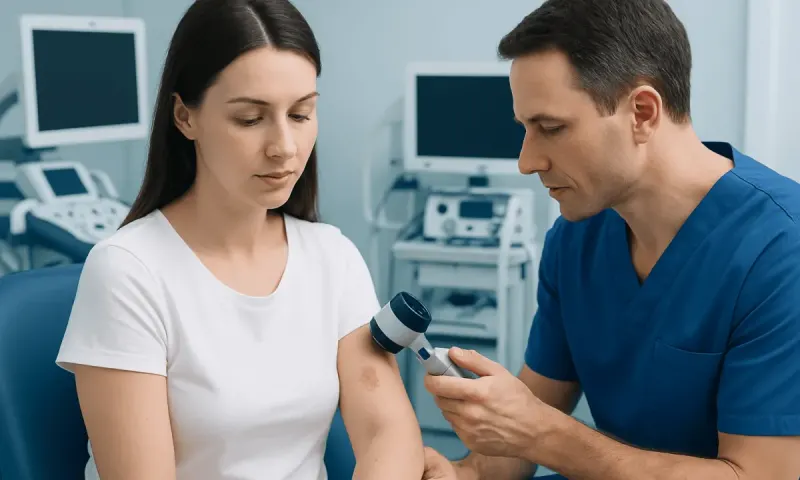
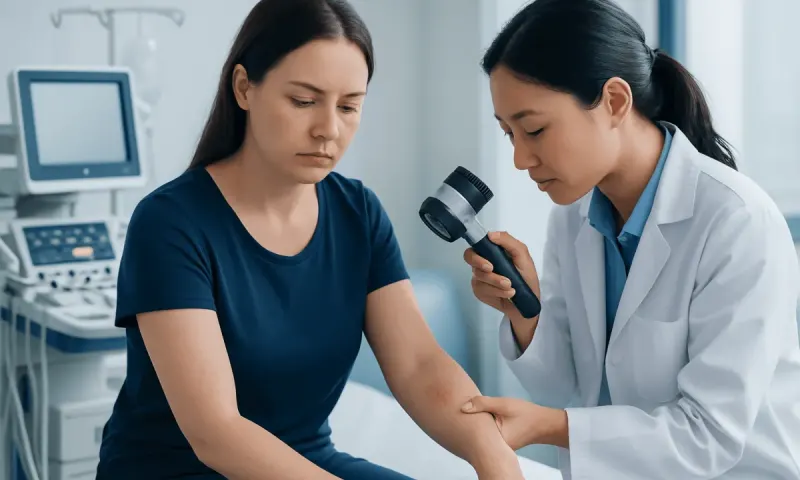
Doctors often diagnose ringworm by examining the rash and asking about symptoms, recent exposures, and any home treatments already used. The shape, scale, location, and pattern of spread can provide important clues. A clinical examination is especially helpful when the infection affects the scalp, nails, or multiple body areas.
If the diagnosis is uncertain, a doctor may gently scrape a small sample of skin or collect hair or nail material for testing. These samples can be examined under a microscope or sent for fungal culture. Testing may be useful when a rash is not responding to treatment, keeps returning, or could be mistaken for another condition.
Getting the diagnosis right matters — some creams can make ringworm look better without actually curing it. For example, steroid creams may reduce redness and itching temporarily but can allow the fungus to spread more deeply or widely. When the diagnosis is unclear, a skin specialist may recommend a structured evaluation and, if needed, other dermatologic care such as dermatology assessment and treatment.
Treatment options: creams, tablets, and practical care
For many people with mild ringworm on the body, groin, or feet, treatment starts with a topical antifungal medicine. These products may come as creams, gels, sprays, or powders. They are usually applied once or twice daily for several weeks, including for a short period after the rash appears better, as directed by a doctor or product instructions. Consistent use is important because symptoms often improve before the fungus is fully cleared.
Scalp ringworm and nail ringworm usually do not respond well to creams alone. These forms commonly need prescription oral antifungal medicine because the fungus is located deeper in the hair shafts or nail plate. Doctors may also suggest medicated shampoo for scalp infection to help reduce fungal shedding and limit spread to close contacts.
Medicine does the heavy lifting, but a few everyday habits help your skin heal:
- Keep the affected area clean and dry
- Change socks and underwear daily
- Wash clothing, towels, and bedding regularly
- Avoid scratching, which can spread infection
- Do not share personal items
- Wear breathable fabrics and well-ventilated shoes
When infection is extensive, recurrent, or difficult to control, a doctor may check for contributing factors such as diabetes, excessive sweating, immune problems, or an undiagnosed fungal reservoir in the feet or nails. If nail disease is present, evaluation through nail disease treatment may be helpful. In selected cases, specialist care including skin disease treatment can help confirm the diagnosis and tailor therapy.
Prevention and self-care after treatment
Feeling better? Don’t stop yet. Ringworm can come back if fungal spores linger on your skin, clothing, shoes, or household items. Finishing the full course of treatment lowers that risk — stopping too early is one of the most common reasons the rash returns.
Small daily habits genuinely help here. Skin should be dried carefully after bathing, especially between the toes, in the groin, and in skin folds. Loose, breathable clothing and moisture-wicking socks may help reduce the warm, damp conditions that fungi prefer. Shoes should be allowed to dry fully between uses.
Helpful prevention steps include:
- Wash hands after touching the rash or applying cream
- Use separate towels for the affected area if possible
- Disinfect hairbrushes, sports gear, and shared surfaces
- Wear sandals in public showers or locker rooms
- Check pets for patches of hair loss or scaling and seek veterinary care if needed
- Treat athlete’s foot promptly to prevent spread to the groin or body
In families, schools, and sports teams, catching ringworm early matters. If someone may have scalp ringworm or a widespread skin infection, have them seen promptly — these forms spread more easily through close contact.
When to seek medical care
Medical care is recommended if a suspected ringworm rash is spreading, painful, draining, very inflamed, or not improving after appropriate over-the-counter antifungal treatment. A person should also seek care if the infection involves the scalp, beard area, nails, face, or large areas of the body, because these situations often need prescription treatment or closer follow-up.
Children with scalp symptoms, people with diabetes, and those with weakened immune systems should be evaluated promptly. Signs such as fever, increasing tenderness, pus, or swollen lymph nodes may suggest a secondary bacterial infection or another diagnosis that needs medical attention.
A doctor may also be helpful when the rash keeps returning, multiple family members are affected, or a pet may be the source. In those cases, treatment works best when the source of reinfection is identified and managed. Near the end of the care pathway, some international patients may choose centers such as Acıbadem Health Point, where multidisciplinary specialists in JCI-accredited hospitals diagnose and treat fungal skin and nail conditions in coordination with broader medical needs.
Frequently asked questions
01How long does it take to treat ringworm infection?
Mild skin ringworm often starts improving within 1 to 2 weeks, but treatment usually needs to continue for several weeks to fully clear the fungus. Scalp and nail infections often take longer and may require prescription oral medicine.
02Can ringworm go away on its own?
Some mild cases may seem to improve, but ringworm often persists or spreads without proper antifungal treatment. Treating it early usually helps symptoms resolve faster and lowers the chance of passing it to others.
03Is ringworm contagious after starting treatment?
Ringworm can still spread, especially early in treatment, although the risk usually falls once effective therapy begins. Good hygiene, covering the area when appropriate, and avoiding shared personal items help reduce transmission.
04What should not be used on ringworm?
Steroid creams should generally not be used unless a doctor specifically recommends them, because they can mask symptoms and allow the fungus to worsen. Heavy ointments that keep the area moist may also be unhelpful in some cases.
05Do all ringworm infections need oral medicine?
No. Many body, groin, or foot infections can be treated with topical antifungal medicines alone. Oral treatment is more often needed for scalp ringworm, nail infections, widespread disease, or infection that does not respond to creams.
06Can pets give ringworm to people?
Yes. Cats, dogs, and some farm animals can carry the fungi that cause ringworm and pass it to humans through direct contact. If a pet has bald patches, scaling, or crusting, veterinary evaluation is advisable.
This article is for general information only and is not a substitute for professional medical advice. Please consult a qualified doctor about your individual situation.
Hair transplant in Turkey — costs, graft counts & a free assessment
JCI-accredited · board-certified surgeons · reply within 24h
Add us as a Preferred Source to see more of our trusted health content across Google Search, AI Overviews and Discover.