Why a Prostate Biopsy May Be Done Through the Perineum
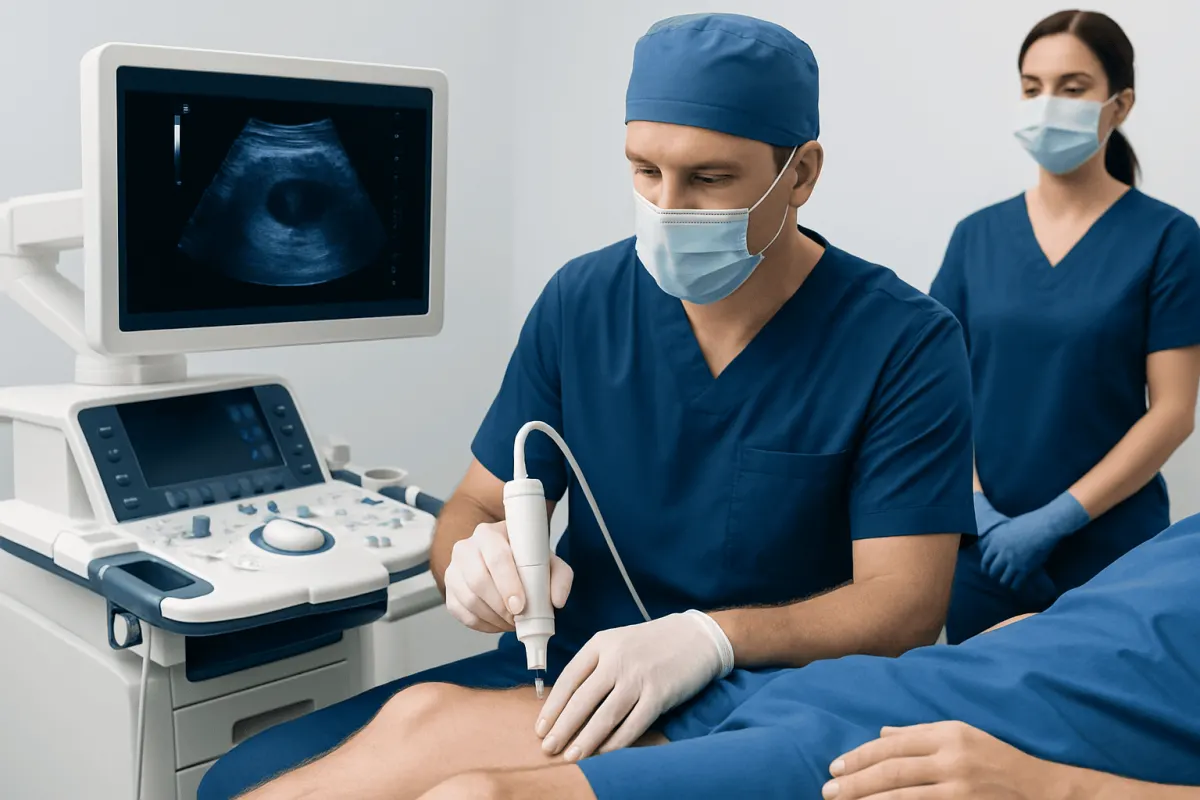
Your PSA came back high, or a scan turned up something that needs a closer look, and now your doctor is talking about a biopsy through the skin between your scrotum and anus. That area is called the perineum, and yes, it sounds odd at first.
A transperineal prostate biopsy takes small samples from the prostate through the perineal skin, usually guided by ultrasound and sometimes by MRI findings. It can help clarify whether an elevated PSA level, an abnormal examination, or a suspicious scan is caused by prostate cancer or another prostate condition.
Overview: what is a transperineal prostate biopsy?
A transperineal prostate biopsy is a diagnostic procedure used to collect tiny tissue samples from the prostate gland. A urologist inserts a needle through the skin of the perineum, the area between the scrotum and anus, and uses imaging guidance to take samples from selected parts of the prostate. A laboratory specialist then examines the tissue for cancer cells and other changes.
This approach differs from a transrectal biopsy, in which the needle passes through the rectal wall. By avoiding the rectum, the transperineal route reduces contact with bowel bacteria and is associated with a low risk of serious infection. It may also offer good access to areas at the front of the prostate that can be harder to sample by some other methods.
Being sent for a biopsy does not mean cancer is likely. It is one part of a careful assessment, often following a raised prostate-specific antigen (PSA) blood test, an abnormal digital rectal examination, or an MRI scan that shows an area needing closer evaluation. The procedure helps the care team make decisions based on tissue findings rather than symptoms or scans alone.
Who may need this procedure and how it works
A urologist may recommend a transperineal prostate biopsy when there is a persistent or rising PSA level, a prostate that feels unusual on examination, or a suspicious finding on multiparametric MRI. It may also be considered after a previous biopsy did not show cancer but clinical concern remains, particularly if an MRI identifies a specific area to target.
Before recommending a biopsy, the clinician considers the person’s PSA trend, age, family history, prostate size, MRI results, general health, and preferences. PSA can rise for reasons other than cancer, including benign prostate enlargement, inflammation, infection, recent ejaculation, cycling, or urinary procedures. Further testing is there to get a clearer picture of your overall risk.
Biopsies can be systematic, targeted, or both. Systematic sampling collects tissue from planned regions throughout the prostate. Targeted sampling focuses on an MRI-visible area of concern, often using software fusion or cognitive guidance to match MRI information with live ultrasound images. Combining approaches may improve the chance of finding clinically significant cancer when it is present.
People who take anticoagulants or antiplatelet medicines, have a bleeding disorder, diabetes, allergies, urinary symptoms, or a history of infection should discuss this with their clinician well before the procedure. Please don’t stop any medicine on your own. The doctor who prescribed it and the urology team will work out a plan that fits you.
Step by step: what happens during a transperineal biopsy?
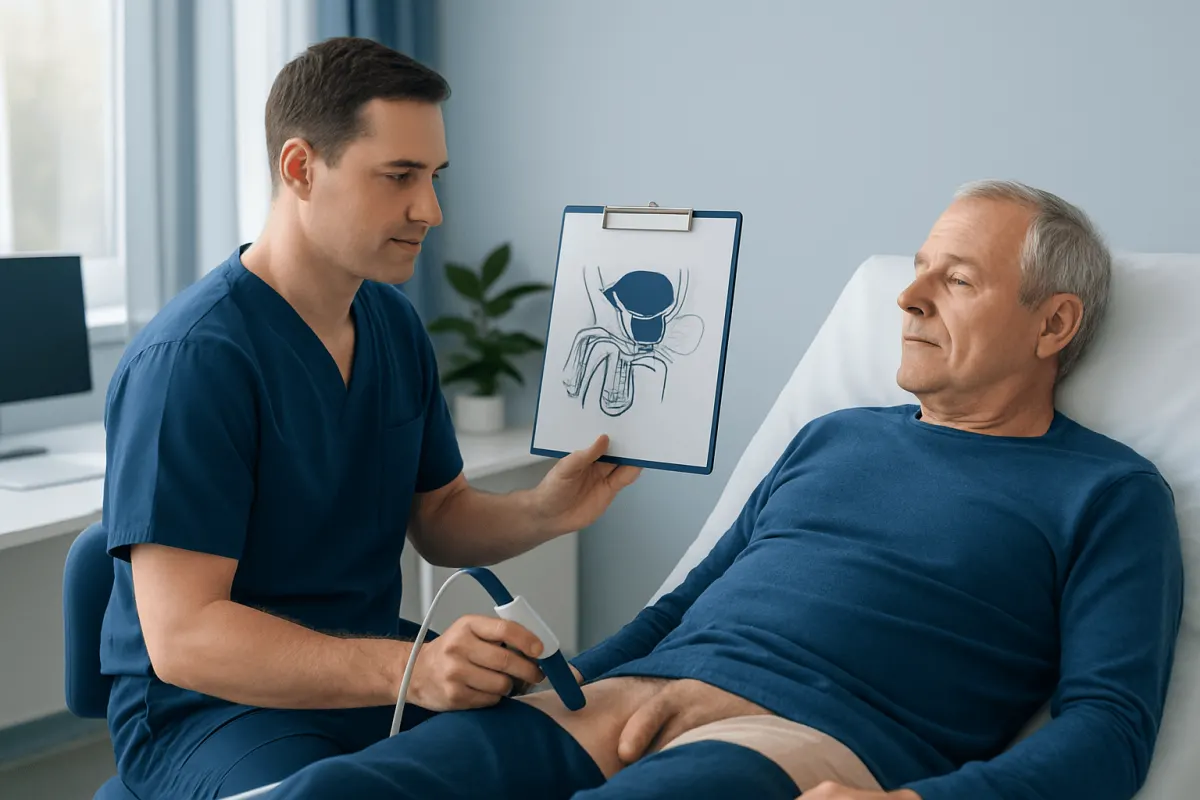
Preparation varies by hospital and anaesthetic plan. The patient may be asked to provide a urine sample, complete blood tests, avoid certain medicines under medical guidance, and arrange for someone to accompany them home if sedation or general anaesthesia is used. Unlike transrectal biopsy, bowel preparation may be limited or not needed, although local instructions should always be followed.
During the procedure, the patient commonly lies on their back with the legs supported, or in another position that allows access to the perineum. The skin is cleaned carefully. Local anaesthetic may be injected to numb the area; some people receive sedation or general anaesthesia for comfort, depending on the technique, the number of samples planned, and personal or medical factors.
An ultrasound probe is placed in the rectum to create images of the prostate. It guides the biopsy needle but does not itself collect tissue through the rectum. The urologist passes the needle through the numbed perineal skin to take several small samples. If MRI findings are being targeted, the operator uses those images to guide sampling of the area of interest.
The sampling portion is often completed within a short time, although the total visit may be longer because of preparation, anaesthesia, and observation afterward. Patients are monitored until they are comfortable, able to pass urine when appropriate, and safe to leave. The team provides written aftercare instructions and explains how results will be communicated.
Benefits, limitations and possible risks
The central benefit of a transperineal prostate biopsy is that it provides tissue confirmation. This can identify cancer, help estimate how aggressive it appears, and support discussions about active surveillance, further imaging, surgery, radiotherapy, or other options. When cancer is not found, results can also help guide follow-up for PSA changes or ongoing symptoms.
Because the needle does not pass through the rectal wall, the risk of infection requiring hospital care is generally low compared with older transrectal approaches. However, no biopsy is entirely risk-free. Temporary blood in the urine, semen, or at the perineal puncture site is common. Mild soreness, bruising, urinary frequency, and temporary discomfort when sitting may also occur.
Less common complications include difficulty passing urine because of swelling or bleeding, significant bleeding, infection, and reactions related to anaesthesia or medicines. A biopsy can also miss a cancerous area, especially if it is small or not sampled. Results are therefore interpreted alongside MRI, PSA measurements, examination findings, and the person’s overall risk profile.
If cancer is detected, the pathology report typically includes the Gleason score or Grade Group, the number of samples containing cancer, and the amount of cancer in each sample. These details do not determine treatment alone, but they are important for understanding risk and planning next steps in prostate cancer care.
Recovery timeline and self-care
Most people go home the same day. Take it easy for the rest of the day, especially if you had sedation or general anaesthesia. Light walking around the home is usually reasonable, but strenuous exercise, cycling, heavy lifting, and sexual activity may need to be avoided briefly according to the urology team’s instructions.
Many people can return to desk-based work and routine daily activities within one or two days, provided they feel well. More physically demanding work may require a few additional days. Mild perineal tenderness can be eased with rest, supportive underwear, and pain relief recommended by the clinician. Adequate fluids can help maintain urine flow unless the person has been advised to restrict fluids for another medical reason.
Blood in the urine may occur for a few days, and semen can look pink, red, or brown for several weeks. This is usually not harmful and gradually settles. Constipation is best avoided because straining may increase discomfort; fibre-rich foods, fluids, gentle movement, and a clinician-approved stool softener if needed can help.
Results are often available within one to two weeks, although laboratory timelines vary. The follow-up discussion should cover the pathology report, whether any further scans or tests are useful, and a personalized management plan. For people traveling for care, Acıbadem Health Point’s multidisciplinary specialists and JCI-accredited hospitals can support the diagnosis and treatment planning process for international patients.
How painful is a transperineal biopsy?
Comfort during a transperineal biopsy varies from person to person, but the procedure is designed to minimize pain. Local anaesthetic numbs the perineal skin and deeper tissues; some patients also have sedation or general anaesthesia. During a local-anaesthetic procedure, people may notice brief pressure, stinging during the numbing injections, or a short sensation as samples are taken rather than severe pain.
Afterward, it is common to have mild soreness or bruising in the perineal area for a day or several days. Pain that is worsening, severe, or not relieved by the recommended pain medicine should be discussed with the urology team. Anxiety can also heighten the experience of discomfort, so patients should feel comfortable asking in advance which anaesthetic options are suitable for them.
What percentage of prostate biopsies come back as cancer?
There is no single percentage that applies to every prostate biopsy. The chance of finding cancer depends on why the biopsy is being performed and on individual factors such as PSA level and trend, MRI findings, age, family history, prostate volume, examination findings, and whether a previous biopsy has been negative.
Many biopsies do not show cancer. Some may identify benign enlargement, inflammation, or no specific abnormality. A negative result is reassuring but does not always rule out cancer completely, especially if PSA levels continue to rise or MRI findings remain concerning. In that situation, the urologist may recommend monitoring, repeat imaging, or occasionally another biopsy.
How many days should a person rest after a prostate biopsy?
Most people need only a quiet day of rest after a transperineal prostate biopsy and can resume light activities the next day if they feel comfortable. Those who have received sedation or general anaesthesia should not drive, drink alcohol, operate machinery, or make important decisions for the period advised by the anaesthesia team, usually through the following day.
Heavy lifting, vigorous gym exercise, running, cycling, and other activities that place pressure on the perineum are often postponed for several days or until bleeding and soreness have settled. The exact timeline should follow the urologist’s instructions, as it can differ according to the number of samples taken, anaesthesia used, and an individual’s medical circumstances.
How soon can a person poop after a prostate biopsy?
A bowel movement can usually occur as soon as the person naturally needs to go after a transperineal prostate biopsy. The biopsy needle enters through the perineal skin rather than the bowel, so passing stool does not normally disturb the biopsy sites. Some temporary tenderness may make sitting or straining uncomfortable.
Try to stay ahead of constipation: drink enough, eat fibre, and keep moving gently. If a person has not opened their bowels for several days, has severe rectal or abdominal pain, or is unsure whether a laxative is appropriate, they should contact their clinician for advice rather than straining.
When to seek medical care
Patients should contact the urology team promptly if they develop a fever, chills, feel generally unwell, have worsening pain, cannot pass urine, pass large clots, or have heavy or persistent bleeding. These symptoms do not always indicate a serious problem, but they need timely assessment. Urgent medical care is particularly important for fever or inability to urinate.
Call the team too with any everyday questions: your medicines, when to go back to work, ongoing blood in urine or semen, constipation, or when your results are due. Clear communication after the procedure can support a more comfortable recovery and ensure that important symptoms are not overlooked.
A biopsy result showing cancer should be reviewed with a urologist and, when needed, a multidisciplinary team. Management may range from monitoring low-risk disease to active treatment, and decisions should be based on the pathology findings, scans, general health, and personal priorities.
Frequently asked questions
01Is a transperineal prostate biopsy more accurate than a transrectal biopsy?
Both methods can provide useful tissue samples, and accuracy depends on imaging, the sampling plan, prostate anatomy, and the experience of the clinical team. The transperineal approach can provide access to all regions of the prostate, including anterior areas, and it has a lower risk of infection related to bowel bacteria. MRI-targeted and systematic samples may be combined when clinically appropriate.
02How long does a transperineal prostate biopsy take?
The tissue sampling itself often takes a short time, but the full appointment can take longer because of check-in, preparation, anaesthesia, recovery, and observation. The exact duration depends on whether local anaesthetic, sedation, or general anaesthesia is used and how many samples are planned. The hospital team can explain the expected timetable before the appointment.
03Will there be blood in urine or semen after the biopsy?
A small amount of blood in the urine and temporary discoloration of semen are common after prostate biopsy. Urine bleeding usually settles within days, while blood in semen may remain visible for several weeks. Heavy bleeding, large blood clots, or bleeding that is getting worse should be assessed promptly.
04Can a person drive home after a transperineal prostate biopsy?
Driving may be possible after a procedure performed with local anaesthetic if the person feels well and the clinical team agrees. Anyone who has had sedation or general anaesthesia should arrange for a responsible adult to take them home and follow the advice not to drive for the specified period. Local hospital instructions should take priority.
05What does a negative prostate biopsy mean?
A negative biopsy means that cancer was not found in the tissue samples examined. It does not always exclude cancer entirely because a small area can occasionally be missed. The urologist will interpret the result alongside PSA levels, MRI findings, examination results, and future changes over time.
06When are prostate biopsy results available?
Results are commonly ready within one to two weeks, but timing varies by laboratory and may be longer when additional testing is needed. The result appointment is important because the clinician can explain the pathology terms and what they mean for follow-up. Patients should ask the team when and how they will receive their individual result.
This article is for general information only and is not a substitute for professional medical advice. Please consult a qualified doctor about your individual situation.
Persistent digestive symptoms? Get evaluated in Turkey
JCI-accredited · board-certified surgeons · reply within 24h
Add us as a Preferred Source to see more of our trusted health content across Google Search, AI Overviews and Discover.