Tietze Syndrome: Symptoms, Causes, and Treatment Options
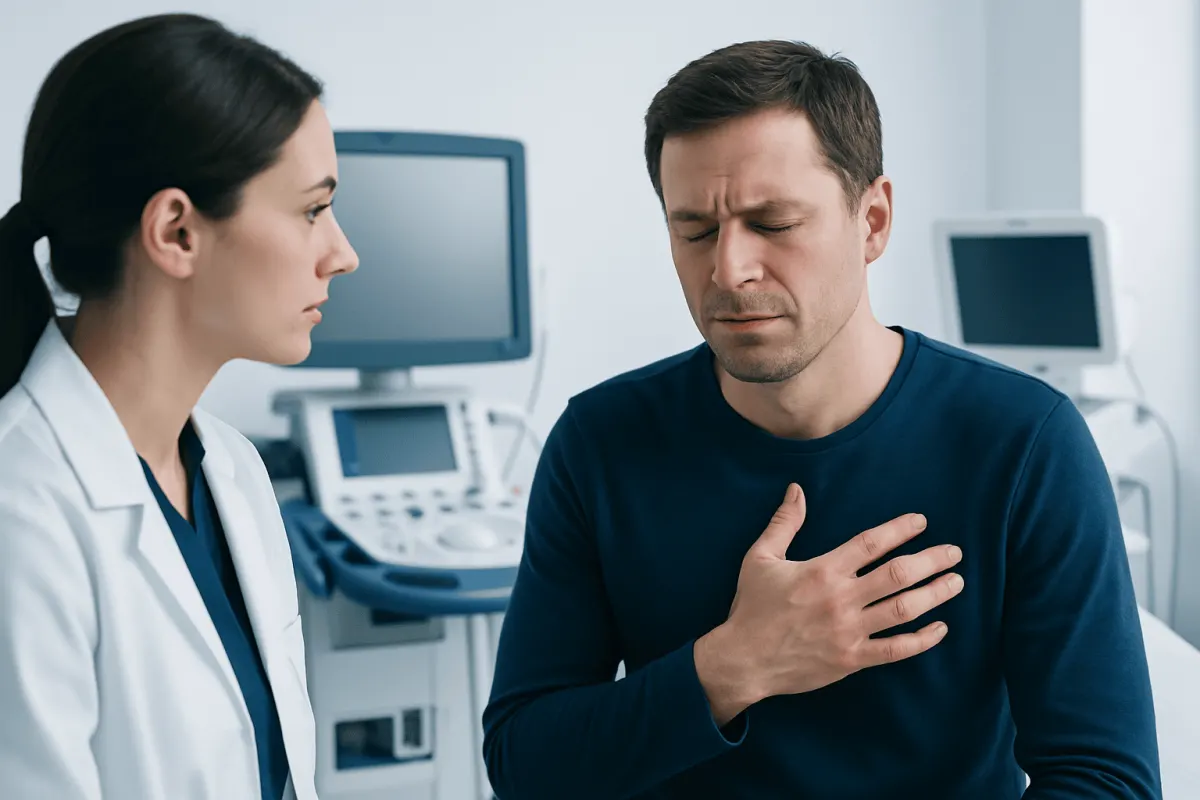
You press on a spot just beside your breastbone and it hurts — and there’s a small lump there that wasn’t there before. Chest pain and swelling in the same place is enough to make anyone think the worst.
Tietze syndrome is an uncommon, non-cancerous condition that causes pain and visible or palpable swelling where the upper ribs join the breastbone. It can feel worrying because the discomfort is in the chest, but treatment usually focuses on symptom relief after a doctor rules out heart, lung, and other causes.
Overview: what Tietze syndrome is
Tietze syndrome is a rare inflammatory condition affecting the cartilage where the ribs attach to the sternum, also called the breastbone. It typically causes sharp or aching pain in the front of the chest along with swelling that can be seen or felt over the affected joint. The swelling most often involves one of the upper ribs, especially the second or third rib.
It can be uncomfortable and frankly alarming, but Tietze syndrome is usually benign. It is not a heart problem, not a cancer, and in most cases not something that damages the chest permanently. The main challenge is that chest pain has many possible causes, so doctors need to make sure the symptoms are not coming from a more urgent condition.
Tietze syndrome is often confused with costochondritis, another chest wall pain condition. The two are closely related, but Tietze syndrome is distinguished by swelling at the painful rib-sternum junction. Costochondritis usually causes tenderness and pain without obvious swelling.
How it feels: signs and symptoms
The most common symptom of Tietze syndrome is pain in the upper front chest. The pain is usually localized to a small area and may feel sharp, stabbing, aching, or pressure-like. It can worsen with coughing, sneezing, deep breathing, twisting, stretching, or activities that strain the chest wall and shoulders.
A visible or palpable swelling over the affected joint is an important clue. This swelling is usually firm and tender rather than soft. In many people, only one rib joint is involved, which can help distinguish Tietze syndrome from broader inflammatory or musculoskeletal conditions.
Symptoms can come on suddenly or develop gradually. Some people notice the discomfort after a respiratory infection, repeated coughing, strenuous exercise, or minor chest strain, while others cannot identify a clear trigger. The pain may spread to the shoulder, neck, or arm, which is one reason it can be mistaken for other causes of chest pain.
- Localized chest pain near the sternum
- Tenderness when the area is pressed
- Swelling at the rib cartilage junction
- Pain that worsens with movement or deep breathing
- Occasional radiation to the shoulder or upper arm
Why it happens: causes and risk factors

The exact cause of Tietze syndrome is not always known. Doctors believe it often relates to irritation or inflammation of the costochondral or sternocostal cartilage, which are the joints connecting the ribs to the sternum. This irritation may occur after repeated small stresses rather than a single major injury.
Possible triggers include severe coughing, upper respiratory infections, repeated vomiting, heavy lifting, vigorous upper-body exercise, or a direct blow to the chest. In some cases, the condition may appear after surgery or strain involving the chest wall. However, many people do not recall any specific event before symptoms begin.
It can turn up at any age, though it is more often described in younger adults than costochondritis is. You cannot catch it from someone, and it is not generally considered hereditary. Some inflammatory conditions can also cause chest wall pain, so doctors may think about other diagnoses if symptoms are persistent, widespread, or associated with additional joint problems.
How doctors diagnose Tietze syndrome
Diagnosis usually begins with a careful history and physical examination. A doctor will ask where the pain is, how long it has been present, what makes it worse, and whether there are symptoms such as shortness of breath, fever, trauma, or pain with exercise. On examination, pressing the affected joint often reproduces the pain, and swelling may be noticeable.
There is no single blood test that confirms Tietze syndrome. Instead, the condition is diagnosed by recognizing its typical features and excluding other causes of chest pain. Depending on the person’s age, symptoms, and medical history, tests may be ordered to rule out heart disease, lung conditions, infection, fracture, or systemic inflammation.
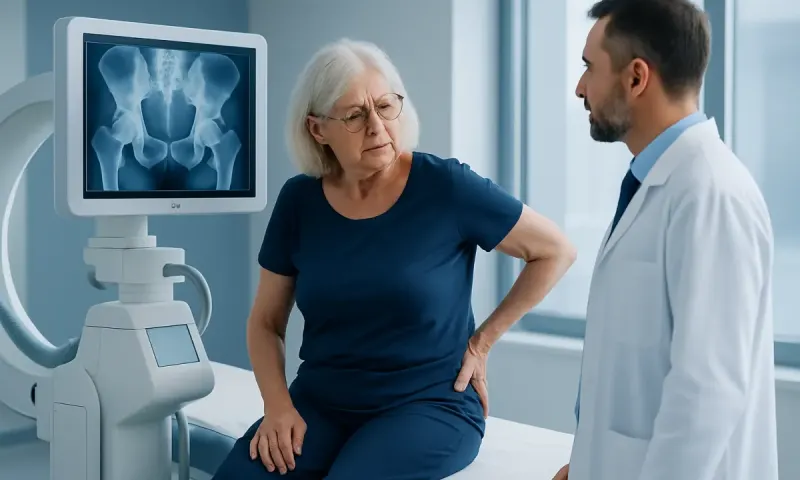
Possible investigations can include an electrocardiogram, chest X-ray, ultrasound, blood tests, or other imaging if the diagnosis is uncertain. If the symptoms are unusual, severe, or prolonged, doctors may also consider related musculoskeletal or inflammatory conditions. In some cases, imaging helps distinguish Tietze syndrome from rib injury or other chest wall disorders that may need different treatment.
Chest pain overlaps with too many urgent conditions for you to sort it out on your own. Medical assessment is especially important for first-time chest pain, symptoms triggered by exertion, or pain accompanied by fainting, sweating, or breathing difficulty.
Treatment options and recovery
Treatment for Tietze syndrome is usually conservative, meaning it focuses on easing symptoms while the inflammation settles. Resting from activities that aggravate the chest wall is often helpful, especially heavy lifting or repeated upper-body movements. Many people improve with simple pain relief measures and time.
Doctors may recommend anti-inflammatory medicines or other pain relievers when appropriate. Applying heat or, in some cases, cold packs can also reduce discomfort. If symptoms are prolonged or more severe, a clinician may suggest physical therapy to improve posture, shoulder mechanics, and chest wall movement. Depending on the evaluation, this may include physical therapy and rehabilitation to reduce strain and restore comfortable function.
For persistent symptoms that do not improve with first-line care, some patients may benefit from targeted local treatment such as an injection performed by an experienced clinician. This is generally reserved for selected cases after other causes of pain have been excluded. Surgery is rarely needed for Tietze syndrome.
Recovery time varies. Some episodes settle within weeks, while others may last longer or recur. Most people do well, but follow-up is important if pain changes pattern, swelling increases, or new symptoms develop.
Self-care, daily habits, and prevention
Because Tietze syndrome often flares with movement and strain, self-care is mainly about reducing pressure on the chest wall while the area heals. Gentle pacing of activity is usually more helpful than complete inactivity. Short periods of rest, gradual return to exercise, and avoiding painful lifting or repetitive pushing motions can make daily life more comfortable.
Attention to posture may also help. Slouching, prolonged desk work, and tight chest muscles can increase stress across the front of the rib cage. Stretching, ergonomic adjustments, and guided exercises may support recovery, especially when recommended by a healthcare professional. If symptoms are part of a broader musculoskeletal picture, an assessment by orthopedics and traumatology or rehabilitation specialists may be useful.
There is no guaranteed way to prevent Tietze syndrome, but some steps may lower strain on the chest wall:
- Warm up before sports or upper-body workouts
- Increase exercise intensity gradually
- Use proper lifting technique
- Treat persistent coughs with medical advice when needed
- Take breaks from repetitive shoulder and chest movements
If your chest wall pain keeps coming back, do not assume each flare is the same as the last. A clinician can help confirm whether symptoms are due to Tietze syndrome, costochondritis, or another condition entirely.
When to seek medical care
Get any new chest pain looked at, especially when you cannot pin down a cause. Even though Tietze syndrome is usually harmless, chest discomfort can sometimes signal a heart, lung, digestive, or vascular problem that needs prompt treatment. A doctor can assess the pattern of pain and decide whether further tests are necessary.
Urgent care is important if chest pain comes with shortness of breath, dizziness, fainting, sweating, fever, blue lips, rapid heartbeat, or pain that spreads strongly to the jaw, back, or left arm. It is also important to seek care after a significant chest injury or if there is severe tenderness, increasing swelling, or concern about infection.
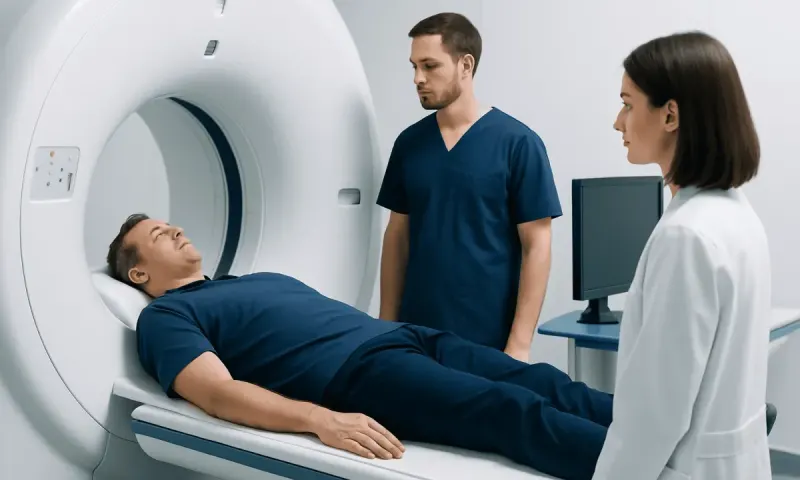
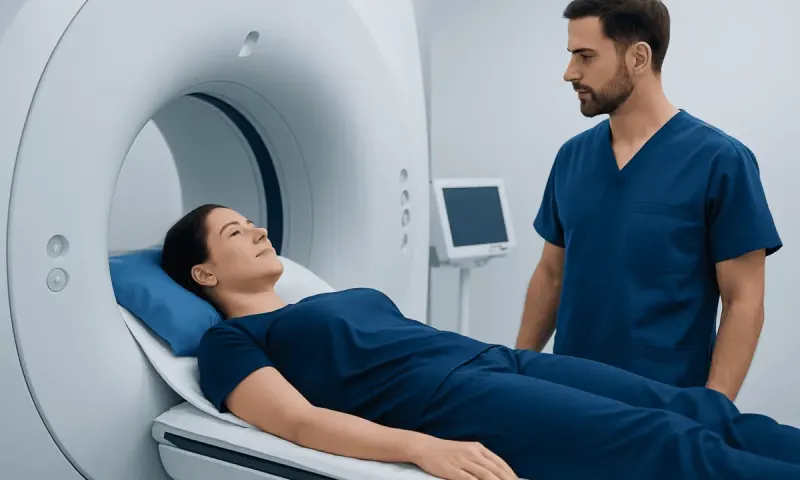
Routine medical review is sensible if symptoms do not improve, keep returning, interfere with work or sleep, or are difficult to distinguish from other conditions. In more complex cases, imaging such as MRI may be used to evaluate chest wall structures and exclude other causes. Acıbadem Health Point’s multidisciplinary specialists and JCI-accredited hospitals evaluate and treat chest wall pain conditions for international patients when a broader assessment is needed.
Frequently asked questions
01Is Tietze syndrome serious?
Tietze syndrome is usually not serious and is considered a benign cause of chest wall pain. The main concern is making sure the pain is not caused by a heart, lung, or other urgent condition, which is why medical evaluation is important.
02What is the difference between Tietze syndrome and costochondritis?
Both conditions affect the joints where the ribs connect to the sternum and can cause chest pain. The key difference is that Tietze syndrome typically causes noticeable swelling at the painful joint, while costochondritis usually does not.
03How long does Tietze syndrome last?
The duration varies from person to person. Some people improve within a few weeks, while others may have symptoms that last longer or return from time to time.
04Can Tietze syndrome cause shortness of breath?
Tietze syndrome itself mainly causes pain, and deep breathing can feel uncomfortable because it moves the chest wall. True shortness of breath should not be ignored and needs medical assessment to rule out heart or lung causes.
05What helps relieve Tietze syndrome pain?
Common approaches include avoiding activities that worsen pain, using heat or cold as advised, and taking doctor-recommended pain relief or anti-inflammatory medication. Some people also benefit from posture correction and guided physical therapy.
06Can Tietze syndrome come back?
Yes, symptoms can recur in some people, especially if chest wall strain continues or returns. Recurrent pain should still be checked by a clinician, particularly if the pattern changes or swelling becomes more pronounced.
This article is for general information only and is not a substitute for professional medical advice. Please consult a qualified doctor about your individual situation.
Joint and spine care in Turkey — expert assessment & treatment
JCI-accredited · board-certified surgeons · reply within 24h
Add us as a Preferred Source to see more of our trusted health content across Google Search, AI Overviews and Discover.