Thymus vs Thyroid: Different Roles in the Body
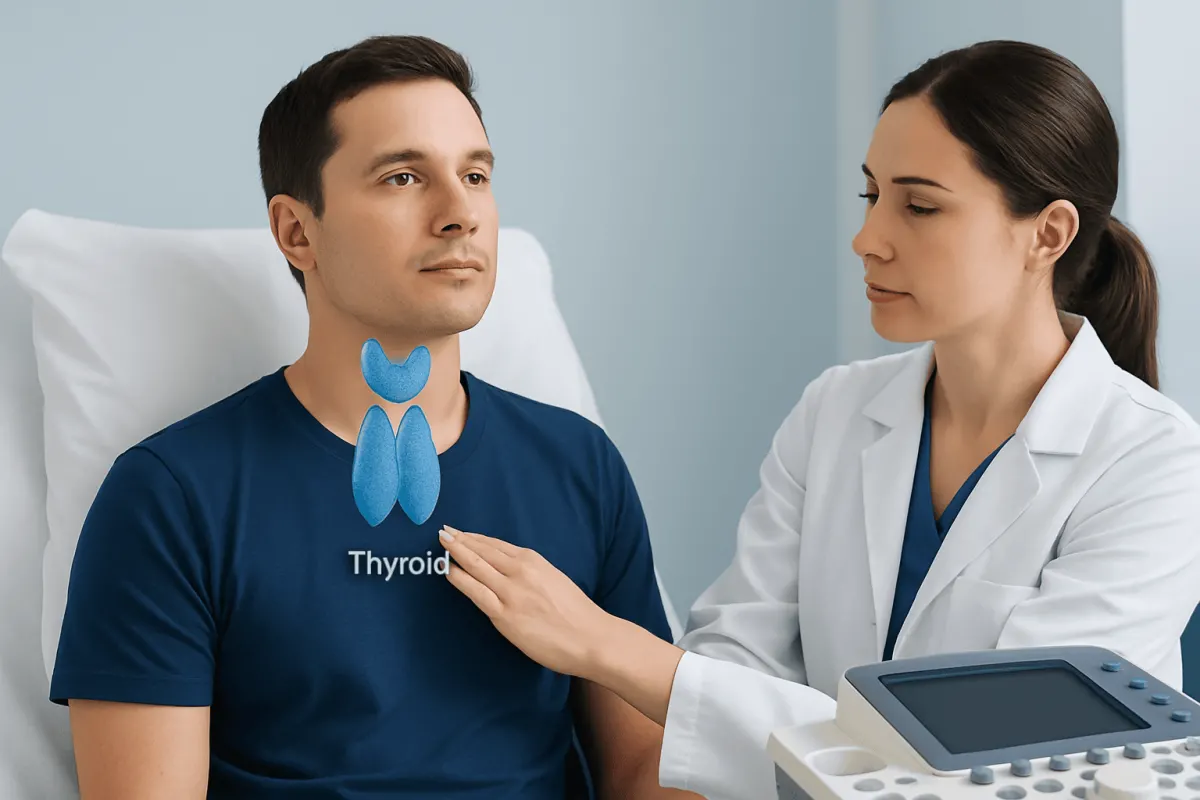
The thymus and thyroid are different glands with different jobs, locations, and health concerns. The thymus helps the immune system develop, particularly during childhood, whereas the thyroid produces hormones that influence metabolism, temperature, heart rate, and many other body functions.
Thymus vs Thyroid at a Glance
The thymus and thyroid may sound similar, but they are separate organs. The thymus is part of the immune system and helps certain white blood cells, called T cells, mature. The thyroid is part of the endocrine system and releases hormones that help regulate how the body uses energy.
| Feature | Thymus | Thyroid |
|---|---|---|
| Primary role | Supports development of T cells for immune defense | Produces hormones that regulate metabolism and body functions |
| Location | Upper chest, behind the breastbone and in front of the heart | Lower front of the neck, around the windpipe |
| Shape | Two-lobed organ | Butterfly-shaped gland with right and left lobes |
| Activity over time | Largest and most active in childhood; usually shrinks after puberty | Remains active throughout life |
| Common tests | Chest CT, MRI, or other imaging; sometimes antibody or neuromuscular testing | TSH and thyroid hormone blood tests; ultrasound and, when needed, biopsy |
| Typical concerns | Thymic enlargement, thymoma, or conditions associated with myasthenia gravis | Underactive or overactive thyroid, nodules, thyroiditis, or thyroid cancer |
Because they sit in different parts of the body, they usually cause different patterns of symptoms. A visible or felt lump low in the front of the neck is more likely to involve the thyroid. A thymus-related finding is often detected on a chest scan performed for another reason, although some thymic conditions can cause chest pressure, cough, or symptoms related to an associated autoimmune disorder.
Where the Thymus and Thyroid Are Located
The thyroid sits at the base of the neck, just below the voice box. It lies in front of the trachea, or windpipe, with tissue extending on both sides and a narrow bridge joining the lobes. Its superficial location means an enlarged thyroid, also called a goiter, may sometimes be noticed as neck fullness or a lump that moves when a person swallows.
The thymus is deeper in the body. It is located in the upper part of the chest, in an area called the anterior mediastinum, behind the sternum or breastbone. In infants and children, it is relatively prominent. With normal aging, much of its active tissue is gradually replaced by fatty tissue, a process called involution.
This difference in location is one of the clearest ways clinicians tell them apart. A clinician can usually examine the thyroid by looking at and gently feeling the neck. The thymus cannot generally be felt during a routine examination, so it is evaluated mainly through imaging when there is a medical reason to do so.
What Each Gland Does in the Body
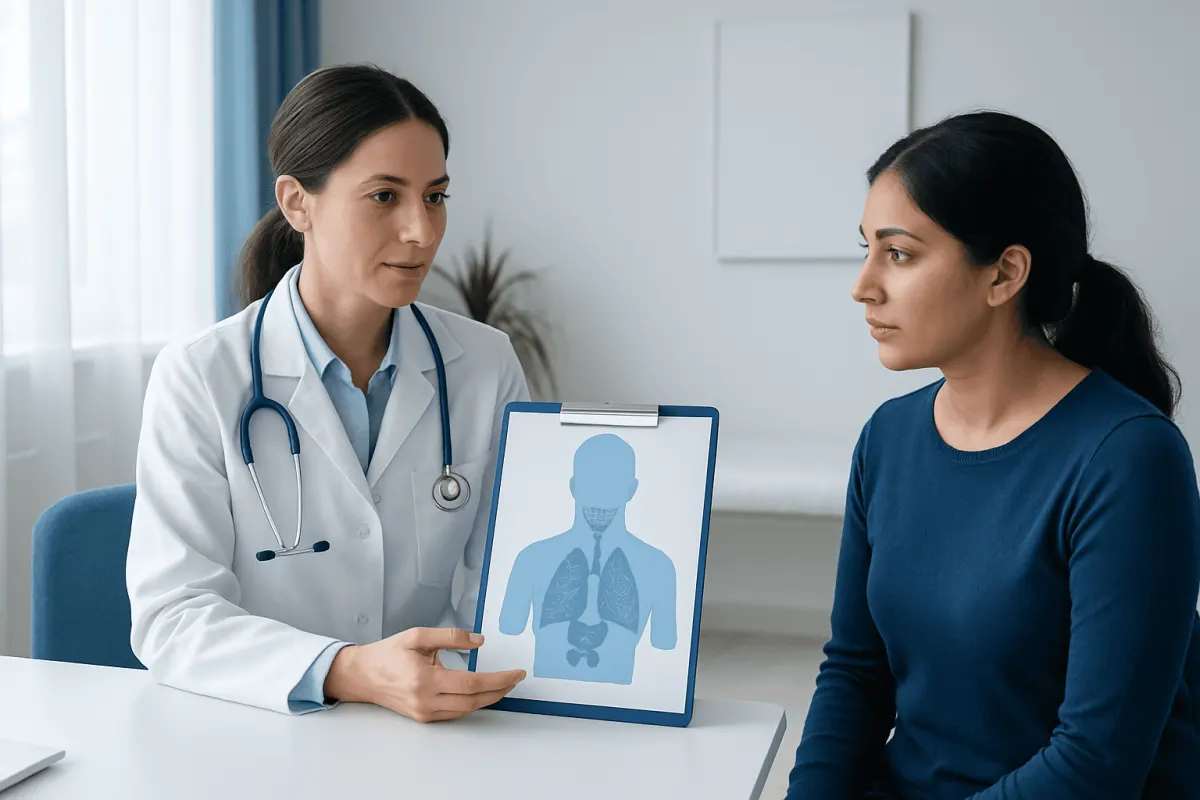
The thymus is a central training site for T lymphocytes, often called T cells. These cells are an important part of adaptive immunity, helping the body recognize and respond to infections and other threats. Within the thymus, developing T cells undergo selection processes that help them respond appropriately while reducing the likelihood of attacking the body’s own tissues.
Thymus activity is especially important early in life, when the immune system is developing. The fact that the thymus becomes less active after puberty is usually a normal change, not a sign of illness. Adults still have immune protection because mature T cells and other immune cells continue to function throughout the body.
The thyroid makes the hormones thyroxine (T4) and triiodothyronine (T3). These hormones affect metabolic rate and influence heart function, digestion, body temperature, skin and hair, muscle function, mood, and reproductive health. The pituitary gland in the brain helps regulate thyroid hormone production by releasing thyroid-stimulating hormone, commonly known as TSH.
When thyroid hormone levels are too low or too high, effects can be felt across many body systems. In contrast, changes involving the thymus do not usually cause broad metabolic symptoms. This functional difference helps guide a clinician’s assessment.
How Doctors Tell Thymus and Thyroid Conditions Apart
A clinician begins by asking about the symptom pattern, its timing, and relevant medical history. Symptoms such as sensitivity to cold or heat, unexplained weight change, palpitations, bowel habit changes, tremor, fatigue, or menstrual changes can suggest a thyroid hormone problem. Neck pressure, a changing voice, swallowing difficulty, or a new lump may point toward a structural thyroid concern, although other neck conditions are also possible.
Questions about drooping eyelids, double vision, muscle weakness that worsens with activity, or difficulty chewing and swallowing may lead a clinician to consider myasthenia gravis. This autoimmune neuromuscular condition can be associated with abnormalities of the thymus. Not everyone with a thymic finding has myasthenia gravis, and not everyone with myasthenia gravis has a thymic tumor, so careful evaluation is important.
For suspected thyroid disease, blood tests commonly include TSH and, depending on the results and symptoms, free T4 and sometimes T3 or thyroid antibodies. A thyroid ultrasound can show the size and features of nodules or enlargement. If a nodule has features that need closer assessment, a fine-needle aspiration biopsy may be recommended.
For the thymus, chest imaging is more informative than thyroid blood tests. A chest CT scan is often used to evaluate an enlarged thymus or a mass in the mediastinum; MRI may be useful in selected situations. Additional tests depend on the reason for imaging and may include blood work, antibody testing, lung evaluation, or referral to a neurologist, endocrinologist, thoracic surgeon, or oncologist.
Common Conditions Affecting the Thyroid or Thymus
Thyroid conditions are relatively common and include hypothyroidism, in which the gland does not make enough hormone; hyperthyroidism, in which it makes too much; thyroiditis, or inflammation of the gland; goiter; and thyroid nodules. Most thyroid nodules are noncancerous, but a clinician may recommend ultrasound monitoring or biopsy based on their size, appearance, growth, and individual risk factors.
Autoimmune conditions are important causes of thyroid dysfunction. Hashimoto’s thyroiditis commonly leads to hypothyroidism, while Graves’ disease commonly causes hyperthyroidism. Treatment is individualized and may involve monitoring, medicines that replace or reduce hormone activity, radioactive iodine in appropriate cases, or surgery for selected structural or hormone-related concerns.
Thymic findings are less common. They include normal thymic tissue that appears prominent on imaging, thymic hyperplasia, cysts, and thymoma. A thymoma is a tumor arising from thymic tissue; it may be found incidentally or during investigation of symptoms. Its evaluation typically involves specialist review and imaging to understand its size, location, and relationship to nearby structures.
Some thymic conditions are associated with autoimmune diseases, most notably myasthenia gravis. A suspected thymic mass should not be assumed to be cancer, because several noncancerous explanations are possible. Imaging interpretation and, when necessary, tissue assessment help establish the diagnosis and guide appropriate care.
What Happens After a Diagnosis
Management depends on the specific gland involved and the confirmed condition. When a thyroid blood test shows hypothyroidism, treatment commonly involves prescribed thyroid hormone replacement with follow-up testing to ensure hormone levels are in the intended range. Hyperthyroidism may be managed with medication, radioactive iodine treatment, surgery, or a combination of approaches, depending on the cause and the person’s circumstances.
A thyroid nodule may need only observation with periodic examinations and ultrasound. If a biopsy is indicated, it can often be performed using a thin needle and ultrasound guidance. Surgery may be considered for a suspicious or cancerous nodule, a large goiter causing pressure symptoms, or certain cases of overactive thyroid disease.
Care for thymic abnormalities depends on imaging findings, symptoms, and whether an associated condition is present. Some people require follow-up imaging only. When a thymoma or another lesion needs treatment, surgery to remove the thymus, called thymectomy, is often part of management; some cases may also require radiation therapy, chemotherapy, or other specialist-directed treatment.
People should avoid trying to diagnose a thymus or thyroid problem from symptoms alone. The same symptom, such as tiredness or a sensation of throat tightness, can have many possible causes. Acıbadem Health Point’s multidisciplinary specialists and JCI-accredited hospitals can assess thyroid and thymic conditions for international patients through appropriate laboratory testing, imaging, and specialist care.
When to Seek Medical Care
A person should arrange a non-urgent medical appointment for a new or persistent neck lump, visible neck enlargement, ongoing hoarseness, difficulty swallowing, unexplained changes in weight, persistent heat or cold intolerance, frequent palpitations, tremor, or fatigue that does not improve. These symptoms do not always indicate thyroid disease, but assessment can identify whether thyroid testing or another evaluation is appropriate.
Prompt medical assessment is appropriate for chest discomfort that persists, a new persistent cough without a clear explanation, or muscle weakness that affects everyday activities. Drooping eyelids, double vision, or weakness that becomes more noticeable with repeated use should be discussed with a clinician, especially if these symptoms are new or worsening.
Emergency care is needed for severe difficulty breathing or swallowing, rapidly increasing neck swelling, fainting, severe chest pain, or marked weakness affecting breathing. These symptoms can have several causes and require urgent assessment. For less urgent concerns, a primary care clinician can usually coordinate the first tests and refer to the appropriate specialist when needed.
Frequently asked questions
01Are the thymus and thyroid the same gland?
No. The thymus and thyroid are separate organs with different locations and functions. The thymus supports immune-cell development, while the thyroid produces hormones that regulate metabolism and many body functions.
02Can a thyroid problem affect the thymus?
A thyroid disorder does not usually directly affect the thymus. However, autoimmune conditions can sometimes occur together in the same person because they involve changes in immune-system activity. A clinician can determine whether symptoms suggest one condition, another condition, or more than one issue.
03Can the thymus be felt in the neck?
Usually not. The thymus is located behind the breastbone in the upper chest, whereas the thyroid is in the lower front of the neck. A lump noticed in the neck is therefore more likely to arise from the thyroid or another neck structure than from the thymus.
04Does the thymus disappear in adults?
The thymus does not completely disappear, but it normally becomes smaller and contains more fatty tissue after puberty. This age-related involution is expected and does not mean that the immune system stops working. Mature immune cells continue to provide protection throughout adulthood.
05What test shows whether the thyroid is working properly?
A blood test measuring TSH is commonly the first test used to assess thyroid function. Depending on the result and symptoms, a clinician may also test free T4, T3, and thyroid antibodies. Ultrasound is used when there is concern about thyroid size, nodules, or other structural changes.
06Can a chest scan find a thymus problem by accident?
Yes. Thymic changes or masses are sometimes found incidentally on chest imaging performed for another reason. Further evaluation may be recommended to distinguish normal thymic tissue, benign changes, cysts, and tumors, and to decide whether monitoring or treatment is needed.
This article is for general information only and is not a substitute for professional medical advice. Please consult a qualified doctor about your individual situation.
Medical weight-loss options in Turkey — costs & eligibility
JCI-accredited · board-certified surgeons · reply within 24h
Add us as a Preferred Source to see more of our trusted health content across Google Search, AI Overviews and Discover.