TC Chemotherapy: Docetaxel and Cyclophosphamide
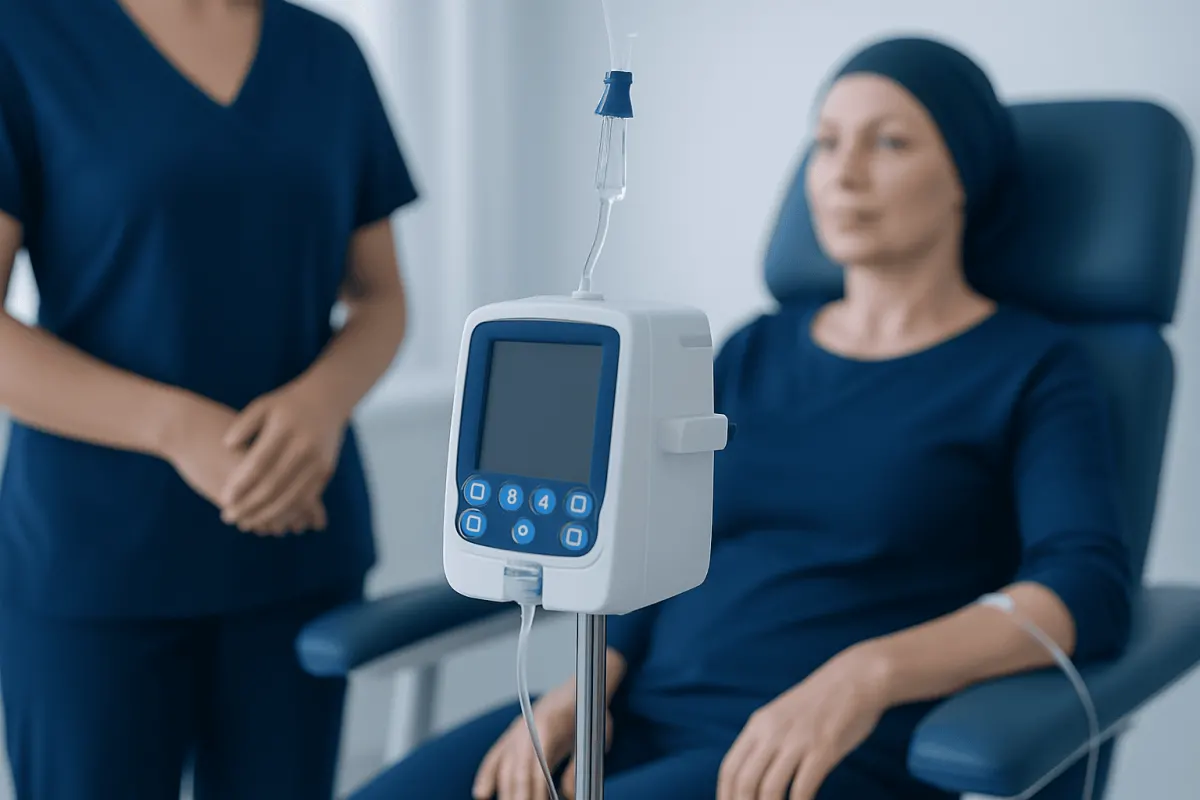
TC chemotherapy is a treatment regimen that combines docetaxel and cyclophosphamide, most often for certain types of breast cancer. It is usually given in cycles with recovery time between treatments, and the expected benefits, side effects and duration depend on the cancer and the individual treatment plan.
TC Chemotherapy Overview
TC chemotherapy is a combination cancer treatment using docetaxel (also called Taxotere) and cyclophosphamide. It is commonly used for early-stage breast cancer after surgery, or before surgery in selected situations. The medicines work in different ways to damage or stop the growth of rapidly dividing cancer cells.
The purpose of a TC chemotherapy regimen is individualized. For some people, it is adjuvant treatment, meaning it aims to reduce the chance of cancer returning after surgery. For others, it may be part of treatment before surgery or treatment for cancer that has spread. The oncology team considers the cancer type, stage, tumor biology, prior treatments, general health and personal preferences when recommending a regimen.
TC is not appropriate for every Prostate Cancer Diagnosis: Tests and Next Steps" class="ahp-ilk">cancer diagnosis or every person with breast cancer. Other systemic treatments may include hormone therapy, targeted therapy, immunotherapy, or different chemotherapy combinations. A specialist can explain how chemotherapy fits into an overall breast cancer treatment plan.
The TC Chemotherapy Schedule and Procedure
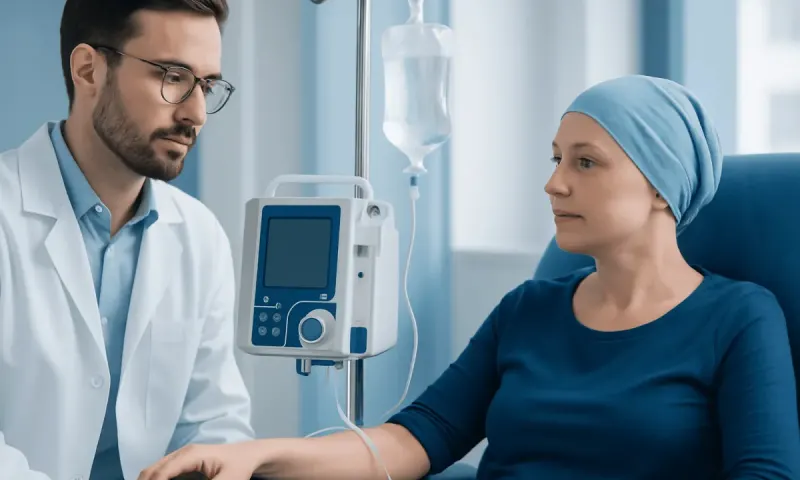
A typical TC chemotherapy schedule involves treatment once every 21 days. On treatment day, docetaxel and cyclophosphamide are given through a vein, usually in an outpatient infusion unit. Many people receive four cycles, although the number of cycles and timing may differ according to the treatment goal and medical circumstances.
Before each infusion, the care team reviews symptoms, checks blood test results and confirms that it is safe to proceed. Medicines are often given before or around chemotherapy to reduce the risk of allergic reactions, fluid retention, nausea or other effects. Some patients may receive an injection after chemotherapy to support white blood cell production and lower the risk of infection.
The infusion itself can take several hours, including preparation, premedication and observation. Patients should tell the nurse promptly about burning, pain, itching, flushing, shortness of breath, chest discomfort or dizziness during treatment. These symptoms are uncommon but should be assessed immediately.
Regular monitoring is an important part of the procedure. The team may adjust the timing or dose if blood counts are slow to recover or if side effects are significant. Changes to a plan are not necessarily a sign that treatment is ineffective; they are often used to make care safer and more tolerable.
How Do You Feel After TC Chemo?

How a person feels after TC chemo varies widely. Some feel relatively well for the first day or two because of steroid medicines given with treatment, while others feel tired, nauseated or unwell soon after the infusion. Fatigue is one of the most common effects and can affect concentration, daily routines, sleep and emotional wellbeing.
Possible effects include nausea, reduced appetite, taste changes, constipation or diarrhea, mouth soreness, muscle or joint aches, nail changes, watery eyes, numbness or tingling in the hands and feet, and temporary hair loss. Docetaxel may cause fluid retention in some people, while cyclophosphamide can irritate the bladder; drinking fluids as advised by the oncology team may be helpful.
Emotionally, it is common to experience worry, low mood, irritability or uncertainty during treatment. Support from family, friends, a cancer nurse, counselor or support group can be valuable. New or distressing symptoms should be discussed with the oncology team rather than managed alone.
Not everyone has the same side effects, and having more side effects does not mean the chemotherapy is working better. The care team can often offer practical measures, supportive medicines or treatment adjustments to improve comfort and safety.
What Are the Worst Days After TC Chemo?
For many patients, the more difficult days after TC chemotherapy occur around days 3 to 7 after an infusion. During this period, fatigue, body aches, digestive symptoms and taste changes may become more noticeable. However, the pattern differs between individuals and can also change from one cycle to the next.
White blood cell levels often fall later in the cycle, commonly around 7 to 14 days after treatment, though the exact timing depends on the person and whether growth-factor support is used. This is sometimes called the nadir period. A low white blood cell count can increase susceptibility to infection, even when a person otherwise feels reasonably well.
Many people begin to feel more like themselves during the final week before the next infusion. Keeping a brief symptom diary can help identify a personal pattern and help the care team plan supportive care. Rest, gentle movement where tolerated, regular fluids and small nourishing meals may support tc chemo recovery.
It is important not to dismiss severe symptoms as an expected part of chemotherapy. A temperature of 38°C (100.4°F) or higher, chills, breathing difficulty, confusion, severe weakness, persistent vomiting or sudden worsening pain requires prompt contact with the oncology service or urgent medical care.
How Long Does TC Chemo Stay in Your Body?
Docetaxel and cyclophosphamide are processed and cleared from the bloodstream over days, largely through the liver and kidneys. Their measurable presence in the body does not usually last for weeks. However, their effects on rapidly dividing cells, including cells in the bone marrow, digestive tract, hair follicles and nerves, may last much longer.
This distinction helps explain why symptoms can continue after an infusion is complete. Blood counts may take days or weeks to recover, hair regrowth takes time, and fatigue may persist beyond the final treatment. In some people, numbness or tingling related to nerve irritation can improve gradually over months and should be reported early.
How long it takes to recover from TC chemo is therefore not the same as how long the medicines stay in the body. Many patients recover substantially in the weeks after the last cycle, but full recovery of energy, stamina and emotional wellbeing may take several months. Recovery may be slower for people who have other medical conditions or receive additional cancer treatments.
Patients should follow their oncology team’s guidance on returning to work, exercise, travel, vaccinations and other activities. Individual advice is especially important if blood counts remain low or surgery, radiotherapy or another systemic treatment is planned.
What Is the Success Rate of TC Chemo?
There is no single success rate for TC chemo. Its expected benefit depends on why it is being used, the cancer stage, lymph node involvement, tumor grade, hormone receptor and HER2 status, genomic test results where relevant, and the other treatments included in the care plan.
For early breast cancer, adjuvant chemotherapy may lower the risk of cancer recurrence for patients whose cancer features indicate that chemotherapy is likely to help. It is not possible to judge an individual outcome from the regimen name alone. The oncologist may use pathology findings and validated risk-assessment tools to discuss the likely absolute benefit and possible risks in understandable terms.
For cancer that has spread, the goal may be to shrink or control cancer, relieve symptoms, and prolong life rather than to cure the disease. Response is assessed through clinical review, imaging when appropriate, and sometimes laboratory testing. A treatment can be beneficial even if side effects need to be managed or the schedule is adjusted.
Patients may find it helpful to ask what outcome the treatment is intended to achieve, how response will be monitored, what alternatives exist, and how their own tumor characteristics affect the expected benefit. Shared decision-making can help ensure treatment choices align with clinical evidence and personal priorities.
Practical Recovery and Self-Care During TC Chemotherapy
Recovery is supported by pacing activity and allowing rest rather than trying to maintain a usual routine at all times. Short walks or gentle activity can support sleep, mood and strength when a person feels able, but intense exercise should be discussed with the care team. It can help to plan demanding tasks for the days when energy is usually better.
Aim for regular fluids and balanced meals with protein, whole grains, fruits and vegetables as tolerated. Food safety becomes particularly important if white blood cell counts are low: wash produce carefully, cook foods thoroughly and avoid foods that the oncology team has advised against. A registered dietitian can provide individualized guidance when appetite, weight or digestion is affected.
Good hand hygiene, avoiding close contact with people who are unwell, and attending scheduled blood tests can reduce infection-related risks. Before taking vitamins, herbal remedies, over-the-counter medicines or pain relievers, patients should check with their cancer team because some products may interact with treatment or affect bleeding and infection risk.
Hair loss from TC is often temporary, although regrowth can be gradual and its texture or color may initially differ. Scalp cooling may be an option for some patients, depending on the cancer type and treatment setting. Supportive care is an essential component of chemotherapy treatment, not an optional extra.
When to Seek Medical Care
People receiving TC chemotherapy should contact their oncology team urgently for a fever of 38°C (100.4°F) or higher, shaking chills, new cough, shortness of breath, chest pain, painful urination, uncontrolled diarrhea, repeated vomiting, inability to keep fluids down, or signs of dehydration. Infection during chemotherapy may require prompt assessment because lowered white blood cells can limit the body’s ability to respond normally.
Urgent advice is also needed for sudden swelling, severe abdominal pain, unusual bruising or bleeding, black stools, severe mouth sores that prevent drinking, confusion, fainting, or a rapidly spreading rash. The team should provide a 24-hour contact number and clear instructions about where to seek emergency care outside clinic hours.
Less urgent but important concerns include worsening numbness or tingling, persistent fatigue, sleep problems, low mood, new swelling in the legs, troublesome nail changes, or symptoms that interfere with eating and everyday activities. Reporting these early can allow supportive treatment before symptoms become harder to manage.
Acıbadem Health Point’s multidisciplinary specialists and JCI-accredited hospitals provide diagnosis and treatment planning for international patients receiving cancer care. Decisions about TC chemotherapy should always be made with a qualified oncology team that knows the patient’s full medical history.
Frequently asked questions
01What does TC stand for in chemotherapy?
TC stands for docetaxel and cyclophosphamide, the two chemotherapy medicines in this regimen. It is commonly used in the treatment of some breast cancers, although its role depends on the individual diagnosis and treatment goal.
02How many cycles of TC chemotherapy are usually given?
A common plan is four cycles given every three weeks. However, the number of cycles and the interval can differ based on the cancer type, stage, treatment setting, side effects and overall health.
03What are the worst days after TC chemo?
Many people notice stronger fatigue, aches, nausea or digestive changes around days 3 to 7 after treatment. White blood cells may reach their lowest level about 7 to 14 days after chemotherapy, which can increase infection risk. The timing varies, so patients should follow their own oncology team's instructions.
04What is the success rate of TC chemo?
TC chemotherapy does not have one success rate that applies to everyone. Expected benefit depends on cancer stage, tumor biology, lymph node status, other treatments and whether the goal is to reduce recurrence risk or control advanced cancer. An oncologist can explain the likely benefit for an individual situation.
05How do you feel after TC chemo?
People may feel tired, nauseated, achy or emotionally drained, although some feel relatively well initially. Common effects can include appetite and taste changes, bowel changes, mouth soreness, hair loss and temporary lowered blood counts. Symptoms vary and should be discussed with the care team.
06How long does TC chemo stay in your body?
The medicines are generally cleared from the bloodstream over days, but their effects can last longer. Blood counts, energy levels, hair growth and nerve symptoms may take weeks or months to recover. The timeline is individual and may be affected by other treatments and health conditions.
This article is for general information only and is not a substitute for professional medical advice. Please consult a qualified doctor about your individual situation.
Persistent digestive symptoms? Get evaluated in Turkey
JCI-accredited · board-certified surgeons · reply within 24h
Add us as a Preferred Source to see more of our trusted health content across Google Search, AI Overviews and Discover.