

Tattoo Painful Chart: Causes, Relief and When to Worry
- 10 min read
- Published November 27, 2026
Key Takeaways
- Pain is usually higher over thin skin, bone, and sensitive nerve-rich areas.
- The same tattoo can feel different from one person to another.
- Normal tattoo soreness should gradually improve, not worsen over time.
- Redness, swelling, pus, fever, or spreading pain can signal a complication.
- Good preparation, breaks, and proper aftercare can make the process easier.
A tattoo painful chart is a simple way to understand why certain body areas feel more intense during tattooing than others. Pain level depends on skin thickness, nerve density, bone proximity, and personal sensitivity, and most discomfort can be managed with good planning and aftercare.
Overview
A tattoo painful chart helps people predict which body areas are likely to feel mild, moderate, or intense pain during tattooing. It is not a medical test or an exact scale, but it can be a useful guide when someone is choosing placement for a first tattoo or planning a larger design.
The short answer is that tattoos tend to hurt more where skin is thin, where there is less padding over bone, and where the skin is close to nerves or sensitive structures. Areas such as the ribs, sternum, ankles, feet, elbows, inner arms, and groin often rank higher on pain charts, while the outer upper arm, thigh, and forearm are commonly easier to tolerate.
For international patients traveling for tattoo-related skin concerns or considering treatment of a tattoo complication, it is especially helpful to think beyond pain alone. Climate, travel timing, sleep, stress, and access to aftercare can all influence how the skin responds and how comfortable recovery feels after the session.
What a Tattoo Painful Chart Usually Shows
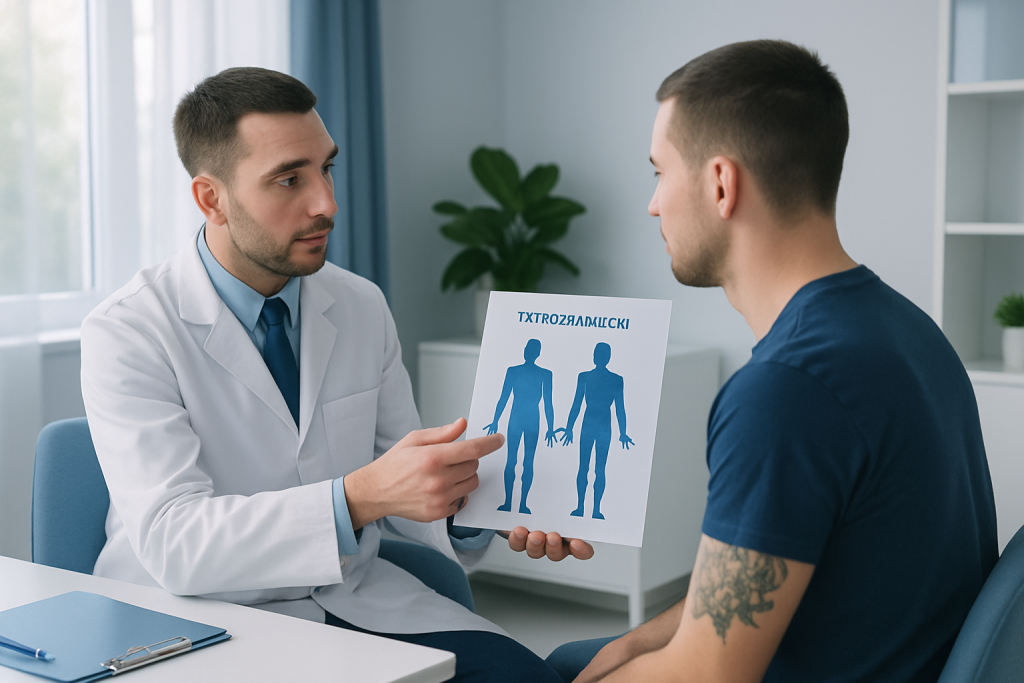
Most tattoo pain charts group body areas into broad zones rather than precise numbers. Lower-pain areas often include the outer upper arm, outer thigh, calf, and upper back. Moderate-pain areas may include the forearm, shoulder, chest away from the sternum, and inner biceps. Higher-pain areas often include the ribs, nipples, spine, hands, feet, armpits, and inner groin.
These charts are best understood as patterns, not promises. A person with a high pain tolerance may find a rib tattoo manageable, while another person may find the upper arm unexpectedly sharp. Tattoo style also matters; dense shading, repeated passes, and long sessions can make an area feel more painful even if the location itself is usually considered easier.
The emotional setting matters too. Anxiety, lack of sleep, dehydration, and skipping meals can make discomfort feel stronger. People who are planning a tattoo while traveling may benefit from discussing session length, break timing, and aftercare access before the appointment begins.
- Often less painful: outer upper arm, outer thigh, calf, shoulder
- Often moderate: forearm, chest, back, inner arm
- Often more painful: ribs, spine, hands, feet, armpits, groin
Why Some Tattoo Spots Hurt More Than Others
Pain varies because the body is not equally padded everywhere. Places with more fat or muscle cushioning tend to absorb the sensation better, while areas with little tissue over bone can transmit the vibration and pressure of tattooing more strongly. That is why the ribs or shin often feel sharper than the thigh or shoulder.
Nerve density is another reason. Some regions have more sensory nerves, and areas with thinner skin may also be more reactive. Even small changes in anatomy can change the experience: for example, the same general zone may feel different on the inner arm compared with the outer arm.
Skin condition can influence pain as well. Dry, irritated, sunburned, or recently shaved skin may be more sensitive. Previous scars, stretch marks, or areas with inflammation may also behave differently, so a tattoo artist may suggest adjusting placement or splitting work into smaller sessions.
How to Reduce Tattoo Pain Safely
There is no way to remove tattoo pain completely, but several practical steps can make it easier to tolerate. Well-rested, hydrated people often cope better than those who arrive tired or hungry. A balanced meal beforehand can help maintain steadiness during the session, and comfortable clothing can prevent extra irritation around the tattooed area.
Taking breaks, breathing slowly, and staying still can also help. Many people find that shorter sessions are more manageable than trying to finish a large design in one sitting. If the tattoo artist recommends a longer project, it may be safer and more comfortable to divide it into stages.
Topical numbing products may be discussed in some settings, but they should only be used with professional guidance. Not every product is appropriate for every person or tattoo area, and some can affect skin texture or the tattooing process. Anyone with allergies, sensitive skin, heart conditions, or pregnancy-related concerns should ask a qualified clinician or the tattoo professional before using any numbing agent.
- Eat before the appointment, unless a clinician has advised otherwise.
- Hydrate well in the day leading up to the session.
- Avoid alcohol before tattooing, since it may worsen bleeding and swelling.
- Plan a realistic session length, especially for sensitive areas.
- Follow the artist’s aftercare instructions carefully.
What Pain Is Normal After a Tattoo
Mild soreness, warmth, redness, and a tender or sunburn-like feeling are common in the first day or two after a tattoo. The skin may feel tight or slightly swollen, particularly if the area was worked on for a long time. Some itching and light flaking can also appear as the skin heals.
Normal recovery should show gradual improvement. The area should become less painful over time, and redness should slowly fade rather than expand. Mild discomfort that responds to gentle care is usually part of the expected healing process.
It is also common for different body parts to recover at different speeds. A tattoo on the ankle or ribs may stay more sensitive than one on the upper arm because these areas move more, rub against clothing more often, or have thinner skin. Good aftercare helps protect the skin barrier while it heals.
When Tattoo Pain May Signal a Problem
Pain that becomes stronger instead of better deserves attention. Increasing redness, swelling, throbbing, warmth, pus, foul odor, or a rash may suggest infection or a skin reaction. Fever, chills, or red streaks spreading away from the tattoo are more concerning and should be assessed by a doctor promptly.
Allergic reactions can also occur, especially to certain inks or aftercare products. These may cause persistent itching, hives, blistering, or a rash that spreads beyond the tattooed area. If the skin develops open sores, severe tenderness, or unusual discoloration, the person should stop using new products and seek medical advice.
People with diabetes, immune system disorders, a history of poor wound healing, or certain skin conditions should be especially careful and may need closer medical guidance. Even without these conditions, any tattoo that looks infected or feels markedly worse after the first few days should be checked by a clinician.
Prevention & Self-care
The best way to reduce problems is to plan for the tattoo as a skin procedure, not just an art appointment. Choosing a reputable studio, confirming sterile technique, and discussing placement honestly can lower the chance of unnecessary pain or healing problems. For larger pieces, spacing sessions sensibly can help the skin recover between visits.
After the tattoo, gentle cleansing, moisturizing as directed, and avoiding scratching or soaking are key. Sun protection matters too, because fresh tattoos can become more irritated if exposed to strong sunlight. Tight clothing, friction, swimming pools, and hot tubs can also interfere with healing and should usually be avoided until the skin has settled.
For people traveling after the procedure, it helps to pack a simple aftercare kit and allow enough time before long flights, beach days, or heavy exercise. If the tattoo is in a high-friction area, planning looser clothing and minimizing rubbing can make recovery more comfortable.
- Keep the area clean and follow professional aftercare advice.
- Do not pick at scabs or peeling skin.
- Avoid sun exposure on fresh tattoos.
- Be cautious with swimming, sweating, and friction.
- Seek help if healing seems to be getting worse rather than better.
When to See a Doctor
A doctor should be consulted if tattoo pain is severe, worsening, or paired with signs of infection or allergy. It is also wise to seek medical attention if the skin is not healing as expected after several days, if a rash spreads, or if the person feels unwell overall.
Medical review is especially important for people who are immunocompromised, have diabetes, have a history of keloids or unusual scarring, or notice that a tattooed area becomes unusually hot, hard, or increasingly tender. A clinician can assess whether the problem is a routine healing issue, a skin infection, or a reaction that needs treatment.
When international patients are deciding where to seek care, a coordinated evaluation can help if the tattooed skin needs assessment or if the concern appears more than minor irritation. Acibadem Health Point’s multidisciplinary specialists and JCI-accredited hospitals diagnose and treat such conditions for international patients in a structured, patient-centered way.
A practical way to read a tattoo painful chart
A tattoo painful chart is most useful when it helps someone make a calm, informed choice rather than fear the appointment. It can guide placement decisions, set expectations for session length, and encourage better preparation for sensitive areas. The chart becomes more accurate when paired with the person’s own health history and skin type.
For a first tattoo, many people prefer a lower-pain area so they can learn how their body responds. For more complex designs, an artist may suggest starting in easier zones and building toward more sensitive areas later. That approach can improve comfort without sacrificing the final result.
Ultimately, tattoo pain is temporary, but skin health deserves attention throughout the process. Knowing what is typical, what can be prevented, and what should be checked by a doctor gives people a safer and more confident path from consultation to healing.
Frequently asked questions
01Which tattoo spots hurt the most?
Areas with thin skin, less padding, or more nerve sensitivity often hurt more. Common examples include the ribs, spine, hands, feet, armpits, and groin, though individual experience can vary a lot.
02Is a tattoo on the forearm painful?
The forearm is often considered a moderate-pain area rather than one of the most painful spots. Many people tolerate it well, but sensitivity can increase with longer sessions or more detailed shading.
03How long should tattoo pain last after the session?
Mild soreness and tenderness are common for a short time after tattooing, and they should gradually improve. If pain is getting worse after the first few days, or is linked with redness, swelling, or discharge, medical advice is appropriate.
04Can numbing cream help with tattoo pain?
Some people use numbing products, but they are not suitable for everyone or every situation. A tattoo artist or clinician should guide the choice because certain products can irritate the skin or affect the tattooing process.
05What is the difference between normal healing and infection?
Normal healing usually involves mild redness, tenderness, itching, and peeling that slowly improve. Infection is more likely when pain increases, redness spreads, pus appears, the area feels hot, or the person develops fever or chills.
06Should someone avoid tattoos if they have a skin condition?
Not always, but conditions such as eczema, psoriasis, diabetes, or a tendency to scar may require extra planning. A doctor or dermatologist can advise whether the skin is stable enough and how to lower the risk of complications.
This article is for general information only and is not a substitute for professional medical advice. Please consult a qualified doctor about your individual situation.
Joint and spine care in Turkey — expert assessment & treatment
JCI-accredited · board-certified surgeons · reply within 24h
Add us as a Preferred Source to see more of our trusted health content across Google Search, AI Overviews and Discover.



How can we help you today?
Meet an Acibadem specialist by secure video, before you travel.
Book a video visit