Taking Off a Toenail: How Nail Removal Is Performed
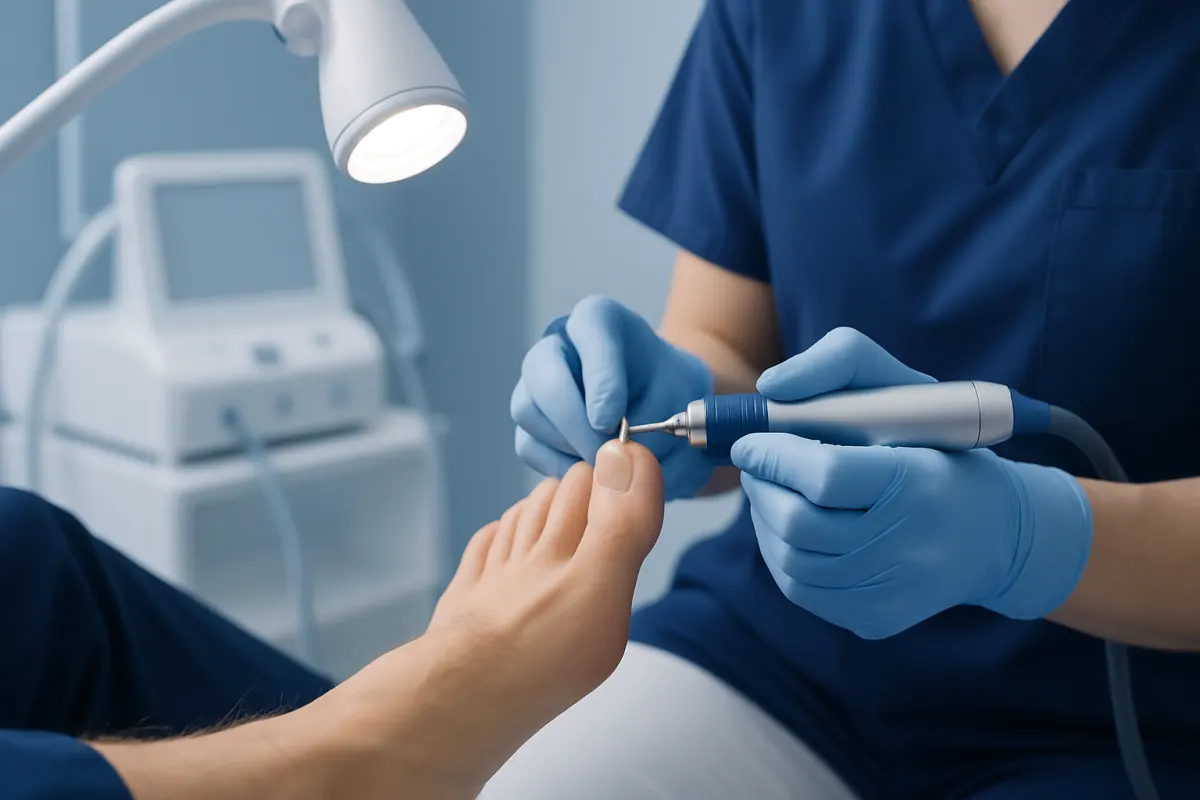
Taking off a toenail, medically called nail avulsion, may be recommended when a nail is severely injured, repeatedly ingrown, thickened, or affected by an infection that does not improve with other care. A clinician can remove part or all of the nail using local anesthesia and provide guidance to support safe healing.
What does taking off a toenail involve?
Taking off a toenail is a medical procedure in which a clinician removes part of a nail or the whole nail from the nail bed. The medical term is nail avulsion. It may be used to relieve pain from an ingrown nail, treat significant nail damage, allow treatment of infection beneath the nail, or address a nail that has become persistently thickened or distorted.
In many cases, removing the entire nail is not necessary. A partial nail avulsion removes the narrow side of the nail that is pressing into the surrounding skin. This approach is commonly used for recurring ingrown toenails. Total nail avulsion removes the full nail plate and may be considered after major trauma, extensive disease, or when the condition affects most of the nail.
A toenail should not be pulled off at home. Attempting this can cause unnecessary pain, bleeding, damage to the nail bed and infection. A healthcare professional can identify why the nail is problematic and determine whether removal, medication, trimming, drainage, or another treatment is the most suitable option.
Why might a toenail need to be removed?
Toenail removal is usually considered after an assessment of the toe and nail. Common reasons include an ingrown toenail that repeatedly causes pain, swelling or skin infection; a nail injury that has partly detached the nail; or a painful collection of blood under the nail after trauma. It may also be considered when a thick or deformed nail makes walking or wearing shoes difficult.
Fungal nail infection can make a toenail yellow, crumbly, thick or lifted from the nail bed. However, removal is not routinely needed for every fungal infection. A clinician may first recommend confirming the diagnosis and discussing antifungal options. Learn more about fungal nail infection and the range of treatments that may be appropriate.
Some people have a permanently altered nail after injury, previous surgery, psoriasis, circulation problems or repeated pressure from footwear. A doctor may examine the nail, skin and circulation before recommending a procedure. They may also consider other explanations for nail color or shape changes, particularly if only one nail has changed without an obvious cause.
- Repeated ingrown nail symptoms despite appropriate nail and footwear care
- Severe nail trauma or a loose, painful nail
- Persistent nail thickening or deformity causing pressure and pain
- Inflammation or infection around the nail that requires procedural treatment
- A suspicious or unexplained nail change needing specialist evaluation
How clinicians assess the nail before removal

Before taking off a toenail, a clinician will ask about symptoms, injury, previous ingrown nails, footwear, medical conditions and medicines. They will examine the toe for swelling, drainage, redness, warmth, tenderness and changes in nail shape or color. The assessment also helps distinguish fungal infection from trauma, eczema, psoriasis and other nail conditions.
Testing is not always required. If fungal infection is suspected, a nail clipping or scraping may be sent for laboratory testing before long-term treatment is prescribed. If there has been an injury, an X-ray may be considered when a fracture or damage to the underlying bone is possible. Recurrent inflammation of the nail fold may need treatment as an ingrown toenail rather than full nail removal.
It is important to tell the clinician about diabetes, peripheral artery disease, reduced sensation in the feet, bleeding disorders, use of blood-thinning medicines, immune suppression or allergies to medicines. These factors do not always prevent a procedure, but they can affect wound-care planning, healing and follow-up. People with reduced circulation or sensation need particularly careful foot assessment.
What happens during toenail removal?
Toenail removal is commonly performed in an outpatient clinic. The toe is cleaned, and local anesthetic is injected near its base to numb it. The injection can sting briefly, but the toe should be numb before the clinician starts. A small band may be placed around the toe temporarily to reduce bleeding during the procedure.
For a partial procedure, the clinician separates and removes the affected strip of nail while preserving the rest of the nail. For total nail avulsion, the nail plate is gently loosened and removed from the nail bed. The exposed area is then cleaned and covered with a non-stick dressing. The procedure itself is usually relatively short, although preparation and recovery from anesthesia take additional time.
When an ingrown nail repeatedly returns, the clinician may treat the growth area beneath the removed edge so that the troublesome section does not grow back. This is called a matrix procedure. It is not the same as simply removing a nail, and the decision depends on the history of symptoms, nail shape and the person’s health. Ingrown toenail treatment may include this type of targeted procedure when conservative measures have not been successful.
Afterward, the toe is bandaged and the patient receives instructions about pain relief, dressing changes, bathing, activity and follow-up. The anesthetic may keep the toe numb for several hours, so protecting it from knocks, heat and pressure is important on the day of treatment.
Healing after taking off a toenail
Some soreness, throbbing, mild swelling and a small amount of clear or blood-tinged drainage can occur during the first days after nail removal. This generally improves with time. The toe may feel more comfortable when elevated, and a roomy shoe or open-toed footwear may reduce pressure if it is safe and appropriate for the setting.
Wound-care instructions vary according to whether part or all of the nail was removed and whether the nail matrix was treated. In general, patients should keep the dressing clean and dry for the period advised, wash their hands before touching the area, and change dressings exactly as instructed. They should avoid swimming, soaking and strenuous activity until a clinician says these are safe.
The nail bed is sensitive while it is uncovered. A protective dressing helps prevent friction from socks and shoes. Patients should not pick at crusting, cut remaining nail edges deeply, or apply antiseptics, antibiotics or home remedies unless advised. If pain increases rather than gradually easing, medical advice is appropriate.
Toenails grow slowly. A partially removed edge may take months to grow outward. After total removal, a new toenail often takes around a year or longer to grow, and regrowth can be slower in older adults or people with circulation concerns. The new nail can sometimes grow with a different thickness, curve or appearance, particularly after significant injury or matrix treatment.
Preventing future nail problems
Not every nail problem can be prevented, but simple foot-care habits can lower the chance of recurrent ingrown nails and injury. Toenails are best cut straight across, without cutting deeply into the corners. Filing sharp edges is safer than digging beneath the nail or attempting to remove a corner. Nails are often easier to trim after bathing, but should be dried well afterward.
Shoes should have adequate width and depth at the toe box. Repeated pressure from narrow, short or tight shoes can push the nail into the skin and worsen thickened nails. For sports or work activities with a risk of toe injury, well-fitting protective footwear can help reduce trauma.
Keeping feet clean and dry, changing socks regularly, and avoiding sharing nail clippers or footwear may reduce the spread of fungal organisms. Nail salons should use appropriately cleaned equipment. People with diabetes should inspect their feet regularly and seek advice promptly for cuts, redness, blisters, nail changes or areas of pressure rather than performing self-treatment.
If fungal disease is confirmed, appropriate nail fungus treatment can help address the infection and may reduce the risk of progressive nail damage. Treatment choice depends on the number of nails involved, severity, other medical conditions and possible medicine interactions.
When to seek medical care
Prompt medical advice is important if there is spreading redness, increasing warmth or swelling, worsening pain, pus-like drainage, fever, red streaks from the toe, or difficulty walking after a nail injury or removal. These symptoms can indicate infection or another problem that needs assessment. A rapidly darkening nail, a dark streak that does not grow out with the nail, or unexplained persistent nail changes should also be reviewed.
People with diabetes, poor circulation, peripheral neuropathy, a weakened immune system or a history of foot ulcers should contact a healthcare professional early for any ingrown nail, suspected infection or nail injury. They should not try to cut away an ingrown section or remove a loose toenail themselves, as minor wounds may become more serious in these circumstances.
A primary care clinician, dermatologist, podiatrist or foot and ankle specialist can assess persistent symptoms and advise on care. Acıbadem Health Point’s multidisciplinary specialists and JCI-accredited hospitals diagnose and treat nail and foot conditions for international patients. Individual treatment decisions should always follow a personal clinical assessment.
Frequently asked questions
01Is taking off a toenail painful?
The toe is usually numbed with a local anesthetic before the nail is removed, so the procedure itself should not be painful. The anesthetic injection may cause a brief sting, and soreness can occur once the numbness wears off. A clinician can advise on suitable pain relief and aftercare.
02Can a toenail grow back after removal?
Yes, a toenail can grow back if the nail matrix, the area that produces the nail, remains intact. Full toenail regrowth is slow and often takes about a year or longer. If a matrix procedure is performed to stop recurrent ingrown growth, the treated portion may not regrow.
03Should a loose toenail be removed at home?
No. Pulling or cutting off a loose toenail at home can injure the nail bed, cause bleeding and increase the risk of infection. A clinician can determine whether the nail should be protected, trimmed, drained or removed safely.
04How long should a toe be kept covered after toenail removal?
The required dressing time depends on the type of procedure and the condition of the wound. Many people need to protect the area during the early healing period and change dressings as instructed. The treating clinician should provide individualized guidance on bathing, footwear and when a covering is no longer needed.
05Can toenail removal cure a fungal nail infection?
Removing a nail does not always cure fungal infection because fungi can remain in the nail bed or surrounding skin. Antifungal treatment may still be recommended after testing and assessment. The best approach depends on the severity of infection and the person’s overall health.
06When can a person walk after toenail removal?
Many people can walk carefully soon after the procedure, although it is often more comfortable to rest and elevate the foot on the first day. Walking should be limited if it increases pain, bleeding or swelling. Returning to sport or high-impact activity may take longer and should follow clinical advice.
This article is for general information only and is not a substitute for professional medical advice. Please consult a qualified doctor about your individual situation.
Explore treatments in Turkey — costs, top hospitals & a free quote
JCI-accredited · board-certified surgeons · reply within 24h
Add us as a Preferred Source to see more of our trusted health content across Google Search, AI Overviews and Discover.