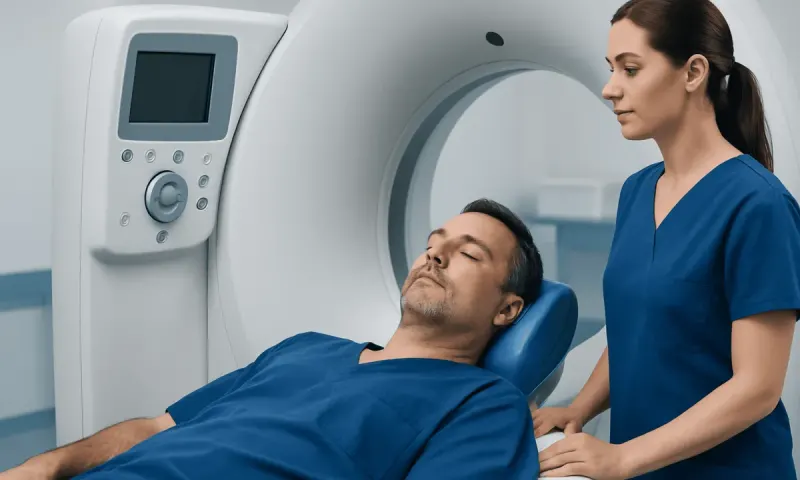
TACE Procedure for Liver Tumors: What to Expect

A TACE procedure is a minimally invasive liver cancer treatment that delivers chemotherapy directly to a tumor while reducing its blood supply. Recovery commonly involves short-term fatigue, pain, nausea, or fever, and follow-up scans help show how the tumor has responded.
TACE procedure overview
A TACE procedure, or transarterial chemoembolization, is an image-guided treatment that delivers chemotherapy into blood vessels supplying liver tumors and then blocks those vessels. It is designed to limit the tumor’s blood supply while concentrating treatment in the liver; recovery commonly takes days to weeks, and results are assessed with follow-up imaging.
TACE is used most often for hepatocellular carcinoma, the most common primary liver cancer. It may be considered when cancer is mainly within the liver and surgery or thermal ablation is not suitable, or when treatment is intended to control tumors while a person is being assessed for other options, such as liver transplantation.
Many liver tumors receive much of their blood supply from the hepatic artery, while healthy liver tissue has additional blood flow through the portal vein. This difference can allow specialists to target tumors selectively. TACE is not the same as standard chemotherapy given into a vein, and it differs from radioembolization, which uses radioactive particles rather than chemotherapy.
TACE procedure step by step
Before a TACE procedure, the care team reviews recent CT or MRI scans, blood tests, liver and kidney function, and medicines. The person should tell the team about blood thinners, diabetes medicines, allergies to contrast dye, kidney concerns, pregnancy, previous bile duct procedures, and any symptoms of infection. Fasting and medication instructions vary, so medicines should not be stopped or changed unless the treating team advises it.
During the procedure, an interventional radiologist usually numbs the skin at the wrist or groin and inserts a thin catheter into an artery. Using X-ray guidance and contrast dye, the specialist guides the catheter into selected arteries feeding the tumor. Chemotherapy mixed with an embolic material, or carried in drug-eluting beads, is then delivered to reduce blood flow to the tumor. Sedation is often used to support comfort, although the anesthesia plan is individualized.
When treatment is complete, the catheter is removed and pressure or a closure device is used at the entry site. The person is monitored for pain, nausea, blood pressure changes, and bleeding from the access site. Some people are discharged the same day, while others stay overnight or longer depending on their health, the extent of treatment, and local clinical practice.
Who may be offered TACE and how planning works

TACE planning is individualized and generally involves a multidisciplinary team that may include liver specialists, medical oncologists, surgical oncologists, transplant specialists, and interventional radiologists. The team considers the number, size, and location of tumors; whether cancer has spread outside the liver; blood flow in the liver; and the amount of healthy liver function remaining.
For selected people with liver-dominant cancer, TACE can help reduce tumor activity, slow local progression, or lower tumor burden. It may be used as a bridge to transplantation or, in some situations, to make another local treatment more feasible. TACE is usually part of an overall cancer care plan rather than a stand-alone answer for every type or stage of liver cancer.
It may not be the safest choice for everyone. Significant liver failure, uncontrolled infection, severe kidney impairment, certain blood-flow problems in the liver, bleeding risks, or substantial disease outside the liver can affect suitability. In these situations, the team may recommend another liver-directed treatment, systemic therapy, surgery, Cancer Radiation Treatment: Options and Outlook" class="ahp-ilk">radiation treatment, or supportive care instead.
What is the recovery like after TACE?
Immediately after TACE, staff monitor the puncture site, comfort level, circulation, and liver-related symptoms. It is common to feel tired or sore for the first few days. Depending on the treatment plan and sedation used, a responsible adult may need to be available after discharge, and driving should be avoided until the care team says it is safe.
Many people experience post-embolization syndrome, which can include abdominal pain or pressure, nausea, reduced appetite, tiredness, and a temporary fever. These effects happen as the treated tumor and nearby liver tissue react to reduced blood flow. Symptoms often improve over several days, although fatigue and reduced appetite can last longer for some people.
TACE procedure after care focuses on rest, symptom control, hydration when appropriate, and protecting the catheter entry site. Typical TACE procedure precautions include:
- Taking prescribed pain or anti-nausea medicine exactly as directed.
- Keeping the wrist or groin access site clean and following discharge instructions for bathing and dressing changes.
- Avoiding strenuous exercise, heavy lifting, and driving until cleared by the clinical team.
- Eating small, nourishing meals if appetite is low and drinking fluids unless a clinician has advised fluid restriction.
TACE recovery time varies with liver function, the amount of liver treated, and other health conditions. Many people can resume light daily activities within several days, but they should follow their own discharge plan and attend scheduled blood tests and imaging appointments.
Results: how TACE works over time
How successful is TACE for liver cancer?
For appropriately selected people, TACE is an established liver-directed treatment that can reduce blood flow to tumors, cause tumor cell death, and help control cancer within the liver. Its purpose may be to shrink or stabilize tumors, relieve tumor-related pressure, preserve eligibility for transplantation, or delay progression. It is generally not considered a cure for most people with liver cancer, and its benefit depends strongly on the cancer pattern and the condition of the liver.
What is the success rate of TACE?
There is no single TACE success rate that applies to every person. Studies measure success differently, including the proportion of tumors that show reduced contrast enhancement, the length of time cancer remains controlled, the ability to proceed to another treatment, and overall survival. Results vary according to liver function, tumor burden, tumor blood supply, the type of embolic material used, and whether TACE is combined with or followed by another treatment.
How long does it take for TACE to work?
The reduction in tumor blood supply occurs during the procedure, but the full tumor response develops over the following weeks. A contrast-enhanced CT scan or MRI is often arranged about four to eight weeks afterward, although timing differs by center and clinical situation. A treated tumor may not shrink immediately; reduced enhancement on a scan can indicate that less active tumor tissue remains. Some people need more than one staged TACE treatment, especially when there are several tumors.
Benefits, risks and other treatment options
A potential benefit of TACE is that it treats tumors through the blood vessels without open surgery. It can target selected areas of the liver while aiming to preserve as much healthy liver tissue as possible. The procedure may also be repeated in carefully selected cases if liver function and imaging findings support further treatment.
Like all invasive procedures, TACE has risks. Temporary pain, nausea, fatigue, fever, and appetite changes are common after-effects. Less common but important complications can include infection, bleeding or bruising at the catheter site, injury to blood vessels or bile ducts, kidney problems related to contrast dye, allergic reactions, gallbladder inflammation, and worsening liver function. The clinical team monitors for these concerns before and after treatment.
Other options may include surgery, thermal ablation, radioembolization, external-beam radiation, systemic anti-cancer medicines, liver transplantation, or supportive care. The most appropriate approach depends on the individual diagnosis and priorities. A patient should feel comfortable asking what the goal of TACE is in their case, what alternatives exist, and how treatment may affect daily life and liver function.
When to seek medical care
After TACE, the treatment team should be contacted promptly for worsening or severe abdominal pain, persistent or escalating fever or chills, repeated vomiting, new jaundice, increasing confusion, shortness of breath, unusual weakness, or swelling, redness, drainage, or bleeding at the wrist or groin entry site. Emergency medical care is needed for severe breathing difficulty, heavy bleeding, fainting, chest pain, or sudden neurological symptoms.
It is also important to contact the care team if symptoms are not improving as expected or if there are questions about medicines, diet, activity, or follow-up scans. Acıbadem Health Point’s multidisciplinary specialists at JCI-accredited hospitals can assess and treat liver tumors for international patients, with care plans coordinated around the person’s diagnosis and overall health.
Frequently asked questions
01Is TACE the same as chemotherapy?
TACE uses a chemotherapy medicine, but it is delivered through a catheter into arteries that supply the liver tumor rather than being given mainly through a vein. The embolization part of the treatment also blocks tumor blood flow, so TACE is different from standard systemic chemotherapy.
02Does TACE cure liver cancer?
TACE is usually used to control liver tumors rather than cure liver cancer on its own. In selected situations, it may help keep cancer controlled while a person waits for transplantation or another treatment.
03Can TACE be repeated?
Yes, TACE can sometimes be repeated if follow-up imaging shows remaining active tumor and liver function is adequate. The decision is based on the previous response, side effects, tumor distribution, and the person's overall health.
04Can a person go home on the day of a TACE procedure?
Some people go home the same day, while others stay in hospital overnight for observation and symptom control. The decision depends on the extent of treatment, anesthesia or sedation, liver function, pain or nausea, and available support at home.
05What should a person eat after TACE?
Once the clinical team allows eating, many people find that small, light meals are easier while nausea or appetite loss is present. Hydration may be helpful unless fluid intake is restricted because of another medical condition, such as heart or kidney disease.
06How is TACE follow-up monitored?
Follow-up usually includes blood tests and a contrast-enhanced CT scan or MRI several weeks after treatment. These checks assess liver function, look for treatment response, and help determine whether further TACE or another treatment is appropriate.
This article is for general information only and is not a substitute for professional medical advice. Please consult a qualified doctor about your individual situation.
Persistent digestive symptoms? Get evaluated in Turkey
JCI-accredited · board-certified surgeons · reply within 24h
Add us as a Preferred Source to see more of our trusted health content across Google Search, AI Overviews and Discover.