Symptom of Endometrial Polyp: What You Need to Know

Key Takeaways
- Abnormal uterine bleeding is the most common symptom of endometrial polyp.
- Some endometrial polyps cause no symptoms and are found during testing for other concerns.
- Ultrasound, saline infusion sonography, and hysteroscopy are commonly used to evaluate suspected polyps.
- Treatment depends on symptoms, polyp size, age, and cancer risk factors.
- After removal, follow-up may be advised if bleeding returns or if risk factors are present.
The symptom of endometrial polyp is most often abnormal uterine bleeding, but some people have no symptoms at all. Understanding the pattern of bleeding, when to seek evaluation, and how polyps are diagnosed can help women get the right care without unnecessary worry.
Overview
An endometrial polyp is a small growth that develops from the lining of the uterus, called the endometrium. The symptom of endometrial polyp is most often a change in bleeding pattern, especially bleeding between periods, heavier periods, or bleeding after menopause. In some people, however, there are no clear symptoms at all.
Because these growths can look and feel similar to other gynecologic conditions, they are usually not diagnosed by symptoms alone. A careful medical evaluation helps distinguish a polyp from hormone-related bleeding, fibroids, infection, or other causes. That is especially important for women who are traveling for care and want to make one well-planned visit count, with the right tests arranged efficiently.
Most endometrial polyps are not cancerous. Still, new or unusual bleeding should never be ignored, particularly after menopause or when fertility is a concern. A timely assessment can bring reassurance and, when needed, guide treatment.
Symptoms
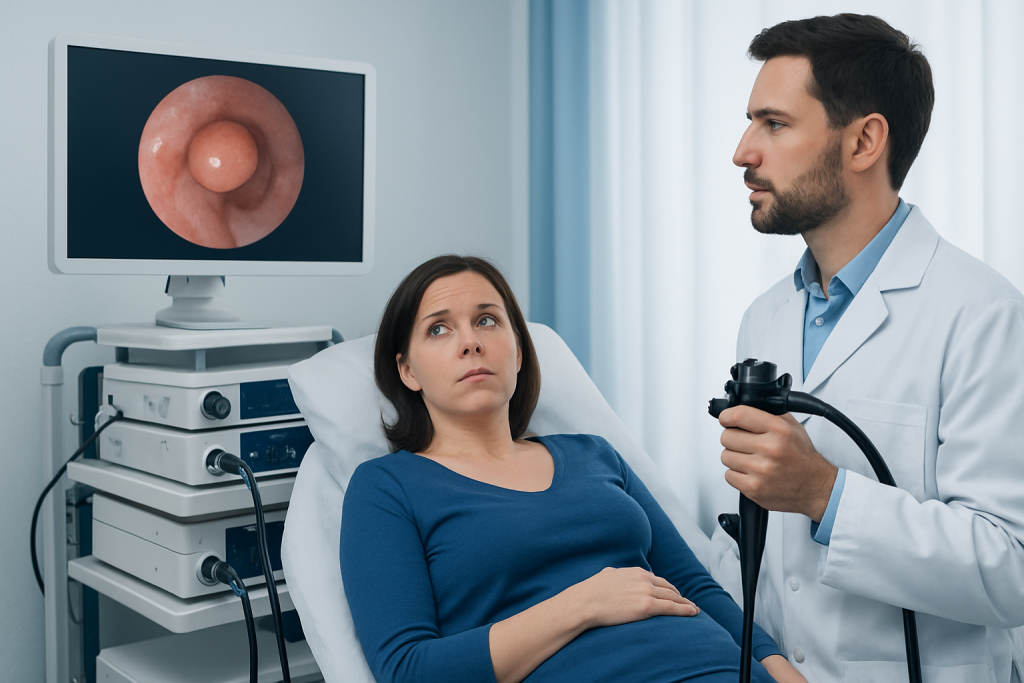
The most recognized symptom of endometrial polyp is abnormal uterine bleeding. This can appear in several ways, and the pattern may differ from person to person. Some women notice only a light spot of blood, while others have bleeding that is more persistent or disruptive.
Possible symptoms include:
- Bleeding between menstrual periods
- Periods that are heavier or longer than usual
- Spotting after menopause
- Bleeding after sexual intercourse
- Irregular bleeding while using hormone treatment
- Difficulty becoming pregnant in some cases
Some endometrial polyps cause no symptoms and are discovered during an ultrasound, fertility evaluation, or investigation for unrelated bleeding. When symptoms are present, they may come and go, which is why a person may be unsure whether the change is significant. Any bleeding that is new, unexplained, or different from a usual cycle deserves medical attention.
Causes & Risk Factors

The exact cause of endometrial polyps is not always clear. They are thought to form when the endometrial lining grows in a localized way rather than shedding evenly each month. Hormonal influences, especially estrogen-related effects on the uterine lining, likely play a role.
Certain factors may make polyps more likely. These include being in the perimenopausal or postmenopausal stage, having obesity, using some forms of hormone therapy, and having a history of uterine lining overgrowth. Infertility evaluations sometimes reveal polyps as well, because they can interfere with implantation in some women.
Although most polyps are benign, age and bleeding pattern matter when doctors assess risk. Postmenopausal bleeding, in particular, is evaluated carefully. A specialist may also consider whether a person has a family history or other factors that warrant closer examination of the uterine lining.
Diagnosis
Diagnosis usually begins with a conversation about the bleeding pattern, menstrual history, medications, pregnancy possibility, and menopausal status. A pelvic exam may be performed, but it often cannot confirm a polyp on its own.
Imaging and direct visualization are the main tools used to identify an endometrial polyp. Transvaginal ultrasound is commonly the first test. If more detail is needed, saline infusion sonography may help outline the uterine cavity more clearly. Hysteroscopy allows a doctor to look directly inside the uterus and is often the most informative test when a polyp is suspected.
In some cases, tissue sampling is recommended, especially if bleeding is persistent, the person is postmenopausal, or the uterine lining appears thickened. This helps rule out more serious conditions and guides the most appropriate treatment plan. For international patients, having imaging and gynecologic consultation coordinated in advance can make the diagnostic pathway smoother and less repetitive.
Treatment Options
Not every endometrial polyp requires immediate treatment. When a polyp is small, causes no symptoms, and appears low risk, a clinician may recommend observation. This approach depends on the overall picture, including age, bleeding pattern, and whether there are fertility concerns.
When treatment is needed, the most common approach is hysteroscopic polypectomy, a procedure in which the polyp is removed through the cervix without an external incision. This both treats the symptom and allows the tissue to be sent for laboratory analysis. If bleeding is related to hormonal imbalance or if polyps recur, a doctor may discuss additional management tailored to the individual.
The best option depends on the person’s goals. Someone trying to conceive may want prompt removal to support fertility, while someone with postmenopausal bleeding may need a more detailed evaluation of the uterine lining. The plan should be individualized rather than one-size-fits-all.
Prevention & Self-care
There is no guaranteed way to prevent an endometrial polyp, but some steps may support overall uterine health and make follow-up easier. Paying attention to menstrual changes is one of the most useful habits, because early reporting helps doctors evaluate bleeding patterns while they are still recent and clear.
Self-care also includes keeping records of cycle dates, spotting episodes, and any bleeding after sex or after menopause. This information helps clinicians see whether the pattern suggests a polyp or another cause. If a person is planning care from another country, bringing prior ultrasound reports, biopsy results, and medication lists can save time and avoid duplicate testing.
General health measures such as maintaining a healthy weight, reviewing hormone use with a doctor, and attending recommended gynecology visits may also be helpful. These steps do not replace medical evaluation, but they support informed, proactive care.
When to See a Doctor
A medical appointment is appropriate for any persistent or unexplained uterine bleeding. This is especially important if bleeding occurs after menopause, becomes heavier than usual, or happens between periods without a clear reason. A clinician can determine whether the symptom of endometrial polyp is likely or whether another condition should be considered.
It is also wise to seek evaluation if bleeding is affecting daily life, if pregnancy has not occurred as expected, or if a person has already been told that the uterine lining looks abnormal. Quick assessment can reduce uncertainty and help decide whether observation, further testing, or removal is the best next step.
Acibadem Health Point’s multidisciplinary specialists and JCI-accredited hospitals diagnose and treat endometrial polyps for international patients with coordinated care and follow-up planning. That kind of organization can be especially valuable when a person needs answers efficiently while balancing travel, work, and recovery.
Living With Symptoms and Follow-Up
When symptoms are mild, people may be tempted to wait and see whether the bleeding settles on its own. That can be reasonable in selected cases, but only after a clinician has considered the person’s age, menopausal status, and overall risk profile. The important point is to avoid assuming that all irregular bleeding is “just hormonal.”
After treatment, follow-up depends on what the pathology report shows and whether symptoms return. Most people recover well after hysteroscopic removal, and many notice that the bleeding pattern improves. If symptoms recur, repeat evaluation may be necessary because polyps can sometimes come back or another cause may be present.
For anyone traveling for treatment, follow-up planning matters as much as the procedure itself. Clear discharge instructions, a review of warning signs, and coordination with a home-country doctor can make recovery simpler and more secure.
Frequently asked questions
01What is the most common symptom of an endometrial polyp?
The most common symptom is abnormal uterine bleeding. This may include spotting between periods, heavier menstrual bleeding, or bleeding after menopause. Some people have no symptoms and only learn about the polyp during testing.
02Can an endometrial polyp cause pain?
Some people report pelvic discomfort, but pain is not the most typical symptom. Bleeding changes are more common. If pain occurs with bleeding, a doctor should evaluate it to rule out other conditions.
03Can endometrial polyps affect fertility?
Yes, they can sometimes interfere with conception or implantation. This is one reason polyps may be removed when fertility is a concern. A fertility specialist or gynecologist can explain whether removal is likely to help in a specific case.
04How are endometrial polyps diagnosed?
Doctors often start with transvaginal ultrasound, and may use saline infusion sonography or hysteroscopy for a clearer view. If needed, tissue may be taken for analysis. The goal is to confirm the cause of bleeding and rule out more serious problems.
05Do endometrial polyps go away on their own?
Some small polyps may not cause symptoms and can be monitored, but they do not always disappear. If a polyp is causing bleeding or raising concern, removal is often recommended. The right approach depends on the whole clinical picture.
06When should postmenopausal bleeding be checked?
Postmenopausal bleeding should always be evaluated by a doctor, even if it is light or happens only once. It can be caused by a polyp, but other conditions also need to be ruled out. Prompt assessment helps guide safe next steps.
This article is for general information only and is not a substitute for professional medical advice. Please consult a qualified doctor about your individual situation.
IVF & fertility treatment in Turkey — success rates and costs
JCI-accredited · board-certified surgeons · reply within 24h
Add us as a Preferred Source to see more of our trusted health content across Google Search, AI Overviews and Discover.