Swedish Massage Benefits, Safety, and Expectations
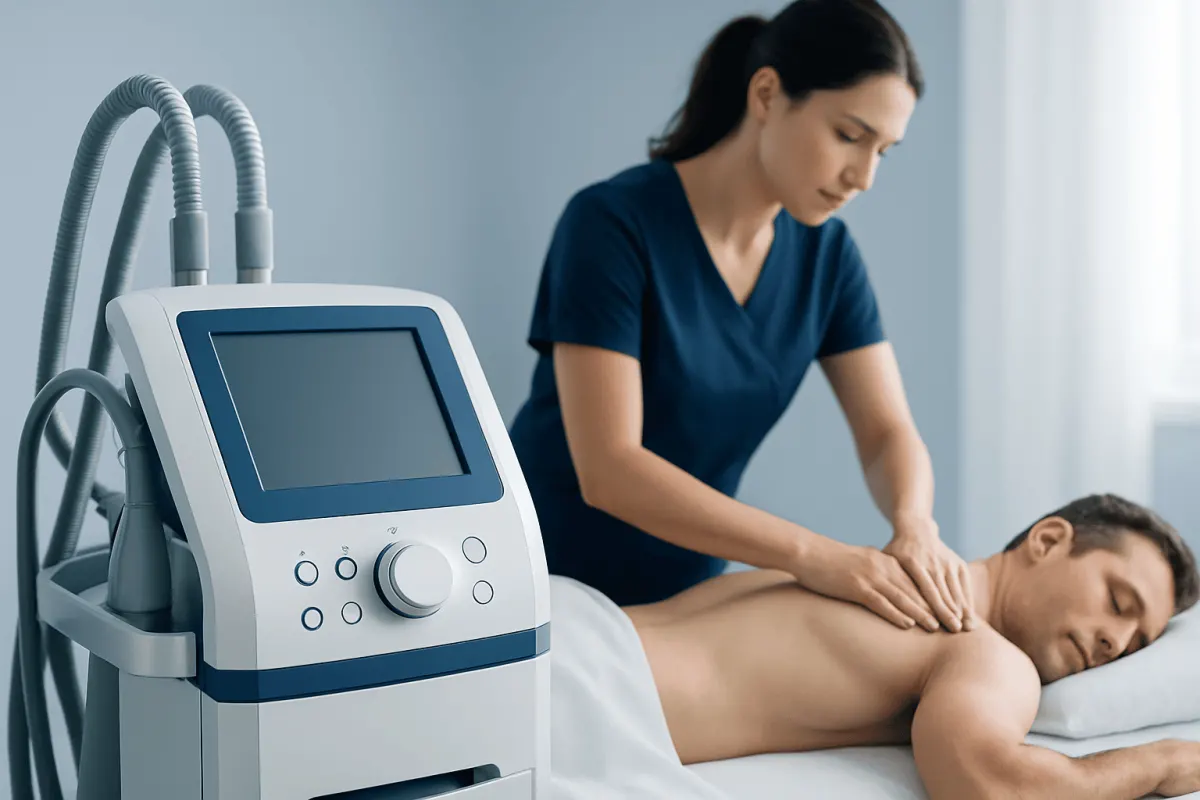
Swedish massage is a widely used form of massage therapy that combines long gliding strokes, kneading and gentle joint movements. It is mainly used to support relaxation, temporary relief of muscle tension and a sense of wellbeing.
Overview: What Is Swedish Massage?
Swedish massage is a traditional style of massage therapy intended to relax the body and ease everyday muscle tension. It commonly uses smooth, gliding strokes across the skin, kneading of soft tissues, gentle friction, rhythmic tapping and carefully guided movements of joints. Massage oil or lotion is often used to reduce friction and help the therapist’s hands move comfortably over the skin.
Sessions are usually tailored to the person’s needs. Some people choose a full-body massage, while others focus on areas such as the neck, shoulders, back, hands or legs. The therapist can adapt the pressure from very light to moderate, and the person receiving massage should remain comfortable throughout.
Swedish massage is best viewed as a supportive wellness practice. It may help a person feel calmer and less physically tense, but it is not a treatment for serious injury, infection, circulatory disease or other medical conditions. Persistent or severe symptoms need assessment by a qualified healthcare professional.
Common Techniques Used in Swedish Massage
A Swedish massage session often begins with broad, light strokes called effleurage. These strokes warm the superficial tissues, spread the massage medium and help the recipient settle into the session. The therapist may then use petrissage, a kneading and lifting technique that can be applied to larger muscles such as those of the back, shoulders and thighs.
Other techniques may include circular friction over a small area, gentle tapping or rhythmic percussion, and passive movement of a limb or joint. The exact combination varies with the therapist’s training, the length of the appointment and the person’s comfort level. Swedish massage is usually less intense than deep-tissue massage and should not involve forceful pressure.
Clear communication is an important part of safe massage. The person can request more or less pressure, ask the therapist to avoid a sensitive area, change position or stop the session at any point. Professional therapists should preserve privacy with appropriate draping and explain what to expect before beginning.
Potential Benefits and Limits
Many people seek Swedish massage because it feels soothing and may provide short-term relief from stress-related muscle tightness. A calm environment, therapeutic touch and a period of rest can support relaxation. Some people also report improved sleep or a temporary reduction in mild aches after a session, particularly when tension is related to posture, work demands or physical activity.
Research on massage therapy suggests it may be helpful as part of a broader plan for some types of short-term musculoskeletal discomfort and stress. However, responses differ between individuals, and the quality of evidence varies depending on the condition studied. Benefits are often temporary, and massage is not a substitute for exercise rehabilitation, medical care, mental health treatment or prescribed medication when those are needed.
Swedish massage does not remove toxins, cure chronic diseases, correct structural spinal problems or replace treatment for conditions such as arthritis, nerve compression or inflammatory illness. A person with ongoing pain, weakness, numbness, swelling, fever or Weight Loss: Possible Causes and Medical Evaluation" class="ahp-ilk">unexplained weight loss should not rely on massage alone and should speak with a doctor.
What to Expect During and After a Session
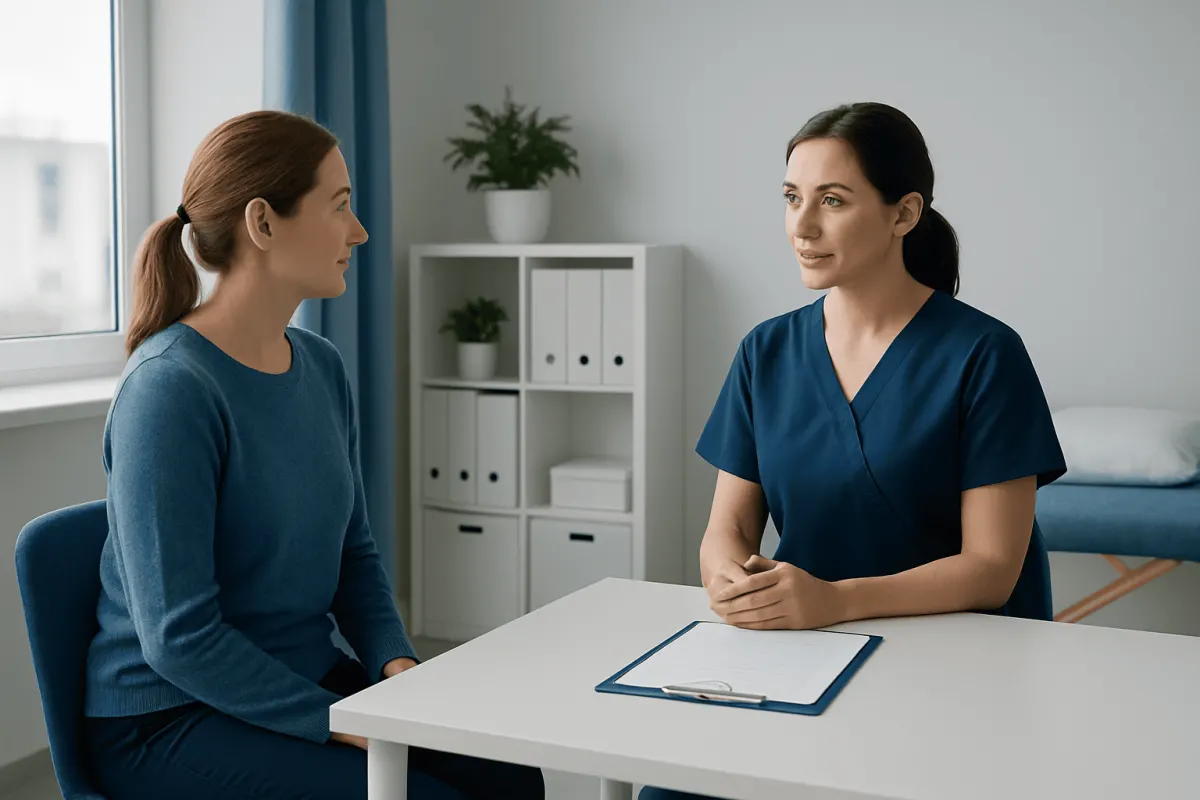
Before a session, a massage therapist should ask about current symptoms, medical conditions, allergies, pregnancy, recent procedures and medicines. This information helps identify areas to avoid and whether massage may need to be postponed. The person should also mention previous reactions to massage, sensitivity to fragrances and any preferences about pressure or conversation.
During the massage, the person usually lies on a padded table, although seated massage is also possible. Sheets or towels are used for draping, and only the body area being worked on should be uncovered. The recipient may wear underwear or other clothing according to personal comfort and the setting. Massage should feel comfortable, not sharp, burning or painful.
Afterward, it is common to feel relaxed or mildly sleepy. Some people experience temporary tenderness, particularly if muscles were already tight or the massage was firmer than usual. Drinking fluids according to normal thirst, having a light meal if needed and allowing time to rest may be helpful. New, significant or prolonged pain after massage should be discussed with a healthcare professional.
Safety, Side Effects and When Massage May Not Be Suitable
For many healthy adults, Swedish massage is generally well tolerated when performed by an appropriately trained professional. Mild, short-lived soreness, tiredness or skin sensitivity from oils may occur. A therapist should avoid painful pressure and should not massage directly over open wounds, active skin infections, fresh bruises, burns or areas of acute inflammation.
Medical advice is especially important before massage for people who have a history of blood clots, a bleeding disorder, low platelet levels, significant varicose veins, severe osteoporosis, advanced diabetes with reduced sensation, cancer, heart or vascular disease, or an implanted medical device. People who use blood-thinning medication may bruise more easily. Massage may still be possible in some circumstances, but it should be adapted with guidance from the person’s healthcare team.
Massage should be delayed or avoided during fever, contagious illness, vomiting or diarrhea, and after recent surgery or major injury unless the surgeon or treating clinician approves it. Sudden one-sided leg swelling, chest pain, shortness of breath, severe headache, fainting, weakness or new neurological symptoms require urgent medical assessment rather than massage.
- Tell the therapist about all relevant health conditions and medicines.
- Avoid massage over areas with unexplained swelling, severe pain or skin changes.
- Ask for lighter pressure if there is discomfort, bruising tendency or frail skin.
- Stop the session and seek help if concerning symptoms develop.
Swedish Massage for Specific Situations
People often consider massage for neck and shoulder tightness, low back discomfort, tension headaches or exercise-related soreness. For uncomplicated symptoms, Swedish massage may be a relaxing addition to practical measures such as gradual activity, ergonomic adjustments, stretching or strengthening recommended by a clinician. It should not delay assessment when pain follows a fall, accident or sports injury, or when it is associated with weakness, numbness or loss of bladder or bowel control.
During pregnancy, prenatal massage may be appropriate for some people when provided by a practitioner trained in pregnancy care and after discussion with the obstetric clinician. Positioning, pressure and areas treated may need adjustment. Pregnancy complications, high-risk pregnancies and symptoms such as vaginal bleeding, severe headache, sudden swelling or abdominal pain require medical guidance.
For people living with cancer or receiving cancer treatment, massage may sometimes be used for comfort and relaxation as part of supportive care. It should be adapted by a therapist with appropriate training and coordinated with the oncology team, particularly if there is low blood cell count, bone involvement, lymphedema, a central line, recent radiation or surgery. The goal is comfort, not treatment of the cancer itself.
Choosing a Therapist and Supporting Self-Care
A suitable therapist should have recognized training, follow local licensing or professional requirements and take a thoughtful health history. It is reasonable to ask about qualifications, experience with a particular concern, hygiene practices, draping policies and how they adjust pressure. A good therapist welcomes questions and respects boundaries without pressure to continue services.
Massage is often most useful when included in a broader self-care routine. Regular movement, adequate sleep, stress-management strategies, hydration according to personal needs and medical advice, and attention to workstation or activity habits can all support musculoskeletal health. For recurring discomfort, a doctor or physiotherapist can help identify contributing factors and recommend a personalized plan.
Acıbadem Health Point’s multidisciplinary specialists and JCI-accredited hospitals can assess ongoing pain or health concerns and help international patients understand appropriate treatment options. Massage may be considered as a complementary comfort measure when it is suitable for the individual’s health needs.
When to See a Doctor
Medical evaluation is advisable for pain that is severe, persistent, recurrent or worsening, especially if it affects sleep, mobility or daily activities. A doctor should also assess symptoms that began after trauma, surgery or a new exercise program. This helps ensure that potentially treatable causes are not overlooked.
Urgent medical care is needed for chest pain, trouble breathing, fainting, sudden weakness, facial drooping, confusion, severe or sudden headache, or a painful swollen leg. These symptoms may indicate conditions that require prompt assessment and should not be managed with massage.
Before scheduling Swedish massage, people with complex health conditions should ask their doctor whether it is appropriate and what modifications may be needed. Sharing this advice with the massage therapist can support a safer, more comfortable experience.
Frequently asked questions
01What is Swedish massage used for?
Swedish massage is mainly used for relaxation and temporary relief of everyday muscle tension. Some people also find it helpful for stress reduction and a general sense of wellbeing. It is not a replacement for medical assessment or treatment of persistent symptoms.
02Is Swedish massage painful?
Swedish massage is usually gentle to moderate in pressure and should not be painful. Mild tenderness can occur afterward, especially in already tight muscles, but sharp or significant pain is not expected. The therapist should adjust pressure immediately when requested.
03How is Swedish massage different from deep-tissue massage?
Swedish massage generally uses broader, flowing strokes and lighter-to-moderate pressure to encourage relaxation. Deep-tissue massage typically uses slower, more focused pressure on deeper muscle layers and connective tissues. The most suitable approach depends on the person’s goals, comfort and health status.
04Can Swedish massage help with back or neck pain?
It may offer temporary comfort for mild muscle tension in the back or neck, particularly when stress, posture or activity contributes. Ongoing or severe pain should be assessed by a doctor or physiotherapist, as massage cannot diagnose or correct every cause. Medical care is especially important if pain includes weakness, numbness, fever or follows an injury.
05Who should avoid Swedish massage?
Massage may need to be postponed or modified for people with fever, contagious illness, open wounds, active skin infection, recent surgery, suspected blood clot or acute injury. People with cancer, bleeding risk, osteoporosis, cardiovascular disease or pregnancy should seek individualized advice first. A qualified therapist should always be told about relevant medical conditions and medicines.
06How often can someone have a Swedish massage?
There is no single schedule that suits everyone. Frequency depends on the person’s comfort, health, budget and reason for seeking massage. For persistent symptoms, a clinician can help determine whether massage is appropriate and what other treatments or lifestyle changes may be useful.
This article is for general information only and is not a substitute for professional medical advice. Please consult a qualified doctor about your individual situation.
Joint and spine care in Turkey — expert assessment & treatment
JCI-accredited · board-certified surgeons · reply within 24h
Add us as a Preferred Source to see more of our trusted health content across Google Search, AI Overviews and Discover.